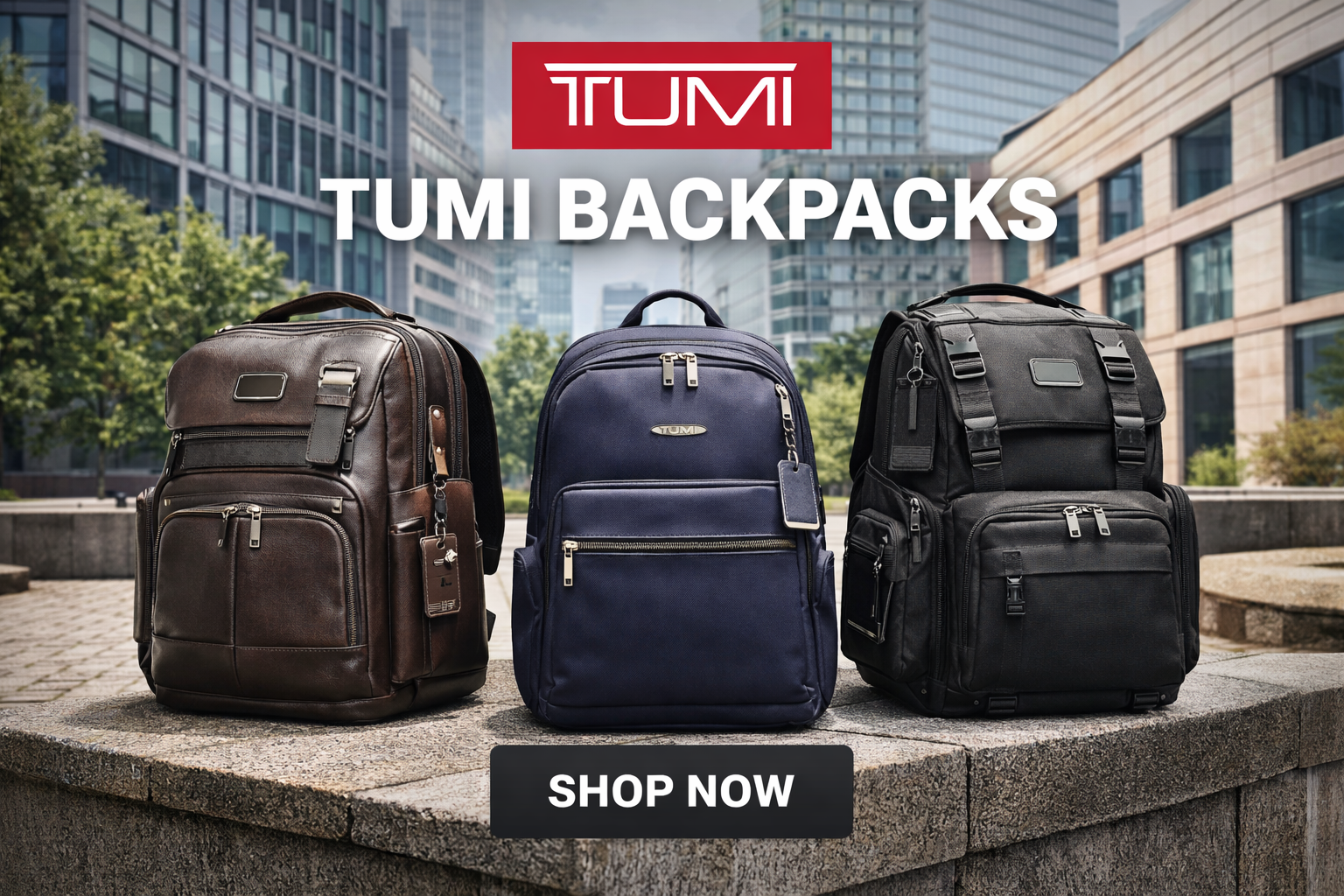
Why Are Tumi Backpacks So Expensive

The $600 Backpack That Makes You Feel Like a CEO
Let’s be honest: spending $600 on a backpack sounds a little bit insane. You can buy a plane ticket, a nice phone, or a mountain of tacos for that kind of cash. Yet, Tumi backpacks fly off shelves like they’re the last water bottles on Earth.
So, what’s the secret sauce? Why do people with perfectly good zippers and straps drop a month’s grocery budget on a bag?
The short answer is that Tumi doesn’t sell a bag. It sells a bulletproof companion for your life. And honestly, that’s kind of entertaining to watch.
Must Read
It’s Built Like a Tank (But Looks Like a Tuxedo)
First, let’s talk about the material. Most backpacks use flimsy nylon that snags on a twig and gives up in a year. Tumi uses something called FXT ballistic nylon, which was originally designed for flak jackets for soldiers.
This fabric is so tough that you could probably drag it behind a car and it would just ask for more. It’s not about being pretty; it’s about being indestructible.
If your old backpack is a paper napkin, a Tumi is a knight’s shield with a laptop sleeve.
That’s the first hook. You’re not just paying for a bag; you’re paying for decades of “oops” moments that never actually ruin your stuff. Dropped it off a taxi? No problem. Rainstorm? Please, that’s just a light shower to a Tumi.
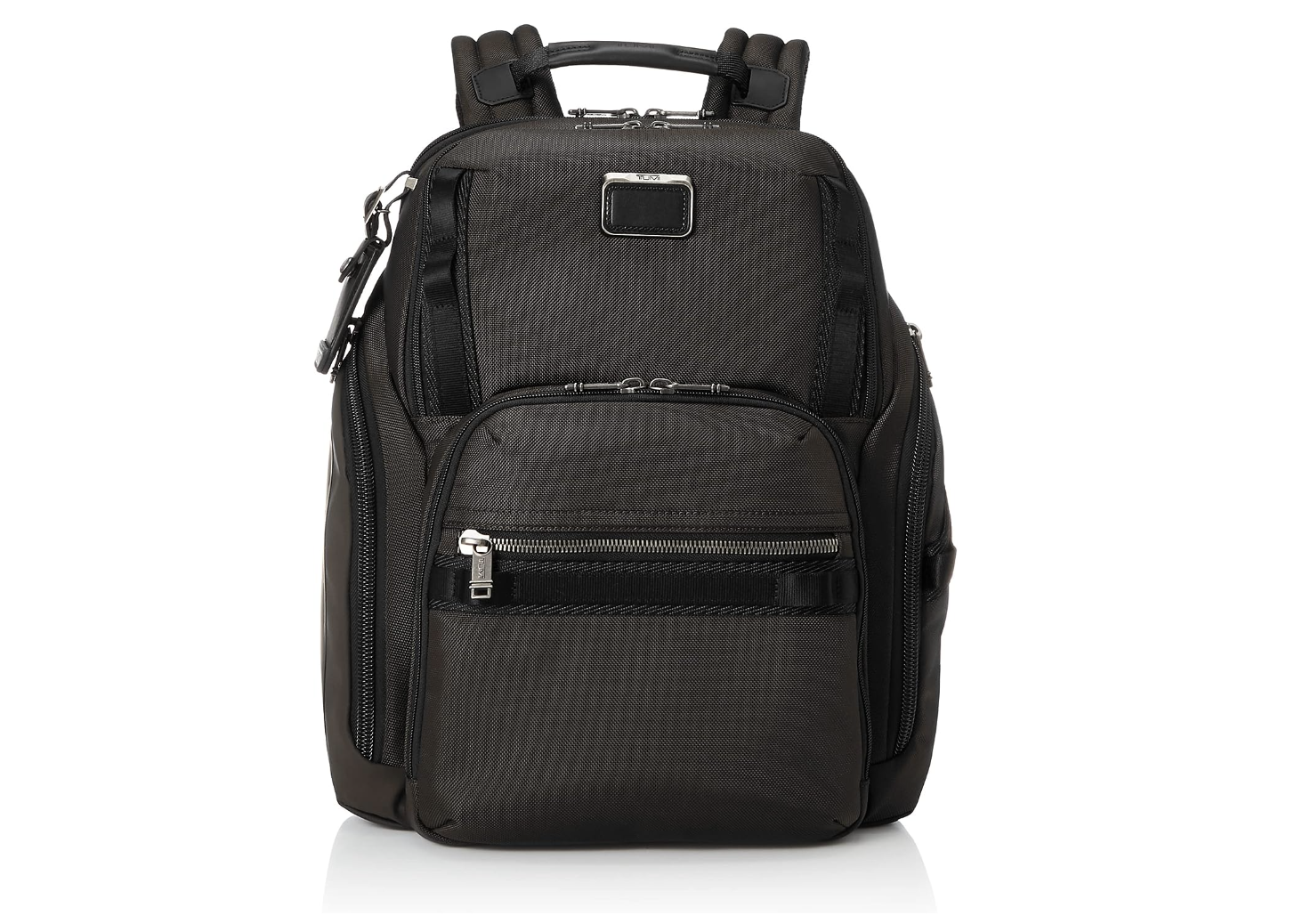
The Zippers Are a Mini Symphony
Now, here is where it gets geeky and fun. Walk into a store and zip a cheap backpack. It sounds like a dying robot. Now zip a Tumi.
The zippers are custom-made and glide with a smooth, satisfying “snap” that’s almost therapeutic. They use special YKK zippers that are sealed so water and dust can’t sneak in. It’s a tiny detail, but it makes you feel like a pilot preparing for takeoff every time you open your bag.
The interior is even wilder. Every pocket has a purpose. There’s a little holder for your keys that clips so you don’t lose them, a padded spot for a tablet, and even a pocket that prevents your passport from being scanned by thieves. It’s like a Swiss Army knife, but for your back.

The Price Is Actually a Subscription to “Clean”
Here’s the twist that makes Tumi worth it to many people: they repair everything for free. Forever. If a wheel breaks on your rolling bag or a seam pops, you ship it to them, and they fix it.
So, that $600 isn’t just for today. It’s a lifetime pass to never buying another backpack again. When you do the math, a cheap $40 bag every two years costs about $400 over a decade. A Tumi for $600 that lasts 20 years? Suddenly, the expensive option feels like the bargain.
And the tag inside is a status symbol. You’re telling the world, “I have my life together, and my snacks are safe.”

But Wait, There’s More (The Entertainment)
The funniest part about Tumi owners is how they talk about their bags. They treat them like pets. They name them. They wipe them down with special wipes. They post photos on Instagram of their “travel buddy” at airports.
It’s a cult of organized people. And the brand leans into it with their Tumi Tracer feature—a unique ID number on every bag that helps you reunite with it if it gets lost. Who knew a backpack could have a passport?
Yes, you’re paying for status. But you’re also paying for a bag that genuinely outlives your phone, your laptop, and probably your car’s warranty.
Is it overkill? Totally. Is it entertaining? Absolutely. Watching a grown adult get emotional over a perfectly placed water bottle pocket is the kind of content the internet loves.
So, Should You Buy One?
If you are a chaotic traveler who throws your bag in the overhead bin, Tumi is your therapy. If you’re a student eating ramen, please skip it. Buy groceries instead. No judgment.
But if you’re curious, just go to a store and touch one. You’ll instantly feel the difference—the firm handles, the silent zipper, the way it stands up on its own like a proud robot. Then you’ll understand why people pay the big bucks.
In a world of flimsy stuff, Tumi is that rare thing: a luxury item that actually works. And honestly, that makes the price tag a lot easier to swallow—even if your wallet weeps a little on the way out.