Dom Sub Relationship Meaning
As we delve into the intricacies of human relationships, it becomes increasingly evident that our brains are wired to respond to various forms of connections, including those that involve power dynamics. The Dom Sub relationship, short for Dominant and Submissive, is one such connection that has garnered significant attention in recent years. At its core, this type of relationship involves a consensual exchange of power, where one individual assumes the role of the Dominant, while the other takes on the role of the Submissive. But what is it about this dynamic that resonates with our psychological makeup, and why do our brains react to it in the ways that they do? The answer lies in our innate desire for connection, trust, and intimacy, as well as our propensity for exploring and expressing different facets of our personalities.
In today's society, the concept of Dom Sub relationships has become more mainstream, with many individuals openly discussing and exploring their interests in this area. This shift towards greater acceptance and understanding can be attributed to the growing recognition of the importance of consent and communication in all relationships. As we navigate the complexities of human connection, it's essential to acknowledge that our brains are capable of responding to a wide range of stimuli, including those that involve power exchange. By examining the psychological roots of Dom Sub relationships, we can gain a deeper understanding of the emotional triggers and cognitive biases that underlie this dynamic, ultimately allowing us to cultivate more empathetic and enlightening connections with others.
Unpacking the Emotional Triggers
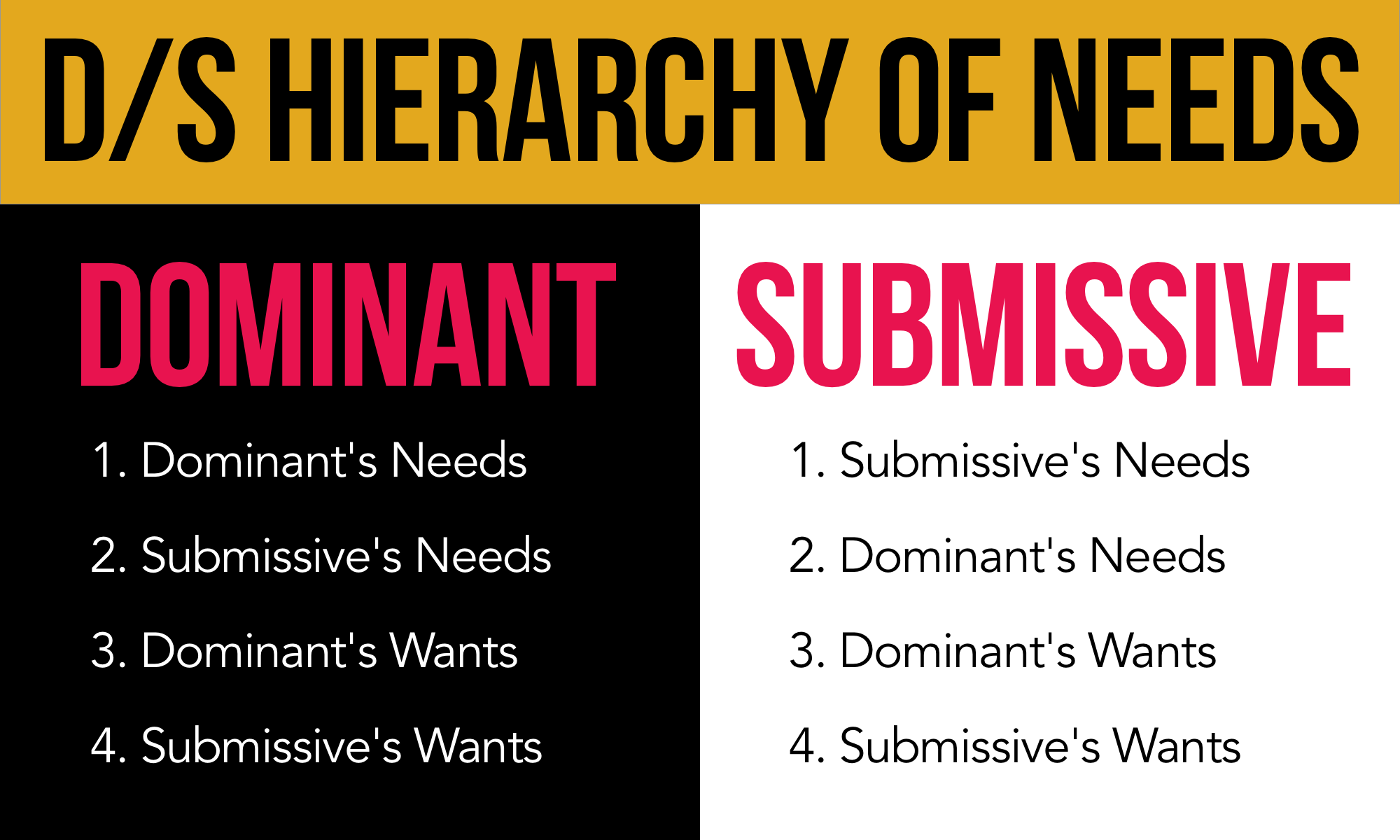
One of the primary emotional triggers associated with Dom Sub relationships is the desire for control and surrender. For some individuals, the idea of relinquishing control to a trusted partner can be a deeply liberating experience, allowing them to tap into a sense of vulnerability and trust. On the other hand, the Dominant partner may derive a sense of fulfillment from assuming the role of caregiver and protector, which can be closely tied to their own self-worth and confidence. However, it's essential to recognize that these emotional triggers can also be influenced by cognitive biases, such as the halo effect, where our perception of a partner is skewed by our initial impressions, or the confirmation bias, where we selectively seek out information that confirms our existing beliefs.
A vivid example of this can be seen in the story of Sarah and Mike, a couple who had been exploring their interest in Dom Sub relationships for several months. Sarah, who had always been drawn to the idea of submission, found that she was able to tap into a deep sense of relaxation and calm when Mike assumed the role of Dominant. However, as their relationship progressed, Mike began to struggle with feelings of inadequacy and self-doubt, which were closely tied to his own fear of failure. Through open and honest communication, the couple was able to work through these challenges, ultimately strengthening their bond and deepening their understanding of each other's emotional needs.
Another critical aspect of Dom Sub relationships is the importance of boundaries and communication. In order to navigate the power dynamic effectively, both partners must be willing to engage in open and honest dialogue, discussing their desires, needs, and limitations in a clear and respectful manner. This can involve establishing safewords and check-ins, which provide a mechanism for either partner to pause or stop the scene if they become uncomfortable or overwhelmed. By prioritizing communication and boundary-setting, couples can create a safe and supportive environment, where both partners feel seen, heard, and valued.
Navigating the Path to Growth
So, how can individuals and couples effectively navigate the complexities of Dom Sub relationships, while promoting personal growth and emotional well-being? One key strategy is to prioritize self-reflection and self-awareness, taking the time to explore one's own desires, needs, and boundaries. This can involve engaging in journalling or meditation, which can help individuals tap into their inner selves and develop a deeper understanding of their own emotional landscapes.

Another critical aspect is the importance of education and resource-sharing. By seeking out reputable sources of information and connecting with others who share similar interests, individuals and couples can gain a deeper understanding of the complexities and nuances of Dom Sub relationships. This can involve attending workshops or seminars, joining online communities or forums, or engaging in one-on-one coaching or therapy. By prioritizing education and resource-sharing, individuals and couples can cultivate a more informed and empathetic approach to their relationships, ultimately leading to greater personal growth and emotional fulfillment.
In addition to these strategies, it's essential to recognize the importance of aftercare and self-care in Dom Sub relationships. Aftercare refers to the process of caring for one's physical and emotional needs after a scene or encounter, which can involve activities such as hydration, nutrition, and relaxation. By prioritizing aftercare and self-care, individuals and couples can promote greater emotional resilience and well-being, ultimately enhancing their overall quality of life.
A step-by-step approach to navigating Dom Sub relationships can involve the following:
- Establishing clear boundaries and communication protocols
- Engaging in self-reflection and self-awareness practices
- Prioritizing education and resource-sharing
- Developing a safeword and check-in system
- Cultivating a support network of peers and allies
Frequently Asked Questions
What is the difference between a Dom Sub relationship and a traditional relationship?
The primary difference between a Dom Sub relationship and a traditional relationship is the presence of a consensual power dynamic, where one individual assumes the role of Dominant and the other assumes the role of Submissive. This power dynamic can manifest in various ways, including through activities such as bondage, discipline, and sensory play. However, it's essential to recognize that Dom Sub relationships can be incredibly diverse, and may involve a wide range of activities and practices. Ultimately, the key to a successful Dom Sub relationship is the presence of consent, communication, and mutual respect.

In a traditional relationship, the power dynamic may be more evenly distributed, with both partners sharing decision-making responsibilities and emotional labor. However, in a Dom Sub relationship, the power dynamic is intentionally skewed, with the Dominant partner assuming a greater degree of control and responsibility. This can be a highly appealing and fulfilling dynamic for some individuals, as it allows them to tap into their desires for control and surrender. However, it's essential to recognize that Dom Sub relationships require a high degree of communication and trust, in order to ensure that both partners are comfortable and consenting to the power dynamic.
How do I know if a Dom Sub relationship is right for me?
Whether or not a Dom Sub relationship is right for you will depend on your individual desires, needs, and boundaries. It's essential to take the time to reflect on your own motivations and expectations, as well as your values and limits. You may want to ask yourself questions such as: What am I hoping to gain from a Dom Sub relationship? What are my non-negotiables, and what are my boundaries? What kind of communication and aftercare do I need in order to feel safe and supported?
It's also essential to recognize that Dom Sub relationships can be highly diverse, and may involve a wide range of activities and practices. You may want to explore different types of Dom Sub relationships, such as 24/7 or scene-based dynamics, in order to determine what works best for you. Ultimately, the key to a successful Dom Sub relationship is finding a partner who shares your values and boundaries, and with whom you can communicate openly and honestly. By prioritizing self-reflection and communication, you can make an informed decision about whether a Dom Sub relationship is right for you.

What are some common misconceptions about Dom Sub relationships?
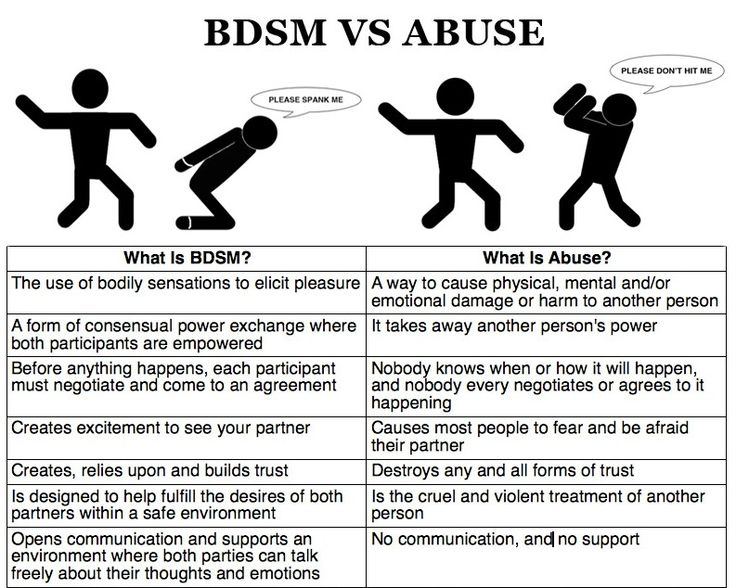
One common misconception about Dom Sub relationships is that they are inherently abusive or unhealthy. However, this is not necessarily the case. When approached with consent, communication, and mutual respect, Dom Sub relationships can be a highly fulfilling and empowering experience for both partners. Another misconception is that Dom Sub relationships are only for individuals who are masochistic or submissive, when in fact, they can involve a wide range of personalities and preferences.
It's also common for people to assume that Dom Sub relationships are only about sex or erotica, when in fact, they can involve a wide range of activities and practices. While some Dom Sub relationships may involve a strong focus on sex or sensuality, others may be more focused on emotional connection and intimacy. By recognizing and challenging these misconceptions, we can work to create a more inclusive and supportive environment for individuals and couples who are exploring Dom Sub relationships.
How can I communicate my desires and boundaries in a Dom Sub relationship?
Communicating your desires and boundaries in a Dom Sub relationship is essential for building trust and ensuring a safe and fulfilling experience. One key strategy is to prioritize open communication and active listening, taking the time to discuss your needs and desires with your partner in a clear and respectful manner. You may want to establish a safeword or check-in system, which can provide a mechanism for either partner to pause or stop the scene if they become uncomfortable or overwhelmed.
It's also essential to recognize that communication is an ongoing process, and may involve regular check-ins and feedback sessions. By prioritizing open communication and mutual respect, you can create a safe and supportive environment, where both partners feel seen, heard, and valued. Additionally, you may want to consider engaging in self-reflection and journaling, which can help you tap into your own desires and boundaries, and communicate them more effectively with your partner.
What are some common challenges that arise in Dom Sub relationships?
One common challenge that arises in Dom Sub relationships is the issue of power imbalance and consent. When one partner has a greater degree of control or authority, it can be challenging to ensure that both partners are comfortable and consenting to the power dynamic. Another challenge is the issue of communication breakdown and misunderstanding, which can occur when partners fail to communicate their needs and desires effectively.
By prioritizing open communication and mutual respect, couples can work to overcome these challenges and build a stronger, more resilient relationship. This may involve engaging in regular check-ins and feedback sessions, as well as prioritizing self-reflection and self-awareness. By recognizing and addressing these challenges, couples can create a more fulfilling and empowering experience, and deepen their connection with each other.
As we reflect on the complexities of Dom Sub relationships, it becomes increasingly evident that mastering this topic can lead to a deeper understanding of ourselves and our emotional needs. By prioritizing consent, communication, and mutual respect, we can create a safe and supportive environment, where both partners feel seen, heard, and valued. This, in turn, can lead to greater emotional resilience and well-being, as well as a more fulfilling and empowering experience.
In the end, the key to a successful Dom Sub relationship is finding a partner who shares your values and boundaries, and with whom you can communicate openly and honestly. By embracing the complexities and nuances of Dom Sub relationships, we can work to create a more inclusive and supportive environment, where individuals and couples can explore their desires and needs with confidence and clarity. As we continue to navigate the intricacies of human connection, it's essential to recognize the importance of empathy, compassion, and understanding, and to approach each other with kindness, respect, and an open heart.