Best Online It Learning Platforms
Think of learning to code, design, or even master data science as picking up a new hobby—except your classroom is your sofa and your teacher is a video on demand. Online IT platforms have exploded in popularity because they turn what used to be intimidating tech skills into bite-sized, engaging lessons. Whether you want to boost your resume, help your kids with school projects, or just build a cool website for fun, there’s a perfect course waiting for you.
For beginners, these platforms are a lifesaver because they start from absolute zero—no jargon, no judgment. You can learn Python by building a simple game, or understand cloud computing through interactive animations. Families can bond over coding challenges or robotics kits, turning screen time into a shared creative activity. And for hobbyists, the payoff is huge: you can finally automate your home lights, make a personal budget app, or create a digital art portfolio without paying a fortune for formal classes.
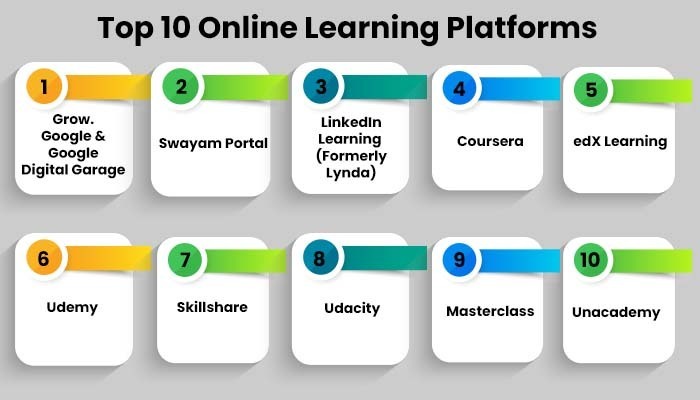
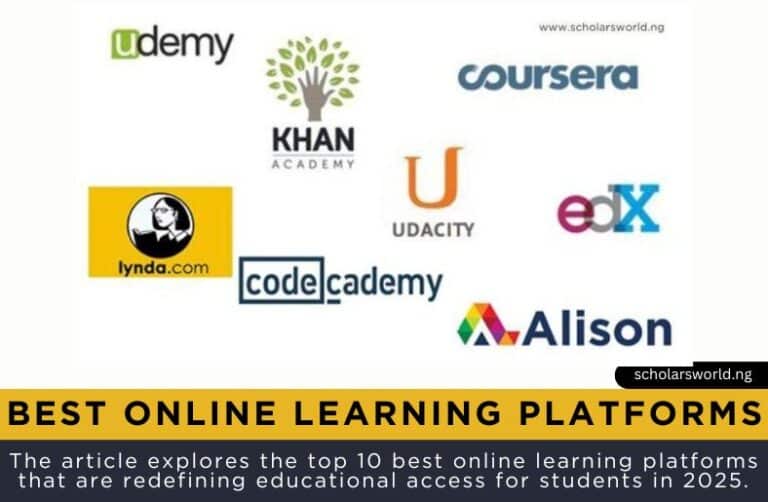
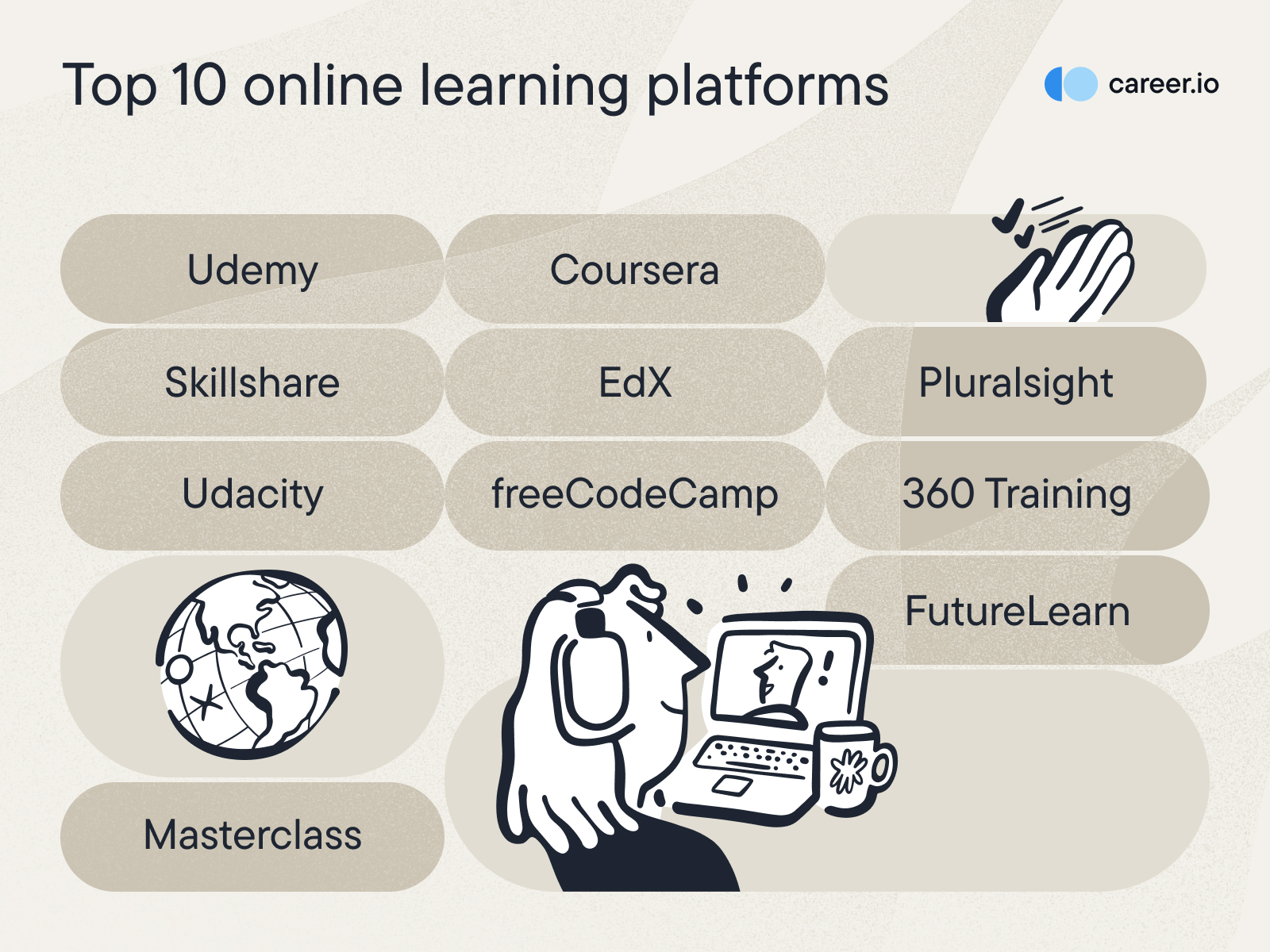
The beauty is the variety. Platforms like Coursera and edX offer university-level certificates, while Udemy and Skillshare are packed with quirky, project-based classes on everything from ethical hacking to app design. For younger learners, Code.org and Scratch make programming feel like playing with digital LEGOs, complete with colorful characters and instant feedback. You can even find free YouTube channels that rival paid courses, but the real magic of these platforms is their structured paths—you won’t get lost wondering “what next?”
Must Read
Getting started is easier than you think. First, pick one skill—maybe HTML and CSS for a quick win, because you’ll see a visible webpage within an hour. Second, set a tiny goal: fifteen minutes a day beats a three-hour binge once a month. Third, use the community forums; asking “dumb” questions is part of the learning process, and you’ll often get answers from mentors within minutes. Don’t fall for the trap of buying dozens of courses—start with a free trial or a $10 sale, and finish one before adding another.

A practical trick is to pair your learning with a personal project, like building a family recipe site or a fitness tracker. This keeps you motivated because you’re solving your own problems, not just doing exercises. Also, enable the closed captions on video lessons—you’ll pick up technical spelling and remember terms better. And if you get stuck, just skip ahead; most platforms let you jump to a later module and return later, which is far better than giving up entirely.
Remember, you don’t need a computer science degree—just curiosity and a bit of daily practice. The best part is that these skills stick with you: they save you time, open doors to side hustles, and make you the “tech-savvy friend” everyone asks for help. So grab a cup of coffee, pick a course that makes you smile, and enjoy the small thrill of watching your code run successfully for the first time. You’ll be amazed at how quickly “I can’t” turns into “I built that myself.”