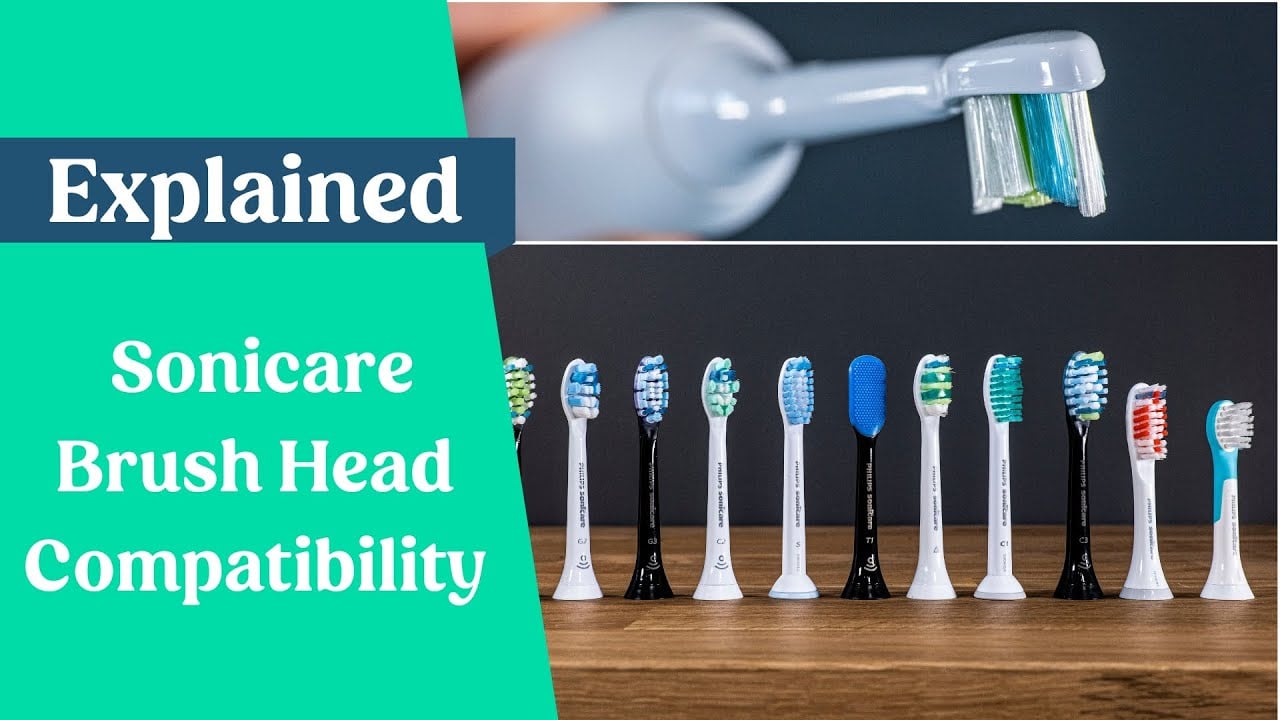
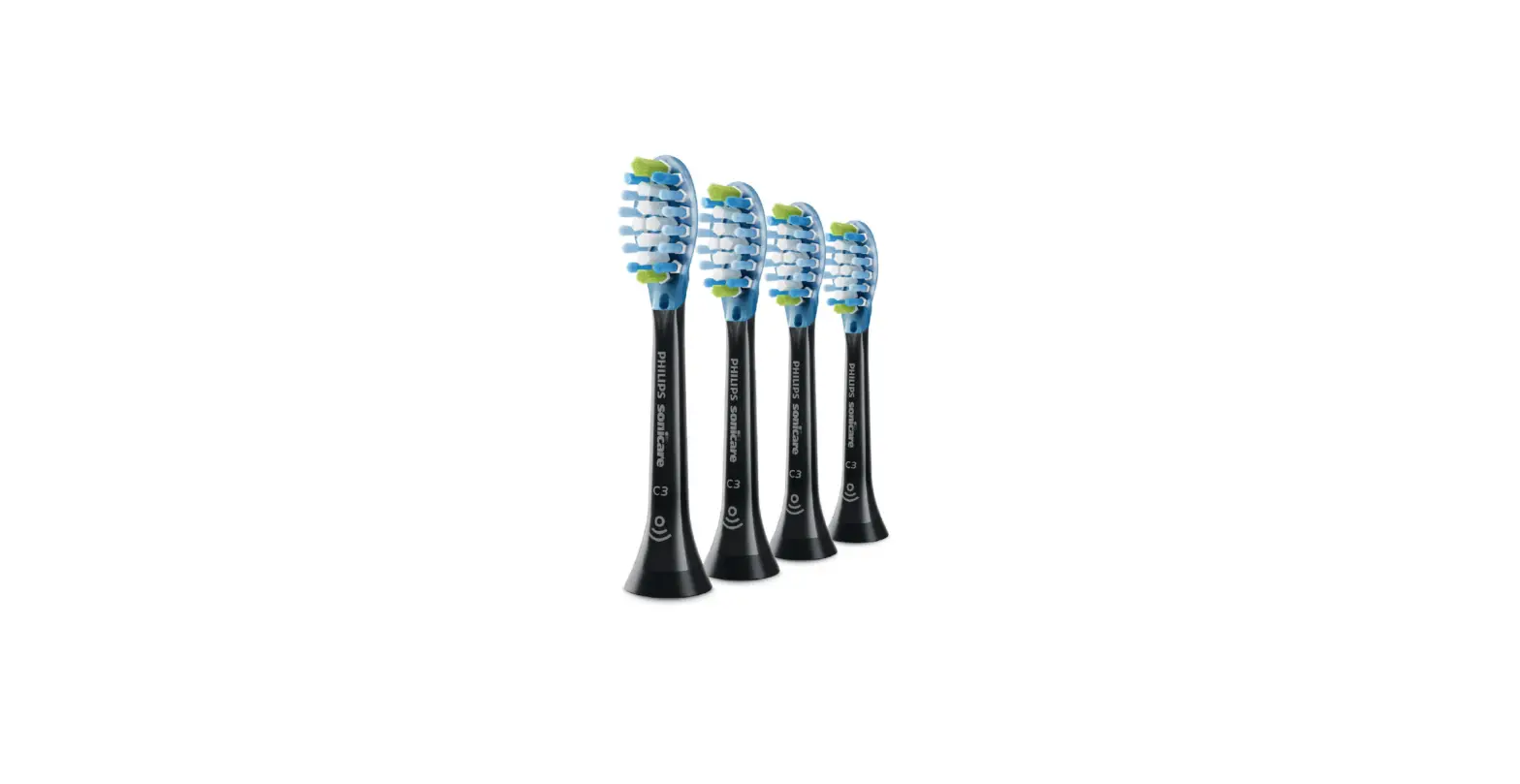
Are Sonicare Heads Interchangeable
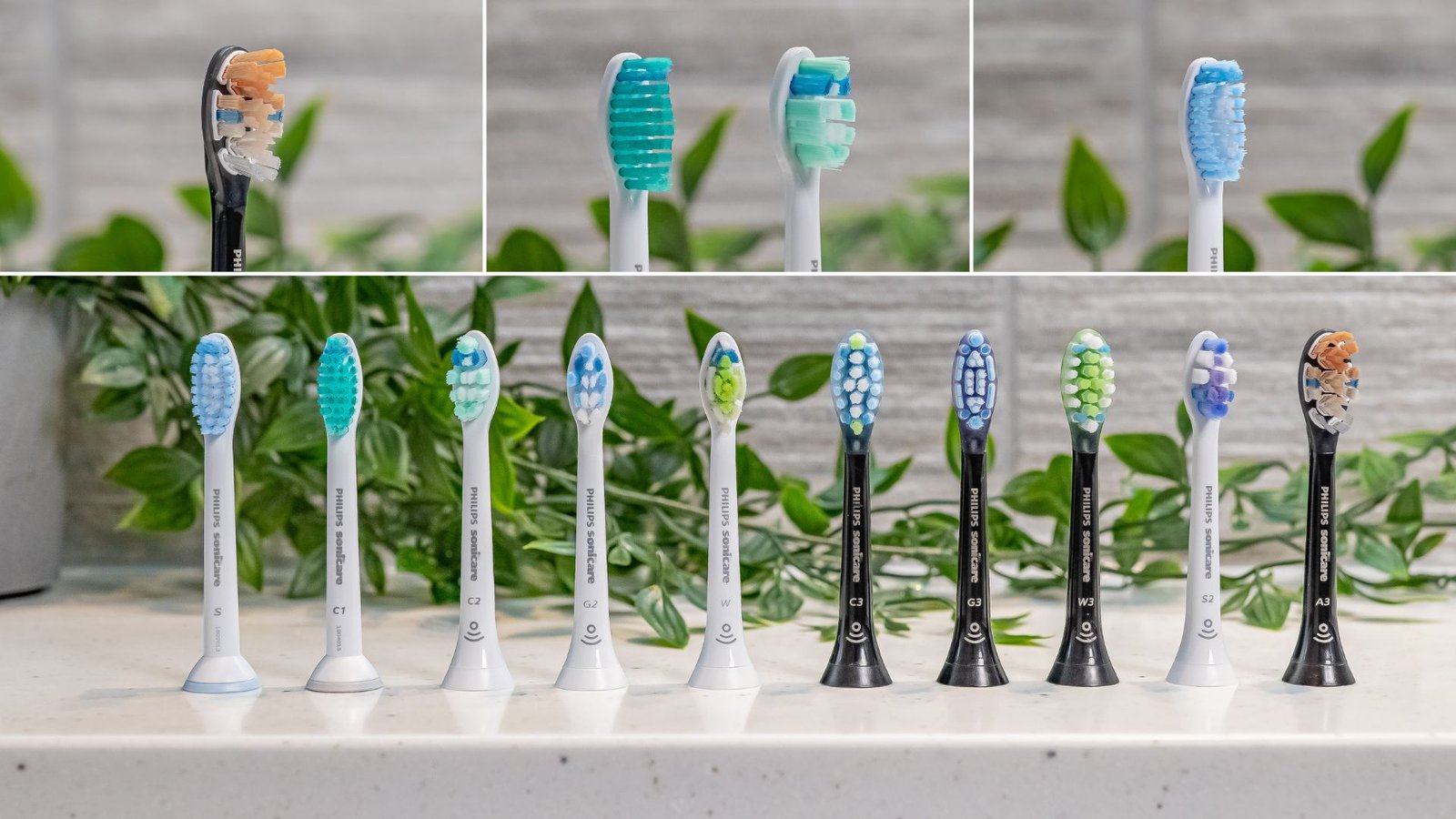
There is a peculiar intimacy in the ritual of oral hygiene. Every morning and night, we stand before the mirror, a whirring plastic wand in our hand, engaged in a mechanical dance with our own biology. The sonic toothbrush, specifically Philips Sonicare, has transcended its utilitarian roots to become a status symbol of self-care, a gadget-lover’s gateway into the world of connected health. But lurking beneath the sleek, waterproof exterior lies a question that plagues the minimalist and the maximalist alike: are Sonicare heads interchangeable? The answer, much like the bristles themselves, is multifaceted, layered with subtle engineering constraints, corporate strategy, and a dash of consumer psychology that dictates whether you are a savvy shopper or a pawn in a marketing game.
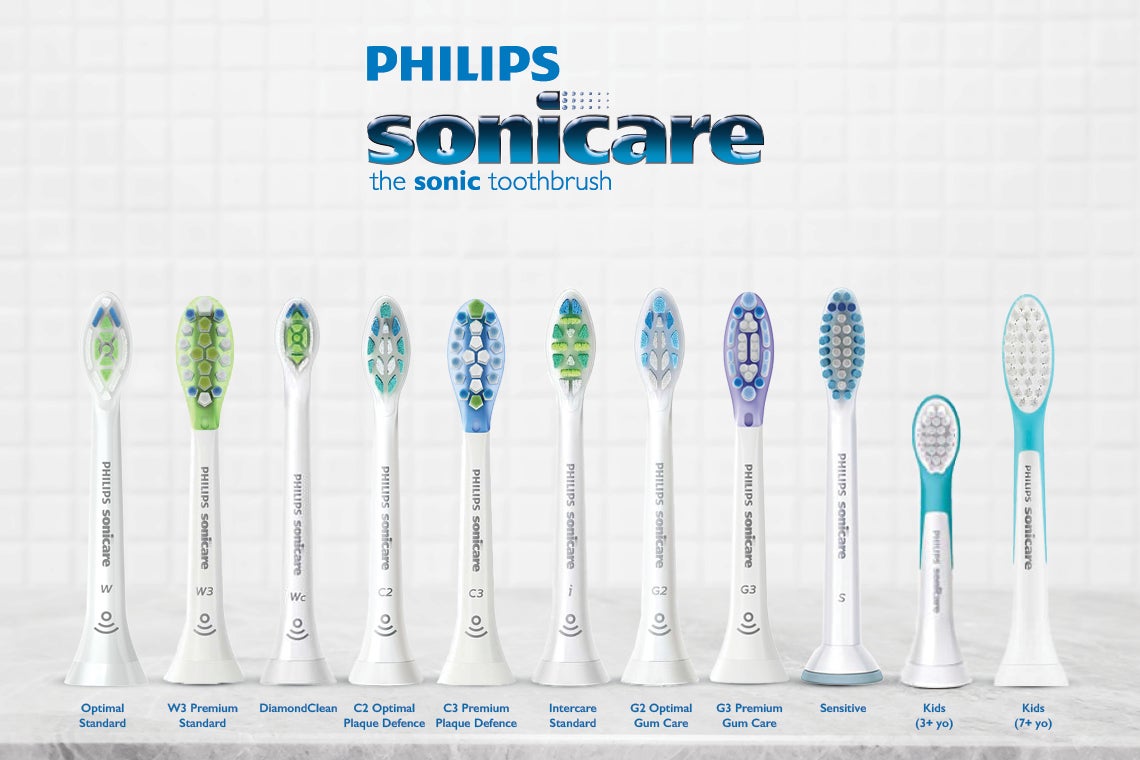
To understand the interchangeability conundrum, we must first rewind to 1992, when Dr. David Giuliani introduced the world to sonic technology—a brush that vibrates at a staggering 31,000 strokes per minute, creating a dynamic fluid action that pushes saliva and toothpaste beyond the bristle line. It was a revolution. But with innovation came fragmentation. As the Sonicare family expanded from the original Elite to the DiamondClean, the FlexCare, and the budget-friendly ProtectiveClean, Philips made a calculated decision: not all heads fit all handles. This isn’t just a matter of physical fit; it’s a strategic ecosystem designed to keep you locked into a specific generation, much like Apple’s Lightning cable versus USB-C. The truth is that the modern range—from the EssentialClean to the DiamondClean 9000—shares a single, standardized brush-head interface, but older models (like the original Elite and some early FlexCare versions) use a completely different, now-obsolete neck design. This compatibility maze is the first test of your dedication to the brand.
The Hidden Architecture of the Brush Head
Delving into the minute details, the interchangeability of Sonicare heads is not a binary yes-or-no but a spectrum of physical compatibility versus optimal performance. While a DiamondClean head will physically snap onto a ProtectiveClean handle, the question of whether it should is where the dark fun begins. Philips engineers have subtly altered the flexing angle and the amplitude of the bristle vibration across different head variants. The "CrossFit" head, for instance, is designed with a stiffer, more aggressive bristle pattern, but its base is slightly deeper to counter the increased torque. Put that on a low-powered EssentialClean handle, and you’ll experience a diminished, sluggish vibration—a sensation akin to driving a sports car with a clogged fuel filter. Conversely, placing a "Sensitive" head on a high-end DiamondClean can cause the brush to oscillate so violently that the head feels like it’s going to dislodge, a phenomenon users often mistake for a faulty motor.
Must Read
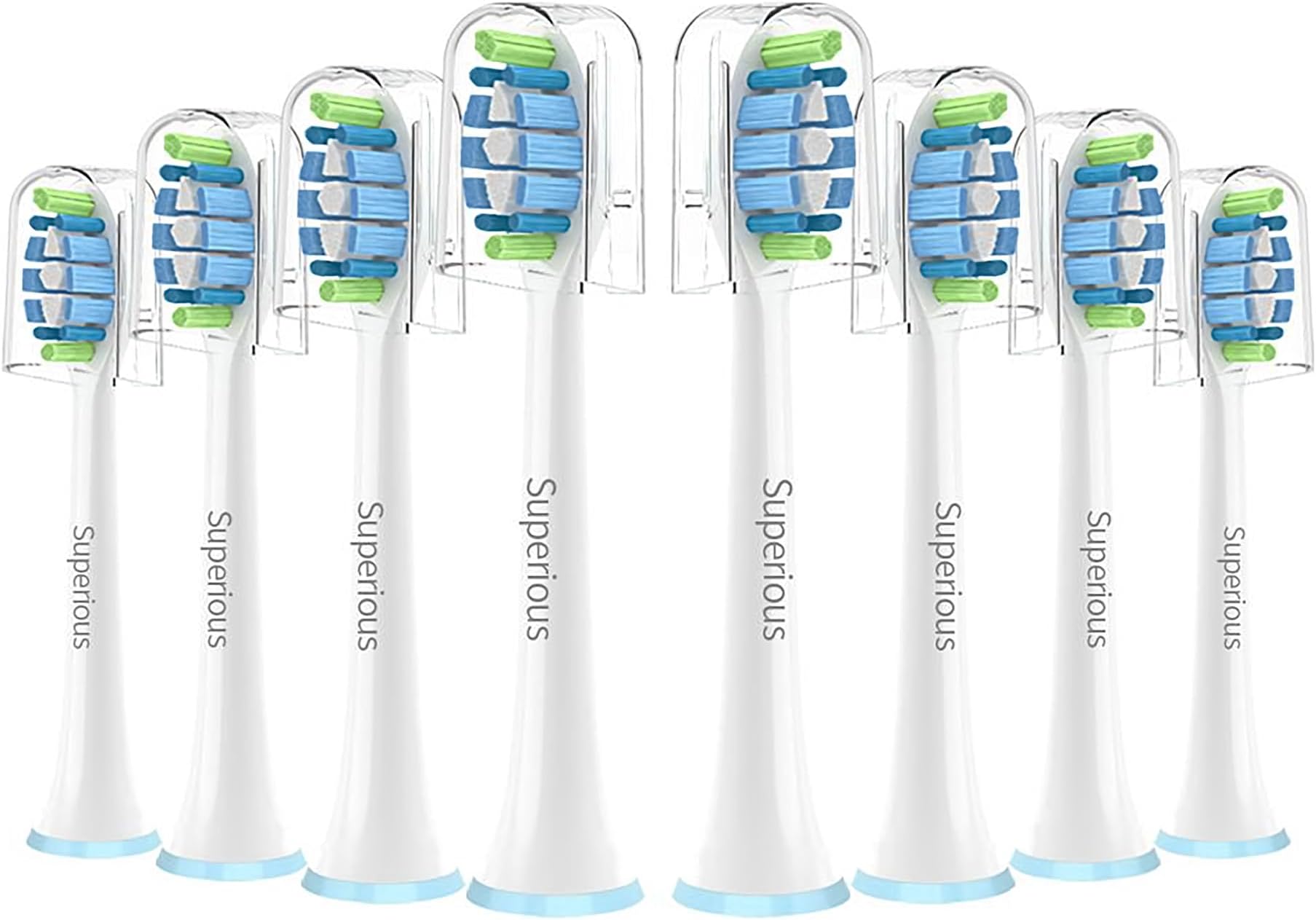
Culturally, this has birthed a thriving grey market of third-party manufacturers who claim universal compatibility. These knock-off heads, often found on e-commerce platforms for a fraction of the price, are a fascinating case study in risk versus reward. They fit, yes, but they often use cheap nylon that bends and splinters within weeks, and more critically, they lack the internal magnetic coil that communicates with the handle’s chip. Without that coil, the brush defaults to a "dumb" oscillation mode, negating the smart-timer features and the battery-saving power ramp-up. It’s a psychological trap: we are drawn to the savings, but we secretly know that our 200-dollar handle is being soiled by a 2-dollar imposter, creating a low-grade anxiety that undermines the entire "luxury self-care" narrative.
The most under-discussed aspect is the hygiene of interchangeability. Unlike manual toothbrushes, where you throw the whole thing away, the Sonicare handle is a permanent fixture that you expect to last years. The brush head becomes a replaceable organ, and the interface where the metal shaft meets the head is a notorious breeding ground for biofilm—a slimy consortium of bacteria, mold, and mineral deposits from your tap water. When you swap heads across different models, you are not just changing bristles; you are introducing new microbial ecosystems to a shared, wet, dark cavity. A head that fits loosely on a non-genuine handle can allow saliva to seep down into the drive shaft, leading to a foul odor and a degradation of the internal motor. Interchangeability, therefore, is not merely a mechanical convenience; it is a microbial transaction.
Navigating the Maze: Real-World Scenarios and Tactical Advice
Let’s get practical. Imagine you are a family of four, and you’ve bought a mix of Sonicare models over the years—a DiamondClean for the spouse, a ProtectiveClean for the teenager, and a second-hand older model from a garage sale. The immediate urge is to buy a bulk pack of generic heads and distribute them willy-nilly. Stop. The first actionable step is to check the color of the drive shaft on your handle. If the metal shaft is shiny silver and round, you have a modern (2015-present) model that is compatible with all current Philips heads. If the shaft is flat and rectangular, you have a legacy model (like the Sonicare Advance), and you are in a world of pain, as you can only find replacement heads from obscure third-party suppliers or the dusty corners of eBay. The rule of thumb is: if it was bought new after 2017, it’s almost certainly the standard interface.
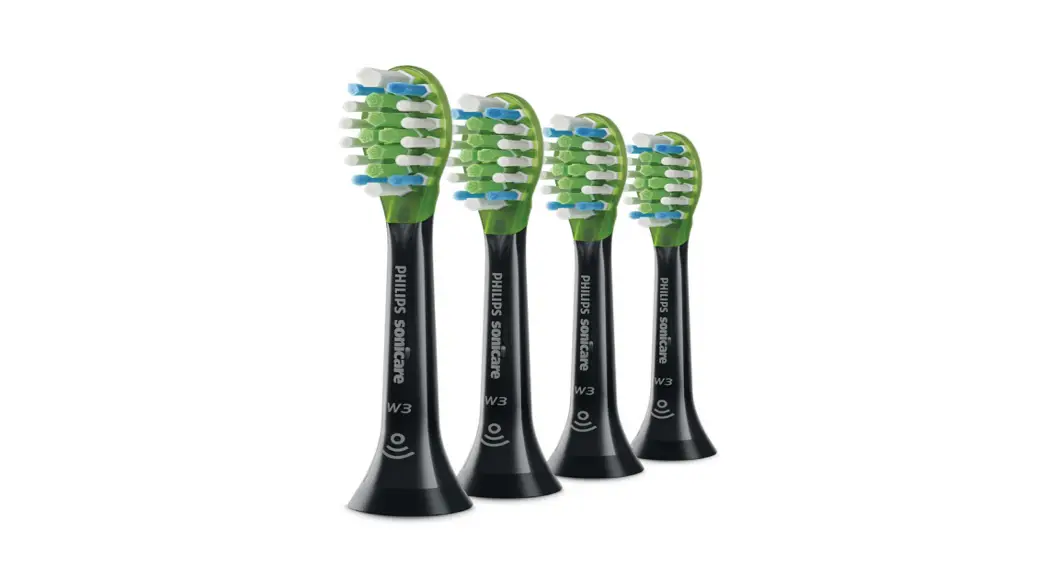
Scenario two: You travel frequently. You own a DiamondClean and a travel-capable EasyClean. The heads are physically identical, but here’s the kicker—the travel head (often the "Tough" head) has a silicone grip that adds bulk. Swapping this onto your DiamondClean is fine, but the travel head lacks the angled neck of the DiamondClean-specific "Premium" head, meaning you’ll have to reposition your hand to reach your molars. This is not a compatibility issue but an ergonomic one. The actionable takeaway is to assign specific heads to specific handles based on the head’s design intent, not just the snap fit. Use the "InterClean" head for under-bridge cleaning, but only on a handle with a high-frequency mode, otherwise, the interdental bristles won’t have enough power to dislodge debris.
Scenario three involves the budget-conscious student who buys a cheap Sonicare clone handle from a random brand. These clones often copy the modern Philips interface, meaning a genuine Philips head will fit. This is actually a viable strategy: buy a clone handle and throw on a genuine Philips head. You get the handle’s battery life at a discount, but the genuine head ensures your gums aren’t being lacerated by cheap plastic. Conversely, never put a clone head on a genuine high-end handle. The tolerance differences are minuscule (fractions of a millimeter), but in engineering, that micron-level slop translates into a 50% loss in cleaning efficiency because the head wobbles rather than vibrates. This is the fine art of "franken-brushing": knowing which components to mix and match.
Finally, consider the subscription trap. Philips offers a "head refill" service that sends you a new head every three months. Here, interchangeability turns into a logistical puzzle. If you have multiple handles, you need to manage various subscription slots, each with a specific head type. The dark fact is that subscription services are designed to override your memory, and many users end up with a pile of "Sensitive" heads they don't use while their "Premium Gum Care" head goes stale. My advice: ignore the subscriptions for variety, but use them for single-head households. For multi-user scenarios, buy individual, color-coded heads and physically label them with a permanent marker—this prevents cross-contamination and forces you to pay attention to which head is on which handle before you begin your two-minute ritual.
The Burning Questions: Sonicare Interchangeability Unplugged
Are all Philips Sonicare brush heads truly interchangeable across all models?
No, and this is the most common misconception. There are two distinct locking mechanisms in Sonicare’s history. The modern mechanism, introduced around 2015, features a flat, angled snap-fit design on the handle’s drive shaft. This fits almost all current models: DiamondClean, ProtectiveClean, EasyClean, and the 4100 series. However, the older "screw-fit" mechanism, found on models like the Sonicare Elite, FlexCare (first gen), and HealthyWhite, used a threaded collar that screwed onto the handle. These are not interchangeable with the modern snap-fit heads. If you attempt to force a modern head onto an old handle, you will either crack the handle’s housing or strip the internal motor gears. Always identify your handle's generation by the drive shaft shape before purchasing any replacement.
Beyond the physical lock, there is an electronic compatibility layer. Some high-end heads, like the "Gum Health" and "DiamondClean Smart" variants, contain a small RFID chip embedded in the plastic collar. This chip communicates with the handle to display usage data and adjust brushing intensity. If you place one of these smart heads on a low-end handle (like the EssentialClean), the chip is ignored, but the physical connection remains secure. Conversely, placing a standard head on a smart handle will work, but the handle will lose its "smart" tracking capabilities. So, while the physical interchangeability is high for modern models, the functional interchangeability is limited by what your specific handle can read and process.
Can I interchange third-party or knockoff heads with genuine Sonicare handles?
Technically, yes—a well-made third-party head will snap into a genuine handle. But you are playing a dangerous game of variance. Genuine Philips heads are manufactured to a tolerance of plus/minus 15 microns on the neck curvature. Third-party manufacturers, particularly those from overseas, often have tolerances of plus/minus 50 microns or worse. In practice, this means the head might fit tightly, but the bristle tip will be misaligned, causing uneven pressure on your enamel. More alarming is the material quality: counterfeit heads often use virgin-grade nylon that can harbor bacteria through microscopic cracks and shed bristles that you might swallow. The psychological toll is real—the paranoia of using a non-certified product often negates the cost savings. My advice is to stick to genuine Philips heads, but if you must go third-party, use them only on an old, spare handle that you consider disposable.
Does swapping different head types (e.g., CrossFit to Sensitive) damage the handle motor?
No, it will not physically damage the motor, but it will affect the load on the battery and the vibration pattern. The Sonicare motor uses a magnetic suspension system that is remarkably robust. However, the amplitude of vibration is tuned to the default head mass. A "CrossFit" head is dense and stiff, causing the motor to work harder to maintain its stroke count, which can drain the battery faster and cause the handle to vibrate less. A "Sensitive" head is lighter and flexible, allowing for a higher stroke frequency, which can make the motor spin faster than the onboard chip is programmed for, potentially causing overheating in rare, prolonged use cases. The motor won't fail, but you will notice a difference in the "feel." Frequent swapping between extremes can also cause the internal gasket to wear unevenly, which could reduce water resistance over a period of years.
How often should I change the head, and does that frequency change with interchangeability?
The standard recommendation from Philips is every three months, or sooner if the bristles splay outward. However, if you are mixing and matching heads across handles, you need to track usage differently. The brush heads do not have a memory; the handle tracks time used for that specific head only if it has the chip. For non-smart heads, you must rely on visual cues. If you alternate between two heads on the same handle, you might be inadvertently using one head for six months before you notice the bristle fatigue. A practical trick: mark the head with a date using a permanent marker on the plastic base. Once you start interchanging, you lose the automatic two-minute countdown memory, so manual tracking is your only defense against gum recession caused by worn, stiff bristles.
Is there a difference in cleaning efficiency between a "DiamondClean" head and a "ProtectiveClean" head on the same handle?
Yes, significant differences exist, and this is where interchangeability becomes a science. The DiamondClean head is uniform and features a standard "cross-action" bristle pattern, ideal for general plaque removal across a wide surface area. In contrast, the ProtectiveClean head (often packaged with the handle of the same name) is designed with a flexible neck, which reduces the force transmitted to the gums by up to 20%. If you place a DiamondClean head on a ProtectiveClean handle, you immediately lose the handle’s "pressure sensor" technology's effectiveness because the rigid head transmits force directly to the sensor, causing it to overreact and vibrate weakly, thinking you are pressing too hard. Conversely, a ProtectiveClean head on a DiamondClean handle gives a softer, more forgiving clean but lacks the aggressive scrubbing power. For maximum efficiency, match the head type to the handle's advertised feature set.

In the broader tapestry of daily life, the sonicare head interchangeability debate is a microcosm of our relationship with technology and obsolescence. We crave modularity—the promise that we can upgrade and tweak our tools without discarding the core—yet we are faced with corporate walls designed to make us buy new units. Our human nature is to hoard, to combine, to make things work even when they shouldn't. The moment you stand in the drugstore aisle, squinting at the back of a box to check for "compatibility," you are engaging in an ancient act of negotiation with a faceless manufacturer. We want the convenience of a universal standard, but we also want the prestige of a luxury product. This tension is the price of progress.
Yet, when you strip away the marketing jargon and the RFID chips, the practice of swapping heads is a reminder of the value of maintenance over replacement. In a world hell-bent on disposable everything, the act of carefully choosing a brush head, snapping it onto a handle you’ve owned for five years, and getting a perfect clean is a small rebellion against the throwaway culture. It forces you to understand your own biomechanics—the curvature of your teeth, the tenderness of your gums—and to apply that knowledge in under two minutes, twice a day. The handle is just a battery; the head is the scalpel. Understanding their nuanced relationship is a quiet form of self-mastery.
Ultimately, the question "Are Sonicare heads interchangeable?" is less about engineering and more about autonomy. It’s about carving out a space in a brand's ecosystem where your choices still matter. Perhaps the most profound insight is that the brush head is a universal symbol of renewal—a small, plastic object that we throw away to signify that we are taking care of ourselves. So, the next time you swap that tired, frayed head for a fresh one, regardless of which handle it graces, remember that you are not just cleaning your teeth; you are performing an act of faith in the future, ensuring that you’ll have a mouthful of healthy enamel to greet the morning. And that, in any language, is worth the 10-second research.