How To Have Really Good Sex

The pursuit of fulfilling and satisfying sex is a fundamental aspect of human experience, deeply intertwined with our emotional, psychological, and physical well-being. At its core, the desire for good sex stems from our innate need for connection, intimacy, and pleasure. Our brains are wired to respond to these needs, releasing a cocktail of neurotransmitters and hormones that reinforce positive experiences and motivate us to seek them out. In today's fast-paced, often stressful world, the importance of nurturing our sexual health and relationships cannot be overstated. It is through exploring and understanding the psychological roots of our desires, fears, and expectations that we can begin to unlock the doors to truly satisfying and meaningful sexual experiences.
As we navigate the complexities of modern life, it's easy to overlook the profound impact that sex can have on our mental health and personal growth. The relationship between sex and our sense of self-worth, confidence, and emotional resilience is intricate and bidirectional. On one hand, positive sexual experiences can enhance our self-esteem, foster deeper connections with our partners, and even alleviate symptoms of anxiety and depression. On the other hand, negative experiences, fears, and anxieties related to sex can lead to feelings of inadequacy, low self-esteem, and strained relationships. By acknowledging and addressing these psychological aspects, we can work towards creating a healthier, more positive association with sex and our bodies, leading to a more balanced and fulfilling life.
Unlocking the Psychological Complexity
The journey to having really good sex begins with understanding the hidden emotional triggers, cognitive biases, and mental hurdles that we all face. For many, the fear of vulnerability, rejection, or not meeting expectations can be overwhelming, leading to anxiety, performance pressure, and ultimately, dissatisfaction. These fears are deeply rooted in our human need for validation and acceptance. The fear of being vulnerable, for instance, stems from the risk of emotional hurt or rejection, which our brains perceive as threats to our well-being. By acknowledging these fears and understanding that they are natural, we can start to dismantle the barriers that prevent us from fully embracing our sexual experiences.
Must Read
Cognitive biases also play a significant role in shaping our sexual experiences. The tendency to overthink, criticize, or Have unrealistically high expectations can sabotage even the most promising encounters. These biases are often grounded in societal pressures, past experiences, or internalized messages about what sex should be. For example, the media's portrayal of perfect bodies and flawless sexual performances can create unattainable standards, leading to feelings of inadequacy and low self-esteem. Recognizing and challenging these biases is crucial for developing a healthier, more realistic understanding of sex and our expectations from it.
Moreover, the mental hurdles associated with sex, such as body image issues, past traumas, or sexual dysfunctions, can significantly impact one's ability to enjoy and engage in fulfilling sexual experiences. These challenges require empathy, patience, and a willingness to address the root causes. For individuals dealing with body image issues, for instance, the journey towards self-acceptance and self-love is paramount. This might involve fostering a more positive body image through self-care practices, therapy, or support groups. Similarly, those who have experienced trauma may need to work through their feelings with a therapist or trusted partner, focusing on rebuilding trust and establishing boundaries that feel safe and comfortable.
Cultivating a Mindset for Fulfilling Sex
Developing a mindset that fosters fulfilling sex involves a combination of self-reflection, communication, and intentional practice. One of the most powerful tools is self-awareness, which involves understanding your desires, boundaries, and emotional needs. This can be cultivated through journaling, meditation, or simply taking the time to reflect on your experiences and feelings. Being aware of what you want and need allows you to communicate more effectively with your partner, creating a foundation for mutual understanding and respect.

Communication is another critical component, serving as the bridge between your internal world and your external experiences. Open, honest, and vulnerable communication with your partner about your desires, fears, and expectations can significantly enhance your sexual experiences. This means creating a safe space where both parties feel heard, validated, and comfortable expressing themselves. It's about listening actively and responding empathetically, fostering a deep sense of connection and trust.
Establishing a pre-sex routine can also be incredibly beneficial, as it helps in transitioning from the stresses of daily life into a more relaxed and intimate state. This could involve anything from reading together, giving each other massages, or simply spending quality time in each other's presence. The goal is to create a buffer zone that signals the body and mind that it's time to let go of tension and embrace intimacy.
Lastly, embracing mindfulness and being present in the moment can revolutionize your sexual experiences. Practicing mindfulness involves focusing on the sensations, feelings, and experiences of the present, without judgment. This can help in overcoming performance anxiety, enjoying the process rather than focusing on the outcome, and deepening the connection with your partner. Mindfulness practices, such as breathing exercises or sensual meditation, can be particularly useful in this regard, helping you stay grounded and fully engaged in your sexual encounters.
Frequently Asked Questions
How Can I Overcome My Fear of Intimacy?
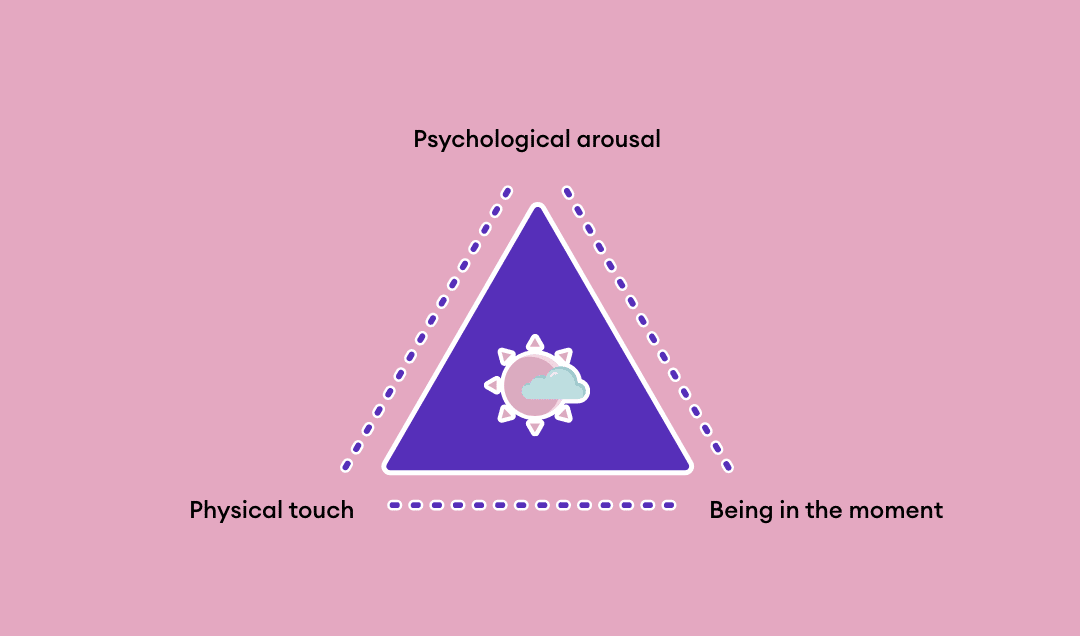
Overcoming the fear of intimacy is a deeply personal and often challenging journey. It begins with acknowledging the fear and understanding its sources. This could stem from past experiences, fear of loss of personal space, or deep-seated beliefs about intimacy. Once acknowledged, the process involves gradual and controlled exposure to intimacy, starting from small steps such as emotional openness, physical touch, and gradually moving towards more intimate encounters. This should be done at a pace that feels comfortable and safe for you, possibly with the support of a therapist or a trusted partner. Empathy and self-compassion are key during this process, as it's essential to be kind and understanding with yourself as you navigate these challenging emotions.

The role of communication cannot be overstated. Talking openly with your partner about your fears, boundaries, and desires can help in building trust and understanding, making the journey towards intimacy less daunting. It's also important to recognize that overcoming the fear of intimacy is not about eradicating the fear entirely but about learning to navigate it in a way that allows for meaningful and fulfilling connections with others. With patience, support, and a willingness to confront these fears, it's possible to develop a healthier relationship with intimacy and enjoy deeper, more satisfying connections.
What If My Partner and I Have Different Libidos?
Differences in libido are common and can be navigated with open communication and a willingness to find compromises that work for both partners. It's essential to understand that libido can fluctuate due to various factors, including stress, health issues, and life changes. The first step is to have an honest conversation about your desires, needs, and any challenges you're facing. This conversation should be approached with empathy and without judgment, recognizing that both partners have valid feelings and needs. Finding a middle ground might involve scheduling intimate time, exploring different types of intimacy that meet both partners' needs, or seeking professional help to address any underlying issues that may be affecting libido.
It's also crucial to focus on the quality of your sexual experiences rather than the quantity. This might involve experimenting with different forms of intimacy, such as emotional connection, sensual touch, or shared activities, that can enhance your relationship and meet both partners' needs for closeness and physical expression. Remember, every relationship is unique, and what works for one couple may not work for another. The key is to be flexible, patient, and committed to finding solutions that nurture your connection and satisfy both partners' desires.
How Do I Know If I'm Ready for Sex?
Deciding if you're ready for sex is a personal decision that involves considering your emotional, physical, and mental readiness. It's a decision that should be based on your own desires, values, and boundaries, rather than external pressures or expectations. Reflecting on your reasons for wanting to engage in sex is a good starting point. Are you feeling pressured, or is it a genuine desire? Understanding your motivations can help clarify your decision. Additionally, considering whether you feel emotionally ready to handle the potential outcomes of sexual activity, including the possibility of forming deep emotional bonds or dealing with the aftermath of a casual encounter, is crucial.
Communicating with your partner about your feelings, boundaries, and expectations is also vital. This includes discussing consent, safety, and what you are and aren't comfortable with. Having open and honest conversations can help ensure that both parties are on the same page and can navigate the experience with mutual respect and understanding. Ultimately, being ready for sex means being in a place where you can make an informed decision that respects your own needs and boundaries, and where you feel prepared to handle the emotional and physical implications of your choice.
Can Sex Therapy Be Helpful?
Sex therapy can be incredibly beneficial for individuals and couples facing sexual issues or looking to enhance their sexual experiences. A sex therapist is trained to address a wide range of sexual concerns, from sexual dysfunctions and desire discrepancies to intimacy issues and sexual trauma. Through counseling and education, sex therapists provide strategies and techniques to overcome sexual challenges, improve communication, and foster a healthier and more positive attitude towards sex. The goal of sex therapy is not only to resolve specific sexual issues but also to promote overall sexual well-being and enhance the quality of sexual relationships.
The process of sex therapy is highly individualized and may involve both partners if it's a couple seeking therapy. It begins with an assessment of the sexual concern, followed by the development of a personalized plan that addresses the root causes of the issue. This could involve sensate focus exercises to enhance sensual awareness, cognitive-behavioral techniques to challenge negative thoughts and beliefs, or communication skills training to improve intimacy and sexual satisfaction. Sex therapy is a safe, confidential, and non-judgmental space to explore and understand your sexuality, leading to more fulfilling and satisfying sexual experiences.

How Can I Maintain a Healthy Sex Life in a Long-Term Relationship?
Maintaining a healthy sex life in a long-term relationship requires effort, commitment, and a willingness to evolve and adapt together. Communication remains key, as it allows you to express your changing desires, needs, and concerns. Regularly checking in with each other about your sexual satisfaction, preferences, and any issues that arise can help prevent misunderstandings and ensure that both partners feel heard and valued. Additionally, scheduling intimacy can be helpful, as it prioritizes your sexual connection amidst the busy schedules and demands of daily life.
Keeping things fresh is also important. This could involve exploring new sexual activities, trying different settings or scenarios, or simply making an effort to regularly surprise and delight each other. The goal is to maintain a sense of excitement and novelty, which can help keep the spark alive. Furthermore, emotional intimacy and connection outside of the bedroom are crucial. Nurturing your emotional bond through shared activities, meaningful conversations, and displays of affection can enhance your sexual relationship, as it fosters a deeper sense of trust, understanding, and connection.
As we reflect on the journey towards having really good sex, it becomes clear that this pursuit is deeply intertwined with our overall well-being and personal growth. By acknowledging and addressing the psychological, emotional, and mental aspects of our sexuality, we can work towards creating a healthier, more positive relationship with sex and our bodies. This involves embracing self-awareness, communication, and intimacy as foundational elements of fulfilling sexual experiences. It's about recognizing that sex is not just a physical act but a profound expression of human connection, intimacy, and love.
The impact of mastering this aspect of our lives cannot be overstated. It leads to deeper, more meaningful connections with our partners, enhanced self-esteem, and a more positive body image. It's about cultivating a sense of self-love and acceptance, recognizing that our worth and attractiveness extend far beyond our sexual abilities. By nurturing our sexual health and relationships, we open the door to a more balanced, fulfilling, and joyful human experience. It's a journey that requires patience, empathy, and understanding but one that is profoundly worth it, leading to a richer, more satisfying life that celebrates the beauty and complexity of human sexuality.