How Much Is A Us Dollar Coin Worth

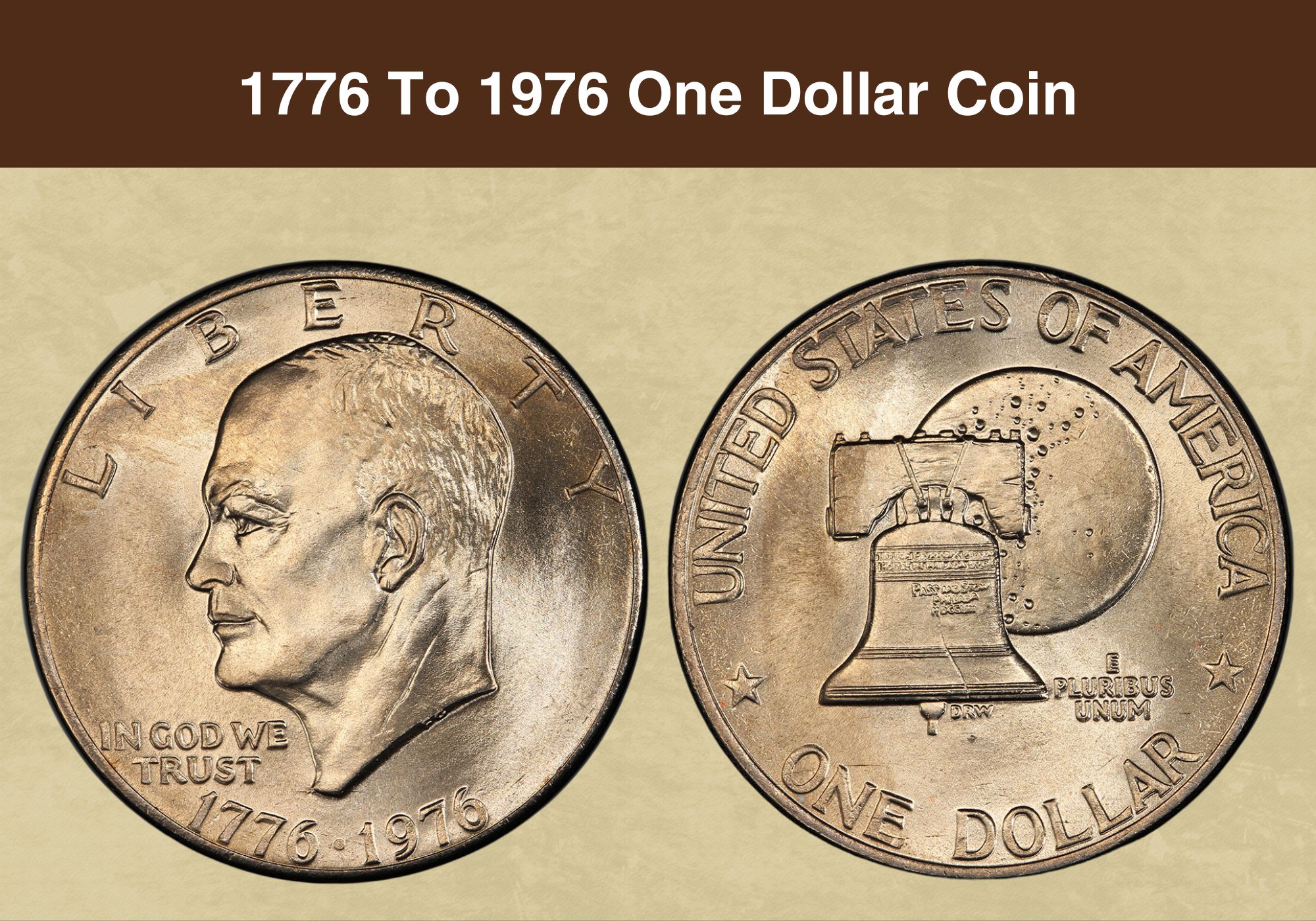
So, the other day I’m cleaning out my car, right? And under the seat, I find a single, lonely dollar coin. Not the Sacagawea one, but the older, chunkier Susan B. Anthony. My first thought wasn't "cool, free money," it was "wait, is this even legal tender anymore?" And then, because I’m me, my second thought was, "Huh, I wonder if this thing is worth more than a buck."
That dusty little coin got me thinking, and now I’m here to tell you: the answer is a glorious, complicated, and sometimes disappointing "it depends." You’d think a coin with a dollar on it would be worth, you know, a dollar. But numismatics—the fancy word for coin collecting—loves to throw a wrench in the works.
Let’s break it down, shall we? Because I promise, it’s more interesting than finding lint in your pocket.
Must Read
The "It's Just a Dollar" Reality
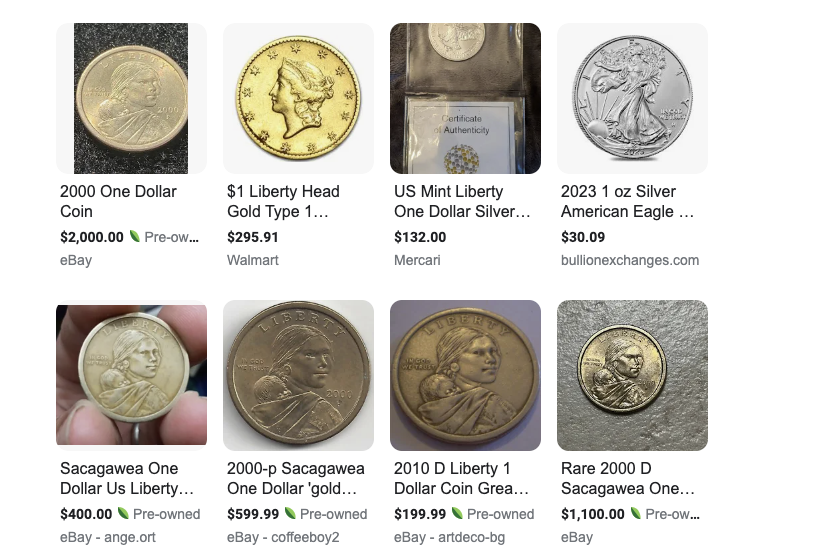
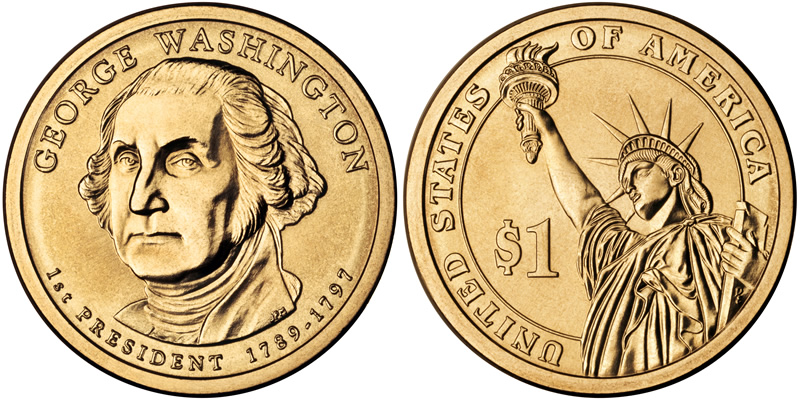
First, the boring truth. The vast majority of dollar coins sitting in your change jar, in a vending machine, or under your car seat are worth exactly one dollar. Yes, really. The U.S. Mint has churned out billions of these things—Sacagawea, Presidential, American Innovation—and they’re not rare. At all.
Unless you’re staring at a coin with a major error, a weird mint mark, or a flawless, mirror-like finish, you’re holding a buck. I know, it’s anticlimactic. But hey, it’s still a dollar! You can buy a gumball, maybe two if you find a good sale.

So why do people hoard them? Because they look cool, and because the government keeps trying to make them a thing that never quite catches on. We’re a paper-bill nation, folks. Deal with it.
When It Gets Juicy: The Silver Dollars
Now, here’s where the fun begins. If you’re talking about the Morgan Dollar or the Peace Dollar—the big, heavy, silver ones from the late 1800s and early 1900s—things get spicy. These aren't just currency; they’re literal chunks of silver with a history.
The melt value alone—meaning the value of the silver inside—is usually way more than a dollar. Depending on the silver market, a common-date Morgan could be worth $25 to $40 right now. Your grandpa’s coin collection isn’t just nostalgia; it’s a small metal hedge against inflation.
But wait, there’s a catch. Condition is everything. A worn-down, scratched-up Morgan is worth the silver. A coin that looks like it just left the mint in 1889? Now you’re talking hundreds, sometimes thousands, of dollars. It’s like comparing a beat-up used car to a garage-kept classic.
And if you find a rare date—like the infamous 1893-S Morgan—you might need to sit down. We’re talking six figures for a top-grade example. Six. Figures. For a coin that once bought you a loaf of bread.
The Modern "Golden" Ones (That Aren't Gold)
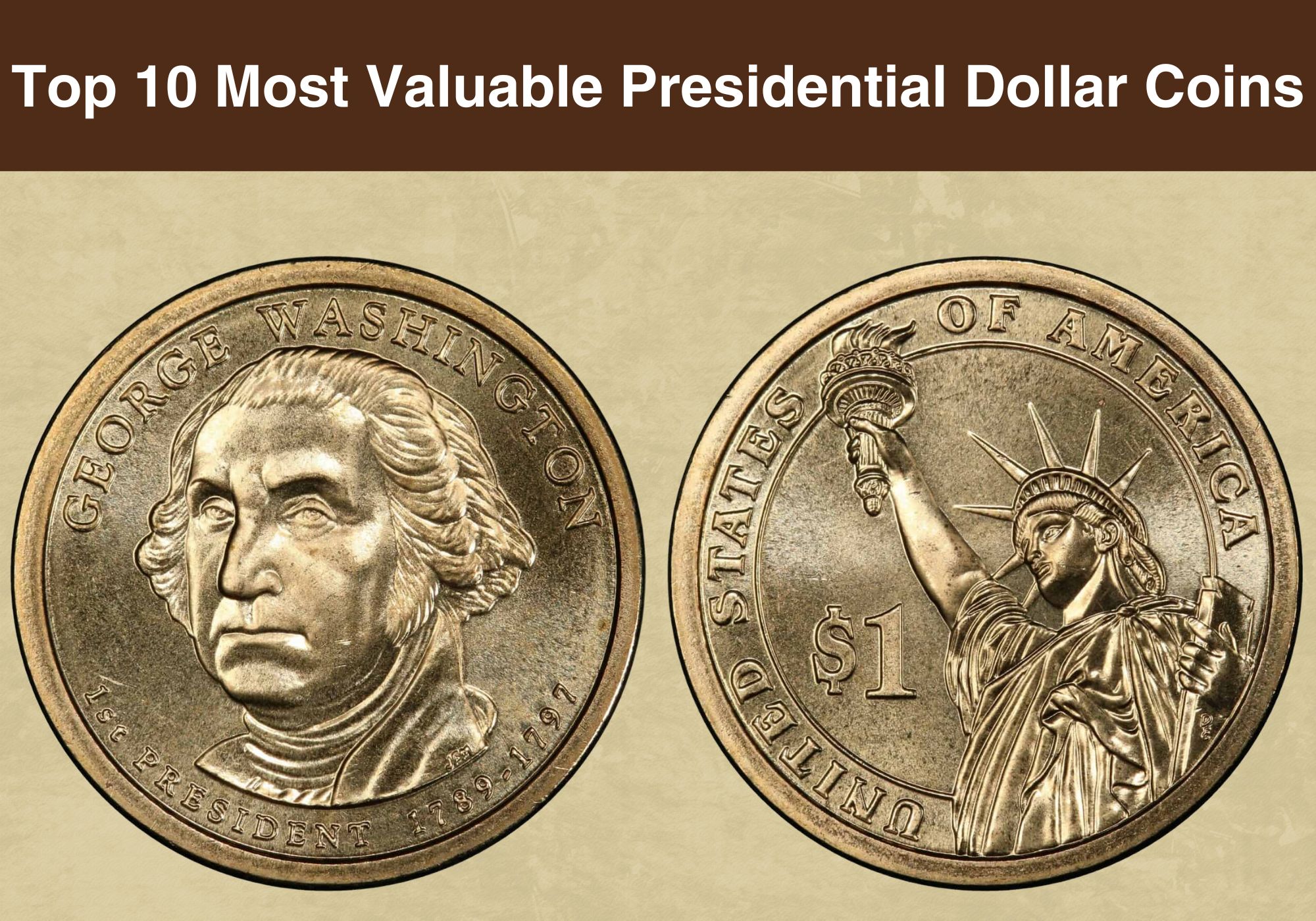
Let’s circle back to those Sacagawea and Presidential coins I mentioned. They look gold, but they’re actually a copper-zinc-manganese blend. A standard one in pocket change? Face value. One dollar. Period.
However, there’s a fun little niche: the "Cheerios" dollar. In 2000, the Mint put special Sacagawea coins in boxes of Cheerios as a promotion. A few of them have a slightly different eagle design on the reverse. If you have one of those, and you can prove it? You could be looking at a few hundred bucks.
Same goes for coins with mint errors—like a missing letter, a double-strike, or a weird die crack. The “Godless” dollar coin from 2007, missing the “In God We Trust” text, is a great example. It’s a mistake, and mistakes are valuable to collectors. Ironically, the flawed ones are worth more than the perfect ones.
The "Proof" and "Uncirculated" Trap
You might buy a shiny, brilliant dollar coin from the U.S. Mint’s website for $2.50. It’s got a mirror finish, it’s in a plastic case, and it looks gorgeous. You think, "This is going to be worth something someday!"

Nope. The Mint sells those at a premium for a reason. There are millions of them. They’re collectible, sure, but they’re not rare. Your "proof" coin is worth maybe $3 to $5. It’s not a retirement plan. It’s a shiny piece of metal that makes you feel sophisticated.
So how much is a US dollar coin worth? The honest answer is: it’s worth whatever someone else is willing to pay. And for 99% of them, that's a single greenback.
But the fun is in the hunt. That 1% chance you find a rare date, a silver beauty, or a mint’s little "oopsie"—that’s the good stuff. So go ahead, check your couch cushions. You never know. But also, don’t quit your day job over a coin. I’m just saying.