
Yeast Infection Itchy After Monistat

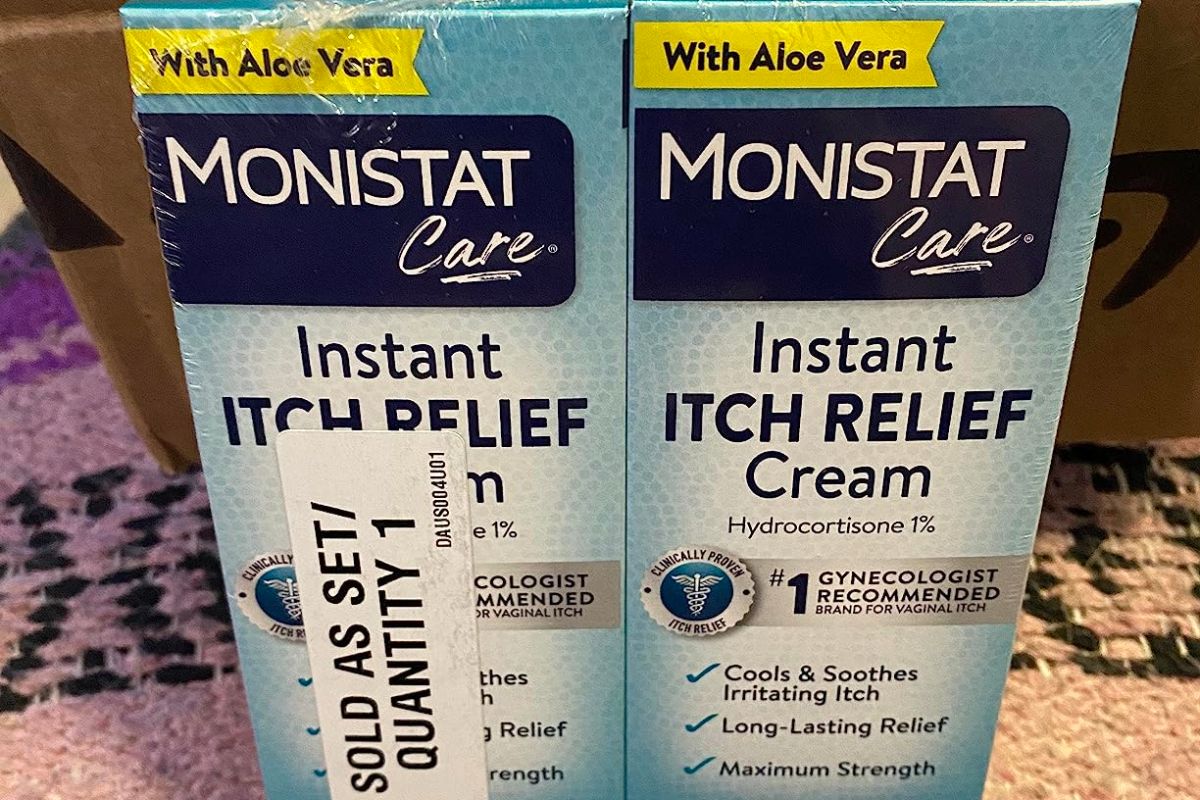
There is a particular, uniquely maddening form of isolation that arrives with a persistent itch. It is not the kind you can scratch in public, nor the kind that a glass of water or a deep breath can soothe. When you have applied Monistat, that promised beacon of relief, only to find the burning and itching intensifying, a profound psychological shift occurs. The physical sensation becomes a loud, disruptive voice in the quiet of your own body, and your mind, desperate for control, begins to spiral into a narrative of betrayal—not just by the medication, but by your own biology. This experience, though intensely personal and often private, is a profound lesson in the disconnect between our expectation of instant healing and the messy, non-linear reality of the human body.
Our brains are wired for pattern recognition and problem-solving. When we feel discomfort, we seek a cause and a cure. Monistat is the cultural shorthand for "cure," so when the itch persists or worsens, our cognitive framework shatters. The brain interprets this not as a simple pharmacological side effect or an inadequate response, but as a personal failure. We internalize the illness, feeling dirty, broken, or somehow 'other.' This modern relevance is amplified by the digital age, where a quick search yields a cacophony of horror stories and conflicting advice, leaving you more anxious and isolated than before. The bathroom floor, where you sit in quiet frustration, becomes a stage for a deep, internal monologue about self-worth and bodily autonomy.
The Emotional Vortex of Itching and Blaming
The first hidden emotional trigger is self-blame. In the days following the Monistat application, as the itch refuses to subside, you might find yourself replaying your actions like a forensic investigator. Did I not insert the suppository deep enough? Did I eat too much sugar? Am I stressed? This cognitive bias, known as the "just-world hypothesis," leads us to believe that if we do everything right, we will get a right result. When the result is wrong, we assume we must have done something wrong. This is rarely the case. The yeast overgrowth might be resistant to the azole class of drugs, or the tissue is so inflamed that the medication itself acts as an irritant. Yet, the mind rejects this clinical truth, preferring the familiar, albeit painful, comfort of personal culpability.
Must Read
Another layer is the sensation of losing control. Itching is an urge, a primal command from the nervous system that demands immediate action. When you cannot act on it, or when scratching only makes the burning worse, you are locked in a battle with your own instincts. This creates a low-grade panic that can permeate your entire day. You become hyper-vigilant, monitoring every twinge and tingle, your focus narrowing until the rest of the world—work, relationships, joy—fades into a hazy background. This hyper-awareness is a survival mechanism, but in this context, it only amplifies the perception of the itch, creating a feedback loop of anxiety and physical distress.
Finally, there is the shame of the "broken promise". Monistat is often purchased with a sense of desperation and hope. When that hope is dashed, a grief response occurs. You are mourning the expectation of a swift return to normalcy. This grief is compounded by the fact that you cannot openly discuss it. Vaginal health is still cloaked in taboo, so you suffer in silence, nodding along at dinner while internally you are fixated on a fire that won’t go out. This isolation is the most corrosive element, as it removes the social support that is crucial for psychological resilience. You feel like a soldier alone in a foxhole, with your own body as the enemy.
Navigating the Fire: A Mindful Path to Relief
When the itch persists, the first and most compassionate action is to stop the war with your body. Instead of viewing the continued itch as a sign of personal failure, reframe it as data. Say to yourself, "This is not working. What is my body trying to tell me?" This shifts the narrative from "I am broken" to "I need a different strategy." Acknowledge the frustration, but do not let it define your identity. Remember that your body is not betraying you; it is fighting a multi-faceted battle, and sometimes, the weapons we choose are not compatible with the terrain.

Next, engage in a radical acceptance of the present moment. The itch is present. But you are more than the itch. Use a grounding technique: feel your feet on the floor, notice the temperature of the air, and listen to the ambient sounds around you. This sounds simple, but it is a powerful way to break the neural loop that tells you the itch is all-consuming. You can also use a cold compress (externally only, never internally) or a cool sitz bath. The cold shock can interrupt the nerve signals sending the itch message, giving you a physical reprieve that also quiets the mental alarm bells. This physical reset is crucial for mental clarity.
It is vital to seek professional validation, not just medical treatment. A call or visit to your healthcare provider is not an admission of defeat; it is an act of aggressive self-care. When you speak to them, do not just describe the physical symptoms. Tell them about the anxiety, the sleeplessness, the dread. A good practitioner will validate your psychological distress alongside the physical. They might prescribe a different antifungal, like a boric acid suppository or an oral medication, but they can also give you permission to stop blaming yourself. This professional endorsement is often the key that unlocks the cage of shame you have built around yourself.
Finally, create a compassionate physical and digital environment. Wear loose, breathable cotton underwear. Discard the spandex leggings. Forgive yourself for the extra glass of wine or the stressful week; stress hormones (cortisol) are known to feed yeast, so be gentle with your nervous system. And crucially, step away from Dr. Google. Stop reading about other people's horror stories. Curate your information only from verified medical sources. For your mental well-being, swap the search bar for a journal. Write down every anxious thought that surfaces about the itch. Writing externalizes the thought, giving you a sense of agency over it, rather than it having agency over you.
Frequently Asked Questions: The Mental Health Roadmap
Why do I feel so anxious and depressed when the Monistat doesn't work?
The anxiety is a direct result of the mismatch between expectation and reality. Your brain invested in a plan (use Monistat) that failed. This triggers the brain's "error detection" system, which floods your system with stress hormones to alert you to the problem. Because the problem is internal and intensely personal, the mind interprets the threat as existential. You are not just anxious about the itch; you are anxious about the loss of control over your own vessel. The depression often follows when you realize you cannot "think" your way out of this physical state, leading to a feeling of helplessness. It is crucial to understand that these feelings are a normal neurological response to a chronic, unrelenting physical stimulus, not a sign of psychological weakness.

The emotional weight is further magnified by the gendered and sexualized nature of the area. Our culture associates the vagina with cleanliness, pleasure, and femininity. A raging infection, and the subsequent treatment failure, challenges these core identities. You may feel unfeminine, 'gross,' or sexually undesirable. These feelings are deep-seated societal imprints, and battling them on top of the physical pain is exhausting. Recognizing that these are societal constructs—not biological truths—is the first step toward unburdening yourself. You are not your infection, and your value is not tied to the state of your microbiome.
Is it normal to feel like the itch is "all in my head" after the doctor says I'm fine?
When a doctor says "you're fine" but you still feel the itch, a profound gaslighting effect can occur. You begin to doubt your own sensory experiences, which is terrifying. This is a common phenomenon called "sensory amplification." Even if the infection has cleared, the nerve endings in the vaginal area can remain hyper-sensitized for weeks. This is called vulvodynia or neuropathic irritation. The pain is real; it has a biological basis in the nerve pathways. It is not "psychological" in the sense of being imaginary, but it is influenced by your central nervous system's alarm system, which is still on high alert.
Mentally, this breeds mistrust—in your body, but also in the medical establishment. You feel like a hypochondriac, yet you have concrete, visceral symptoms. The path forward here is to validate your experience. Tell yourself, "My nerves are irritated, and that is a real, treatable condition." Seek a pelvic floor physical therapist or a vulvar pain specialist. They understand that phantom sensations are real sensations. By giving your "phantom" itch a clinical name and a physical explanation, you reclaim the narrative. You are not crazy; you are sensitized, and that is a physiological state that can be healed with time, pelvic floor relaxation techniques, and often, desensitization creams that are different from antifungals.

How do I stop obsessing over the itch during the day?
Obsession is a byproduct of fear. You are afraid the itch will never end, so your brain keeps it at the forefront of your consciousness to solve the problem. To stop this, you must implement a structured "worry time" ritual. Schedule 10 minutes a day, at the exact same time, to focus entirely on the itch. During this time, you can scratch (externally through clothing only), examine it, and complain. When the 10 minutes are up, you must physically close the door on that worry. If the thought intrudes later, you say to yourself, "I have a designated time for this; I will address it then." This trains your brain to delay the response, creating a mental "parking lot" for the anxiety.
Secondly, you need to physically engage your hands and mind in incompatible activities. If you are sitting at a desk, keep a stress ball or a fidget spinner. When you feel the urge to focus on the itch, squeeze the ball with intense pressure. This "competing response" gives your nervous system a safe, neutral output for the energy. Additionally, engage in activities that require high cognitive load—like solving a puzzle, learning a language, or having a deep conversation. Your brain cannot ruminate on the itch while it is actively problem-solving a complex task. You are gently redirecting the neural traffic away from the itch and toward productivity and engagement.
Can I ever trust my body again after this experience?
Trust, after a betrayal, is hard-earned. You feel your body has stabbed you in the back. Rebuilding trust starts with tiny, non-medical interactions. Take a warm bath and consciously thank your body for keeping your heart beating, your lungs breathing, and your mind thinking. Focus on the parts of your body that are working. This is called "body neutrality." You don't have to love your body right now; you just have to recognize it as a complex system that is doing its best under duress. This step is vital to move away from the feeling of being "trapped" inside a broken shell.
Next, you must re-establish a partnership. Ask your body what it needs, and listen for an answer. Does it need rest? Give it rest. Does it need movement? Give it a gentle walk. Does it need nourishment? Give it water and fresh food. This is not about controlling the body; it is about collaborating with it. When you feel the itch, instead of hating that part of you, place a hand over your heart and say, "I hear you. I am here. We will figure this out together." This compassionate dialogue re-wires the relationship from adversarial to supportive. Over time, as the symptoms resolve, you will emerge with a deeper, more profound respect for your body's resilience and its ability to communicate with you, even if its method of communication is often frustratingly loud.
How do I handle the fear of the itch returning?
The fear of recurrence is a ghost that lingers long after the physical symptoms fade. This is a classic anxiety response to a traumatic physical event. To combat this, you must shift from a state of "vigilance" to a state of "preparedness." Preparation is proactive; vigilance is reactive. Create a "rescue plan" on paper. Write down the first signs of trouble (e.g., unusual discharge, slight tingle). Then, write down your first steps (e.g., cut out sugar for 48 hours, wear breathable cotton, and call the doctor immediately). Having a plan reduces the uncertainty that feeds anxiety.
Furthermore, you need to decouple the itch from the emotional catastrophe. The next time you feel a minor itch, do not immediately catastrophize. Say, "It's just a sensation. It might be laundry detergent. It might be friction. I will observe it without judgment." By practicing mindfulness regarding minor sensations, you train your brain to be a calm observer rather than a frantic alarmist. This will help you break the cycle of panic. Trust that you have survived this once; you have the tools, the knowledge, and the self-compassion to handle it again if it ever arises. That confidence is the ultimate antidote to fear.
Emerging from this crucible of fire, you are not the same person who bought that first box of Monistat. You have traversed a landscape of doubt, shame, and physical discomfort that has forced you to confront the boundaries of your control. The primary lesson is not about yeast or antifungals; it is about the art of surrender. You learn that healing is not a straight line, and that sometimes, the path to wellness involves a period of walking blindly through the dark, trusting that your body, though imperfect, is designed to survive. This mastery over your own mental chatter—the ability to sit with discomfort without being consumed by it—is a superpower that translates far beyond the bathroom floor.
Ultimately, this experience gifts you with a profound, gritty empathy for anyone living with a chronic condition, visible or invisible. You learn that true self-care is not about perfection, but about self-forgiveness. You develop a thicker skin, even as your sensitive tissue heals. You become a person who knows that wellness is not a destination, but a dynamic, ever-shifting negotiation between your mind and your body. And in that negotiation, you learn to speak up for yourself—to doctors, to partners, and most importantly, to the voice inside your head that tells you that you are less than. You are not less. You are a human, beautifully, achingly, and powerfully so, navigating the wild terrain of your own existence with a new, hard-won grace.


