What Degree Do You Need To Be An Investigator
Hey there, future detective! If you're curious about what it takes to become an investigator, you're in the right place. Let's dive into the world of investigation and explore the degrees that can help you crack the case!
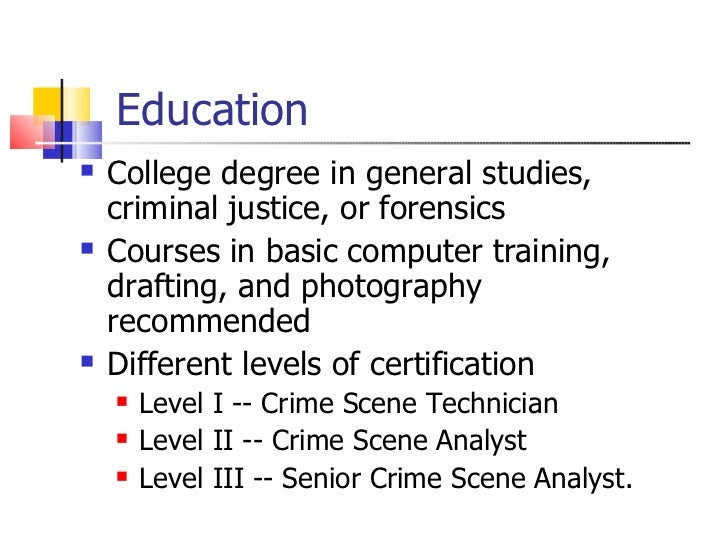
So, what degree do you need to be an investigator? Well, it's not a magic wand that makes you an instant detective, but a solid education in a related field can definitely help. A bachelor's degree in fields like criminal justice, criminology, or forensic science can be a great starting point.
The Basics
In most cases, investigators start their careers with a bachelor's degree in a field related to investigation, such as criminal justice or criminology. These programs usually take four years to complete and cover the basics of investigation, including forensic science, law enforcement, and criminal law. It's like getting a superhero cape – it doesn't make you invincible, but it gives you the powers you need to save the day!
Must Read
Some investigators may also choose to pursue a master's degree in a related field, which can take an additional two to three years to complete. A master's degree can be beneficial for those who want to specialize in a particular area of investigation, such as cybercrime or white-collar crime. Just think of it as getting a PhD in awesomeness – it's a fancy degree that can open more doors!
Specialized Degrees
For those who want to specialize in a particular area of investigation, there are also certificates and diplomas available. For example, a certificate in forensic accounting can be super helpful for investigators who want to specialize in financial crimes. It's like getting a secret agent badge – it gives you the skills you need to take on the bad guys!

Other specialized degrees that can be useful for investigators include computer science, engineering, or biology. These degrees can provide a strong foundation in areas like cybersecurity, digital forensics, or DNA analysis. It's like having a superpower – you can use your skills to make a real difference in the world!
On-the-Job Training
Of course, having a degree is just the beginning – most investigators also need on-the-job training to learn the ropes. This can involve working with experienced investigators, attending seminars and workshops, and getting hands-on experience with investigation techniques and tools. It's like being a detective apprentice – you get to learn from the best and become a master detective yourself!

Some investigators may also choose to pursue professional certifications, such as the Certified Investigator or Professional Investigator designations. These certifications can demonstrate expertise and commitment to the field, and can be a great way to advance your career. It's like getting a golden badge – it shows you're a true professional!
The Future of Investigation
As technology continues to evolve, the field of investigation is becoming more complex and sophisticated. Investigators need to stay up-to-date with the latest tools and techniques, from artificial intelligence to social media analysis. It's like being a cyber superhero – you need to be ready to take on the bad guys in the digital world!

But don't worry, it's not all high-tech gadgetry and complex algorithms – being an investigator is still about using your brain and your instincts to solve puzzles and crack cases. It's like being a real-life Sherlock Holmes – you get to use your powers of observation and deduction to make a real difference!
In conclusion, becoming an investigator takes a combination of education, training, and experience. Whether you're pursuing a bachelor's degree or a master's degree, or specializing in a particular area of investigation, the most important thing is to be passionate about the work and committed to justice. So, if you're ready to embark on a career that's full of excitement, challenge, and reward, then being an investigator might be the perfect fit for you – and who knows, you might just become the next super detective!