
Ww2 Documentary National Geographic

Let’s be real for a second: if your FYP (For You Page) hasn’t been invaded by grainy footage of a Tiger tank rolling through the Ardennes, or a slow-motion montage of a B-17 bomber set to a dark academia playlist, are you even online? The algorithm has spoken, and it has a very specific kink for mid-20th-century military hardware. The resurgence of the WWII documentary—specifically the cinematic behemoths produced by National Geographic—isn't just a niche interest for history buffs with tweed elbow patches. It’s a full-blown cultural phenomenon, bridging the gap between Gen Z existential dread and Boomer nostalgia in a way no one saw coming.
We’re living through the "War Content Renaissance." It’s no longer about dusty textbooks; it’s about aestheticized horror, narrated by the dulcet tones of actors who sound like they’ve just sipped a scotch that costs more than your rent. National Geographic has masterfully weaponized the 4K restoration, turning archival footage into a visual ASMR trigger. But why now? Why are we collectively doom-scrolling through the Battle of Midway while sipping oat milk lattes? Because in a world that feels increasingly chaotic, there is something morbidly comforting about watching a conflict with a definitive beginning, middle, and end—even if that end involved firebombing Dresden.
The buzz isn't just about the history. It's about the vibe. The "era-appropriate" soundtracks, the moody color grading, and the ruthless efficiency of the editing have turned these docos into the ultimate background content for "deep work" sessions. TikTokkers are sampling audio from these films for "sigma grindset" edits, while fashion influencers are mimicking the utilitarian silhouettes of the 1940s. The WWII doc has been rebranded from educational material to aesthetic currency.
Must Read
The Algorithmic War Room: Subcultures, Memes, and the Wehrmacht Fanboy Problem
Let’s dive into the swamp. The most fascinating and frequently toxic subculture orbiting this trend is the "Wehraboo" community—a delightful internet term for individuals who harbor an unhealthy obsession with the German military machine. National Geographic’s high-definition close-ups of MG42s and Panzer IVs have inadvertently fed a monster. On Reddit and YouTube comment sections, you will find an unholy alliance of military hardware enthusiasts debating the merits of the 88mm gun with the fervor of medieval theologians. But here’s the rub: the comment sections often devolve into a strange gray zone where aesthetic admiration for the hardware bleeds into moral ambiguity regarding the operators.
It’s a delicate dance. Nat Geo tries to frame everything with a heavy "tyranny vs. freedom" narrative, but the algorithm doesn't discriminate. It serves up a Stuka dive-bombing siren to a 15-year-old who thinks it sounds "cool" and to a 70-year-old veteran who flinches at the sound. Social media has flattened the moral hierarchy. We see the memes—"Average Eastern Front weather"—shared ironically, but sometimes the irony gets lost. The sheer volume of content creates a "civilian history" bubble where the staggering human cost becomes a statistic, a body count leaderboard. Navigating this space requires a critical eye, because the line between historical appreciation and techno-fetishism is thinner than a razor blade.

How to Binge WWII Content Without Losing Your Sanity (or Your Morals)
First, curate your feed like a museum curator. Do not just click on every grainy thumbnail. National Geographic’s flagship series are generally safe, high-production bets, but you need to be aware of the "Documentary Industrial Complex." Look for titles that emphasize social history (how people lived, ate, and loved) over purely operational history (which tank has better armor). If the thumbnail is just a jackboot and a swastika with a red filter, swipe left. You are not looking for shock value; you are looking for narrative depth. Prioritize episodes that feature primary sources like letters and diaries—they cut through the strategic bullshit and remind you that these were people, not pawns.
Secondly, engage in "Dual Screening" with a critical lens. Pull up Wikipedia or a fact-checking site while you watch. I know, I know, it sounds like homework, but you’ll be shocked at how much cinematic license is taken. For example, many documentaries will compress the timeline of a battle to fit a 50-minute runtime, making it seem like a chaotic sprint rather than the grinding, muddy attrition it actually was. Follow the money: who funded it? Is it a legacy broadcaster or a YouTube channel using AI voices? The former usually has editorial oversight; the latter might be feeding you content farm slop designed to induce "rage clicks." You are a consumer in a data war as much as a viewer of a historical one.
Thirdly, and this is crucial for your mental health: segment your consumption. Do not watch three hours of Holocaust footage and then immediately scroll TikTok looking at funny cat videos. It wreaks havoc on your emotional regulation. Schedule your binge. Treat it like a workout—a heavy emotional session that you need to recover from. Alternate the "heavies" (D-Day, Stalingrad) with "lighter" tactical analysis videos about logistics or code-breaking. This keeps you engaged without inducing a PTSD-adjacent spiral. You’re not a bad person for finding the material interesting, but you’re a fool if you think it won't change your mood.

Finally, diversify your media diet. If you only watch the Western Front, you are getting a very sanitized, heroic "Band of Brothers" perspective. The war was a global catastrophe. Seek out documentaries focusing on the Pacific Theater—which Nat Geo does brilliantly—or, god forbid, the Eastern Front from the Soviet perspective. This shatters the "Good War" myth and introduces the brutal gray areas. It will make you a more insufferable, but ultimately more accurate, conversationalist at dinner parties. You won't be the guy who thinks the US won the war singlehandedly; you’ll be the guy who understands it was a collective insane bloodletting.
Your Burning Questions, Answered (And Possibly Debated)
Are National Geographic WWII docs historically accurate, or do they dramatize for ratings?
Ah, the eternal dilemma. The short answer is: it’s a spectrum. National Geographic’s mainline theatrical releases—like the ones you see on Disney+—tend to be incredibly accurate in their use of archival footage and expert testimony. They have the budget to license actual footage and hire top-tier historians. However, the pressure to maintain viewership means they often employ "re-enactments." This is where it gets dicey. a re-enactment might be historically accurate in terms of uniform and equipment, but it absolutely cannot capture the chaos and fear. It looks too clean. The bigger issue is omission—they often gloss over Allied war crimes or strategic failures to maintain a triumphant narrative arc. So, treat them as highly researched journalism with a Hollywood polish.
On the internet, the debate rages between "casuals" who love the production value and "rivet counters" who obsess over the fact that a tank in the background is a 1943 model when the battle was in 1942. To the rivet counters, this inaccuracy invalidates the entire film. To the rest of us, it’s a footnote. The real danger is when the dramatization becomes the primary source. You can quote a documentary in a college paper, but you shouldn't base your entire thesis on the dramatic pacing of an episode. Cross-reference with books by historians like Antony Beevor or Max Hastings. The documentary is a gateway drug to the real literature, not the destination.
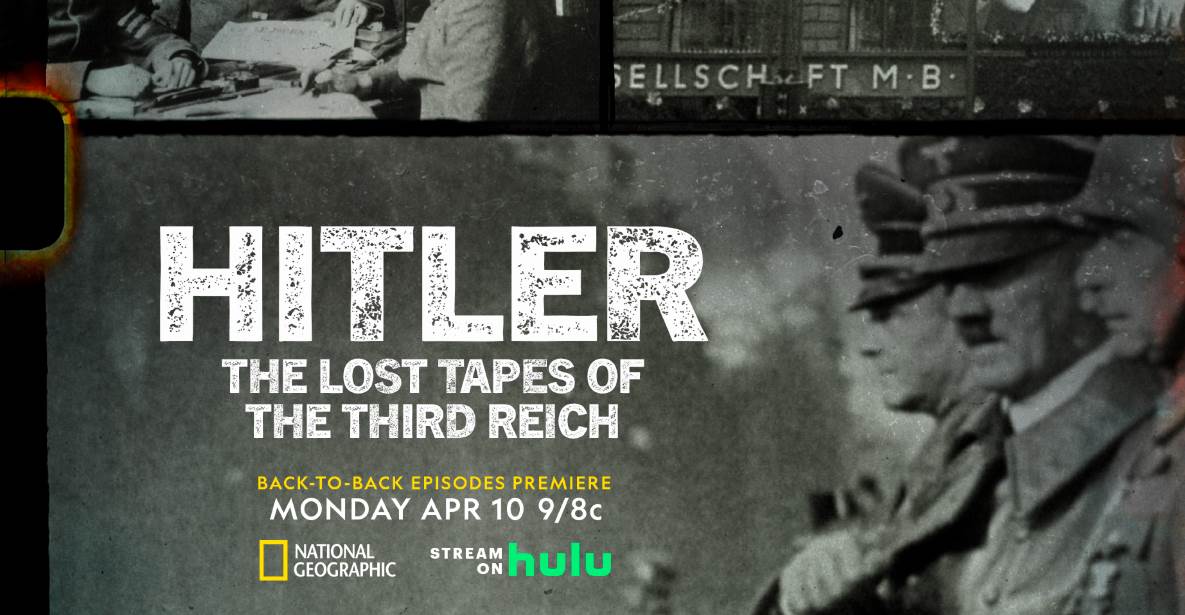
Why do these documentaries feel so "cinematic" compared to older ones?
Digital restoration and AI upscaling are the wizards behind the curtain. Old grainy 16mm film is being processed through neural networks that "guess" what the missing details are. This creates a hyper-real, sharp image that looks uncanny and modern. But it is a double-edged sword. This restoration removes the patina of age. It makes the WWII footage look like it could have been shot yesterday, which is both thrilling and deeply unsettling. It blurs the temporal distance between the viewer and the event, making the trauma feel more immediate. Additionally, the sound design is completely fabricated. Modern "foley" artists are layering in synthesized engine roars and gunshots that sound correct, even if they aren't the actual recordings. This creates an immersive, almost gaming-like atmosphere.
This is precisely why Nat Geo is dominating the conversation. They have cornered the market on the "Peter Jackson effect"—taking archival footage and treating it with the same respect as a blockbuster film's action sequence. Older docs were static, talking heads over a map. The new wave is a sensory assault, using slow-motion bullets and sparks to make history feel visceral. It’s a technique borrowed from Christopher Nolan’s Dunkirk. It gets the adrenaline pumping, but be mindful: it is a stylistic choice, not a version of events. You are watching a curated experience designed to hook your attention, not necessarily to educate you on the logistical nightmare of supply lines.
Is it appropriate to use WWII documentary clips for "aesthetic" posts on social media?
This is the million-dollar question, and the comments section is a warzone. On one hand, we have the "Efficiency" crowd: they view the war footage as pure visuals. Soldiers marching, machinery moving, flags waving—it’s a vibe. They use it as a backdrop for "discipline" or "grindset" memes, stripping away the reality of dying to a shredded wound. This is where it gets ethically icky. Using the Holocaust or the firebombing of Tokyo as a backdrop for a desire to go to the gym is, objectively, a massive misstep. However, some creators argue that using the aesthetic of the 1940s—the fashion, the furniture, the design—is a form of historical appreciation, not glorification.

The current consensus in the digital anthropology space is that context is king. If you are posting a clip of a B-17 to admire the engineering while discussing the sacrifices of the airmen, it’s borderline okay. If you are posting a looped video of a Wehrmacht march to the sound of a phonk beat, you are entering dangerous territory. You are commodifying suffering for "clout." The internet hates a loser, but it also hates a tone-deaf fetishizer. My advice? Keep the aesthetics in your Pinterest mood board, not in the public feed. Respect the material. It’s not just "content"; it’s a graveyard.
Are we witnessing a fad or a permanent shift in our media consumption? I argue it’s the latter. We have reached a saturation point of superhero movies and sci-fi dystopias. The reality-based "historical dystopia" of WWII offers a gritty authenticity that CGI cannot replicate. As long as global tensions remain high, humans will look to the last "Great War" as a template for understanding our own potential for self-destruction. Nat Geo has tapped into a primal need for understanding the limits of human endurance. The trend isn't going away; it’s evolving.
Eventually, the flashy edits will cool down, but the interest in the why will remain. We are moving away from "what happened" and towards "how could this happen to us?" The documentary, in its long form, offers a meditation that TikTok clips cannot provide. It’s a slow, horrifying, beautiful burn. So, the next time you see a walker rubbing shoulders with a tank, remember: we aren’t just watching history; we are trying to make sense of our own volatile timeline. Keep watching, keep questioning, and for the love of god, keep your comment sections civil.


