What To Bring To Tax Appointment H&r Block

As the old adage goes, "nothing is certain except death and taxes." While this phrase may seem morbid, it rings true for millions of people around the world who must navigate the complex and often frustrating process of filing their taxes. In the United States, one of the most popular tax preparation services is H&R Block, which has been helping individuals and businesses file their taxes for over 60 years. But before you head to your tax appointment, it's essential to know what to bring to ensure a smooth and stress-free experience.
The history of taxation dates back thousands of years, with ancient civilizations such as the Egyptians and Greeks imposing taxes on their citizens. In the United States, the tax system has evolved significantly over the years, with the introduction of the income tax in 1913 and the creation of the Internal Revenue Service (IRS) in 1862. Today, taxes are a necessary part of our economic system, funding public goods and services that benefit society as a whole. However, the process of filing taxes can be daunting, especially for those who are not familiar with tax law or are unsure of what documents to bring to their appointment.
Preparing for Your Tax Appointment
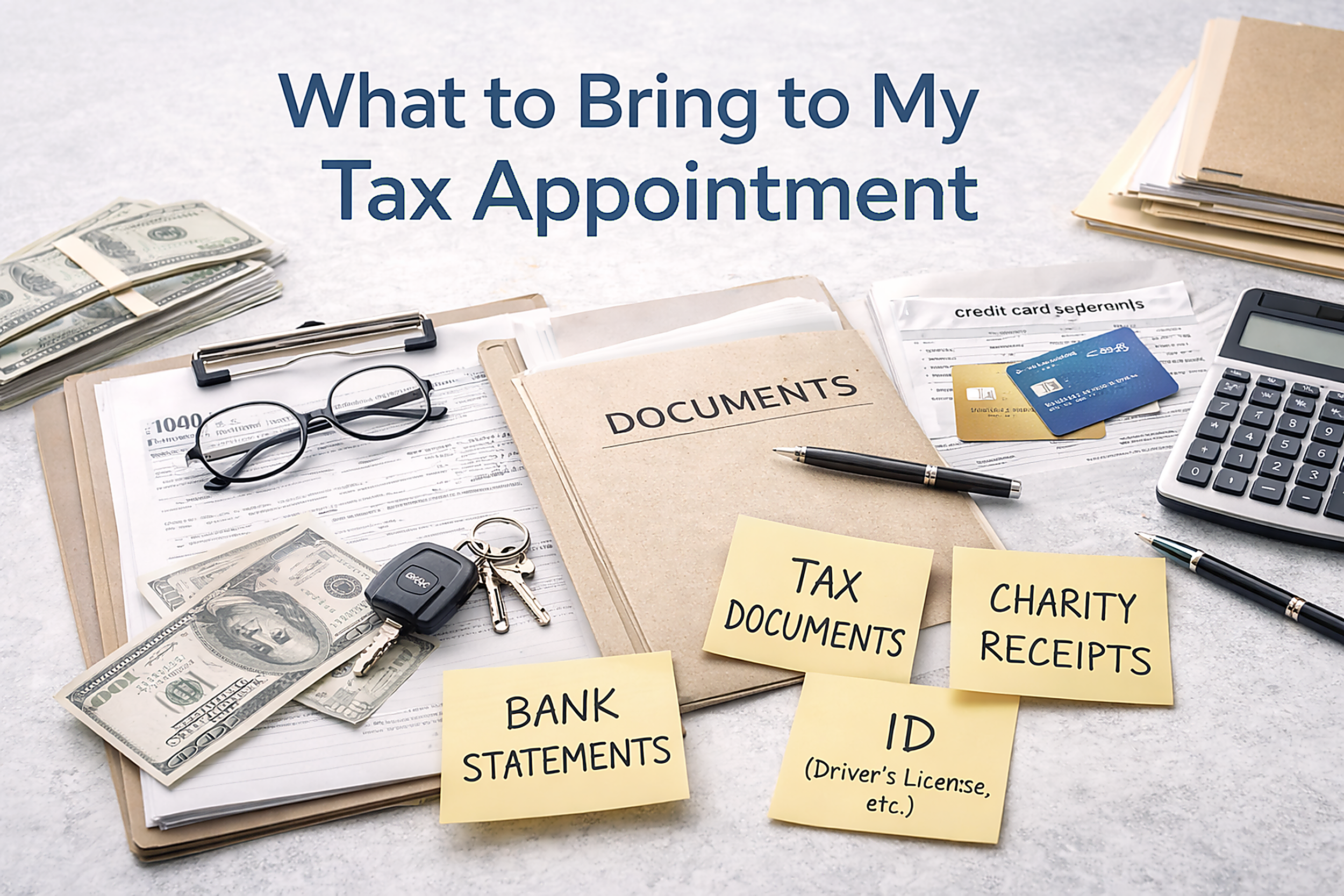
When it comes to preparing for your tax appointment, there are several key documents and pieces of information that you should bring to ensure a successful and efficient experience. First and foremost, you'll need to bring identification, such as a driver's license or passport, to verify your identity. You'll also need to bring your social security number or individual taxpayer identification number (ITIN), as well as any relevant tax documents, such as W-2s, 1099s, and receipts for deductions.
Must Read
In addition to these basic documents, it's also a good idea to bring any other relevant financial information, such as bank statements, investment accounts, and records of charitable donations. This will help your tax preparer to get a complete picture of your financial situation and ensure that you're taking advantage of all the deductions and credits that you're eligible for. Being organized and prepared is key to a successful tax appointment, so take the time to gather all the necessary documents and information before you head to your appointment.
Another important aspect to consider when preparing for your tax appointment is tax law changes. Tax laws and regulations are constantly evolving, and it's essential to stay up-to-date on any changes that may affect your tax situation. Your tax preparer can help you navigate these changes and ensure that you're in compliance with all relevant laws and regulations. By being informed and prepared, you can avoid any potential pitfalls and ensure that you're getting the best possible outcome from your tax appointment.
Real-Life Scenarios and Actionable Takeaways
Let's consider a few real-life scenarios to illustrate the importance of being prepared for your tax appointment. For example, imagine that you're a freelance writer who has been working on a project for several months. You've incurred expenses related to your work, such as equipment and travel costs, and you want to deduct these expenses on your tax return. To do this, you'll need to bring receipts and records of your expenses to your tax appointment, as well as any other relevant financial information.
In another scenario, imagine that you're a small business owner who has been operating for several years. You have multiple employees and have incurred various expenses related to your business, such as rent, utilities, and equipment costs. To ensure that you're taking advantage of all the deductions and credits that you're eligible for, you'll need to bring detailed financial records, including balance sheets and income statements, to your tax appointment.

By being prepared and bringing all the necessary documents and information to your tax appointment, you can save time and money in the long run. Your tax preparer can help you navigate the complex tax code and ensure that you're in compliance with all relevant laws and regulations. Additionally, by taking advantage of all the deductions and credits that you're eligible for, you can maximize your refund and keep more of your hard-earned money.
In terms of actionable takeaways, here are a few key points to keep in mind when preparing for your tax appointment. First, stay organized and keep all your financial documents and information in one place. This will make it easier to find what you need when you need it, and will help you to avoid any potential pitfalls or delays. Second, don't be afraid to ask questions or seek help if you're unsure about something. Your tax preparer is there to help you, and can provide valuable guidance and advice to ensure that you're getting the best possible outcome from your tax appointment.
Frequently Asked Questions
What documents do I need to bring to my tax appointment?
When it comes to documents, it's always better to be safe than sorry. You'll need to bring identification, such as a driver's license or passport, as well as your social security number or ITIN. You'll also need to bring any relevant tax documents, such as W-2s, 1099s, and receipts for deductions. In addition to these basic documents, it's also a good idea to bring any other relevant financial information, such as bank statements, investment accounts, and records of charitable donations.
By bringing all the necessary documents and information to your tax appointment, you can ensure a smooth and efficient experience. Your tax preparer can help you navigate the complex tax code and ensure that you're taking advantage of all the deductions and credits that you're eligible for. Being prepared is key to a successful tax appointment, so take the time to gather all the necessary documents and information before you head to your appointment.

How long will my tax appointment take?
The length of your tax appointment will depend on several factors, including the complexity of your tax situation and the amount of information you need to provide. On average, a tax appointment can take anywhere from 30 minutes to several hours, depending on the specifics of your situation. Being prepared and bringing all the necessary documents and information can help to save time and ensure a more efficient experience.
It's also a good idea to ask your tax preparer about their process and what you can expect during your appointment. They can provide you with a more detailed estimate of the time required and help you to prepare for your appointment. By being informed and prepared, you can reduce stress and ensure a more positive experience.
Can I file my taxes electronically?
In addition to the convenience and efficiency of electronic filing, it's also a more secure method of filing your taxes. Electronic returns are transmitted directly to the IRS, reducing the risk of lost or stolen returns. Your tax preparer can also provide you with a copy of your return for your records, giving you peace of mind and ensuring that you have a record of your tax filing.
What if I'm audited by the IRS?
While the thought of being audited by the IRS can be daunting, it's not necessarily a cause for concern. If you're audited, your tax preparer can help you to navigate the process and ensure that you're in compliance with all relevant laws and regulations. Being prepared and having all the necessary documents and information can help to reduce stress and ensure a more positive experience.

In the event of an audit, your tax preparer can help you to understand the process and what to expect. They can also represent you in front of the IRS, ensuring that your rights are protected and that you're treated fairly. By having a knowledgeable and experienced tax preparer on your side, you can reduce the risk of errors or penalties and ensure that you're getting the best possible outcome from your tax appointment.
Can I deduct charitable donations on my tax return?
In addition to the financial benefits of charitable deductions, giving back to your community can also have a positive impact on your mental and emotional well-being. By donating to charitable causes, you can feel good about giving back and making a difference in the lives of others. Your tax preparer can help you to understand the rules and regulations surrounding charitable deductions and ensure that you're getting the most out of your charitable giving.
Conclusion and Final Thoughts
In conclusion, preparing for your tax appointment is an essential part of the tax filing process. By bringing all the necessary documents and information, you can ensure a smooth and efficient experience and save time and money in the long run. Your tax preparer can help you to navigate the complex tax code and ensure that you're taking advantage of all the deductions and credits that you're eligible for.

As we've explored throughout this article, the topic of tax preparation is complex and multifaceted. From the history of taxation to the importance of being prepared, there are many factors to consider when it comes to filing your taxes. By being informed and prepared, you can reduce stress and ensure a more positive experience. Whether you're a freelance writer, a small business owner, or an individual taxpayer, your tax preparer can help you to navigate the tax code and ensure that you're getting the best possible outcome from your tax appointment.
In our daily lives, taxes may seem like a necessary evil, but they play a vital role in funding public goods and services that benefit society as a whole. By understanding the tax code and taking advantage of all the deductions and credits that you're eligible for, you can keep more of your hard-earned money and ensure that you're contributing to the greater good. As the old adage goes, "nothing is certain except death and taxes," but by being prepared and informed, you can make the tax filing process less stressful and more efficient.
The human aspect of tax preparation is also an essential consideration. Feeling overwhelmed or stressed about taxes is common, but it doesn't have to be that way. By working with a knowledgeable and experienced tax preparer, you can reduce anxiety and ensure that you're getting the best possible outcome from your tax appointment. Whether you're dealing with a complex tax situation or simply need help navigating the tax code, your tax preparer can provide valuable guidance and support to help you achieve your goals.
In the end, tax preparation is not just about numbers and forms – it's about people and their unique financial situations. By taking the time to understand your tax situation and working with a qualified tax preparer, you can take control of your finances and ensure that you're getting the best possible outcome from your tax appointment. Whether you're a seasoned taxpayer or just starting out, the right tax preparer can make all the difference in helping you to navigate the complex tax code and achieve your financial goals.
As we reflect on the importance of tax preparation, it's clear that this topic is not just about taxes – it's about financial freedom and the ability to make informed decisions about your money. By being prepared, informed, and proactive, you can reduce stress and ensure a more positive experience when it comes to filing your taxes. Whether you're dealing with a simple or complex tax situation, the right tax preparer can help you to navigate the tax code and achieve your financial goals, giving you peace of mind and the freedom to focus on what matters most.