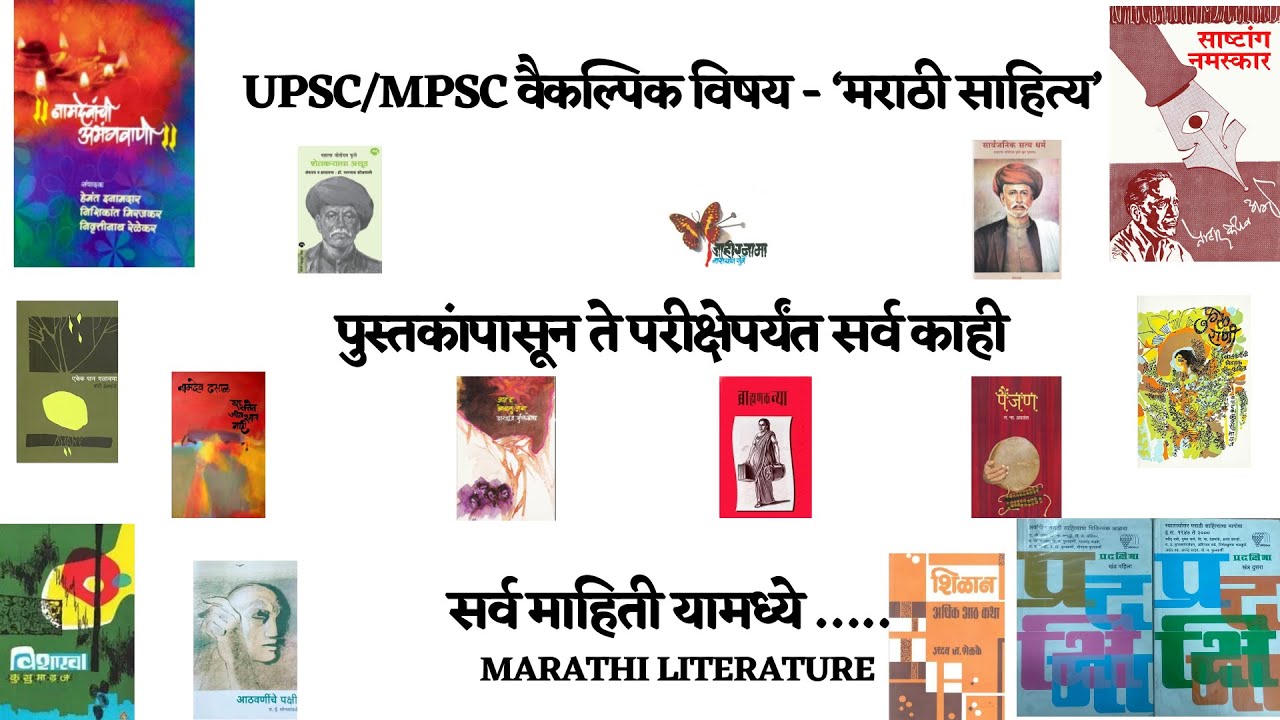
Marathi Literature Optional Upsc
Imagine turning your UPSC preparation into a thrilling treasure hunt through the rich landscapes of Maharashtra. That’s exactly what choosing Marathi Literature as your optional subject feels like—a deep dive into a world of poetry, rebellion, and soul-stirring stories. While many aspirants shy away from regional languages, Marathi offers a unique blend of cultural depth and scoring potential that can give you a serious edge.
Why Marathi Literature is a Hidden Gem
For native speakers, this optional feels like a home game, but even non-native learners have cracked it with dedication. The syllabus is compact and predictable, covering everything from ancient saint-poets to modern Dalit literature. Unlike sprawling subjects like History or Geography, Marathi Lit lets you master a finite universe of texts, which means less anxiety and more focused revision.
The best part? The examiners reward authentic interpretation, not rote memorization. You get to analyze the raw emotions of Tukaram, the fiery social critique of Mahatma Phule, and the existential despair of Sane Guruji—all while building a skill set for the Essay paper.
Must Read
“Literature is the mirror of society, and Marathi literature reflects the soul of a nation in transition.” — A UPSC Topper’s mantra.
The Practical Perks You Can’t Ignore
First, the overlap with the General Studies papers is a silent superpower. Many topics in GS Paper I (Indian Society) and GS Paper IV (Ethics) find direct echoes in Marathi literary debates on caste, gender, and morality. When you write about social justice in ethics, you can quote Baburao Bagul or Shantabai Kamble to add a distinctive, authentic flavor.
Second, the answer-writing becomes a creative exercise. You don’t need to produce dry, factual essays; you can weave in metaphors, poetic lines, and narrative arcs. This freedom often results in higher scores, as evaluators look for a personal voice. Plus, the paper has a high success rate—many toppers have scored 290+ in this optional, proving it’s a fertile ground for rank boosters.

Who Should Consider This Optional?
If you have even a conversational grasp of Marathi, you’re already ahead of the curve. But even if you're from a Hindi or English background, the literature’s universal themes—love, loss, resistance, and hope—make it accessible. The key is to read the original texts with translations, and to practice writing under timed conditions.
However, it’s not a walk in the park—you must master medieval devotional poetry (Bhakti movement) and modern post-Independence fiction with equal ease. The real advantage is the sheer joy of studying. When your optional feels like reading a gripping novel instead of cramming data, your mental health improves, and that reflects in your mains score.
How to Approach It Like a Pro
Start with the ancient period—Dnyaneshwar and Namdev—to build a chronological foundation. Then, jump to the 19th-century reformist writers, and finally, spend time on contemporary Dalit and feminist voices. Create a one-page summary for each author, highlighting their style, major works, and the socio-political context.
The secret weapon is answer structure. Always open with a literary quote, then deconstruct the theme, and conclude with a contemporary relevance. For example, when discussing Vijay Tendulkar’s play “Shantata! Court Chalu Aahe,” connect it to modern issues of mob mentality and justice. This synthesis blows the examiner away.
“To choose Marathi lit is to choose a companion that whispers the stories of your ancestors into your answer sheets.”
The Final Verdict
Marathi Literature optional UPSC isn’t just a subject; it’s a cultural immersion that makes you a more empathetic and articulate person. It’s perfect for aspirants who want to avoid the ruthless competition of Political Science or Public Administration. With disciplined reading and regular test series, you can turn this literary passion into a top 50 rank.
So, pick up a volume of Keshavsut’s poetry, or a short story by G.A. Kulkarni, and let the words guide your UPSC journey. You might just discover that the path to LBSNAA is paved with the verses of a forgotten poet—and that’s a beautiful thing.