What Skills Do U Need To Be A Nurse

My friend Sarah, a brand-new nurse, once walked into a patient’s room to find him calmly eating a sandwich—his own sandwich—that he’d smuggled in from home, despite a strict NPO (nothing by mouth) order before surgery. She panicked, called the charge nurse, and spent the next twenty minutes trying to figure out if a turkey club counted as “clear liquids.” The charge nurse just laughed, confiscated the sandwich, and told Sarah, “Honey, you’re going to need more than your textbook for this job.”
That story perfectly sums up the dirty little secret of nursing: your clinical knowledge is only about 20% of the job. The other 80% is a bizarre cocktail of psychology, detective work, and the kind of people-skills that would make a hostage negotiator sweat. If you’re thinking about nursing school, you’re probably picturing IVs, vital signs, and anatomy flashcards. But let me tell you, the real skills are way weirder—and honestly, way more interesting.
First, You Need the “Radar” – Clinical Judgment
This isn’t just knowing that a fever is bad; it’s the gut feeling that something is off before any machine beeps. You learn to read a room like a detective reads a crime scene—the patient who’s too quiet, the family member who’s too cheerful, the subtle change in skin color that no monitor picks up. That “radar” is built on thousands of tiny observations, and it’s what separates a nurse from a robot with a thermometer.
Must Read
You’ll become a master of the question, “What’s different?” Even if you can’t articulate it, that nagging feeling in your gut is usually your brain connecting dots you haven’t consciously registered yet. Trust it. (And yes, you will be wrong sometimes, and that’s how you learn—the hard way, with a little shame.)
Next, The Art of “Therapeutic Lying” (Aka Communication)
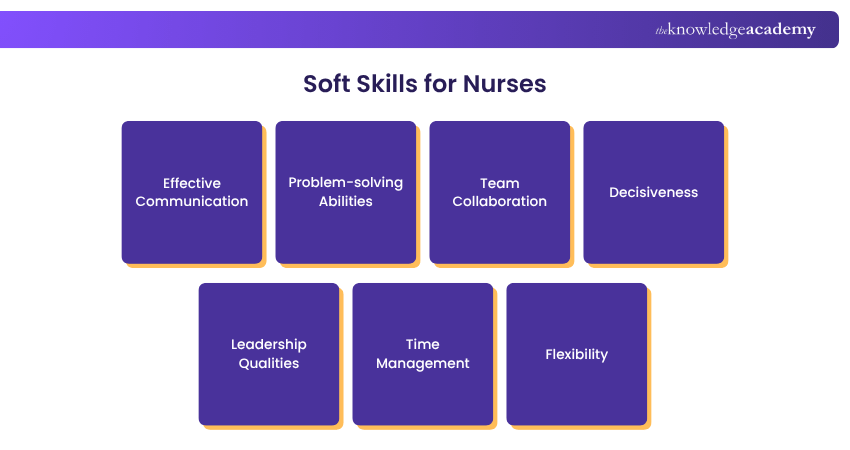
You will tell a screaming toddler that the shot is “just a little pinch,” and you’ll tell a terrified adult that their procedure is “totally routine” while internally knowing it’s a 50/50 coin flip. This isn’t deceit; it’s calibrated truth, delivered at the exact moment a human can handle it. You have to translate doctor-speak into plain English for one family, and then translate plain English back into doctor-speak for the physician on call—without losing the emotional nuance.
The real kicker? You have to do all this while a patient’s angry spouse is yelling at you about parking fees, and you can’t roll your eyes. Ever. You’ll learn to validate feelings (“I hear that you’re frustrated”) while holding a firm line on safety. It’s like being a diplomat, but with more bodily fluids.
Time Management That Would Break a CEO
Forget productivity apps; nursing is about triage of your soul. You’ll have four patients who all need meds at the same time, one who’s crashing, and a call light blinking from room 12. You learn to prioritize: who will die in the next five minutes vs. who will die in the next hour vs. who just wants extra blankets. It’s brutal, and you’ll occasionally sacrifice the “nice” tasks (like comforting a lonely patient) to save the “critical” ones (like hanging a life-saving drip).
The irony? You’ll feel guilty no matter what you do. You’ll chart while eating a granola bar, and you’ll perfect the “nurse walk”—that fast, efficient stride that somehow conveys urgency and calm at the same time. And you’ll learn to batch your tasks: grab the blood pressure cuff, the med cups, and a warm blanket in one trip, because walking back to the supply room is ten seconds you don’t have.
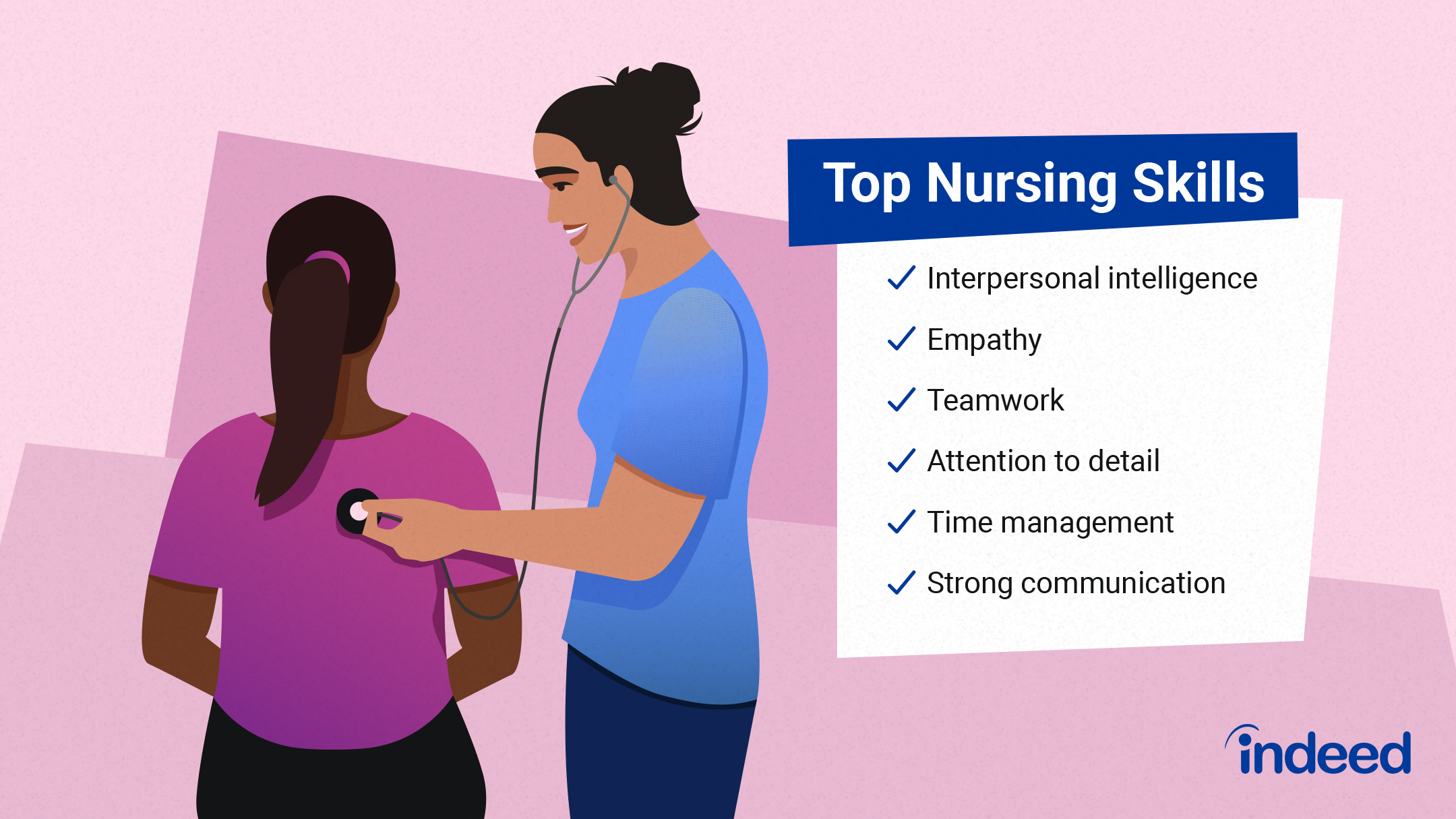
Emotional Armor (That’s Surprisingly Soft)
You think you’re empathetic now? Wait until you hold a patient’s hand while they take their last breath, then walk out and help a family order pizza for the waiting room five minutes later. The skill here isn’t building a wall; it’s learning to switch emotional tracks without letting the train derail. You’ll cry in the supply closet (we all do), but you’ll also find dark humor to be your best coping mechanism. (Side note: our breakroom jokes are not for the faint of heart—or for anyone who isn’t a nurse.)
You also need the skill of asking for help—and I don’t mean just clinically. You’ll need the courage to say to a coworker, “I’m drowning, can you take my IV start?” because pride will kill you (and your patients). The best nurses aren’t the strongest; they’re the ones who know their limits and use their team like a net.

The Never-Ending “Learn to Unlearn” Skill
Protocols change, research updates, and the “best practice” you learned in 2019 is now considered malpractice. So you need the humility of a student and the confidence of a veteran, simultaneously. You’ll have to apologize to a patient when you make a mistake, and you’ll have to question a doctor’s order that seems wrong—without being a jerk about it. That’s a tightrope walk between assertiveness and respect.
And finally, the most underrated skill: the ability to laugh at chaos. When a patient’s dentures fall into the bedpan, or a family member asks you to “check their aura,” you just smile and nod, then share the story at shift change. Because if you don’t laugh, you’ll cry—and laughing is way less dehydrating.
So, do you need to know anatomy? Yes. But do you also need to be a body language reader, a crisis negotiator, a time-traveling multitasker, and a professional emotional sponge? Absolutely. The skills aren’t all in your textbooks, Sarah learned that with a turkey sandwich, and you’ll learn it with your first 2 AM shift—where you’ll discover that the most essential tool you pack isn’t a stethoscope, but a pair of comfortable shoes and a sense of humor that’s sharp as a scalpel.