Intramuscular Fat Vs Subcutaneous Fat
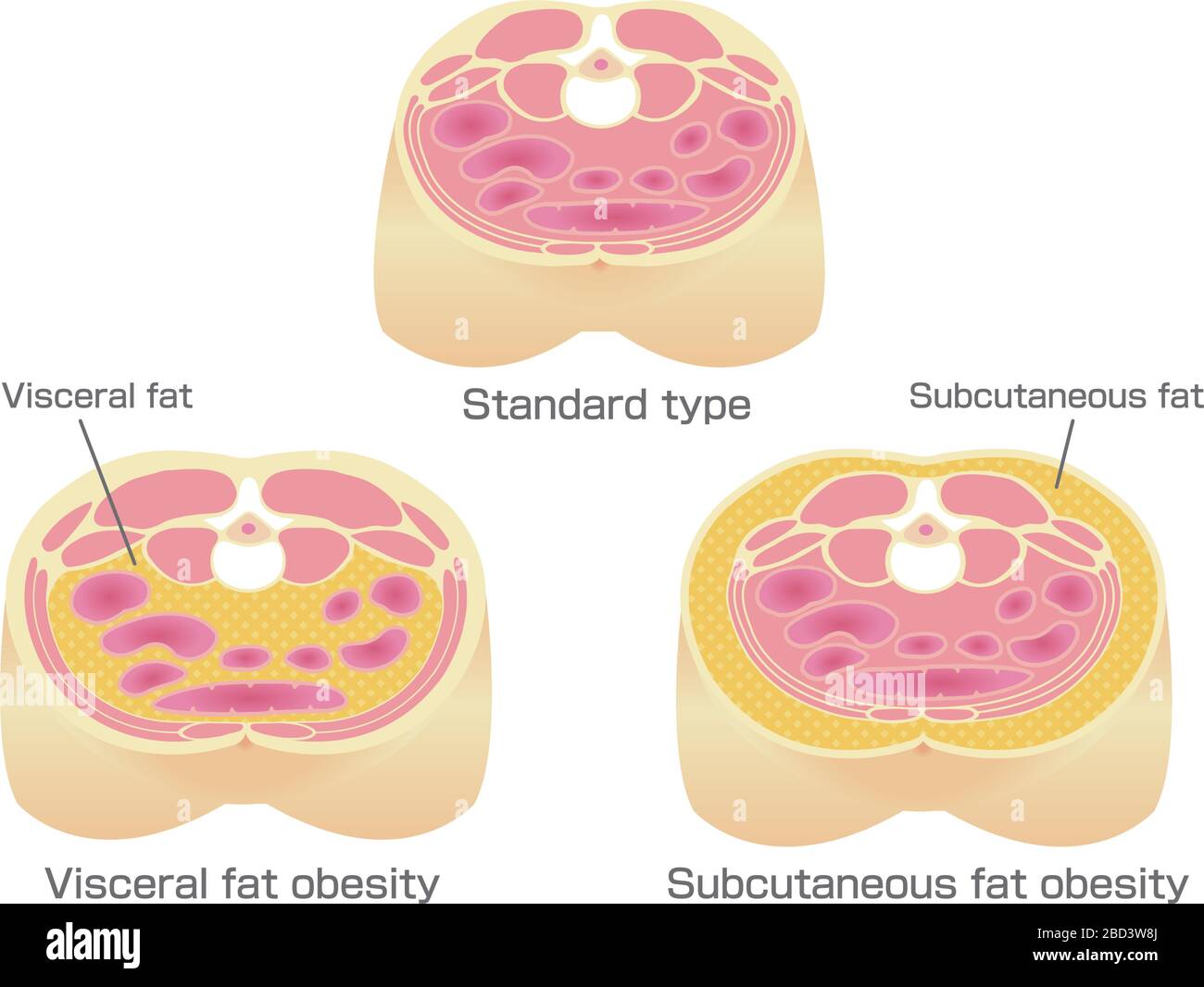
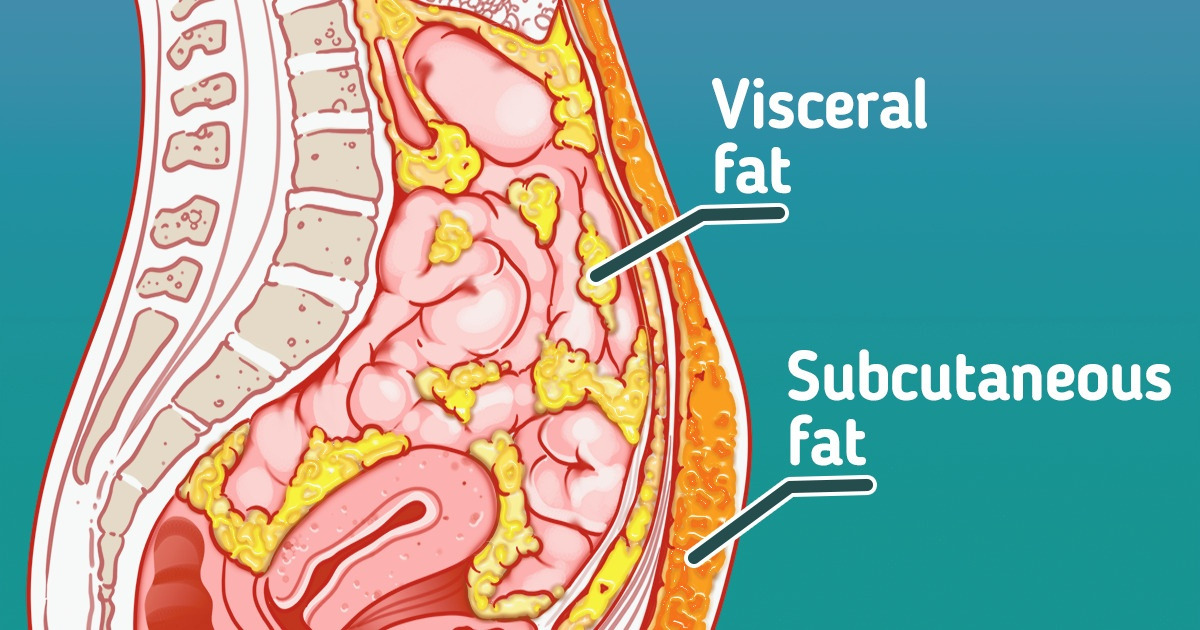
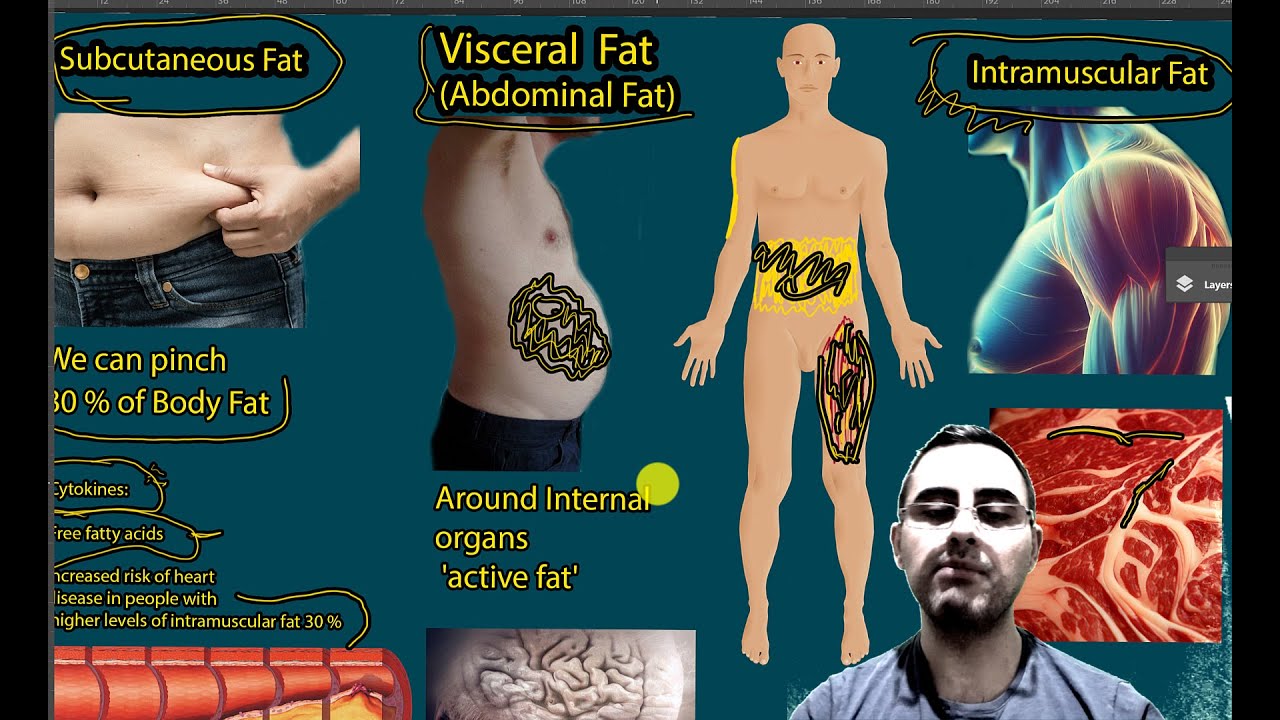
Before the age of wearable biometric rings and lab-grade body composition scans, the human relationship with fat was far more intimate, and far less clinical. We didn’t know the difference between the marbled streaks in a prime ribeye and the soft layer beneath our skin; we simply knew that some bodies felt different to the touch, and that some animals tasted better than others. The ancient world, for all its philosophical grandeur, approached fat with a pragmatism that we have lost. Subcutaneous fat—the pinchable, jiggly layer that sits right beneath the dermis—was a sign of prosperity, a buffer against famine, and in many pre-industrial cultures, a literal currency of survival. Meanwhile, intramuscular fat, the hidden treasure woven between muscle fibers, was unknowingly revered in the kitchen long before it was studied in the lab. Our great-grandmothers selected cuts of meat because of the white webbing, calling it “good marbling,” without ever knowing that this same biological phenomenon was happening inside their own bodies, quietly influencing their metabolic destiny.
The initial human necessity behind fat was purely thermodynamic. Before central heating and refrigerated supply chains, the body’s ability to store energy was a life-or-death variable. Subcutaneous fat was the body’s savings account, easily accessible and quickly deposited during autumn harvests. It insulated vital organs and kept our ancestors warm during the ice-bound winters. But intramuscular fat, scientifically known as myosteatosis, played a different, more subtle role. It provided a localized, ready-to-burn fuel source for working muscles. A hunter chasing a deer across a frozen plain didn’t need the energy from his belly; he needed the energy inside his thigh. This distinction, between storage fat and functional fat, was understood only through the lens of performance and starvation, never through the lens of health. We have spent the last century retrospectively diagnosing our ancestors, overlaying modern MRI data onto the archaeology of their bones, slowly realizing that the "fat" we feared and the "fat" we admired were two entirely different biological entities with opposing fates.
It is a strange nostalgia we hold for a time when we didn’t know any better. The Victorian era, with its corsets and fainting couches, demonized subcutaneous fat in women while glorifying it in men as a sign of wealth. Yet in the slaughterhouses of Chicago, workers revered a well-marbled steak with almost religious fervor. We were living in a split consciousness: celebrating fat on the plate while shunning it on the waistline. The true scientific divide between intramuscular and subcutaneous fat did not begin to crystallize until the mid-20th century, and it took a world war, a dairy crisis, and a sedentary office revolution to force us to look under the microscope.
Must Read
The Great Divide: How We Learned to Stop Worrying and Love the Marbling
The transformation began in the unlikeliest of places: the Japanese Wagyu cattle industry and the American cardiology wards of the 1950s. In 1958, a Japanese researcher named Dr. Yuji Matsumoto began isolating the genetic markers responsible for the intense intramuscular fat deposition in Japanese Black cattle. While Western science was obsessing over cholesterol plaques, Matsumoto was cataloging the lipid droplets that formed inside the muscle spindle. His work, largely ignored in the West for decades, revealed that intramuscular fat is not simply subcutaneous fat that has “drifted” inward. It is biochemically distinct. It has a different fatty acid profile, a different metabolic half-life, and a different relationship with insulin. The forgotten vintage fact here is that in the 1960s, bodybuilders and athletes were actively trying to reduce intramuscular fat through "bulking and cutting" cycles, unaware that they were losing the very fuel that gave them explosive power. The terms "inflammation" and "fat" were used interchangeably, leading to bizarre treatments like injecting lecithin directly into muscle tissue—a dangerous fad that thankfully faded by 1972.
By the 1980s, the fitness revolution hit, and with it, the catastrophic simplification of fat. We became obsessed with calipers and skin-fold measurements—which only measured subcutaneous fat. We blindly equated a thinner pinch test with a healthier body. This was the decade of aerobics and lean cuisine, where the visual absence of subcutaneous fat was the only metric of success. Meanwhile, the medical community was quietly discovering that a thin person could be "fat on the inside." The 1991 publication of the "TOFI" (Thin Outside, Fat Inside) concept in the Lancet was a seismic shock. It proved that intramuscular fat and visceral fat (fat around organs) could accumulate dangerously in people with perfectly flat stomachs. This was the bizarre reversal: the gym-goer with visible abs but a poor diet could have more metabolically harmful intramuscular fat than the overweight individual with generous subcutaneous padding. Subcutaneous fat, the old enemy, began to be seen as a protective depository—a safe vault that kept toxic lipids away from the liver and muscles.

The 1990s and early 2000s brought the imaging revolution. MRI and CT scans allowed us to see fat in vivo, without biopsy. For the first time, we could watch intramuscular fat accumulate in the sarcopenia of aging, turning strong, dense muscle into a marbled, weakened tissue. It was a bitter irony: the marbling we prized in a steak was the exact same pathology we were developing in our own legs as we aged. The "vintage" treatment for this was grounded in shame—doctors told elderly patients to simply "eat less fat," which paradoxically exacerbated the problem, as low-fat diets increased insulin resistance and drove more glucose into the muscle as fat. The medical establishment was stuck in a loop, treating the symptom (fat in the muscle) by ignoring the cause (subcutaneous metabolic signaling).
Then came the bizarre dietary era of the 2010s. The ketogenic craze and the "butter coffee" movement attempted to hack the system by forcing the body to burn stored lipids. While effective for subcutaneous fat loss, it had a mixed effect on intramuscular fat. Some athletes experienced a phenomenon known as "keto-marbling," where, in the absence of dietary carbs, the muscle would begin to sequester fatty acids directly, increasing intramuscular fat temporarily while reducing overall body weight. This was a laboratory of confusion, a time when the public was told to eat fat to lose fat, without any nuanced understanding of where that fat was located. The forgotten truth of this era is that the specific type of fat you lose depends entirely on the ratio of alpha-adrenergic to beta-adrenergic receptors in that depot. Subcutaneous fat has more alpha-receptors, making it refractory to mobilization. Intramuscular fat has more beta-receptors, making it easier to burn but also easier to damage if the diet is wrong.
The Modern Hack: Reprogramming the Depot
Today, we are no longer just counting calories; we are geo-fencing our biology. The modern hack is not about eliminating fat but about relocating it. We now know that subcutaneous fat is metabolically inert and, in the right amounts, beneficial—it produces adiponectin, a hormone that improves insulin sensitivity. The cutting-edge approach involves using pharmaceuticals like Thiazolidinediones (TZDs) that force fat cells to differentiate into subcutaneous-like depots, effectively "pushing" fat out of the muscle and back under the skin. This is the opposite of the old "spot reduction" nonsense. We are seeing a shift toward "fat redistribution therapy," using cold exposure and specific resistance training protocols to signal the body to upregulate beta-receptors in the gluteal subcutaneous layer while downregulating them in the vastus lateralis muscle. The modern athlete, armed with continuous glucose monitors, can now see in real-time how a spike in blood sugar translates to a 2% increase in intramuscular fat three weeks later. It is a predictive, pre-emptive war on the invisible depot.

Furthermore, the emergence of "epigenetic fat hacking" is turning nostalgia on its head. We are looking back at ancestral eating patterns, but now with the tool of CRISPR and mRNA vaccines. The goal is to modify the PPAR-gamma pathway localized to muscle tissue, effectively switching on the genes that burn intramuscular fat while switching on the genes that store subcutaneous fat. There are experimental compounds, such as a modified form of resveratrol conjugated with a myocyte-targeting peptide, that are currently in Phase II trials, specifically designed to empty the lipid droplets from muscle fibers without affecting the subcutaneous protective layer. This is the ultimate modern hack: to understand that the fat we can see is often our friend, while the fat we cannot see is the silent saboteur. We are finally moving past the shame of the pinch and into the precision of the scan.
Frequently Asked Questions: The Hidden Layers of Fat
1. Why does belly fat (subcutaneous) feel so much "softer" than the fat inside my thighs (often more fibrous or muscular)?
The historical confusion behind this lies in the old anatomical texts, which classified all fat as identical. But the texture difference is real and was first documented in Butcher’s Journal in 1887, long before medical imaging. Subcutaneous fat in the abdomen is composed of large, mature adipocytes that are loosely packed with a high concentration of triglycerides. They are held in place by a loose, water-filled matrix, giving it that soft, jiggly feel. Intramuscular fat, however, is not stored in globules but in tiny droplets within the sarcoplasm of the muscle fiber, and between the perimysium (the connective tissue sheath). This fat is physically tethered to the muscle striations. It feels "harder" or "denser" because it is essentially a hybrid between muscle and fat. Modern ultrasound studies show that the elasticity of intramuscular fat is roughly 40% lower than subcutaneous fat. So, the "softness" you feel is literally the anatomy of a storage vault versus a fuel line. The body keeps quick-access energy in soft, expandable bags (subcutaneous) and keeps emergency, performance fuel locked inside the machinery itself (intramuscular).
From a metabolic standpoint, this texture difference explains why you can lose subcutaneous fat relatively quickly with a caloric deficit (the bags empty), but intramuscular fat is stubbornly resistant. It is not designed for bulk release; it is designed for localized oxidation during muscle contraction. Historically, soldiers and laborers who moved constantly had very low intramuscular fat, even if they had ample subcutaneous fat on their stomachs. Conversely, elite sprinters who do not train for long-duration aerobic work often accumulate intramuscular fat in their fast-twitch fibers, which they paradoxically need for explosive energy, but which looks and feels "tough" compared to the relaxed abdominal skin. In short, soft is passive storage, and hard is active reserve.

2. Is it true that eating "marbled" meat increases my own intramuscular fat?
This is a persistent myth rooted in the 1950s cholesterol scare, but it is biologically incorrect. The fat in beef, particularly the intramuscular fat, is mostly monounsaturated (oleic acid), which is the same as olive oil. When you consume it, your body breaks it down into free fatty acids and glycerol. Your body does not directly transport that fat from your plate into your own muscle fibers. However, here is the modern twist: the excess calories from any fat, if not burned, will be stored preferentially in subcutaneous tissue, not intramuscular. But there is a phenomenon called "lipotoxicity cycling." If your diet is high in refined carbohydrates and you eat intramuscular fat from beef, the residual free fatty acids can cause temporary insulin resistance in your muscle, blocking glucose uptake. That glucose then gets converted in the liver and sent to the muscle as de novo lipogenesis—creating new intramuscular fat from sugar, not from the meat itself.
Historical evidence from the frontiersman era of the 1840s is illuminating. Trappers and indigenous tribes that ate a high-fat, nearly zero-carb diet (primarily intramuscular fat from wild game) had zero incidence of myosteatosis when their remains were analyzed. But modern "keto" dieters who eat marbled beef along with dairy (which contains insulinogenic proteins) often develop increased intramuscular fat over a two-year period. The old sage advice of "the fat you eat goes to your thighs" is false. The fat you eat goes to your mitochondria first to be burned. If it is not burned, it goes to subcutaneous fat. Intramuscular fat is only built when there is a chronic excess of glucose and insulin. Therefore, a perfectly grass-fed, fat-rich diet without a carb overload will not marbling the human body; it will actually clear intramuscular fat over time. The fear of dietary fat creating internal fat is the biggest misconception of the fitness era.
3. How do genetics and age affect the ratio of subcutaneous to intramuscular fat differently?
In the 1980s, researchers believed that aging caused a uniform loss of all fat. But the longitudinal studies from the Baltimore Longitudinal Study of Aging, starting in 1958, revealed a startling truth: as we age past 50, subcutaneous fat decreases by an average of 2% per decade, while intramuscular fat increases by 3.5% per decade. This is a programmed biological shift. Genetics play a massive role here, and the specific gene is the FTO gene variant. People with the "FTO risk allele" exhibit a higher distribution of fat into subcutaneous depots early in life, which paradoxically protects them in old age because their muscle remains relatively lean. In contrast, people without this risk allele, often leaner in youth, experience a "fat switch" in their 50s where muscle begins to store fat aggressively due to declining growth hormone and altered estrogen/testosterone ratios. The historical marker of this was the "skinny-fat" body type noted in the 1920s medical journals—individuals of normal BMI with high mortality rates.
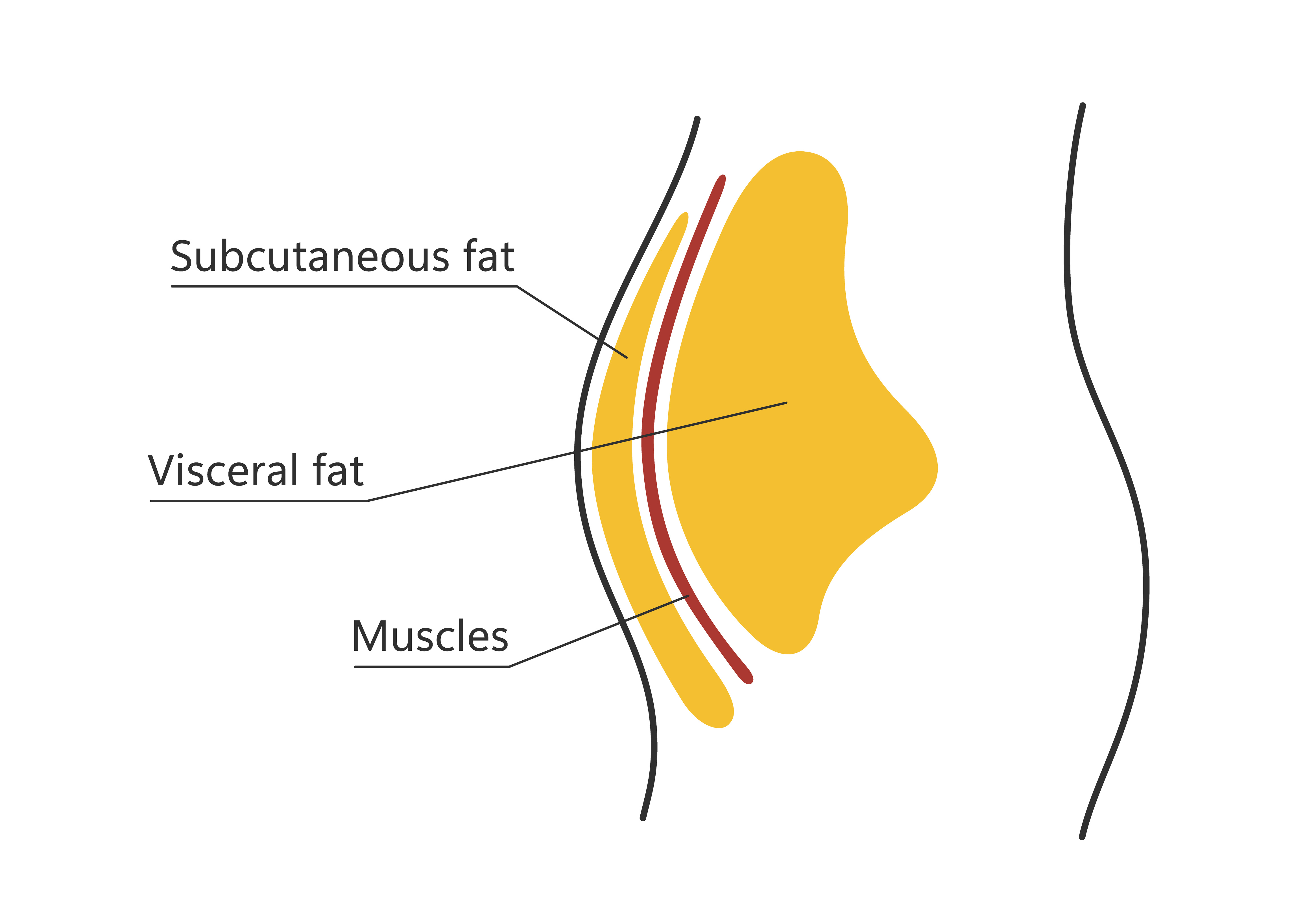
The modern fact is that genetics determine the ceiling of where fat can be stored, but lifestyle determines the floor. Resistance training is the only effective countermeasure to the genetic propensity for intramuscular fat accumulation. The reason is that muscle contraction releases myokines, which act on the fat droplets inside the muscle, breaking them down for immediate energy. This is an evolutionary hack. Our ancient ancestors did not live long enough to accumulate this fat; they died from trauma. We now live long enough to die from our own hidden marbling. The genetic lottery of fat distribution is real, but it is not destiny. The data shows that a 70-year-old who lifts weights three times a week has less intramuscular fat than a 40-year-old sedentary couch potato, regardless of their genetic profile. The key is to continuously signal the muscle that its internal fat is needed for survival, forcing it to empty out and receive fresh, healthy lipids from the subcutaneous stores.
Looking forward to the next two decades, we are approaching a biological singularity. The 2040s will likely feature "depot transplantation" therapies, where your own subcutaneous fat is harvested and injected around muscles to act as a metabolic shield, absorbing excess lipids before they can seep into muscle tissue. We are already seeing the early iterations of this in cosmetic surgery, where fat grafting is used to improve muscle contouring. The future will be about bio-printing a "smart fat" that actively manages glucose levels rather than merely storing energy. The nostalgia for the simple times, where we just ate and moved, will fade into a new reality where we watch our cellular fat dynamics on a smartphone app, adjusting our protein intake based on the real-time lipid droplet count in our calf muscles.
The next 20 years will also see a philosophical shift—a rejection of the fear of fat itself. We will look back on the 2020s with the same pity we have for the fad diets of the 1970s. We will realize that the ultimate goal is not a fat-free body, but a correctly patched body—a body that has sufficient subcutaneous padding to support hormones and immune function, while keeping the muscle interior as clean and free of ectopic lipid as a sprinter’s leg. Human longevity will increase not by eliminating calories, but by orchestrating their placement with surgical precision. The future of fat is not elimination; it is interior design. And the knowledge we carry now—the distinction between the harmless jiggle and the dangerous marbling—will be the architectural blueprint of that future.