Bulletproof Backpack Insert Level 3
It began as a whisper in the back of a parent’s mind, a plot point in a political thriller, and a paranoid fantasy for the prepper community. But today, the bulletproof backpack insert has shed its cloak of conspiracy and stepped into the stark, fluorescent light of mainstream practicality. Specifically, the Level 3 insert—a rigid, multi-curved plate of engineered ceramic or ultra-high-molecular-weight polyethylene (UHMWPE)—has become the modern-day equivalent of a medieval buckler, a silent shield you strap to your spine without a second thought. It’s not about living in fear; it’s about acknowledging the beautiful, chaotic, and occasionally violent randomness of the world we’ve built.
The concept isn’t new. During the Blitz, Londoners tucked steel plates into their overcoats. In the 1980s, action movie heroes wore Kevlar vests under their leather jackets, a fashion statement born from Cold War anxiety. But the Level 3 backpack insert is different. It’s decentralized protection. It doesn’t guard the torso of a soldier on a battlefield; it guards the back of a student in a library, the commute of a creative director in a city, the daily grind of a nurse walking to her car at 1 AM. The history of personal armor has always been about status—knights, samurai, Secret Service agents. The genius of this innovation is its profound democratization of safety, hiding high-tech ballistic resistance behind a canvas zipper and a laptop sleeve.
The Hidden Physics of Everyday Armor
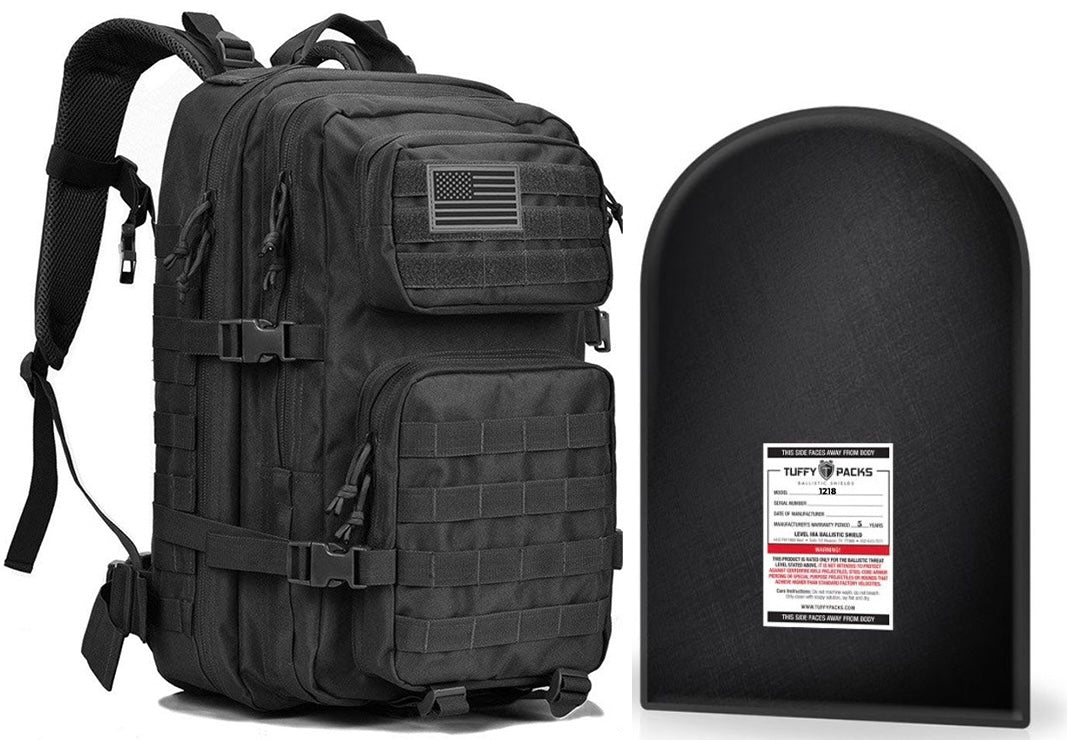
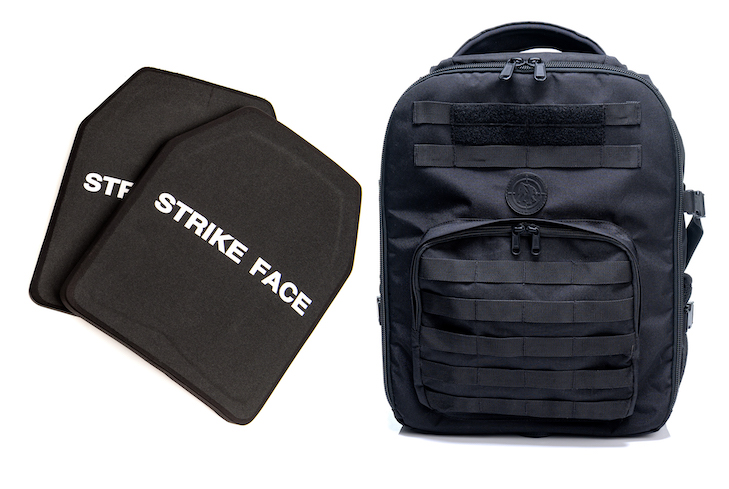
Let’s get one thing straight: a Level 3 insert is not a magic shield. It’s a specialized piece of engineering designed to stop a specific class of threats—primarily 5.56x45mm NATO rounds and 7.62x39mm (the ubiquitous AK-47 round) fired from rifles. This is a massive leap from the Level 2 or 3A soft armor that stops handgun rounds. The physics involved are brutal. When a rifle round strikes the ceramic face of the insert, it shatters, absorbing the kinetic energy and blunting the projectile. The polyethylene backing then catches the deformed “mushroomed” lead and copper fragments. The result is a violent, localized explosion of energy that happens in milliseconds, leaving you with a bruise the size of a dinner plate but, crucially, without a hole in your vital organs.
Must Read
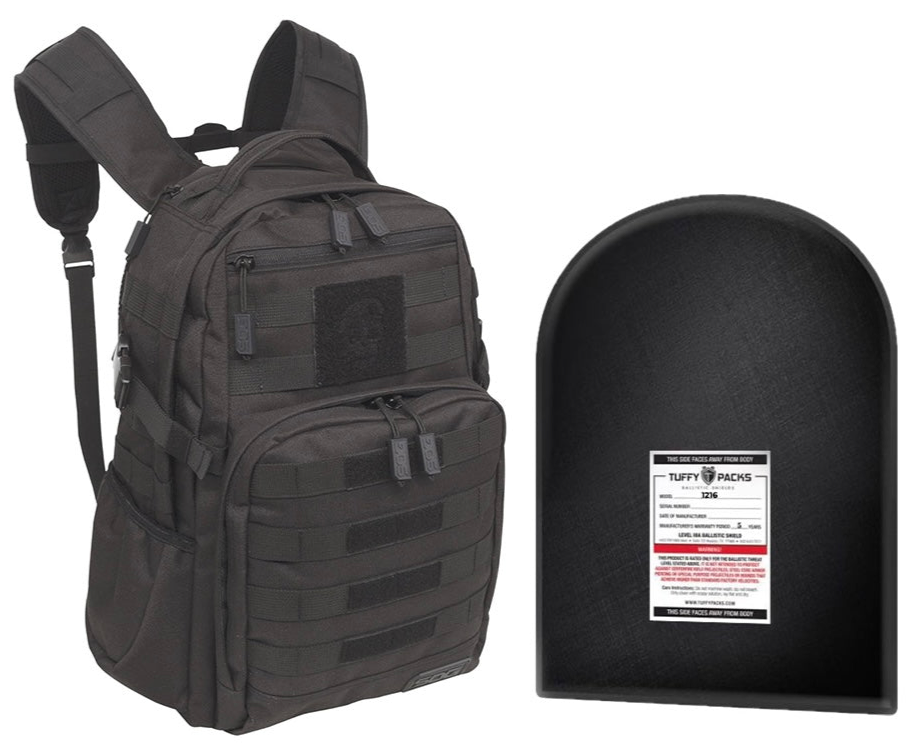
Here’s the darkly fun part: these plates are heavy. A standard Level 3 insert for a backpack weighs between 4 and 6 pounds. That might not sound like much, but slung over one shoulder for a full day, it’s the equivalent of carrying a large bag of flour or a bowling ball. This has created a bizarre subculture of “weight weenies” in the EDC (Everyday Carry) community, who obsess over the tensile strength of the nylon webbing in their backpacks and debate the merits of a 4.5-pound stand-alone plate versus a 5.5-pound multi-hit model. There’s a psychological weight, too. Knowing you have a slab of armor against your back can alter your posture—not out of strain, but out of a newfound, hyper-awareness of the space behind you.
Culturally, the insert has become a Rorschach test. To some, it’s a symbol of resilience and personal responsibility; to others, it’s a grim indictment of a society that has given up on preventing tragedy and has settled for merely surviving it. Filmmakers have started to subtly include them—a character adjusting a heavy backpack, a slight metallic clink as they toss it on a chair—as a visual cue of their paranoia or preparedness. It’s a piece of gear that has transcended its function to become a narrative device, a silent character that speaks to our collective anxiety about public spaces. It’s the material equivalent of turning your phone to “Do Not Disturb,” but for your physical existence.
Scenarios, Case Studies, and Practical Application
Consider the office worker in a high-rise. An active shooter scenario in a corporate campus is a statistical rarity, but the Level 3 insert isn’t for the office. It’s for the evacuation route—those terrifying, panicked moments where you are funneled into a stairwell or a parking garage. The insert turns your backpack—which usually holds a laptop, a water bottle, and a banana pencil case—into a mobile shield. The instinct is to run, but if you are caught in a bottleneck, the backpack becomes your primary defensive tool, not just for your back, but as a plate you can hold against your chest if you have to curl into a ball.

Then there’s the commuter. Picture the morning train, the 7:45 AM uptown express. The crowd is shoulder-to-shoulder. You’re packed in like a sardine, your personal space is a myth. A Level 3 plate adds rigidity to your backpack, making it less of a floppy sack and more of a structured fortress. It’ctually improves ergonomics in some ways, forcing you to distribute the weight properly on both shoulders. The practical takeaway here is the “backpack shield” technique: when moving, you keep the bag on your back. When you stop or seek cover, you swing it around to your front, holding it like a riot shield. It’s a movement that feels awkward at first, but with a level 3 plate, the buoyancy and rigidity of the board make it feasible.
For the female traveler or the night shift worker, the utility shifts. While marketed as “bulletproof,” the Level 3 insert is also an exceptional blunt-force trauma shield. It can absorb the impact of a falling object, a violent push, or even a shove against a wall. In situations involving physical assault—not just gunfire—the rigid plate acts as a corset of protection for your torso and spine. I read a case study of a cyclist who wore one in his pannier; he swerved into a car door and the plate absorbed the brunt of the impact, cracking his ribs on the opposite side but saving his internal organs from the initial blunt trauma.
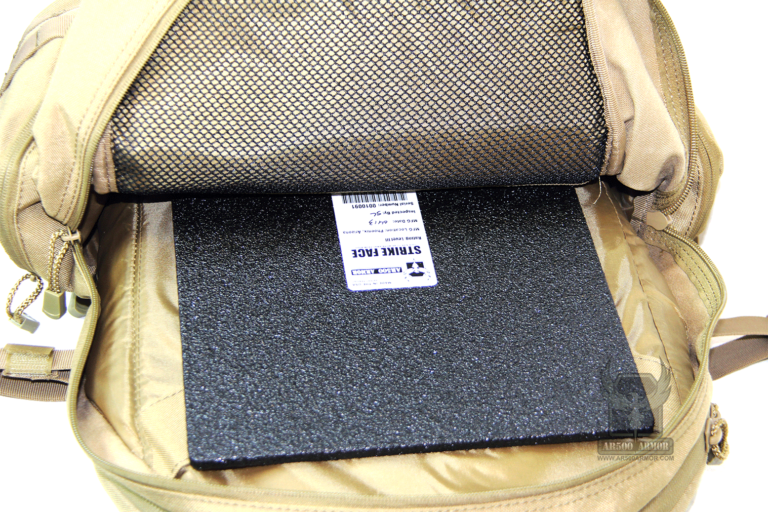
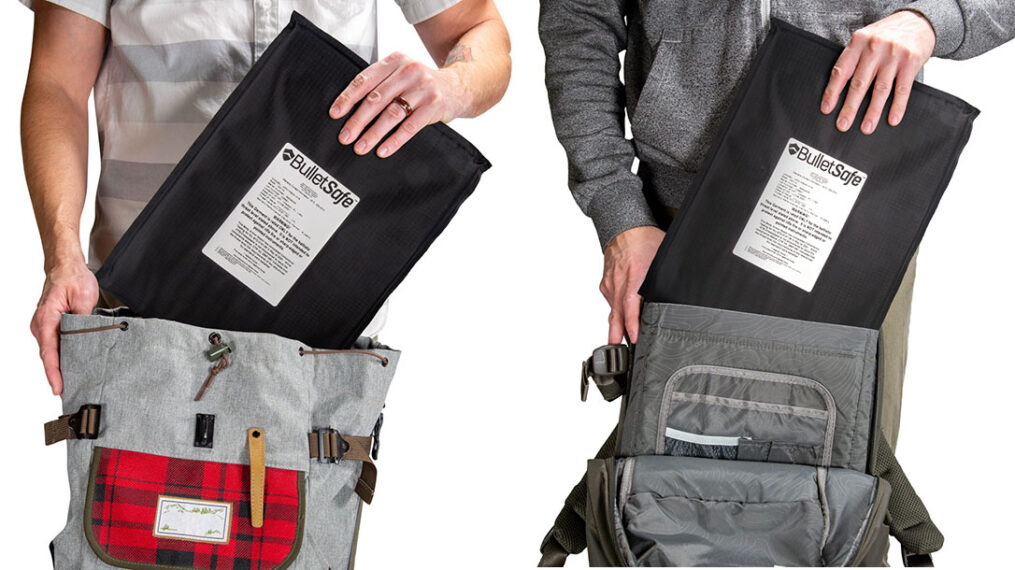
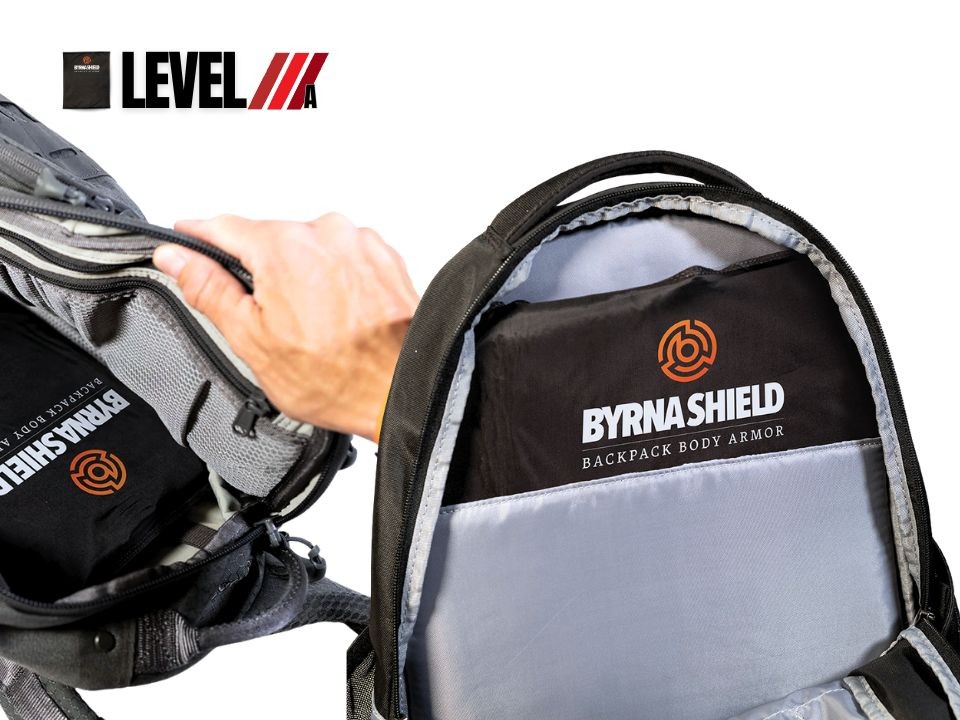
Actionable takeaway: don’t just buy a plate and shove it in any bag. You need a backpack with a dedicated armor sleeve or a sturdy hydration pack. The plate must sit flat against your back, high up, covering the T3 to T12 vertebrae region. If it’s sliding around, it’s useless. Also, consider the legality: in most jurisdictions, body armor is legal for civilians, but certain states have restrictions regarding possession during a felony or on school grounds. The ethics are thorny, too—carrying an insert into a school board meeting might send the wrong signal. My advice? Treat it like a fire extinguisher. You don’t want to use it, you hate that you need it, but you sleep a little better knowing it’s within reach.
Frequently Asked Questions
Will a Level 3 insert stop a handgun bullet?
Absolutely, and with alarming ease. Level 3 is specifically rated to stop rifle rounds like the 5.56mm and 7.62mm, which travel at significantly higher velocities (2,500-3,000 feet per second) than most handgun rounds. When a 9mm or .45 ACP round—which travels at a comparatively sluggish 1,100-1,300 feet per second—hits a Level 3 plate, it’s like throwing a grape at a brick wall. The ceramic face might not even crack. You will feel the impact, but the penetration depth will be zero. If you are considering an insert solely for urban threats where rifles are rare, a Level 3A soft panel might be lighter and more comfortable, but the Level 3 offers a hefty margin of safety against high-velocity rifle rounds that might be encountered in rare, extreme scenarios.

However, it’s crucial to understand angular hits. If a round hits the plate at a steep angle, the bullet can ricochet or “skip” off the edge, potentially entering the torso if not covered. That’s why proper placement and size matter. A Level 3 insert is typically 10” x 12”, which covers the vital organs in the chest and upper back when worn as a backpack insert. For handguns, you are over-armed with a Level 3, but this over-armament provides peace of mind that a lower level cannot, making it a versatile choice for those who want one plate to rule them all.
How heavy is it, and will it ruin my backpack?
The honest answer is: it’s heavy, and yes, it can ruin a cheap backpack. A Level 3 ceramic or polyethylene plate typically weighs between 4 and 5.5 pounds. Add a laptop, books, a gym outfit, and lunch, and you’re suddenly carrying 20+ pounds on your back. This is unacceptable for a traditional school backpack with thin straps and a flimsy frame. You will feel the strain in your shoulders and lower back within two hours. You absolutely need a backpack that is designed for this weight—one with a rigid internal frame, wide, cushioned shoulder straps, and a sternum strap to distribute the load.
Furthermore, the plate itself is rigid. It doesn't flex with the bag. This means it will press against the exterior fabric, causing wear over time. A dedicated armor pocket is necessary, often lined with foam to prevent the plate’s corners and edges from tearing the nylon. If you just toss a Level 3 plate in a standard Jansport, you’ll likely rip the bottom seam within a month of regular use. Treat the backpack as a piece of load-bearing equipment, not a fashion accessory. Buy quality. The backpack is the carrier; the plate is the payload.
Can I wear my backpack with this insert while driving or running?
That’s a very situational question. Driving is a no-go for comfort. The rigid plate sits against the car seat, creating a strange, elevated posture that can compromise your seatbelt’s fit—the lap belt will ride up, and the shoulder strap will sit incorrectly, which is a serious safety risk in a crash. If you commute by car, you should remove the backpack and place it on the passenger seat, using it as a shield on your lap if necessary, or just keep it in the trunk. Driving with a rigid plate wedged between you and the seat is an ergonomic nightmare.
Running is possible but highly impractical for long distances. The 4-5 pound load, even in a snug backpack, will cause the bag to bounce and shift. The kinetic chafing can cause back sweat and discomfort. For tactical running—think escape and evasion—you can use a single-strap sling bag and hold the plate with your off-hand, using it as a shield while you run. But for a morning jog, it’s a miserable experience. It’s a piece of gear for stationary or low-movement scenarios: sitting at a desk, standing in a crowd, or navigating a building. It is not designed for dynamic athletics.
What is the lifespan of a Level 3 plate?
Level 3 plates made of UHMWPE (polyethylene) are generally considered to have a shelf life of 5 to 10 years, depending on the manufacturer's rating. The polymer degrades over time due to heat, UV exposure, and flexing. Ceramic plates can last longer, but their lifespan is dependent on the integrity of the ceramic core. If the plate takes a hit—even one that doesn’t penetrate—its internal structure is compromised. The ceramic fractures, and the ballistic fiber backing can delaminate. You don’t get a visual indicator of this damage; the plate might look fine but will lose its integrity. You should replace a plate immediately after any impact, regardless of observable damage.
Environmental degradation is also a factor. Never store your plate in a hot car. The interior of a car in summer can reach 140 degrees Fahrenheit, which can weaken the polymer matrix. Similarly, do not submerse it in water for long periods. Most inserts are waterproof, but prolonged moisture can affect the adhesives holding the layers together. Treat it like a high-end electronic device. Keep it in a climate-controlled environment, inspect it every six months for warping, crushing, or deformation, and remember that the plate is a consumable safety item, not an heirloom.
Is it ethical to carry a bulletproof backpack insert?
This is the heavy question. Ethically, the argument is one of individual sovereignty and protection. We wear seatbelts, helmets, and sunscreen—all forms of passive protection against probabilistic threats. A backpack insert is no different; it’s a prophylactic measure against an extreme outlier event. There is nothing unethical about choosing to armor yourself; the American legal system has long upheld the right of civilians to own body armor (with some caveats). The ethical dilemma arises when we recognize that this individual protection does nothing to address the root causes of gun violence. It is a Band-Aid, not a cure.
Critics argue that the normalization of carrying armor desensitizes us to violence, making us complacent in a society where classrooms and grocery stores are treated as potential war zones. They argue that this armor shifts the burden of safety from the state to the individual, creating a fragmented, “every man for himself” mindset. Conversely, proponents argue that in the absence of guaranteed safety, the individual has a moral duty to protect themselves and their dependents. There is no easy answer. Ultimately, the ethics are on you. Carrying the plate is not a political statement; it is a personal calculation. For me, it’s no more unethical than carrying an umbrella in case of rain—it acknowledges that the weather is unpredictable, but it doesn’t make you the storm.
In our daily lives, we engage in a constant, invisible calculus of risk. We cross streets against the light because we calculate the odds. We choose organic food over processed, we floss, we stretch. The Level 3 insert is simply an odd, heavy extension of that primal calculus. It forces us to confront our own mortality not with a philosophical sigh, but with a physical, tangible response. It’s a heavy object to carry, both literally and metaphorically, and it reminds us that vulnerability is the human baseline condition.
I find a strange comfort in that weight. It’s a solid, physically undeniable reminder that I matter—that my body, my back, my lungs, and my heart are worth protecting. It’s a perverse form of self-love, a commitment to being proactive in a reactive world. It turns the abstract idea of "safety" into something you can hold in your hands, something that smells faintly of industrial polymers and cold metal. It’s the opposite of denial; it’s a hard acceptance of possibility.
Ultimately, the bulletproof backpack insert isn’t about bullets. It’s about attention. It’s about the decision to be present in the chaos, to have, if not a plan, then at least a shield. It is a strange, heavy, brilliant piece of modern technology that whispers, "The world is not safe, and neither are you." But carrying it is a defiant scream back: "But I am still here, and I am still going." And that, at the end of the day, is a lifestyle choice worth its weight in steel.