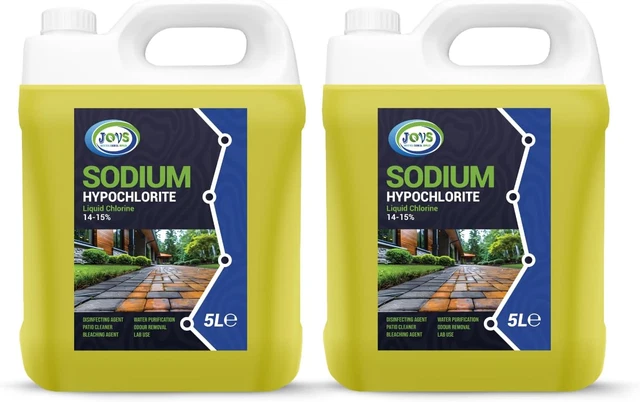
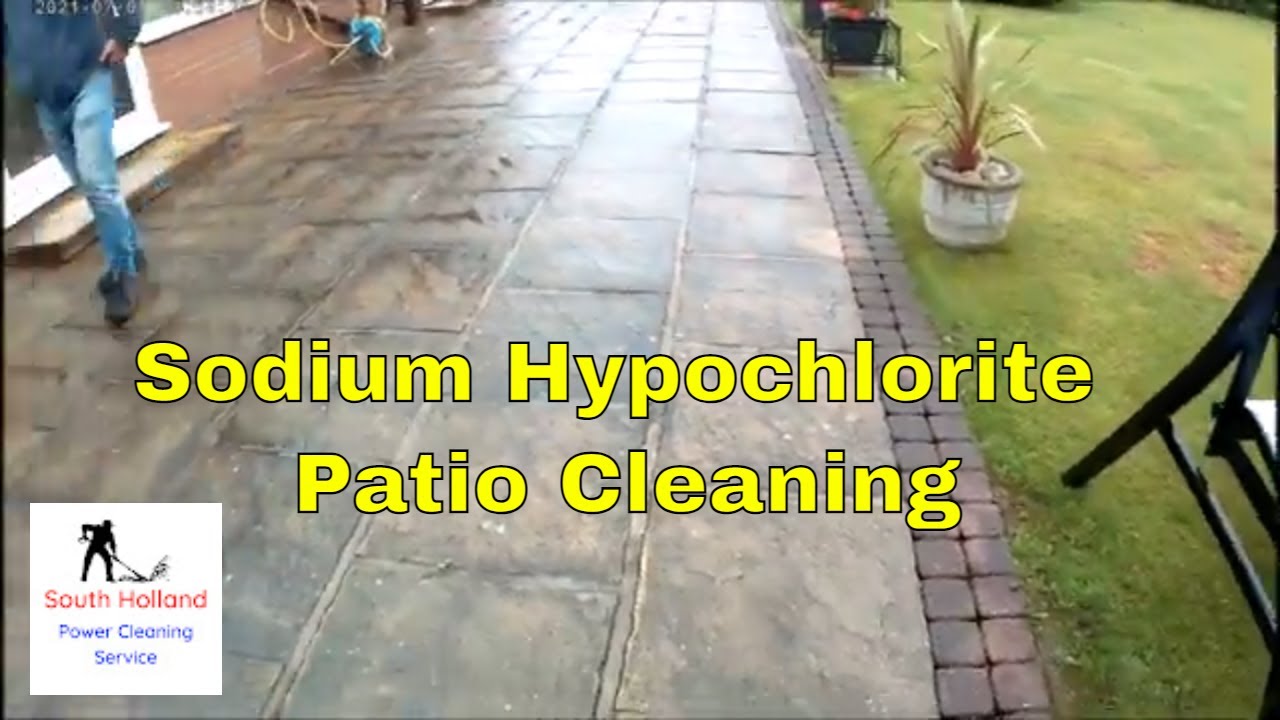
Sodium Hypochlorite Patio Cleaner

Let’s talk about the unsung hero of backyard transformations: sodium hypochlorite. Yes, that’s the very same stuff that makes your white socks gleam. But on a patio? It’s basically a green slime eraser with a superhero cape.
The Science-y Stuff (But Make It Fun)
Sodium hypochlorite is just bleach’s cooler, more athletic cousin. When it hits your concrete, it doesn’t just scrub—it oxidizes. That means it chemically attacks the organic gunk, like algae and mold, until they cry uncle and disappear.
Think of it as a tiny, invisible army of oxygen molecules. They march onto your patio, high-five the stains, and then blow them up at a molecular level. Poof! No more green slick that makes you slip and do the splits.
Must Read
Quirky Fact #1: It’s a Zombie Killer
Mold and mildew are basically plant zombies. They feed on moisture and shade, slowly eating your concrete’s soul. One splash of this cleaner, and they turn to dust faster than a vampire in sunlight. You’re welcome, patio.
But here’s the kicker: it doesn’t just clean the surface. It leaves a residual barrier that tells future gunk, “Nope, not today.” It’s like putting a bouncer outside your house for microscopic party crashers.

Why It Feels Like Magic
You’ve scrubbed with a brush until your arms ache. You’ve tried vinegar, baking soda, and maybe a prayer. Then you spray this, wait ten minutes, and rinse. The concrete looks brand new. It’s not magic—it’s chemistry with a great PR team.
Plus, the smell? It’s like a pool day mixed with a laundry fresh punch. It’s the scent of victory over grime. Just don’t huff it, okay? Your nose is not the target audience.

Quirky Fact #2: It’s Older Than Your Grandparents
People have been using hypochlorites since the 1700s. That means sailors were bleaching decks while wearing wigs. Also, it’s the active ingredient in many pool sanitizers. So, when you clean your patio, you’re basically giving it a swimsuit-level spa day. Fancy.
Fun side note: It’s also used to treat drinking water in emergencies. So, your patio cleaner could literally save your life in a zombie apocalypse. Multitasking queen.

The "Don’t Be a Hero" Rules
Yes, it’s strong. That’s the point. But don’t mix it with ammonia or any other cleaner. You’ll create toxic gas, and nobody wants a science experiment that ends in a hospital trip. Just water + bleach, folks.
Wear gloves and old shoes. If it splashes on your jeans, they’ll come out with white spots that look like artistic polka dots. Also, rinse your plants before and after—they hate the chlorine vibe.

Quirky Fact #3: It Makes Weeds Vanish
Spray it on the cracks, and the little green invaders will shrivel up. You’re not just a patio cleaner anymore—you’re a botanical warlord deciding who lives in the pavement kingdom. Mwahaha.
Here’s the best part: it’s cheap. A gallon costs less than a fancy coffee. You’ll spend a few bucks and get a patio that looks like it was installed yesterday. Your neighbors will squint, jealous, wondering if you hired a pressure-washing crew. Tell them you’re a chemical genius.
So go ahead. Grab a sprayer, channel your inner mad scientist, and unleash the bleach. Just remember to smile while you do it—because nothing says “domestic victory” like winning a war against green slime. Your patio will thank you with a shine so bright, you’ll need sunglasses.