Sre Interview Questions And Answers

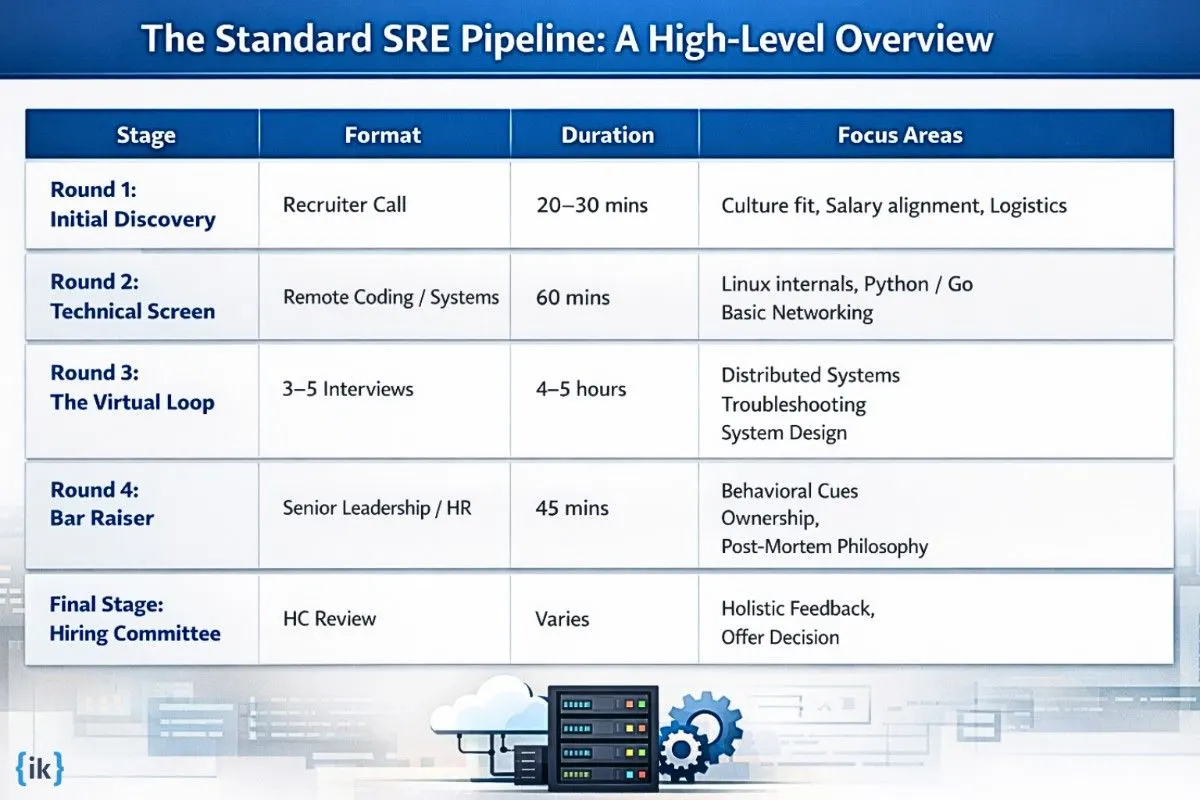
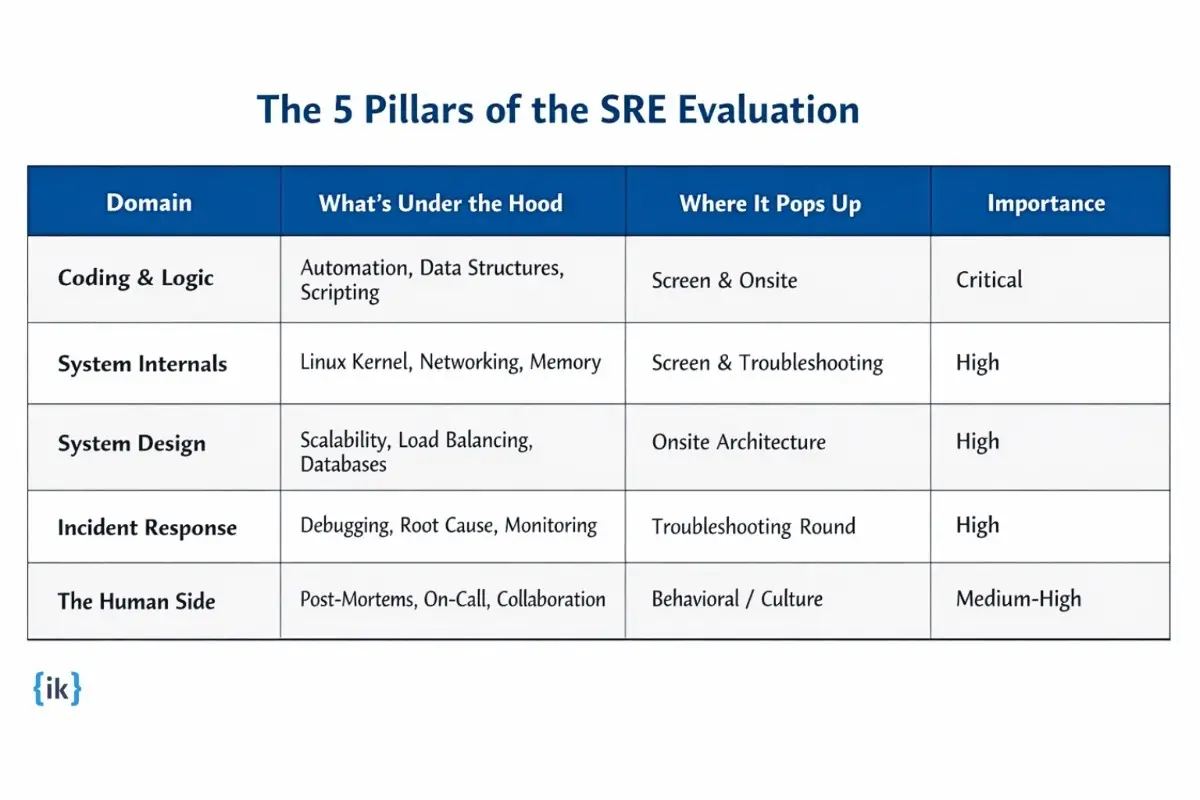
Everyone loves a good plot twist, and the world of Site Reliability Engineering (SRE) is full of them. The most popular interview questions aren’t just about memorizing commands; they’re about how you think when the building is on fire. It’s a creative puzzle where the answer is often a balance between automation and human wisdom.
For the aspiring SRE, this is your chance to shine by showcasing your problem-solving mindset. Even if you’re a hobbyist coder or a casual tech enthusiast, learning these questions helps you build resilient systems in your own projects. You’ll discover how to design things that fail gracefully, saving you from late-night panic attacks.
The real magic lies in the scenario-based questions. You might be asked, “How do you handle a 5x spike in traffic?” or “Your database is down, what’s your first move?” These are not tests of memory but of your ability to prioritize under pressure.
Must Read
Another favorite is the “Error Budget” question—where you explain the beauty of allowing a certain level of failure to encourage faster innovation. This flips the script on traditional uptime obsession. It’s a refreshing, philosophical take on engineering that rewards pragmatism over perfection.
Then there’s the classic “What’s the difference between SRE and DevOps?” A great answer isn’t about defending one tribe; it’s about acknowledging that SRE is the implementation of DevOps principles. You get to talk about culture, shared ownership, and the joy of eliminating toil.
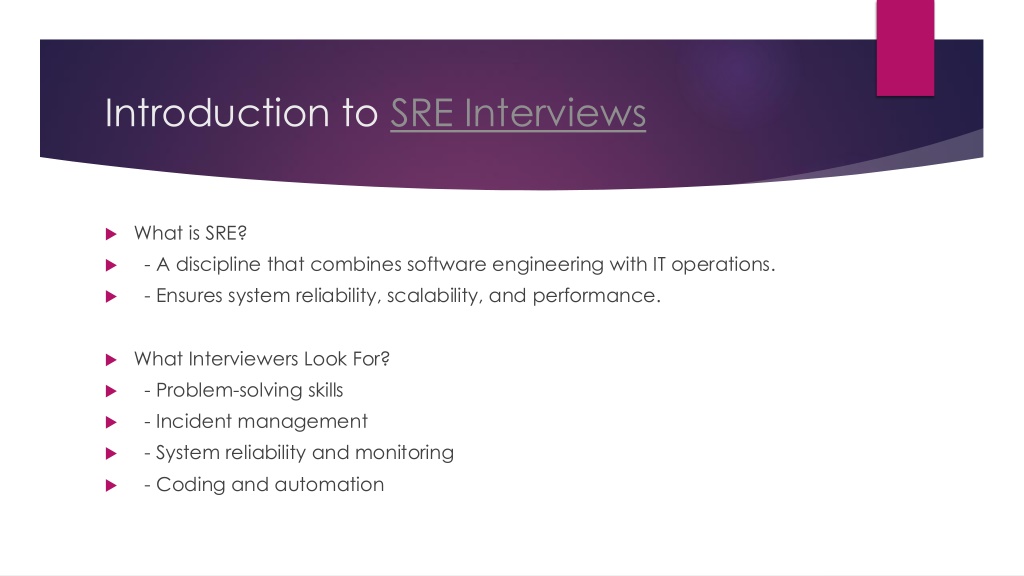
Don’t forget the coding questions, often involving writing a simple script to parse logs. Here, the focus is on clean, idempotent code that you’d be proud to run in production. The interviewer wants to see if you can automate a tedious task without breaking the whole world.
To practice at home, start by breaking your own projects on purpose. Turn off a service, watch your metrics spike, and then write a runbook for how you fixed it. Use free tools like Prometheus or even a simple Grafana dashboard to visualize your chaos.

Record yourself answering a question out loud; you’ll be surprised how much clarity that brings. Try to explain an incident to a non-tech friend. If they grasp the core issue, you’ve mastered the art of communication, which is half the battle.
Finally, remember that the goal isn’t to have “perfect” answers but to show curiosity and a willingness to learn. The best candidates admit when they don’t know and then outline a logical path to discovery. This humility is the heartbeat of SRE culture.
Ultimately, exploring these questions is an absolute joy because it turns anxiety into a fun detective game. You’re not just learning how to fix tech; you’re learning how to think about risk, automation, and teamwork. Every question is a tiny adventure, and the answer is whatever keeps the users happy and your sanity intact.