
Masters In Public Health In India

Imagine you’re at a giant, chaotic, absolutely delicious Indian wedding. Someone spills chai on the bride’s lehenga, a toddler escapes into the dance floor, and three relatives argue about the proper way to cut a cake. Now, imagine you’re the hero who fixes the chai stain, redirects the toddler, and gets everyone laughing again—without anyone noticing you did a thing.
That, my friend, is what a Master’s in Public Health (MPH) in India feels like. You become the behind-the-scenes superhero of entire populations. You’re not just fighting germs; you’re wrestling with traffic pollution, street food safety, and why half the city forgot to take their Vitamin D. It’s less “lab coat and microscope” and more “spreadsheet and street-smart detective work.”
The Awesome Chaos You’ll Tackle
In India, public health is a spicy, layered, 1.4-billion-person puzzle. One day you’re studying rural water contamination; the next, you’re figuring out why urban office workers have exploding stress levels. You get to play with data, policy, and human behavior—all while wearing jeans, not a stethoscope.
Must Read
Think of it as learning to steer a massive, wonderful, slightly wobbly ship called “Everyone’s Wellbeing.”You won’t perform surgeries, but you’ll design the system that makes sure surgeries happen safely. If a hospital is a sports car, you’re the mechanic who makes sure the road doesn’t have potholes.
Why India Is The Best Classroom Ever
Forget boring textbooks—India is a living, breathing laboratory. Where else can you study monsoon fever outbreaks in Mumbai, air pollution in Delhi, and malnutrition in a remote village, all in one degree? Every field visit feels like a thrilling episode of a reality show, except the prize is saving lives.
The best part? The National Health Mission and countless NGOs are always hungry for fresh brains. You’ll learn to bend government schemes, charm local leaders, and make a tiny budget stretch like a rubber band. By graduation, you’ll have the negotiation skills of a seasoned auto-rickshaw driver and the analytical mind of a chess grandmaster.
What You’ll Actually Learn (And Why It’s Fun)
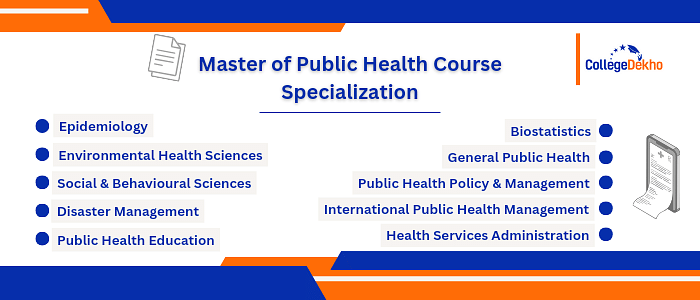
You’ll start with Epidemiology—that’s the science of “who got sick, where, and why.” Imagine being a disease detective, but instead of a magnifying glass, you use a laptop and a suspiciously sharp eye for detail. Then comes Biostatistics, which sounds scary but is just learning to read numbers like a fortune teller reads palms.

You’ll also dive into Health Economics, where you’ll decide if a ₹10 vaccine is worth more than a ₹10,000 hospital bed. And let’s not forget Health Policy—where you’ll learn that changing one rule in Delhi can affect a million lives in Bihar. It’s like playing Jenga, but the blocks are human beings, and you’re trying not to make the tower fall.
The Superpower You’ll Gain
The real magic of an MPH in India is that you learn to think on your feet. You’ll do a summer internship at a community health center and suddenly realize that the biggest problem isn’t the virus—it’s the patient’s mother-in-law who doesn’t believe in hand soap. You’ll create a comic book to convince her. And it’ll work.

You’ll graduate with a crazy skill set: making PowerPoints that don’t put people to sleep, writing grant proposals that make donors weep with joy, and convincing a skeptic uncle that vaccines are not a government chip. Honestly, it’s the most practical superpower you can get without a cape.
Who Is This For? (Spoiler: Maybe You)
If you’ve ever yelled at the TV about hospital wait times, or felt a pang of guilt about plastic waste, this degree is for you. It’s perfect for dreamers who also love spreadsheets, and for doers who enjoy long bus rides to remote health camps. You don’t need a medical degree—just a curious mind and a stubborn heart.

Yes, there will be group projects where someone doesn’t pull their weight. Yes, you’ll read a 200-page report on sewage systems and cry a little. But then you’ll visit a village where a simple hand-washing campaign cut diarrhea cases by half, and you’ll feel like a rockstar. A rockstar with a clipboard.
The Golden Ticket
India’s public health sector is booming, and the government is investing billions. Hospitals, startups, and global health organizations are desperately hunting for MPH graduates. You can work from a metro city office or a dusty district headquarters—either way, you’ll be needed.
An MPH in India is not just a degree; it’s a backstage pass to the biggest show on Earth—the show of keeping 1.4 billion people alive, happy, and reasonably unpolluted.So, if you’re ready to trade a boring 9-to-5 for a chaotic, meaningful, and wildly entertaining career, start packing your bags. The chai spills are waiting, and you’re the hero they need.


![The Career Guide to Pursuing a Master of Public Health [MPH] Course in 2024](https://sgtuniversity.ac.in/assets/images/faculty/medicine-health-science/blogs/master-of-public-health-mph-course-guide-2024.webp)