How Much Calcium Should I Take Per Day

The human body is a complex machine, and like any machine, it requires the right balance of components to function optimally. One of the most crucial elements for our bodily functions is calcium, a mineral that plays a central role in building and maintaining strong bones and teeth, as well as supporting muscle and nerve function. However, the question of how much calcium we should take per day is a bit more nuanced, depending on factors like age, sex, and overall health.
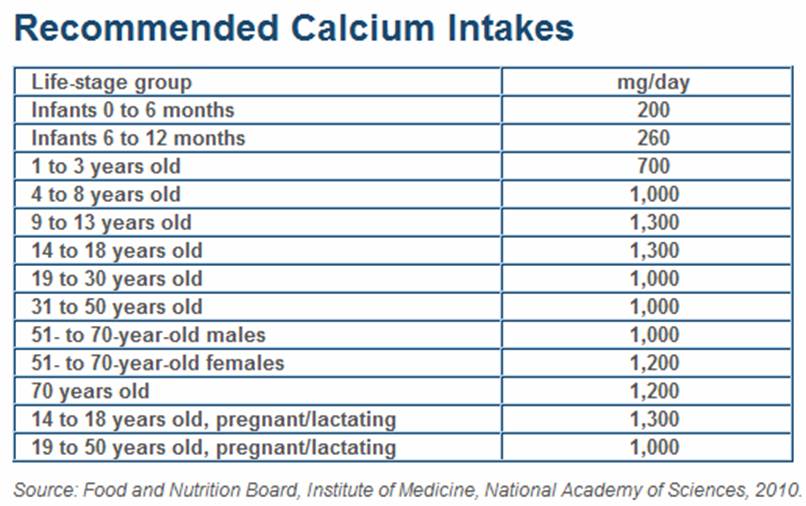
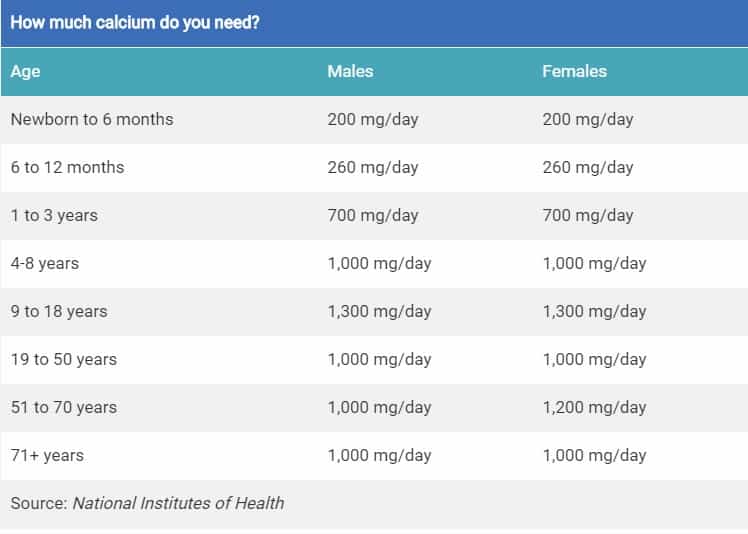
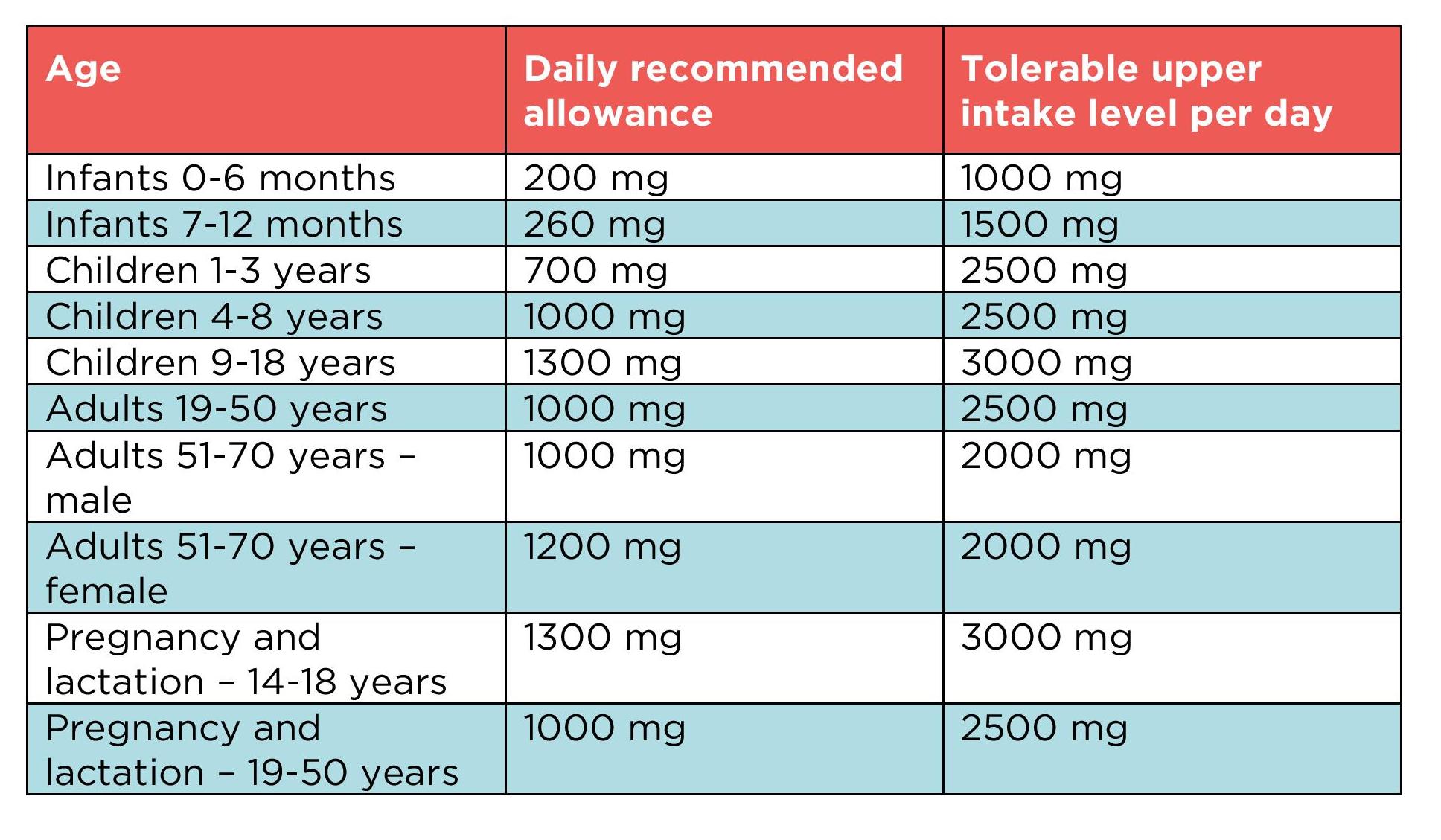
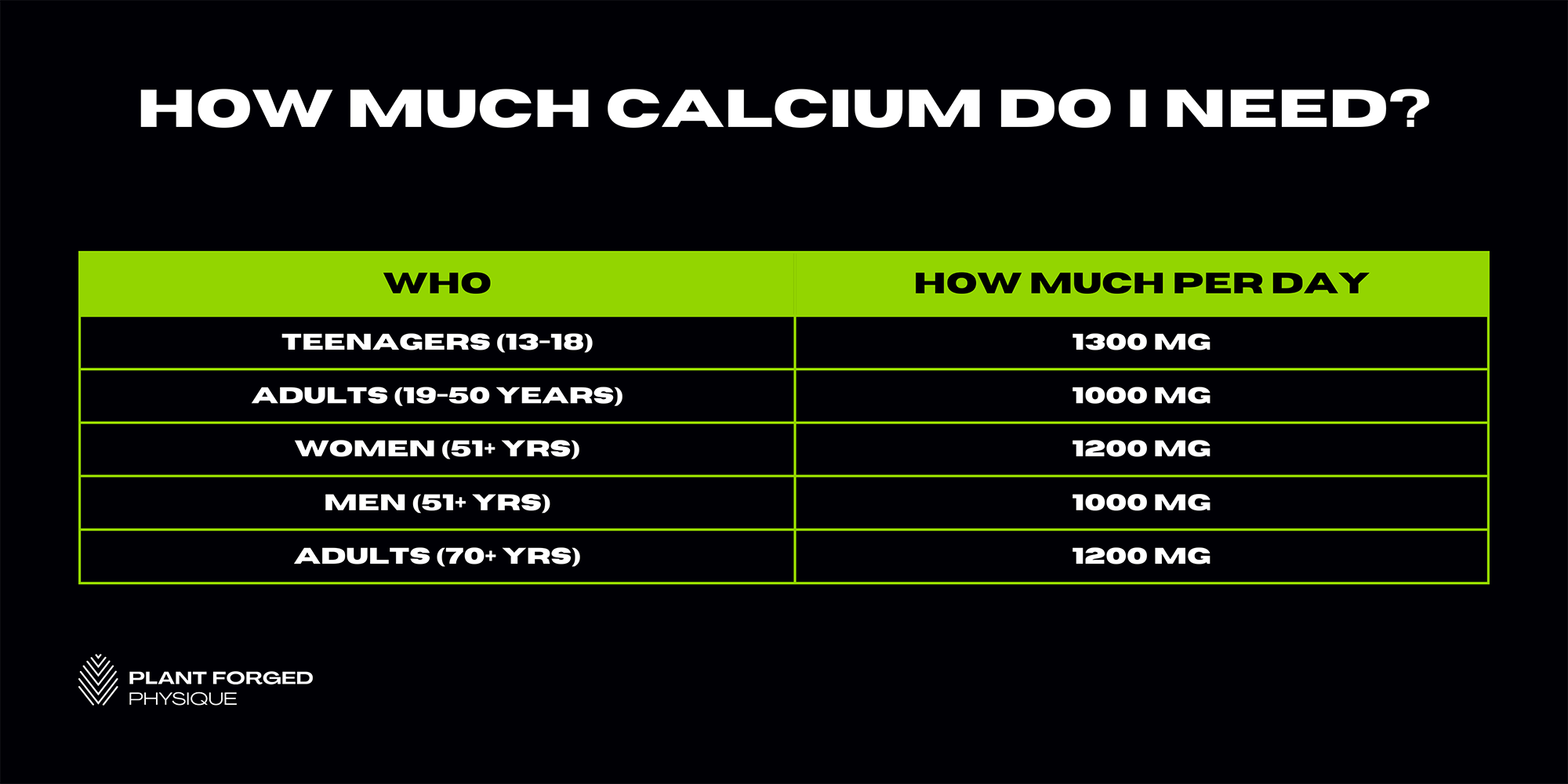
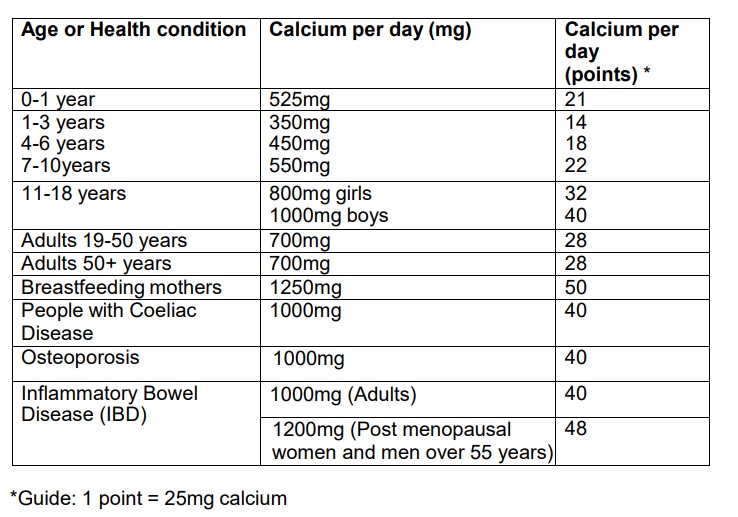
At its core, calcium intake is about finding the sweet spot where our bodies get enough to support bone health without overloading on the mineral, which can lead to negative side effects. The recommended daily intake of calcium varies, with adults needing about 1,000 mg per day, according to many health organizations. This amount can be obtained through a combination of dietary sources, such as dairy products, leafy greens, and fortified foods, as well as supplements for those who are deficient or at risk of deficiency.
Understanding the biology of calcium absorption is also key. The body absorbs calcium most efficiently when it's taken in smaller doses, ideally no more than 500 mg at a time. Furthermore, vitamin D plays a critical role in enhancing calcium absorption, making it a significant factor in bone health. Ensuring adequate vitamin D levels, either through sunlight exposure, dietary sources, or supplements, is essential for maximizing the benefits of calcium intake.
Must Read
Understanding Calcium's Role in the Body
Delving deeper into the physiology of calcium, it's clear that this mineral is vital for more than just bone health. Calcium is essential for muscle contraction and relaxation, and it plays a role in nerve function and impulse transmission. The body maintains a very tight control over blood calcium levels, as any significant deviation can lead to serious health issues. This regulation is managed primarily by the parathyroid glands, which produce hormones to either increase or decrease calcium levels as needed.
Moreover, the chemical properties of calcium make it a versatile mineral. In the form of calcium carbonate or calcium citrate, it can be used effectively as a dietary supplement. However, the choice between these forms can affect absorption, with calcium citrate being more easily absorbed by the body, especially in individuals with low stomach acid production.
Considering the systemic reactions related to calcium intake, it's evident that while calcium is crucial, excessive intake can lead to kidney stone formation and hardening of arteries, among other issues. Therefore, balancing calcium intake with other nutrients, such as magnesium and vitamin K2, is vital for optimal health benefits and minimizing risks.
Mastering Calcium Intake for Optimal Health
To optimize calcium intake, one must adopt a strategic approach that combines dietary habits, supplement use, and lifestyle adjustments. First, assessing dietary calcium intake is essential, which can be done by tracking food intake and calculating the calcium content of consumed foods. Utilizing online resources or consulting with a healthcare provider can provide a more accurate assessment and guide toward the best course of action.
For individuals with a deficiency or those at risk, calcium supplements can be highly beneficial. However, choosing the right type and dosage is crucial. Consulting with a healthcare provider before starting any supplement regimen is advisable to ensure the supplements align with overall health needs and do not interact negatively with other medications or health conditions.
Furthermore, lifestyle adjustments can also enhance calcium absorption and bone health. Regular physical exercise, particularly weight-bearing activities, can stimulate bone growth and density. A balanced diet rich in fruits, vegetables, whole grains, and lean proteins supports overall health and can help meet calcium needs. Additionally, managing stress levels through practices like meditation or yoga can indirectly contribute to better bone health by mitigating the negative effects of stress on the body's hormonal balance.
Lastly, being aware of potential interactions between calcium supplements and other nutrients or medications is important. For example, calcium can interfere with iron absorption, so it's recommended to take these supplements at different times of the day. Similarly, certain medications like antacids can affect calcium absorption, necessitating careful management under the guidance of a healthcare professional.
Frequently Asked Questions
How Does Calcium Intake Affect Bone Density in Older Adults?
Calcium intake plays a critical role in maintaining bone density in older adults, helping to prevent conditions like osteoporosis. As we age, our bodies naturally lose bone mass, but adequate calcium intake, combined with vitamin D, can slow this process. It's recommended that older adults, especially post-menopausal women and men over 70, increase their calcium intake to 1,200 mg per day to support bone health.

Practically, this can be achieved through a combination of diet and supplements. Foods rich in calcium, such as fortified dairy products and leafy greens, should be consumed regularly. For those with a diagnosed deficiency or at high risk of osteoporosis, consulting with a healthcare provider about the best supplementation strategy is crucial. Lifestyle adjustments, including regular exercise and not smoking, also play significant roles in maintaining bone density and overall health.
Can Excessive Calcium Intake Lead to Health Problems?
Yes, excessive calcium intake can indeed lead to several health issues. One of the primary concerns is the formation of kidney stones, which can be extremely painful and may require medical intervention. Additionally, hardening of the arteries (atherosclerosis) is another potential risk, as excess calcium can accumulate in artery walls, leading to restricted blood flow and increased risk of heart disease.
To avoid these issues, it's vital to monitor calcium intake closely. For most adults, staying within the recommended daily intake of 1,000 mg is advised. Those considering supplements should consult with a healthcare provider to determine the appropriate dosage based on individual health needs and to minimize the risk of adverse effects. Regular health check-ups can also help in early detection and management of any emerging issues related to calcium intake.
How Does Vitamin D Impact Calcium Absorption?
Vitamin D plays a crucial role in calcium absorption
In practice, individuals can boost their vitamin D levels by spending a few minutes outside during peak sun hours several times a week, eating vitamin D-rich foods regularly, or taking supplements as recommended by a healthcare provider. It's also important to note that vitamin D deficiency is common, especially in regions with limited sunlight during certain parts of the year, making supplementation a significant consideration for maintaining optimal bone health.
What Are the Best Dietary Sources of Calcium?
The best dietary sources of calcium include dairy products like milk, cheese, and yogurt, leafy greens such as broccoli, kale, and spinach, and fortified foods like cereals and plant-based milk. Other sources include tofu, edamame, and almonds. Incorporating a variety of these foods into one's diet can help meet daily calcium needs without resorting to supplements, unless otherwise advised by a healthcare provider.
A balanced diet that includes these calcium-rich foods can provide numerous health benefits beyond bone health, such as supporting heart health and aiding in weight management. Additionally, reading food labels can help individuals make informed choices about the calcium content of the foods they consume, allowing for better planning and management of dietary calcium intake.

How Can I Ensure I'm Getting the Right Amount of Calcium?
Ensuring the right amount of calcium intake involves a combination of dietary planning, potential supplementation, and regular health check-ups. Starting with a dietary assessment to calculate current calcium intake from food sources is a practical first step. This can be done using online calcium calculators or through consultation with a dietitian or healthcare provider.
Based on the assessment, individuals can then decide if supplementation is necessary. It's crucial to choose the right type of calcium supplement and to follow the recommended dosage to avoid excessive intake. Regular health check-ups can provide valuable insights into bone health and help identify any potential issues early on, allowing for timely adjustments to calcium intake and supplementation strategies as needed.
Conclusion
Respecting the science behind calcium intake and its impact on our bodies can make us more efficient and healthier humans. By understanding the complexities of calcium absorption, the importance of vitamin D, and the potential risks of excessive intake, we can take empowered steps toward optimizing our bone health and overall wellbeing. This involves not just focusing on calcium but adopting a holistic approach to health, incorporating balanced diets, regular exercise, and informed supplement use.
Ultimately, the goal is to harmonize our lifestyle choices with the biological needs of our bodies, leveraging knowledge about calcium and other nutrients to live healthier, more vibrant lives. As we continue to learn more about the intricacies of human nutrition and health, embracing a data-driven, pragmatic approach to our daily choices can lead to profound positive changes in our quality of life and our ability to thrive.