Laser Tripwire Alarm Security System
Imagine turning your home into a scene from a spy movie, where a silent beam of light guards your every door and window. That’s the magic of a laser tripwire alarm security system—a project that’s as thrilling to build as it is genuinely useful. It’s a favorite among hobbyists, tinkerers, and anyone who loves the “wow” factor of tech that actually protects their space.
What Exactly Is It?
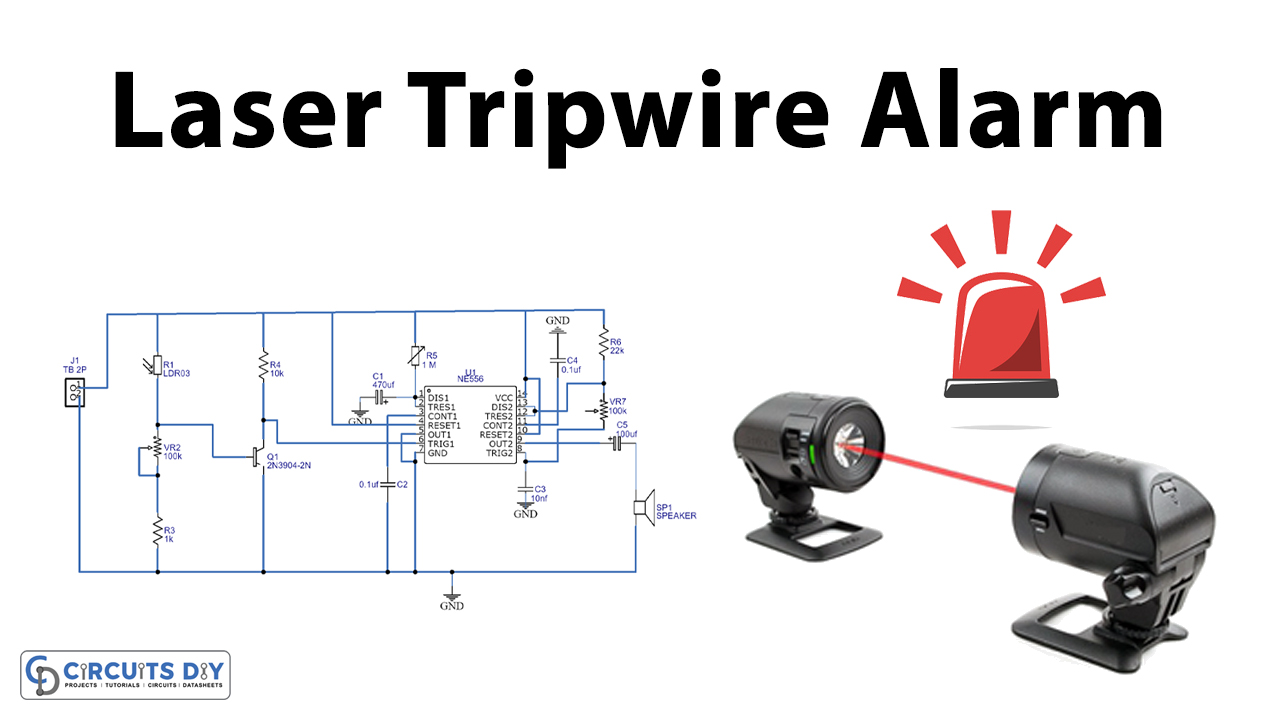
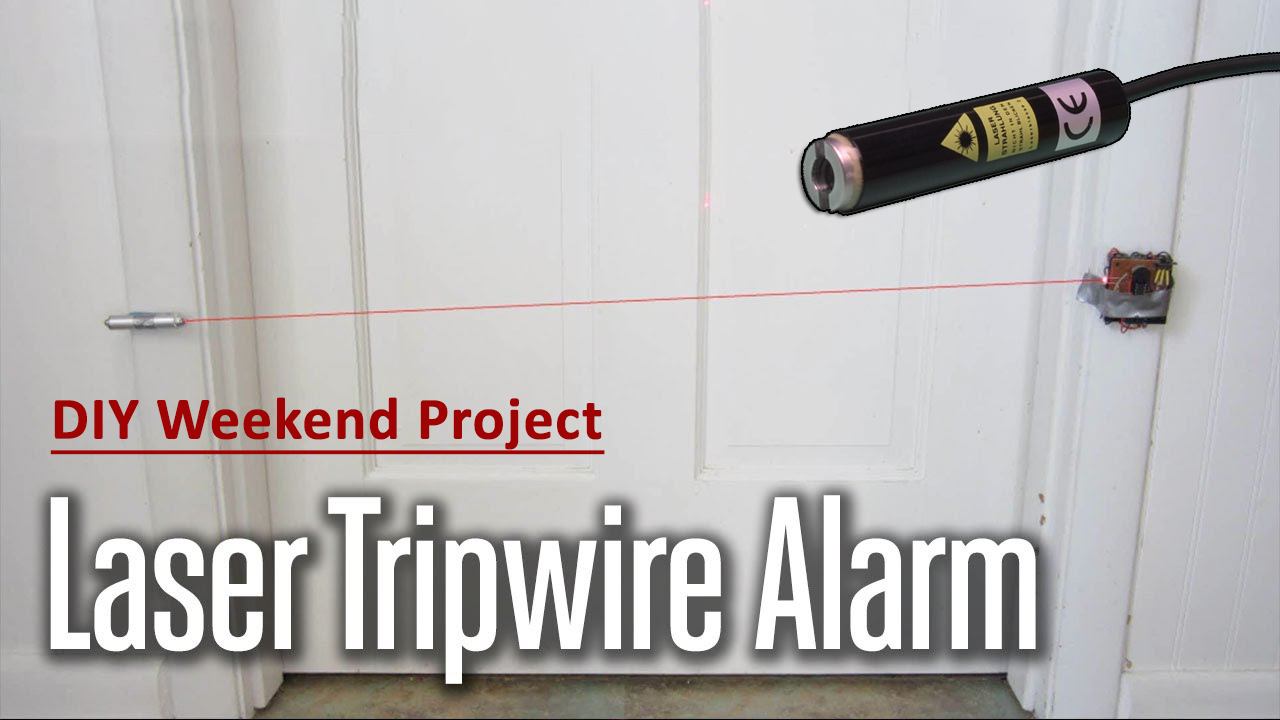
At its core, the system works like a high-tech tripwire. A laser emitter shoots a beam across a doorway or hallway to a sensor on the opposite side. When an intruder—or your sneaky cat—breaks that beam, the circuit triggers an alarm, a light, or even a notification on your phone.
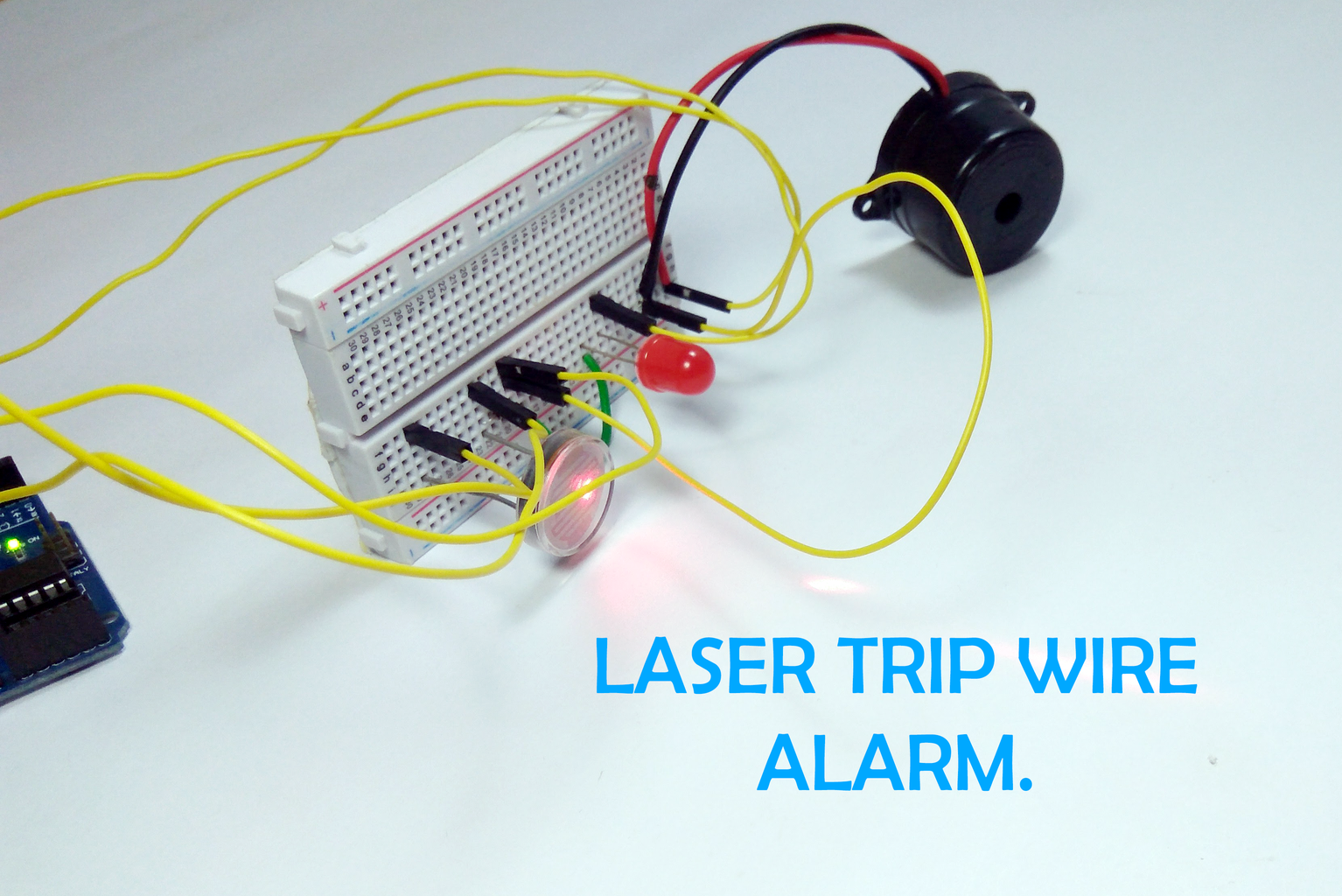
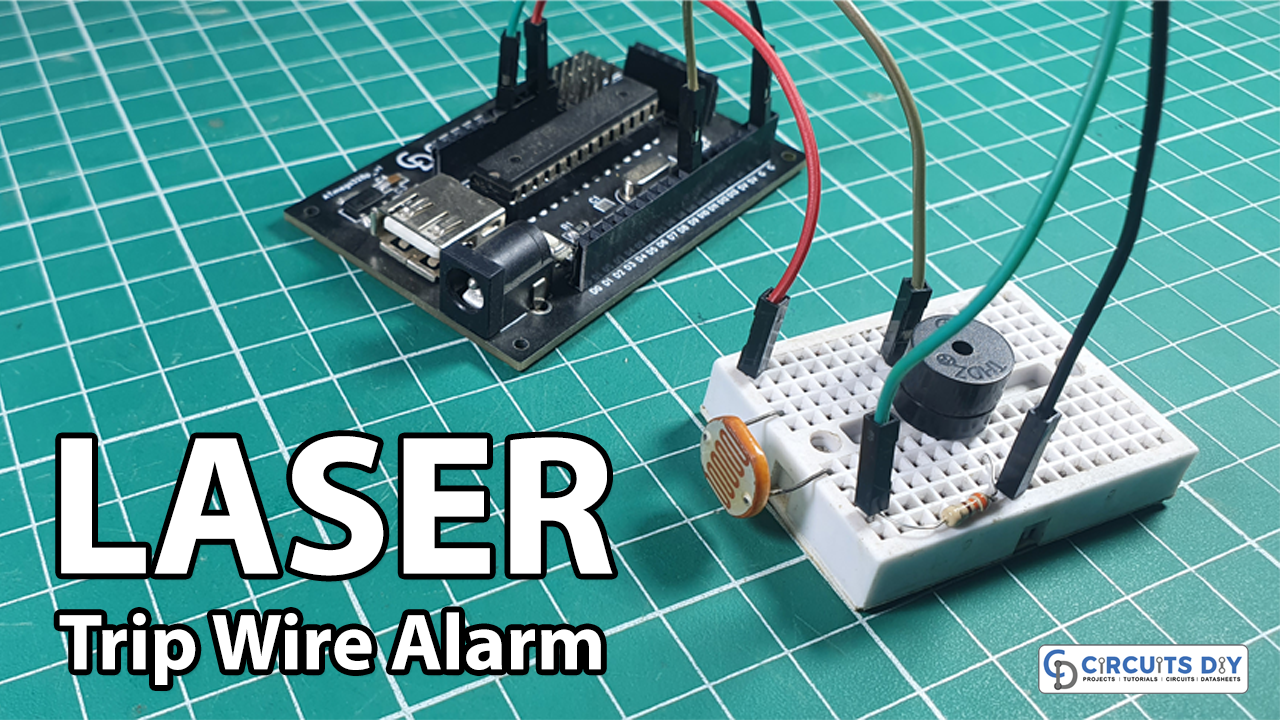
You can buy pre-made kits, but building your own with a laser diode, a photoresistor, and a microcontroller like an Arduino is far more rewarding. It’s a weekend project that teaches you basic electronics while giving you a custom security tool.
Why You’ll Love It
First, it’s surprisingly affordable—most parts cost under $30 total. Second, it’s fully customizable: you decide the sensitivity, the alarm sound, and even add a secret bypass switch for yourself.
But the real fun? Watching your friends’ faces when they walk into a “laser field” and a loud beep goes off. It’s equal parts security and entertainment.
“The best security systems don’t just protect; they also impress.”
The Real Benefits
Beyond the cool factor, this system serves a practical purpose. It’s perfect for protecting a home office, a child’s room, or a garage entry—places where motion sensors might give false alarms.
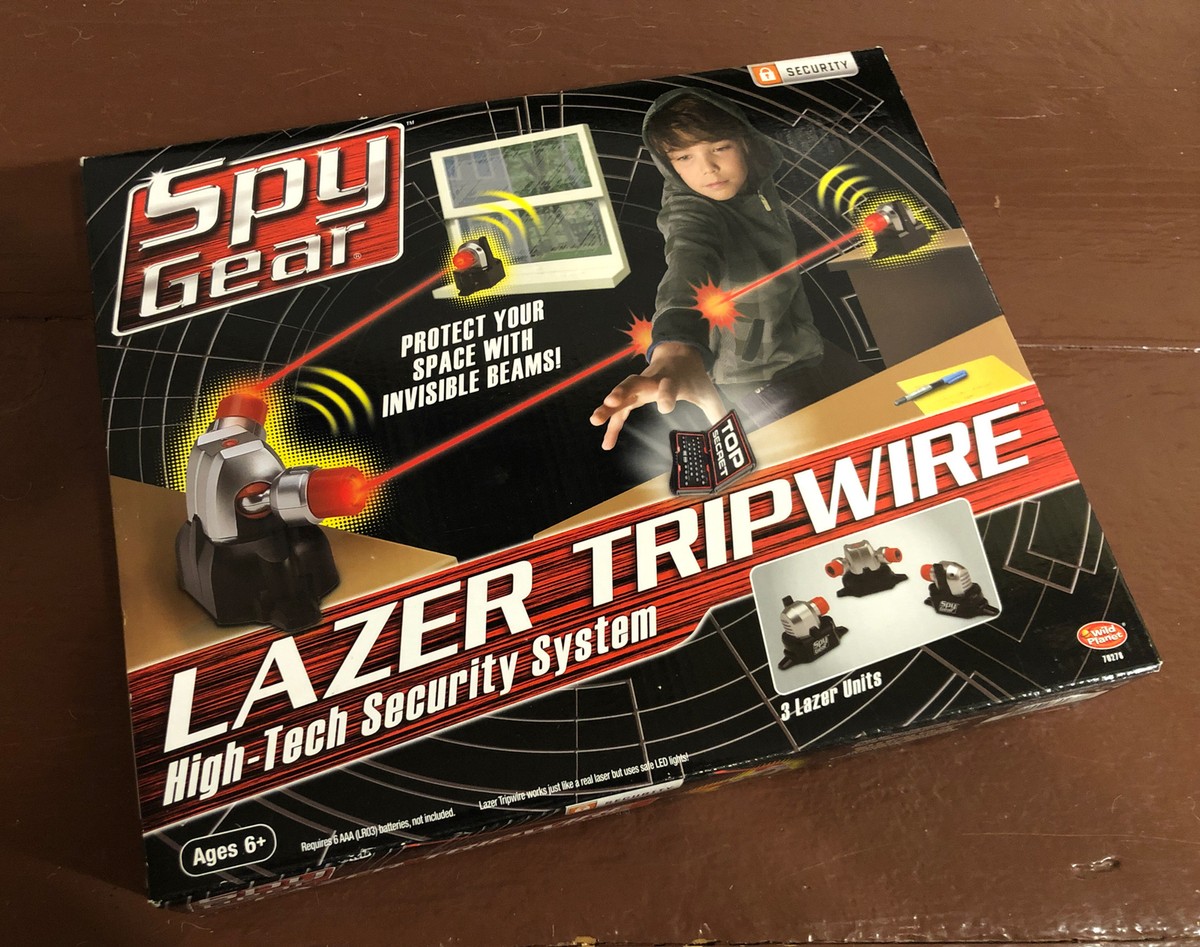
Because the laser beam is invisible, it’s a stealthy deterrent. Would-be intruders won’t see it until it’s too late, and the sudden alarm can scare them off before they even cross your threshold.
You can also scale it up. Add multiple lasers to create a “security grid” across a large window or a patio door. Each tripwire can trigger a different alert, telling you exactly which entry point was breached.
How Simple Is It to Build?
You don’t need an engineering degree. With a basic soldering iron and a few jumper wires, you can have a working prototype in an afternoon. The internet is full of step-by-step guides, and most use only five or six components.

For a beginner, start with a ready-made laser module and a light-dependent resistor. When the laser hits the resistor, the circuit stays quiet; when someone blocks the beam, the resistor’s resistance changes, and your buzzer screams.
If you’re more advanced, add a Raspberry Pi to send you a text message the moment the beam breaks—even if you’re miles away.
Where to Put It
Top spots include the top and bottom of staircases, the inside of a front door, or across a narrow hallway. Avoid putting it at ankle height if you have pets—trust me, a confused dog can set it off at 3 a.m.
For outdoor use, you’ll need a weatherproof housing and a stronger laser. But for indoor fun, a simple module from an electronics store works perfectly.
Safety First (And It’s Easy)
Here’s the good news: the lasers used in these projects are Class 1 or Class 2, meaning they’re safe for eyes under normal use. Still, never point a laser directly at someone’s face—common sense wins the day.
Also, avoid shiny surfaces that reflect the beam. A mirror or polished metal can bounce the laser and confuse the sensor, causing false alarms.

The Final Pitch
Building a laser tripwire alarm is a perfect blend of creativity, safety, and play. It’s a conversation starter, a learning tool, and a genuine security upgrade—all in one.
So grab a laser module, a buzzer, and a few batteries. In an evening, you’ll have a device that makes you feel like a secret agent every time you walk through your own doorway.
And when the alarm goes off, you’ll smile instead of panic—because you built the thing that just caught a snoop, a sibling, or a very curious raccoon.