Kiwi Fruit Price Per Kg In Kerala
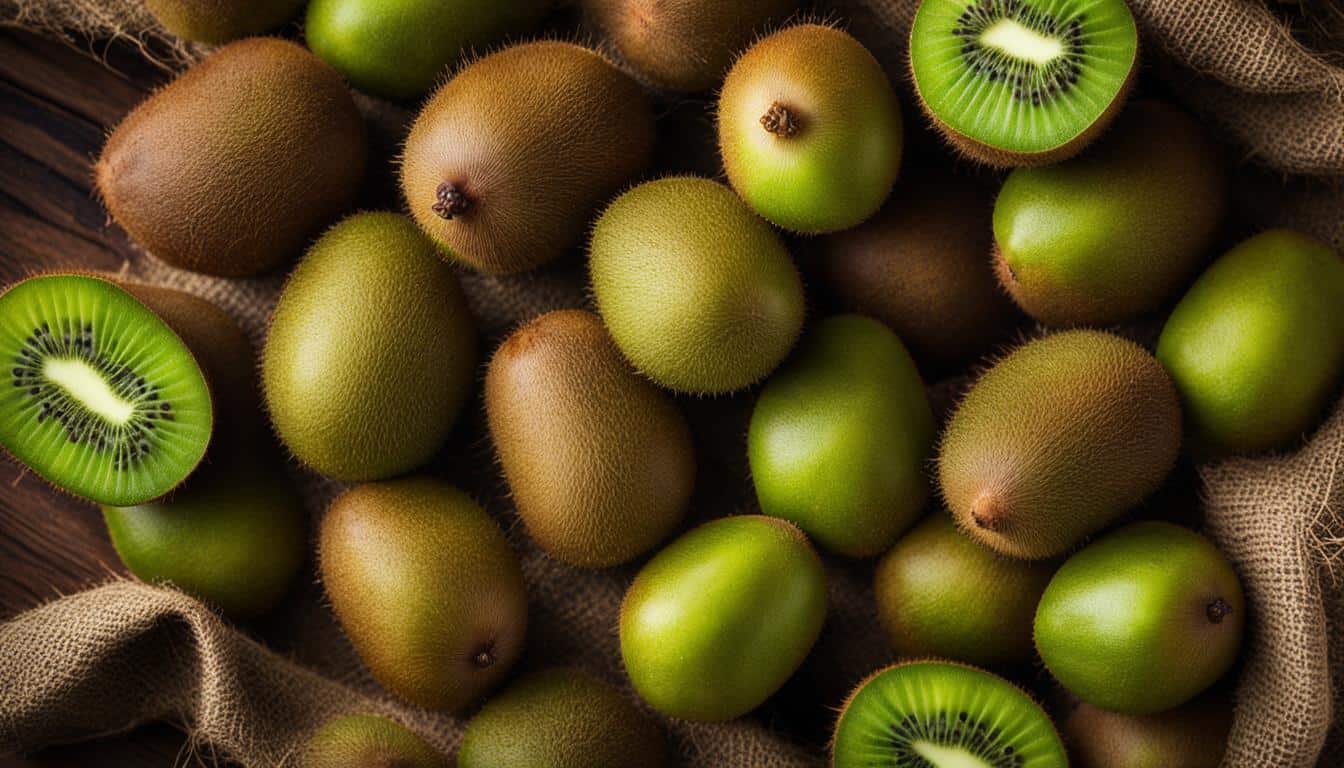
There is a peculiar moment that happens in every Kerala household when the fruit basket is delivered, or when you linger a little too long at the supermarket’s exotic section. It’s the moment your fingers hover over a tray of fuzzy, brown orbs that look less like food and more like something a surprised owl might be sitting on. The kiwi fruit, that import from the Southern Hemisphere (or the far-off hills of Himachal), carries a price tag in Kerala that often makes one’s eyebrows perform a little dance of their own. As of late, the kiwi fruit price per kg in Kerala has become a topic of hushed conversations, a casual barometer of inflation, and a symbol of the state’s ever-evolving appetite for the global and the exotic. It is no longer just a fruit; it is a statement piece on the dining table.
The story of the kiwi in Kerala is a relatively short but fascinating one. Originally a wild berry from China (known as the Chinese gooseberry), it was rebranded in New Zealand and given the name of their national bird. Its journey to the humid, tropical backwaters of God’s Own Country is a testament to global logistics and the power of aspirational eating. Today, you can find it in the chilled aisles of Lulu Hypermarket, in the plastic-wrapped trays of a local Fresh fruit outlet, and even in the hands of street vendors in Kochi who sell it pre-cut with a spoon for the busy office-goer. But the price? That is a volatile beast, fluctuating with global harvests, currency exchange rates, and the whims of the monsoon—which directly impacts the airlift and shipping routes into the region.
The Economics of the Fuzzy Orb: Why Your Wallet Weeps
To understand the price of a kiwi in Kerala, one must first understand the agonizing journey it undertakes. The most commonly available variety in the state is the Hayward, a green-fleshed, slightly tangy type that arrives primarily from New Zealand during the mid-year (April to October). The rest of the year, the supply shifts to Italy, Greece, or Iran. But sailing into Kochi port is not enough. The fruit is intensely perishable, requiring a cold chain that begins at the orchard and ends at your neighbourhood fridge. This cold chain, in the sweltering heat of Kerala, is a logistical Iron Man triathlon. Every hour spent in a non-refrigerated truck on the NH-66, from Kochi to Kasaragod, adds a fraction of a rupee to the final sticker price.
Must Read
Here is the dark, crunchy kernel of truth: the price is not just about the fruit; it’s about the gender of the plant and the maturation process. Kiwi vines are dioecious, meaning male and female plants are separate. You need one male vine to pollinate roughly eight female vines to get fruit. This biological quirk means growers cannot simply plant an orchard; they have to nurture a complex relationship network of plants. In Kerala, we are entirely dependent on these foreign orchards. When a hailstorm in the Mount Maunganui region of New Zealand knocks off blossoms, the price of a kg of kiwi in Thiruvananthapuram spikes within three weeks. It is a global economic butterfly effect, and the Kerala consumer is the one who slaps the final bill.
Psychologically, the kiwi occupies a weird space in the local market. It is neither a staple like the banana (vazhakka) nor a necessity like the coconut. This means its price elasticity is low—but its status elasticity is high. We buy it not just for the vitamin C, but for the vibe. When the price crosses a certain threshold (typically anything above ₹800 per kg), it stops being a breakfast fruit and becomes a gift item, useful for hospital visits or impressing in-laws. Conversely, when prices dip during the peak New Zealand season, it becomes a "healthy snack" for kids, replacing the more acidic mosambi. This psychological categorization is what keeps the market afloat even when international prices are high; the sale is saved by the aspirational buyer.
There is also a stark reality about how the fruit is utilized in Kerala. Malappuram and Kozhikode might see higher demand for the fruit as a post-iftar treat during Ramadan, driving prices up locally due to demand spikes. In contrast, Kochi’s high-end restaurants and juice bars are the primary drivers, often purchasing the fruit at a premium and passing the cost to the consumer in a "Kiwi Mojito" priced at ₹250. This localized demand graph means the price per kg isn't uniform across the state; it varies by district, by the density of cafes, and by the proximity to luxury hotels. In Thrissur, you might get them at ₹600/kg during a glut, while on the same day, a boutique vendor in Fort Kochi is selling them at ₹950/kg, simply because they know their clientele won't flinch.
The Great Kiwi Hunt: A Field Guide to Buying Smart
So, you’ve decided to tackle the beast. You want to buy kiwi fruit in Kerala without feeling like you’ve been financially mugged. The first actionable takeaway is to obsess over the season, not the calendar. The New Zealand crop, generally considered the gold standard for flavour, floods the market between May and August. This is the window where prices hit their annual floor. If you buy a kiwi in December, you are almost certainly buying Italian or Greek fruit that has been sitting in cold storage longer. The taste is often more fibrous, the skin thicker, and the price per kg can be up to 30% higher. Align your cravings with the Southern Hemisphere’s autumn, and your wallet will thank you.
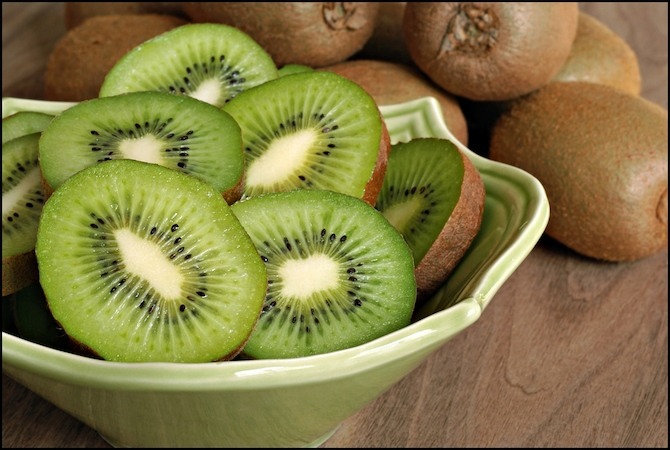
Case study time: Consider Ramesh, a software engineer in Trivandrum, who was buying kiwi for his toddler’s smoothie twice a week. He was spending ₹1,200 per kg at a premium organic store, buying imported fruit that was often not ripe. By switching to a wholesale supplier in Chalai Market (yes, they have them!), he could buy an entire tray (approx. 4-5 kg) for the price of 2 kg elsewhere. The catch? He had to buy them hard, unripe, and wait 3-4 days for them to soften on his counter using the "apple trick" (placing a ripe apple in the bag to release ethylene gas). The lesson is, embrace the unripe. The retail markup in Kerala for "ready-to-eat" fruit is astronomical. Buying the hard, sour spheres and ripening them at home is the single most effective way to cut the cost per fruit down to a manageable ₹35-40 each.
Another scenario plays out in the hospitality sector. A cafe owner in Kochi, facing rising costs, started using kiwi chutney and kiwi jam to reduce waste and stretch the fruit’s utility. Instead of using 5 kiwis per day for a juice that sits on the menu, they now use 2 kiwis and bulk up the drink with cucumber and mint, offering a "Green Detox" that costs them less but sells for the same price. For the home consumer, the actionable takeaway is to buy mixed-grade fruit. Don't be shy about asking the vendor for the "slightly bruised" boxes. In Kerala, these are often sold at a 40-50% discount. If you are eating the fruit immediately, a bruised kiwi is perfectly fine. You aren't buying it for a photo shoot unless, of course, you are an influencer, in which case, you are paying for the aesthetic, not the nutrition.
Finally, let's talk about the alternative: the local kiwi. There is a growing cultivation of kiwi fruit in the high ranges of Kerala, particularly in Munnar and Wayanad, where the cool climate mimics the plant's preferences. While the yield is still small, the "Hill Kiwi" (often Punjab Sweet or Allison variety) is slowly making its way into local markets. The taste is slightly less sugary than the New Zealand Hayward, but it is significantly cheaper—often ₹400 to ₹600 per kg—because it doesn't travel thousands of miles. The challenge is scarcity and inconsistent sizing. But for the environmentally conscious and the budget-savvy, asking your local fruit vendor specifically for "Munnar kiwi" can unlock a whole new price bracket. It’s the lipid-laden desi ghee equivalent of the imported French butter—less polished, but deeply functional.
Frequently Asked Questions: The Furry Details
Why is the kiwi fruit price per kg in Kerala so high compared to other fruits?
The primary driver is logistics and perishability. Unlike a pineapple or a banana that grows locally and can withstand a bumpy ride on a scooter, the kiwi is almost entirely imported. It requires a continuous cold chain of 0-2 degrees Celsius, spanning ocean freight, customs clearance at Cochin or Chennai ports, and refrigerated trucking to distribution points. This expensive infrastructure is reflected in the final cost. Moreover, the fruit has a relatively short shelf life compared to, say, an orange. Retailers factor in a "shrinkage" or waste margin of about 10-15% because some fruits will inevitably rot before they are sold. That waste is priced into the good fruit you buy.

Secondly, the market structure in Kerala is heavily fragmented. The fruit often passes through multiple middlemen: the importer, the wholesale distributor in Chennai or Kochi, the district-level wholesaler, and then the retailer. Each layer takes a margin. Because the kiwi is not a high-volume staple, wholesalers cannot rely on volume discounts, so they maintain higher percentage markups to make a profit. When you see a price tag of ₹800 per kg, you are not just paying for the fruit; you are paying for the entire supply chain of a fragile luxury item trying to survive in a tropical climate.
Can I grow kiwi fruit in my backyard in Kerala to avoid the high prices?
Technically, yes, but practically, it is a horticultural ego-boost, not a cost-saving measure. Kiwi vines require a specific number of "chill hours" (temperatures below 7°C) during the winter to break dormancy and set fruit. The lowlands of Kerala, even in the hills of Ponmudi, rarely get enough consistent cold. However, in places like Munnar, Devikulam, and specific pockets of Idukki above 1500 meters, it is possible to grow them. But you need at least one male vine for every 8-9 female vines, and they require sturdy trellises, massive water management, and patience—it takes 3-5 years to get a substantial harvest.
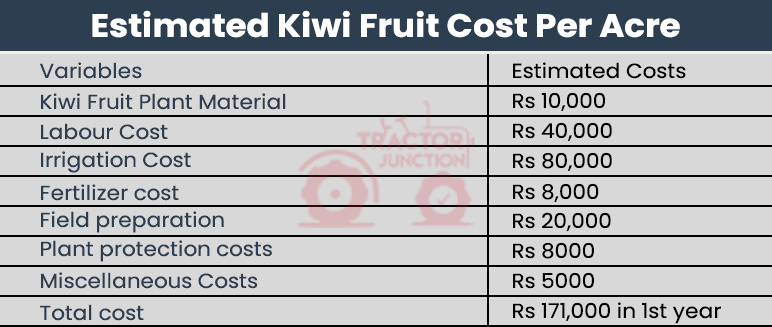
Even if you manage to get fruit, the flavor profile is often tarter and smaller than commercial varieties. The maintenance cost, including anti-fungal sprays (the humid climate loves to breed mold on the vines), fertilizers, and the sheer space required (a mature vine can cover 10 square meters), makes it costlier per fruit than importing. If you have the land and time, treat it as a hobby. But if you are looking to supply your family year-round, you would need half an acre dedicated solely to the vines, and you would still battle pests. In the end, for the average Keralite, the price at the market is the "stupidity tax" you pay for living in a tropical paradise that refuses to grow this temperate berry naturally.
Which is better: the green kiwi or the gold (yellow) kiwi?
In Kerala, the gold kiwi (SunGold variety) is a status symbol. It is sweeter, with no tartness, and has a smoother skin. However, it is significantly more expensive—often 1.5 to 2 times the price of green per kg. The green kiwi has higher vitamin C content and more dietary fiber, but its acidity can be off-putting to children. If you are buying for nutrition and value, the green kiwi is the logical choice. It is cheaper, more robust, and can be used in savory dishes, marinades (the enzymes tenderize meat), and salads. The gold kiwi is for snacking and for those who find the green variety too sour.
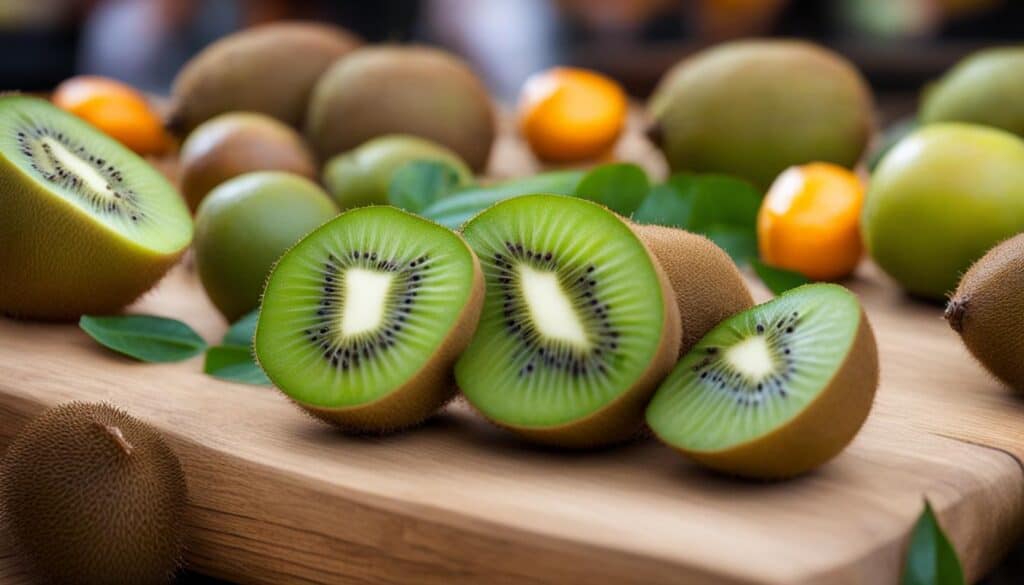
There is also a practical difference in ripeness handling. Green kiwis remain hard for longer and ripen predictably after purchase. Gold kiwis tend to become overripe very quickly, turning mushy and winey within a day or two of ripening. In Kerala's humid heat, this is a concern. Retailers often hoist the gold kiwi with a higher markup because they lose more of it to spoilage due to its delicate nature. If you see a basket of gold kiwis on sale, check the stem end. If it looks wet or darkened, they are past their prime. For your palate and wallet, buying green and waiting 48 hours to eat them is the smarter, more patient approach.
Does the price of kiwi fruit in Kerala drop during Onam or Christmas?
Ironically, it often increases. The logic is simple: demand spikes. During the festive months (September to January), there is a surge in gift baskets, corporate hampers, and home entertaining. The imported fruit market sees players like Walmart and Lulu signing massive contracts with overseas suppliers months in advance just to cover their festive volumes. This scramble for product, combined with the fact that the New Zealand season may be ending, creates a supply squeeze. If the fruit is arriving from Italy or Chile during this period, the shipping time is longer, and the colder weather delays ripening in transit, increasing the cost of storage.
However, there is a flip side. Demand for the highest grades (largest, most perfect fruit) goes up, but the Indian appetite for slightly bruised, ugly ("cosmetically challenged") fruit also goes up during festival times, as juice shops and sweet makers prepare special items. If you are willing to buy the "kitchen grade" or smaller grade, you might actually get a deal during peak festive seasons because retailers want to clear out stock to make room for more gift-friendly boxes. But for the perfect, A-grade kiwi that you want to display in a fruit basket, you will pay a premium during Onam and Christmas. The price per kg can surge by ₹150-200 during these weeks.
How should I store kiwi fruit to prevent it from going bad immediately?
One of the biggest mistakes in Kerala is keeping kiwis in the refrigerator for days before eating. Unlike apples or grapes, a hard kiwi will not ripen well in the fridge; it will just become mealy and turn sour. The correct method is to sort them. If you have bought hard kiwis, keep them on the counter, away from direct sunlight, for 2 to 4 days. To speed up the process, place them in a paper bag with a banana peel or a ripe apple. The ethylene gas released by the apple acts as a natural catalyst.
Once a kiwi yields to gentle thumb pressure (like a ripe avocado), it must be consumed immediately. If you have more than you can eat, peel and freeze them in a Ziploc bag. Frozen kiwi is excellent for smoothies. Alternatively, you can make a compote or a chutney to extend its life by a week. Remember, the humidity in Kerala is your enemy. Do not wash the kiwis before storage, as moisture accelerates mold growth on the fuzzy skin. Store them dry and only wash them right before you plan to slice into them. Following this method, a £600/kg investment can actually stretch into two weeks of consumption, reducing your effective cost per serving.
Ultimately, the story of the kiwi fruit price per kg in Kerala is not about agriculture; it is about aspiration. It reflects a society that has transitioned from eating what grows at the doorstep to demanding what grows on the other side of the equator. Every time we pay that price, we cast a vote for globalisation, for novelty, and for a tiny, acidic burst of luxury in our daily routine. It is the culinary equivalent of wearing a foreign perfume—perhaps unnecessary, but it makes the mundane day feel a little more international.
There is a strange comfort in watching the price fluctuate. It is a connection to a wider world that we rarely see. When the monsoons lash Kochi and the traffic is stuck, the price of a kiwi reminds us that there is a harvest happening somewhere else, a hailstorm in a foreign field affecting our breakfast. In a state that loves its land and its yields, the kiwi stands as a humble ambassador of the outside world, demanding a premium for its otherness. It is a luxury we choose to buy, not because we need it, but because the act of eating it feels like a small, private victory over the tyranny of the mundane.
And so, the next time you see the price tag, don't just see the rupees. See the voyage, the risk, and the fragile nature of a fruit that refuses to adapt to our heat. It asks us to be patient, to wait for the season, to learn the art of ripening it ourselves. In that way, the kiwi is a small masterclass in delayed gratification. It teaches us that the sweetest things often require a little understanding of the relationship between time, distance, and desire. And for that, a few hundred rupees per kilo feels, strangely, like a worthy exchange.