Jantar Mantar Jaipur Entry Fee 2019
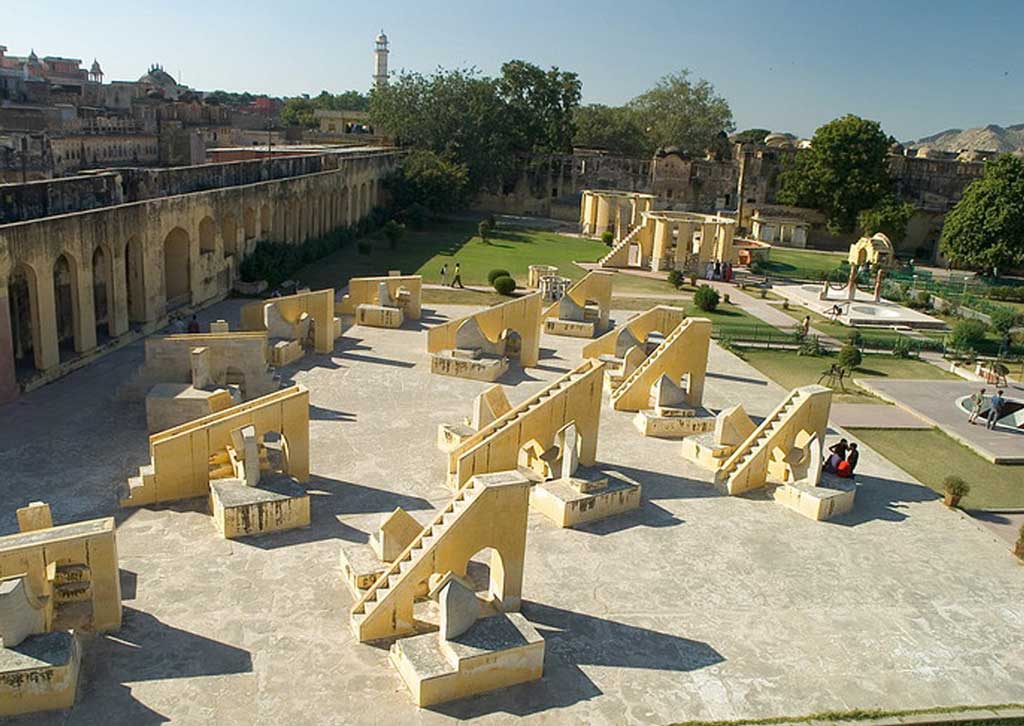
Okay, let’s be real for a second. When you think of Jaipur, you probably picture the Hawa Mahal’s honeycomb facade or maybe a royal elephant. But tucked away in the middle of the Pink City is a place that looks like a giant’s playground for giant sundials and wonky triangles. I’m talking about the Jantar Mantar, and yes, we need to talk about the entry fee for 2019 because your wallet deserves a heads-up.
So, what’s the damage? For all you international travelers (or as we like to call you, “global explorers with passports”), the entry ticket was Rs. 200 per person. That’s it. For a bit of context, two hundred rupees is about the cost of a fancy latte in some cities, except here, you get to walk around a UNESCO World Heritage site instead of a hipster café. Fair trade, if you ask me.
For Indian citizens, the price was even sweeter – just Rs. 50. That’s less than a movie ticket, and honestly, the drama of watching a giant shadow creep across a stone is way more intense than most Bollywood thrillers. Kids under 7? They get in free, which is perfect because they’ll probably just run around the bases while you pretend to understand the astronomical math.
Must Read
Now, before you start rummaging for change, let’s talk about the timing. The monument was open from 9:00 AM to 4:30 PM in 2019. That’s a solid window, but here’s a pro tip: go right when it opens. The morning light makes the shadows super crisp, and you’ll beat the tour groups that arrive like a swarm of happy, selfie-taking bees by 10 AM. Also, the heat in Jaipur is no joke, so early is your friend.
But wait, what’s the last date to use this ticket?
Here’s the kicker – this fee was for 2019, which is now, um, a while ago. Time flies when you’re staring at ancient astronomical instruments, right? The point is, if you’re planning a trip right now, you might see slightly different numbers. But don’t sweat it – the vibe is the same. The essence of the place isn’t in the price tag; it’s in the sheer “how did they do this without Wi-Fi?” awe.
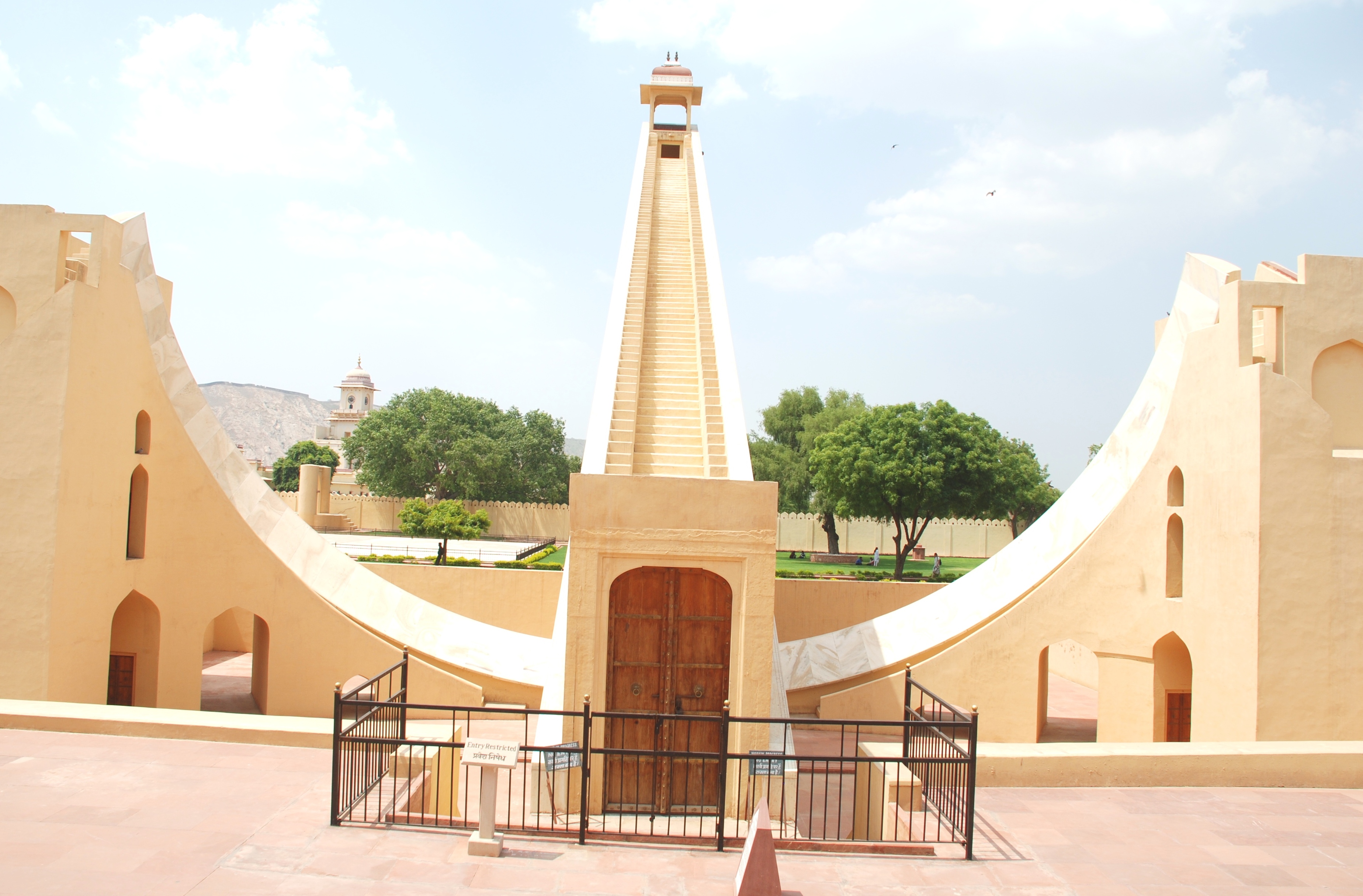
Let me paint you a picture. You walk in, and you see the world’s largest stone sundial, the Samrat Yantra. It’s 27 meters tall, which is like a nine-story building, except it’s made of stone and tells time to the nearest second. I stood there for a solid five minutes just watching the shadow move. My phone’s clock did the same thing, but somehow, the stone version felt more honest.
Is the Jantar Mantar worth it?
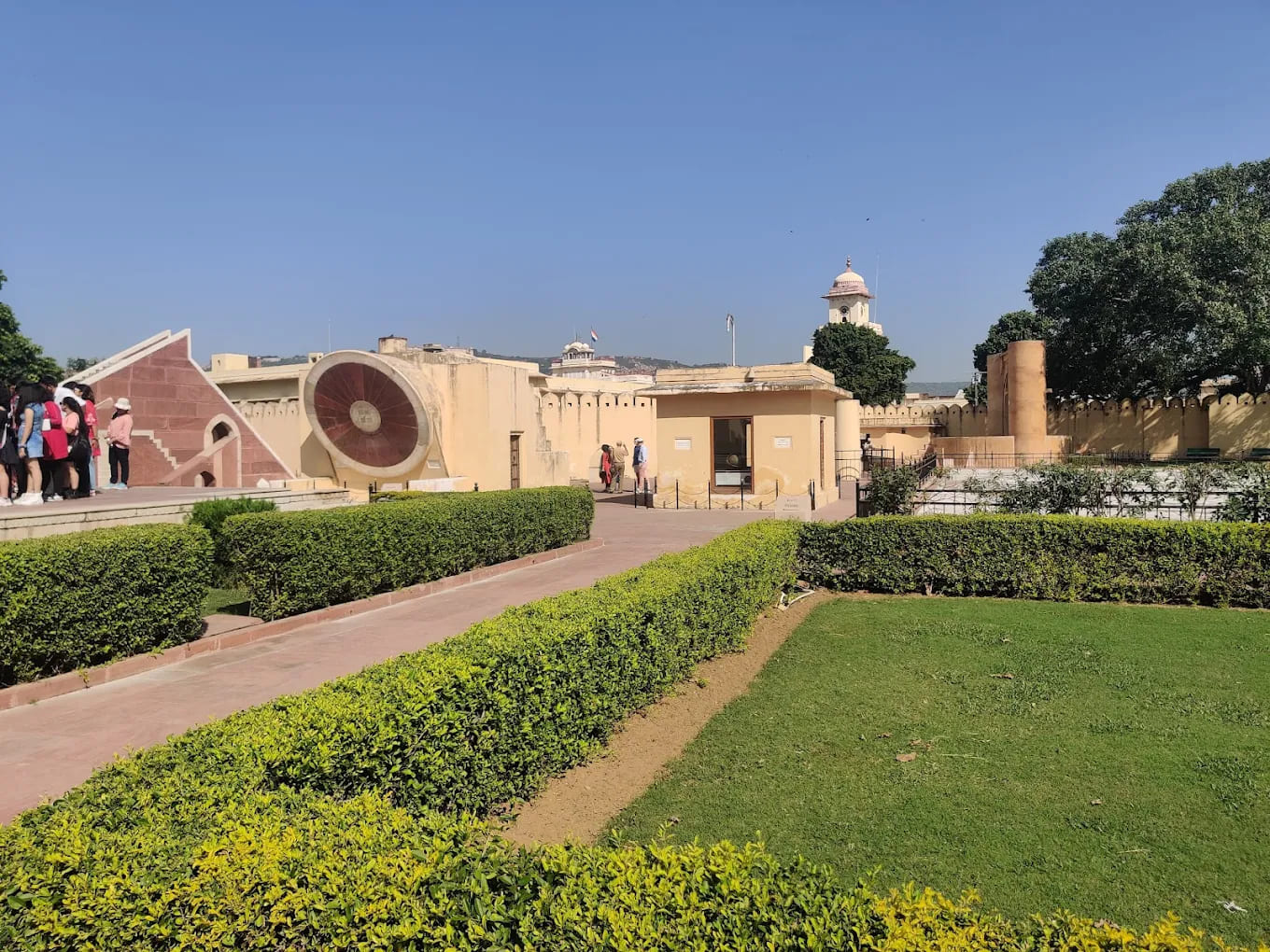
Okay, let’s talk value for money. You’re paying Rs. 200 (or 50) to walk around a bunch of giant sundials, astrolabes, and weird-looking bowls. But here’s the secret: it’s not just about the instruments. It’s about the feeling of standing in a place where kings used to track the stars for royal ceremonies. That’s some serious “I’m in a history movie” energy.
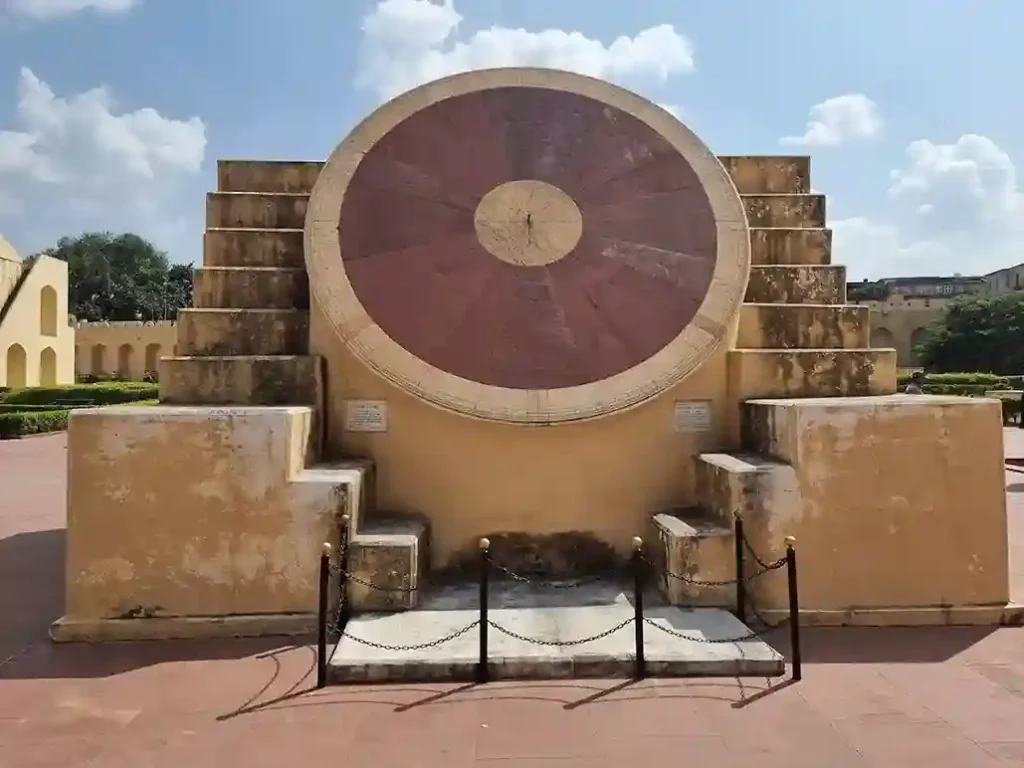
And the jokes write themselves. There’s a giant brass circle on the ground that’s used to measure the altitude of stars. I tried to use it for my horoscope, and it just made me dizzy. The locals will tell you that it’s still 99% accurate today, which is either a miracle of ancient science or a savage burn on modern GPS. I’m going with miracle.
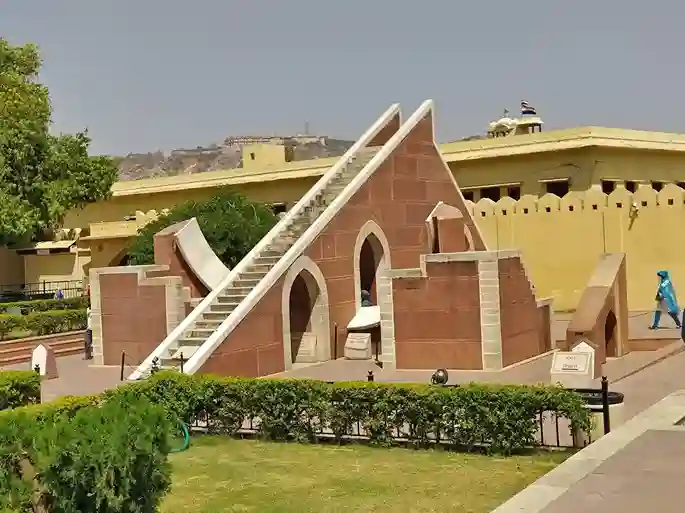
One more thing – the photography is completely free. You don’t have to pay extra for a camera, which is rare in India. So snap away! Your Instagram feed will look like you’re a modern-day explorer, not just a tourist with a sunburn. Just try to avoid the obvious “leaning on the sundial” pose. We’ve all seen it. Be creative, maybe try a shadow puppet instead.
Now, a quick warning: there is a light and sound show in the evening at Jantar Mantar in some seasons. The entry ticket for that is separate, and in 2019, it was a bit pricier (around Rs. 300 for Indians). But honestly, the daytime visit is where the magic is. At night, it’s all lasers and narration; in the day, it’s just you, the sun, and a bunch of stones that outsmarted your high school math teacher.

Also, please wear comfortable shoes. I wore flip-flops, and the stones were heated to the temperature of a frying pan by noon. My feet did a little dance that would have been embarrassing if not for the sheer genius of the place distracting everyone. Lesson learned: sneakers, people. Sneakers.
So, what’s the final takeaway? The 2019 entry fee was a bargain for what you get: a mind-boggling trip through ancient astronomy, a great workout from walking across the courtyard, and a perfect spot to impress someone with your “deep knowledge” of celestial mechanics (you’ll just nod and point).
Here’s the uplifting part, my friend: that Rs. 200 you pay at a place like Jantar Mantar is never just a ticket. It’s a tiny contribution to keeping a 300-year-old wonder alive. And in a world where everything changes so fast, standing next to a giant sundial reminds you that the sun still rises and sets, shadows still move, and some things – like human curiosity – are timeless. So go ahead, embrace the math, laugh at the tourist traps, and take the ridiculously cheap journey into the stars. Your only job is to show up, point at a shadow, and say, “Wow.” And trust me, you will. Happy exploring!