Is Walmart A Good Stock To Buy Now
Ever found yourself wandering the aisles of Walmart, grabbing a $5 rotisserie chicken, and suddenly wondering, “Should I own a piece of this place?” It’s a fun thought experiment because Walmart isn’t a flashy tech stock—it’s the quiet giant of everyday life. Understanding whether Walmart is a good buy right now is like learning the secret recipe behind the world’s most popular grocery list. You don’t need a finance degree to get curious about it, just a bit of practical intrigue.
The purpose here isn’t to give you a hot tip, but to help you think like an investor using a company you already know. By examining Walmart’s strengths and challenges, you learn how to evaluate any large, stable business. The benefit is that you’ll start spotting patterns—like how inflation or online shopping affects a retail giant—which is a superpower for your own money decisions. Plus, it’s oddly satisfying to connect your daily shopping trips to stock market news.
Think about your own life: when gas prices rise, do you still buy milk at Walmart? Probably yes, because it’s cheap. That’s Walmart’s moat—it’s a necessity retailer that thrives even when the economy wobbles. For a teacher explaining economics, Walmart is a perfect case study of “defensive stocks” that resist downturns. For a family budgeting at home, watching Walmart’s earnings reports is a fun way to guess if your grocery bill will go up next month.
Must Read
Now, let’s get relaxed and look at the real numbers without the jargon. Walmart’s sales have been climbing steadily, and its online grocery pickup is a huge hit—that’s a sign of adapting to modern habits. However, its profit margins are thin because it competes on low prices, and it’s spending billions on automation and store upgrades. So the big question isn’t “Will it survive?” but “Will it grow fast enough to excite shareholders?” The honest answer is: it’s a tortoise, not a hare, and that’s okay for many investors.
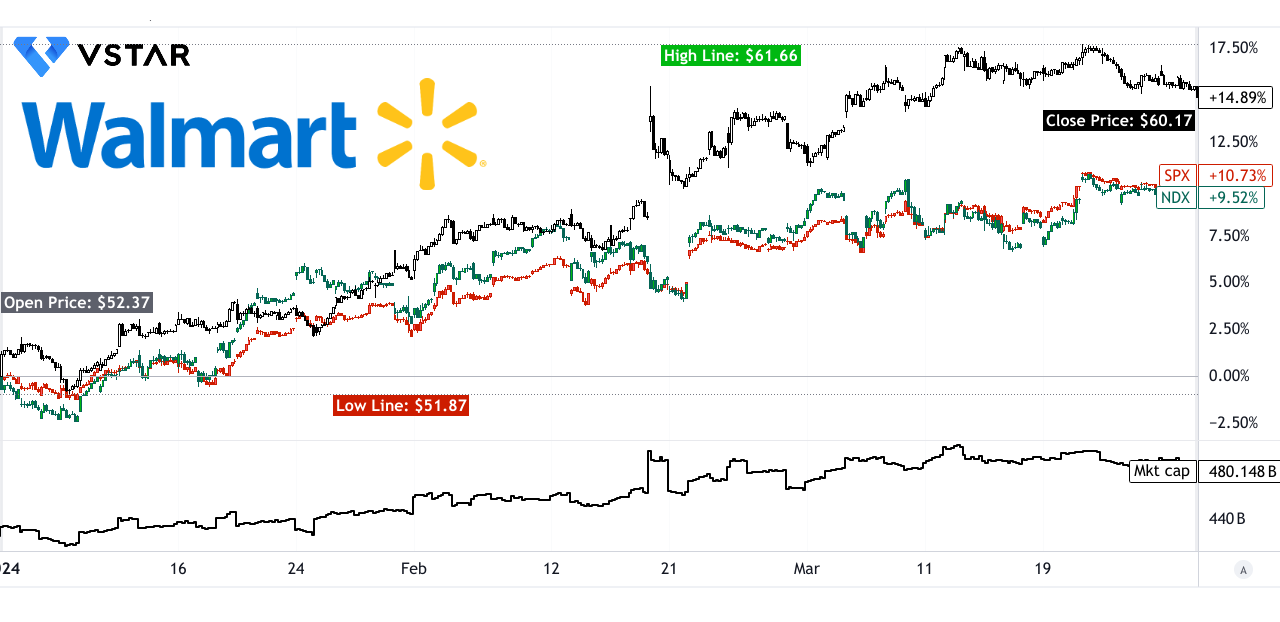
Your best move is to approach this like a detective, not a gambler. Start by tracking Walmart’s stock price for a few weeks, but more importantly, follow their quarterly earnings news—they release them four times a year. Notice how the stock reacts to headlines about wages, tariffs, or AI-driven supply chains. Also, peek at their competitors: Target, Costco, and even Amazon. Compare their growth rates and dividend payouts; Walmart has paid a dividend for 50 years, which is a comforting sign of stability.

For a simple daily-life experiment, try this: next time you buy something at Walmart, check if the store feels busier or emptier than last month. That’s literally what analyst teams do, but with fancy sensors. Then, look up their “same-store sales” figure—it’s just a measure of how much existing locations sell compared to last year. If that number rises, it’s a positive signal. You can do this in ten minutes online, and it turns a boring stock debate into a personal puzzle.
Finally, remember that no stock is “good” for everyone, and timing matters. Walmart is a solid choice for patient, income-focused investors, but it won’t double your money overnight. If you’re saving for retirement, its slow, steady growth and dividends can build wealth quietly. If you’re looking for thrills, you’ll be bored—and that’s a good thing. So grab a coffee, pull up a chart, and enjoy the process of learning what makes this retail behemoth tick. Curiosity, not hype, is the real investment.