How Much Power Should My Solar Panels Produce
The world of solar energy has experienced a meteoric rise in recent years, with more and more individuals, businesses, and governments turning to the sun as a viable alternative to traditional fossil fuels. At the heart of this movement are solar panels, those sleek, modern devices that convert sunlight into electricity. But have you ever stopped to think about how much power your solar panels should actually produce? It's a question that may seem straightforward, but the answer is far more complex than you might imagine.
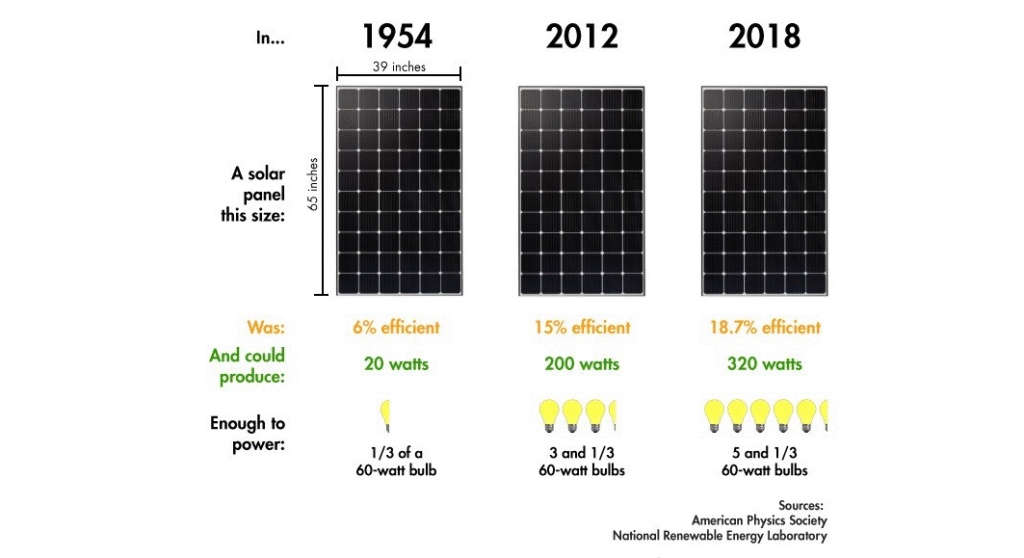
In fact, the history of solar panels dates back to the 19th century, when French physicist Edmond Becquerel first discovered the photovoltaic effect. However, it wasn't until the 1950s that the first commercial solar panels were developed, with an efficiency of around 4-6%. Fast forward to today, and we have solar panels that can boast efficiencies of over 20%. This rapid progress has made solar energy a competitive player in the global energy market, and as such, understanding how much power your solar panels should produce is more important than ever.
The Science Behind Solar Panels
Solar panels work by converting sunlight into electricity through a process known as photovoltaics. This involves the absorption of light by photovoltaic cells, which are made from semiconducting materials like silicon. The amount of power produced by a solar panel is dependent on several factors, including the temperature, irradiance, and efficiency of the panel. However, there are also some lesser-known factors that can impact the performance of your solar panels, such as soiling and shading. Soiling refers to the accumulation of dirt and debris on the surface of the panels, which can reduce their efficiency, while shading occurs when objects like trees or buildings block the sunlight from reaching the panels.
Must Read
One of the most fascinating aspects of solar panels is the way they interact with the environment. For example, did you know that solar panels can produce electricity even on cloudy days? It's true, although the amount of power generated is significantly reduced. Additionally, weather patterns like fog, snow, and hail can all impact the performance of solar panels. In fact, some solar panels are designed to be hail-resistant, with a specialized coating that helps to protect them from damage.
Despite the many benefits of solar panels, there are also some cultural and psychological aspects to consider. For instance, the aesthetics of solar panels can be a major concern for some homeowners, who may be hesitant to install them due to their visual impact. However, many modern solar panels are designed to be sleek and stylish, with a low profile that blends seamlessly into the surrounding architecture. Furthermore, the status symbol of owning solar panels can be a powerful motivator for some individuals, who see them as a badge of honor and a symbol of their commitment to sustainability.
Real-World Applications and Scenarios
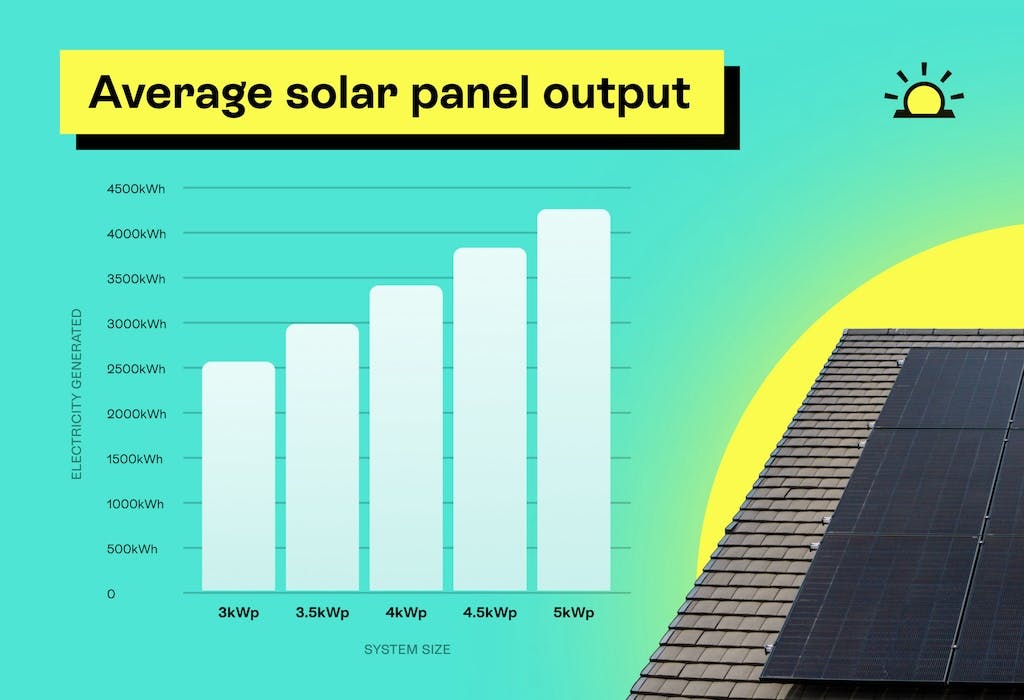
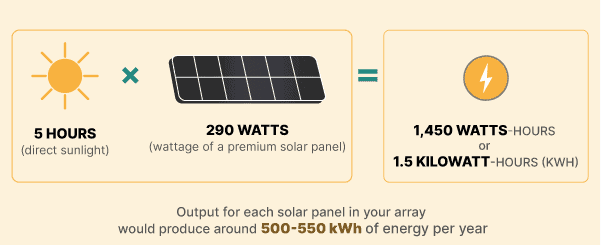
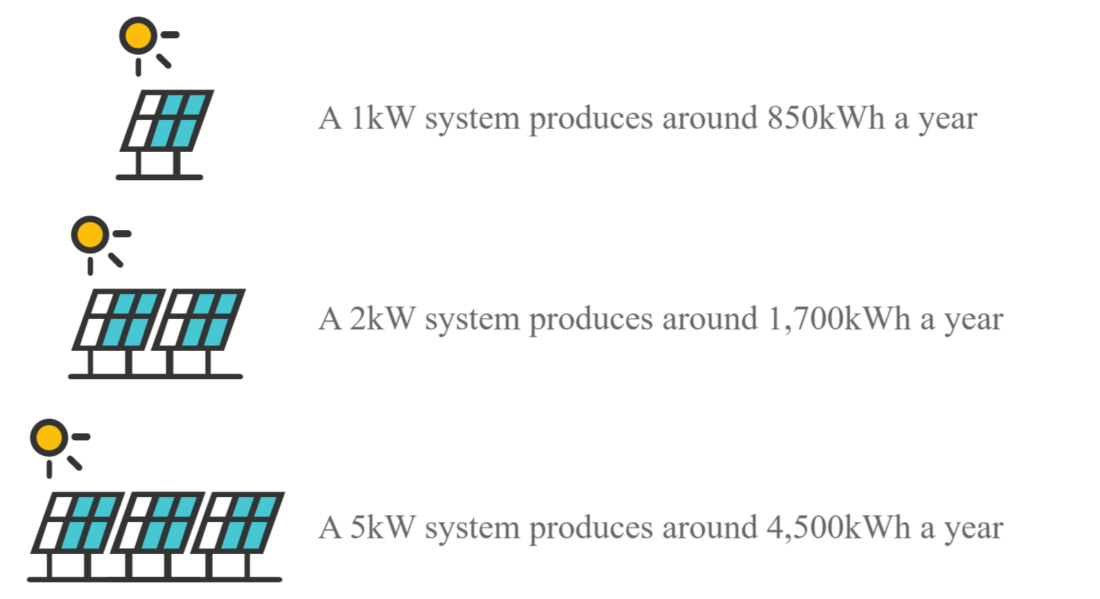
So, how much power should your solar panels produce? The answer depends on a variety of factors, including the size and efficiency of the panels, the amount of sunlight they receive, and the local climate and weather patterns. In general, a typical residential solar panel system can produce anywhere from 2-5 kilowatts of power, depending on the size of the system and the amount of sunlight it receives. However, this can vary significantly depending on the specific circumstances, and it's not uncommon for commercial solar panel systems to produce 10-20 kilowatts or more of power.
Let's consider a few case studies to illustrate the point. For example, a small business in California might install a 5-kilowatt solar panel system to power their office and reduce their energy bills. In contrast, a large corporation might install a 100-kilowatt system to power their entire operations and reduce their carbon footprint. Additionally, individual homeowners might install a 2-3 kilowatt system to power their homes and reduce their reliance on the grid.
When it comes to actionable takeaways, there are several steps you can take to optimize the performance of your solar panels and ensure they produce the maximum amount of power possible. First, make sure to clean your solar panels regularly to prevent soiling and maintain their efficiency. Second, consider installing a monitoring system to track the performance of your solar panels and identify any issues or problems. Finally, be sure to check the warranty of your solar panels and understand the terms and conditions of the manufacturer's guarantee.
In addition to these practical tips, it's also important to consider the policy and regulatory framework that governs the use of solar panels in your area. For example, some states offer tax incentives or rebates for homeowners and businesses that install solar panels, while others may have net metering laws that allow you to sell excess power back to the grid. By understanding these policies and regulations, you can make informed decisions about your solar panel system and ensure you get the most out of your investment.
Frequently Asked Questions
What is the average cost of a solar panel system, and how long does it take to pay for itself?
The average cost of a solar panel system can vary widely depending on the size and complexity of the installation, as well as the local market conditions and labor costs. However, in general, a typical residential solar panel system can cost anywhere from $15,000 to $30,000 or more, depending on the size of the system and the quality of the components. As for the payback period, this can range from 5-15 years or more, depending on the amount of sunlight the system receives, the local electricity rates, and the efficiency of the panels.
In terms of specifics, a small solar panel system with a capacity of 2-3 kilowatts might cost around $10,000 to $15,000, while a larger system with a capacity of 5-10 kilowatts might cost $20,000 to $40,000 or more. However, these costs can be offset by tax incentives and rebates, which can reduce the upfront cost of the system and make it more affordable for homeowners and businesses. Additionally, the long-term savings from reduced energy bills can be substantial, and can help to pay for the system over time.
How do I know if my solar panels are producing the right amount of power, and what can I do if they're not?
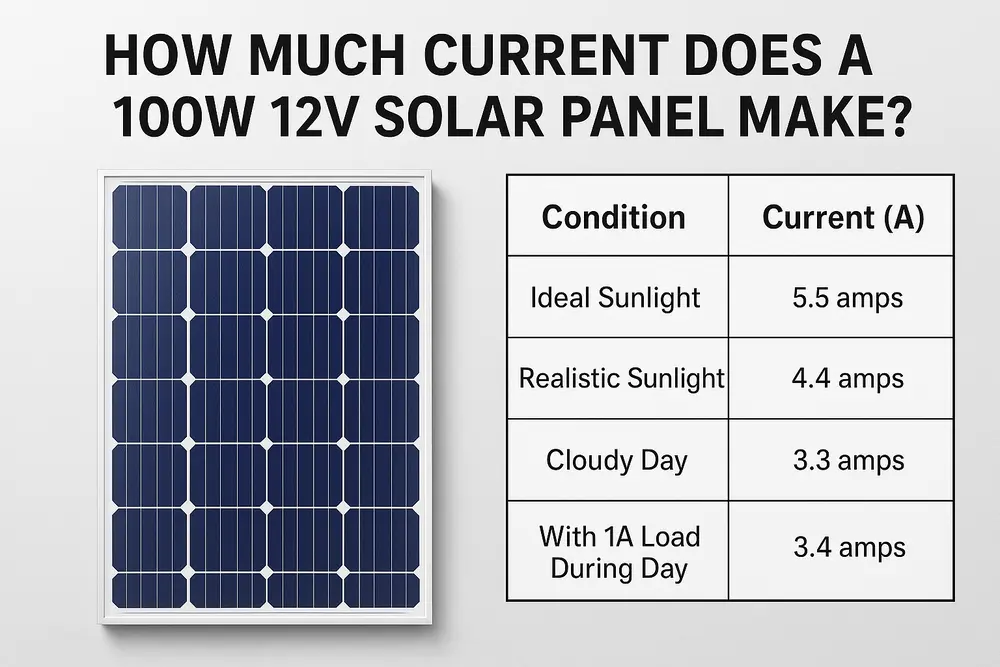
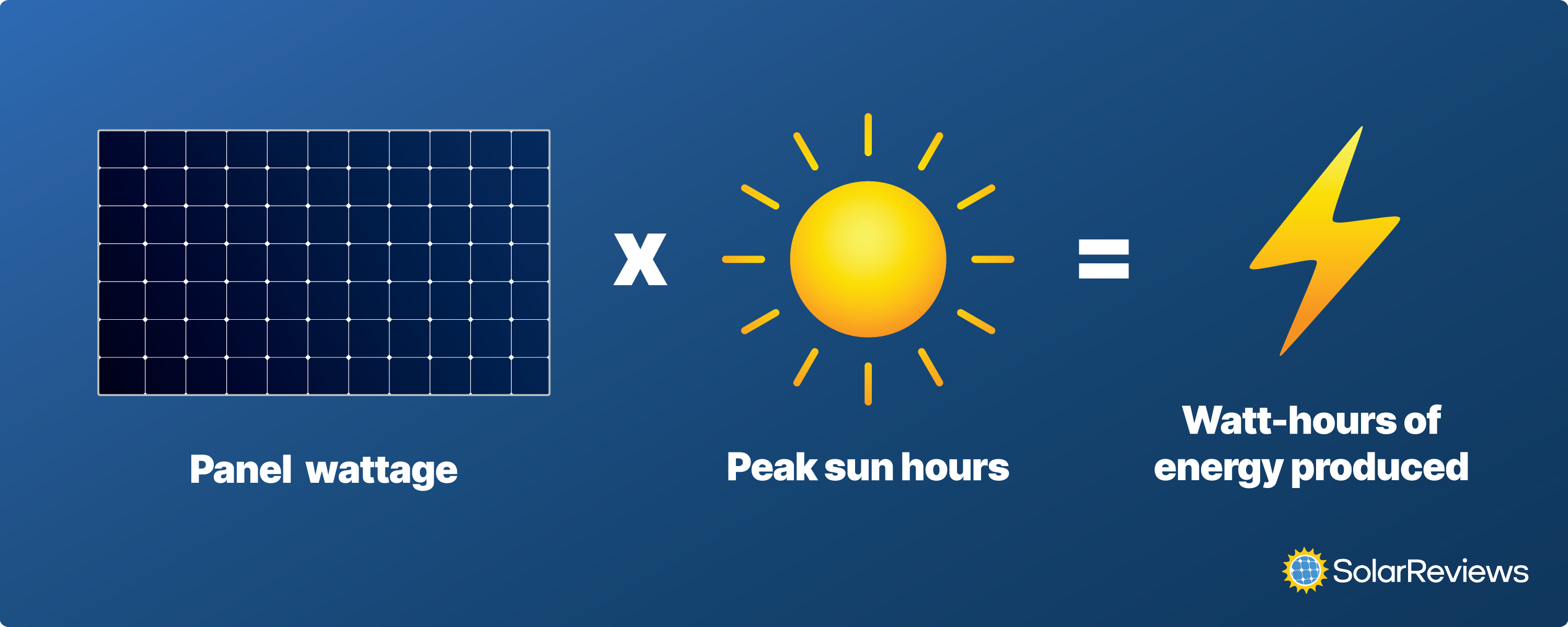
To determine if your solar panels are producing the right amount of power, you'll need to monitor their performance over time and compare it to the expected output based on the system's size and efficiency. This can be done using a variety of tools and software, including web-based monitoring systems and mobile apps. If you find that your solar panels are not producing the expected amount of power, there are several steps you can take to troubleshoot the issue and optimize their performance.
First, check the system for any faults or damage, such as broken or dirty panels, loose connections, or issues with the inverter. Next, review the system's maintenance history to ensure that it's been properly cleaned and maintained over time. Finally, consider hiring a professional to inspect the system and identify any issues or problems that may be impacting its performance. By taking these steps, you can help to ensure that your solar panels are producing the maximum amount of power possible and operating at peak efficiency.
Can I use solar panels to power my home or business during a power outage, and what are the benefits and drawbacks of doing so?
The answer to this question depends on the specific circumstances and the type of solar panel system you have installed. In general, most solar panel systems are designed to operate in parallel with the grid, meaning they feed excess power back into the grid during the day and draw power from the grid at night or during periods of low sunlight. However, if you have a backup power system or battery storage installed, you may be able to use your solar panels to power your home or business during a power outage.
The benefits of using solar panels to power your home or business during a power outage are numerous, including reduced reliance on the grid, lower energy bills, and increased energy independence. However, there are also some drawbacks to consider, such as the high upfront cost of a backup power system or battery storage, and the limited capacity of the system to provide power during extended outages. Additionally, safety concerns must be taken into account, such as the risk of electrical shock or fire if the system is not properly installed or maintained.
How do I choose the right solar panel system for my home or business, and what factors should I consider when making my decision?
Choosing the right solar panel system for your home or business requires careful consideration of several factors, including the size and complexity of the installation, the local climate and weather patterns, and the specific energy needs of your home or business. You'll also want to research different manufacturers and compare their products in terms of efficiency, durability, and price.
In addition to these technical factors, you'll also want to consider the aesthetics of the solar panel system, including the visual impact on your home or business and the landscaping requirements. Furthermore, you'll want to review the warranty and support offered by the manufacturer, as well as the local policies and regulations governing the use of solar panels in your area. By taking the time to carefully consider these factors, you can make an informed decision and choose the right solar panel system for your needs.
What are the long-term benefits and drawbacks of owning a solar panel system, and how can I ensure that my system continues to operate at peak efficiency over time?
The long-term benefits of owning a solar panel system are numerous, including reduced energy bills, increased energy independence, and lower maintenance costs. However, there are also some drawbacks to consider, such as the high upfront cost of the system, the limited lifespan of the panels, and the potential for technological advancements to make the system obsolete. To ensure that your system continues to operate at peak efficiency over time, you'll want to regularly clean and maintain the panels, monitor their performance, and stay up-to-date with the latest advancements in solar panel technology.
In terms of specifics, you can expect a well-maintained solar panel system to last for 25 years or more, with some manufacturers offering warranties of up to 30 years or more. Additionally, the cost of maintenance is relatively low, with most systems requiring only periodic cleaning and inspection to ensure optimal performance. By taking the time to properly maintain and care for your solar panel system, you can help to ensure that it continues to operate at peak efficiency over time and provides you with decades of clean, renewable energy.
As we reflect on the importance of understanding how much power your solar panels should produce, it's clear that this is a complex and multifaceted issue that requires careful consideration of several factors. From the technical aspects of solar panel efficiency and performance, to the cultural and psychological implications of owning a solar panel system, there's no doubt that this is a topic that will continue to evolve and grow in importance in the years to come.
One of the most interesting aspects of solar panels is the way they intersect with human nature and our daily lives. For example, the desire for energy independence and self-sufficiency is a powerful motivator for many individuals, who see solar panels as a way to take control of their energy needs and reduce their reliance on the grid. Additionally, the aesthetics of solar panels can be a major concern for some homeowners, who may be hesitant to install them due to their visual impact. However, many modern solar panels are designed to be sleek and stylish, with a low profile that blends seamlessly into the surrounding architecture.
As we move forward into a future that is increasingly powered by solar energy, it's exciting to think about the possibilities and potential of this technology. From building-integrated photovoltaics to floating solar panels, the innovations and advancements in solar panel technology are happening at a rapid pace, and it's likely that we'll see even more exciting developments in the years to come. Whether you're a seasoned solar enthusiast or just starting to explore the world of solar energy, there's no doubt that this is a topic that will continue to captivate and inspire us for generations to come.