Humble Bundle Free Games Notification

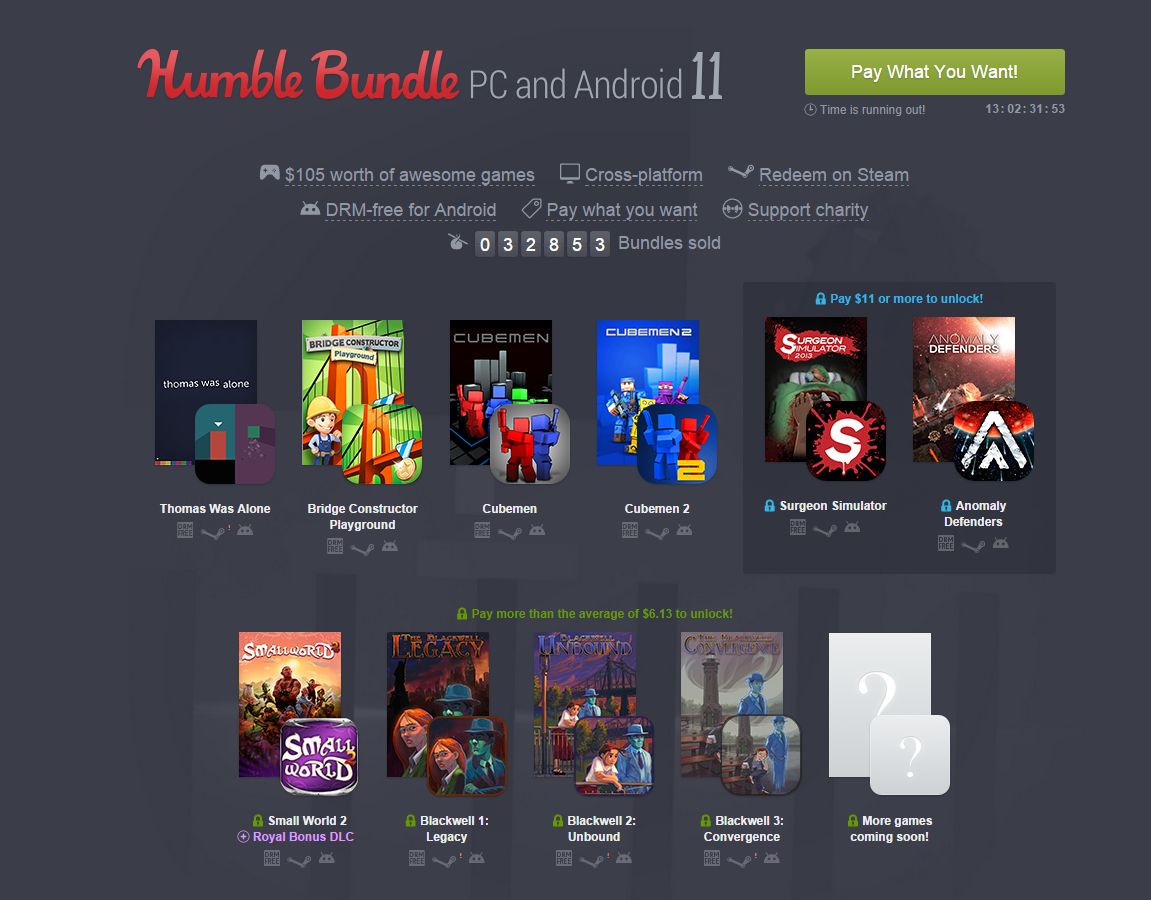
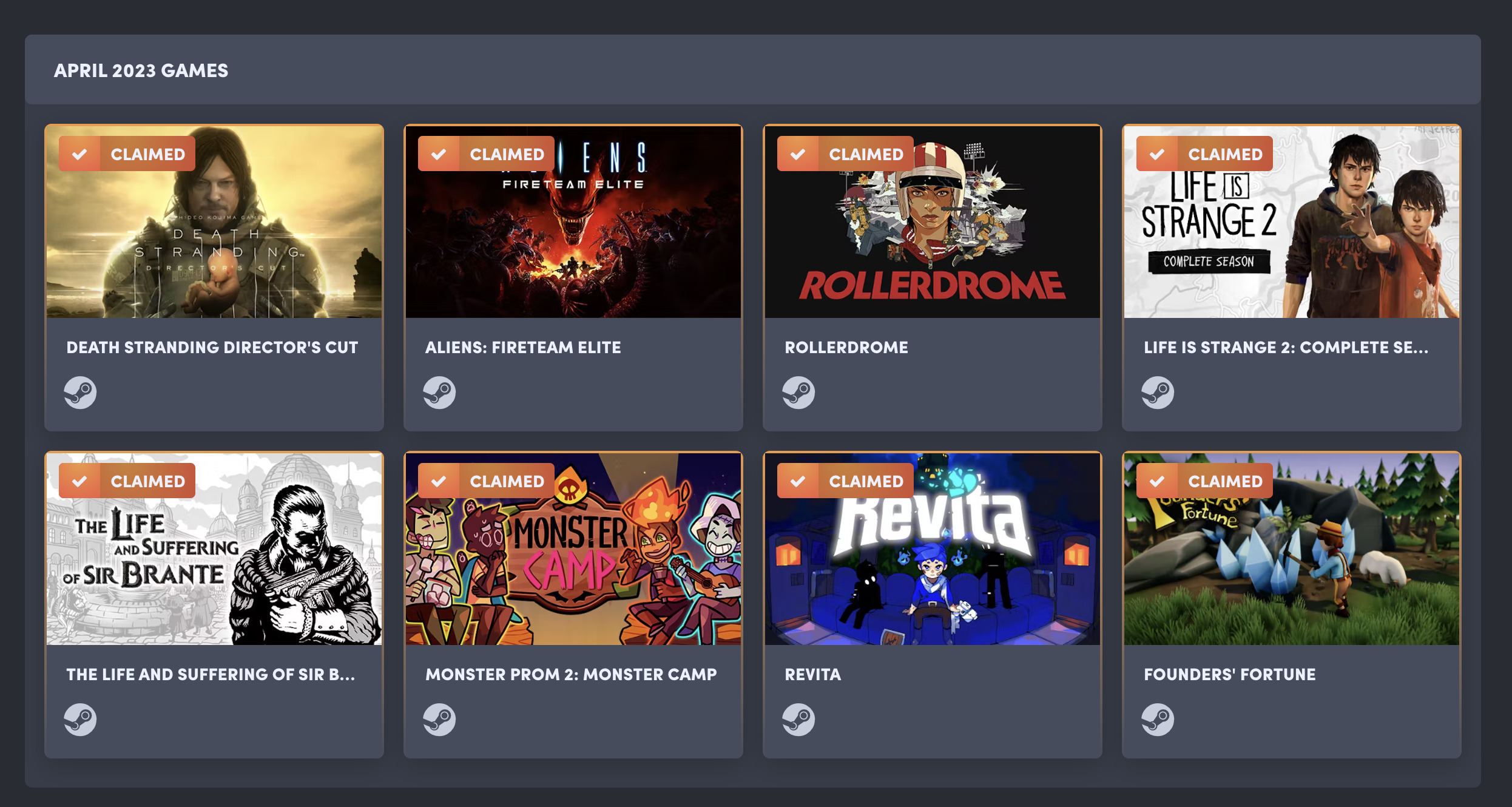
It started, as so many digital frenzies do, with a stray push notification that pinged at 3:47 PM on a Tuesday. The text was innocuous: “Your free game is waiting.” But in the chaotic economy of the internet, where FOMO (Fear Of Missing Out) is the primary currency and dopamine hits are rationed by algorithms, that little ping felt like a treasure map. Humble Bundle—once the scrappy indie darling of the charity-payment world—has evolved into a relentless notification machine, and the “Humble Bundle Free Games” alert has become the unofficial siren song of the chronically online gamer. We’re not just talking about a free copy of a 2015 platformer here; we’re talking about a cultural ritual, a digital scrum, and a low-key psychological experiment that has captivated Twitch streamers, Reddit lurkers, and broke college students alike.
Why is everyone talking about it? Because in an era where a AAA title costs a mortgage payment and subscription services are nickel-and-diming us into oblivion, the concept of a legitimately free game—no strings attached, no credit card required—feels like finding a unicorn in a Walmart parking lot. The notification has transcended its utilitarian purpose; it’s become a social signal. When you see that email or that app alert, you’re not just being told about a deal. You’re being invited into a digital clubhouse where the password is “gratis” and the dress code is sweatpants. The specific allure isn’t just the game itself; it’s the validation of being “in the know,” beating the bots, and claiming something of value before the masses wake up.
But let’s not kid ourselves—this isn’t just about altruism or good vibes. The Humble Bundle free games notification sits at the volatile intersection of consumer psychology, data harvesting, and viral scarcity. It’s a trend that has exploded because it taps into our primal hunter-gatherer instincts, repackaged for the digital savanna. You aren’t just clicking a button; you’re staking a claim. And as the trend continues to dominate Discord servers and X (formerly Twitter) threads, the conversation has shifted from “What’s free?” to “What’s the catch?”—and that’s where the real entertainment begins.
Must Read
The Gutter Economy: Hoarders, Resellers, and Reddit’s Ethical Mafia
Beneath the surface of every free game alert lies a bizarre, fascinating, and occasionally toxic subculture that treats these notifications like a cross between Black Friday and the Hunger Games. There are the Digital Hoarders, who have amassed libraries of 4,000+ games and will never play 90% of them. For them, the notification isn’t about entertainment; it’s about the acquisition. They’re the same people who have 500,000 unread emails but feel a panic attack coming on if they miss a single “free” claim. Their Steam profiles look like a museum of unplayed potential, and their joy comes not from playing, but from meticulously categorizing their virtual shelf. The notification is their weekly fix, a validation that their digital hoard is growing, and woe betide anyone who suggests they skip a week.
Then you have the Arbitrage Warriors—a shadier, more meme-adjacent faction. These savvy operators don’t want the game; they want the key. They’re the ones who create 14 burner Humble accounts, VPN into regions with regional pricing, and then flip the unused keys on grey-market reseller sites like G2A or Kinguin for a 50-cent profit. This has spawned a bitter, ongoing war with the “Ethical Mafia” of Reddit’s r/GameDeals. This mafia doesn’t wield guns; they wield Excel spreadsheets and price-tracking bots. They meticulously police the subreddit, calling out “fraud” and “greed” whenever a free game is claimed by someone who already owns it. The drama is palpable: threads devolve into flame wars about morality, scarcity, and whether you’re a "leech" or a "savvy consumer." The toxicity isn’t violent; it’s a passive-aggressive digital turf war over who gets to feel superior about a free pixel product.
The social media dynamics here are pure chaos. On TikTok, creators post reaction videos—“POV: You just claimed the free Humble game but your internet died at 99%”—racking up millions of views. On X, the notifications are screenshotted and posted with captions like “Oh great, another rogue-like. Just what my backlog needed.” The cultural shift is that the notification has become a status symbol and a meme template. It’s no longer about the game; it’s about the performance of claiming it. The subculture thrives on the tension between genuine gratitude and cynical snark, creating a feedback loop that keeps the algorithm humming and keeps us refreshing our inboxes like lab rats pressing a lever.

Survival Guide: How to Claim The Freebies Without Losing Your Soul (Or Wallet)
Navigating the Humble Bundle free games notification is not for the faint of heart. It requires strategy, foresight, and a healthy dose of self-awareness. Here is your pragmatic, no-BS guide to surviving the weekly onslaught without turning into a digital goblin. First, manage your expectations. The free game is almost never the latest blockbuster. It’s usually a quirky indie gem, a season pass for a game you’ve never heard of, or a multiplayer title with a dead player base. Understand that Humble Bundle is not your benefactor; they’re using the freebie as a loss leader to get you onto their storefront and subscribe to their paid Humble Choice bundle. Approach every notification with the cynical optimism of a bargain-hunter at a flea market: be happy if it’s decent, but don’t rage-quit your job because it’s another farming simulator.
Second, lock your account security down. The moment a “free” notification drops, bots are already scraping the site. You need 2FA (Two-Factor Authentication) enabled, and please, for the love of all that is holy, use a password manager. The last thing you need is your 14-year-old account with 400 games getting hijacked because you clicked a phishing link disguised as a “free Borderlands 3” alert. Scammers are acutely aware of the FOMO this trend generates. They will send you emails that look carbon-copies of Humble’s official alerts, but with a tiny misspelling in the URL. If the email’s subject line contains an excessive amount of exclamation marks or urgency—“FINAL HOURS!!!”—assume it’s a trap. Go directly to humblebundle.com, not through any links in the message, unless you’re 100% sure of the sender.
Third, master the art of the “sanity check”. Before you click “Claim,” ask yourself three questions: Will I play this in the next 30 days? Do I already own this on another launcher (Epic, GOG, Prime Gaming)? Is it actually free, or is it “free” with a mandatory subscription to a service you’ll forget to cancel? This is the trap. Humble often bundles the “free” game with a 7-day trial of Humble Choice. If you forget to cancel, you’ll be charged $11.99. That “free” game just cost you a pizza. Set a reminder on your phone for exactly 6 days and 23 hours from the moment you claim it to cancel the trial. Do this religiously. Treat it like a ticking time bomb.
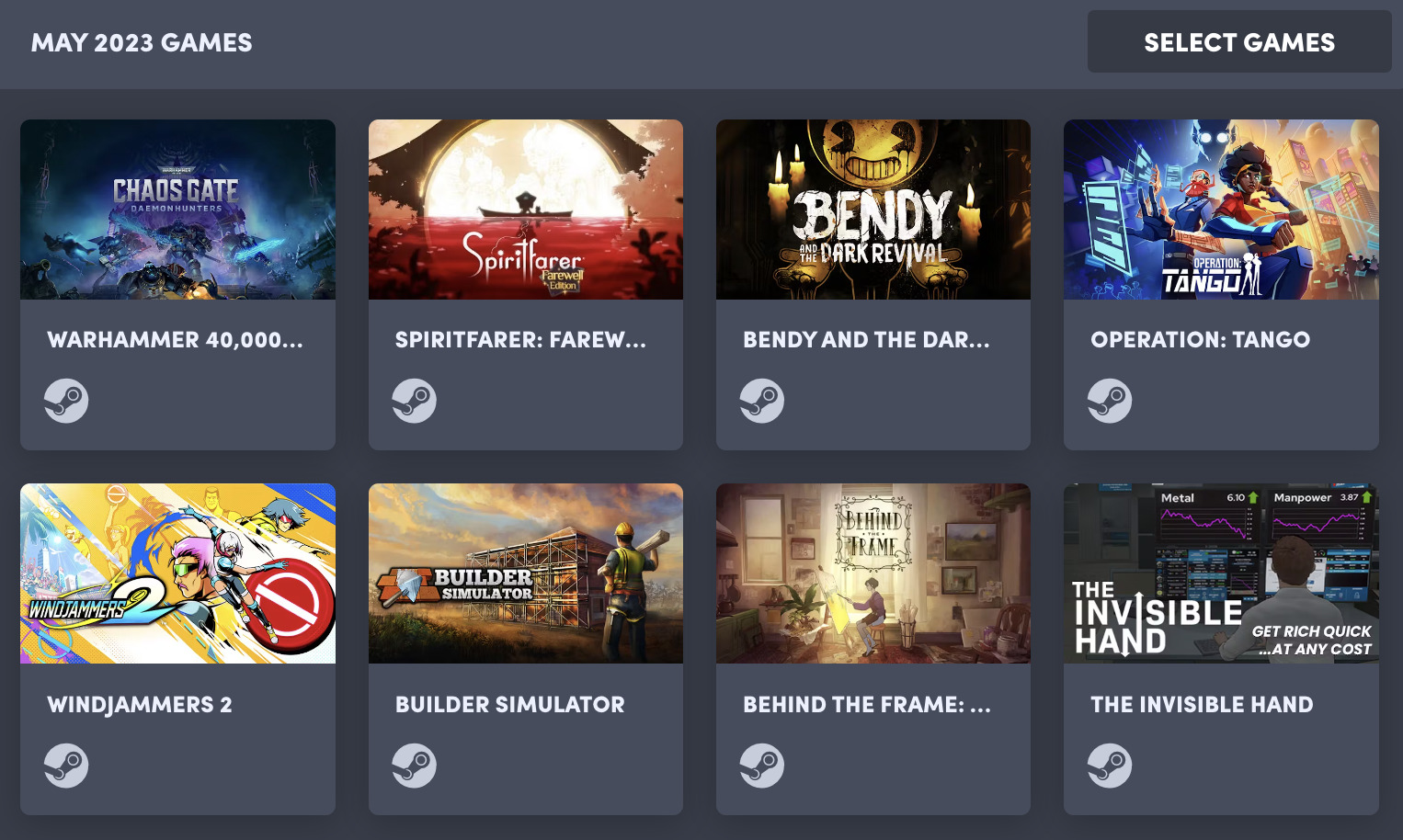
Fourth, diversify your claim schedule. Don’t refresh the page obsessively. The keys for free games don’t always run out instantly, but they can expire. Set a weekly reminder, say every Tuesday at noon, to check the Humble Bundle storefront. This prevents the notification from becoming a source of anxiety. Also, utilize the “Redeem” feature responsibly. If a game requires a Rockstar or Epic Games launcher account, don’t create a new one. Use your main account, even if it hurts. Creating 50 accounts for freebies is how you end up with your accounts flagged for “commercial activity” and getting banned. The goal here is to integrate this into your leisure time, like checking the weather, not to make it a second job with unpaid overtime.
Finally, curate your virtual identity. Use the free games to expand your horizons. The algorithm will notice what you claim, and the more you claim different genres, the better the freebies you’ll get offered. But also, be selective. Claiming everything—even the shovelware—teaches the system that you’re a “high-engagement sucker” who will click anything. Skip a week. Let the notification expire. It builds character and, ironically, makes the next free game feel exponentially more valuable. Scarcity, after all, is a feeling, not a fact. And your sanity is worth more than a 3/10-rated space sim nobody has heard of.
The FAQ: Debating The Digital Freebie
1. Is it actually safe to give my email/credit card info to Humble Bundle for a free game?
In the grand, corruptible circus of the internet, Humble Bundle operates on the "legitimate business" end of the spectrum. They are owned by IGN (Ziff Davis), a massive media conglomerate. Your data is not being sold to a shadowy cabal of spam bots, but make no mistake: it is being used for marketing and behavioral analytics. They track your clicks, your time on page, and your purchase history. The “free” game is a data acquisition cost. That said, the risk of a direct security breach is low. The far greater risk is you using a weak password that gets cracked in a third-party breach, which then exposes your email and payment info. So, yes, it’s “safe,” but only with robust security hygiene. If you’re paranoid, use a dedicated “gaming” email alias and a virtual credit card number from your bank to add a layer of proxy armor between you and the bargain bin.

The deeper debate here is about consent. Are you being exploited? Yes, but benignly. You are trading your attention and a sliver of your personal data for a $19.99 value. That’s a transaction. The real internet debate is whether this “free” model is predatory, training us to accept lower-quality products because they are cheap. Critics argue that it devalues indie developers’ work—you’re treating their art as trash to be hoarded. Proponents counter that it’s discovery; without these freebies, many obscure titles would never be seen. Both arguments hold water. My verdict? As long as you are actively choosing to claim the game, and not being duped into a subscription you didn’t want, it’s a fair trade. The moment you feel forced to claim something because of anxiety, that’s when the algorithm has won.
2. Why is the game sometimes locked to "US Only" or "LATAM Only"? Is it racism?
Oh, the beautiful paranoia of the internet. No, it’s not racism. It’s regional licensing law, which is the most boring and complex beast in the entire gaming industry. Game publishers sell licenses to different entities in different territories. A publisher might own the rights to a game in North America, while a completely different company owns the European rights. Humble Bundle can only give away the keys they are legally allowed to sell or give in specific regions. When you see a regional lock, it’s because the publisher’s licensing agreement specifically restricts distribution to that zone to combat grey-market key reselling or to adhere to local censorship boards. It’s a logistical nightmare, not a social statement.
However, the internet will find a way to make it spicy. There’s a constant, simmering complaint thread about “regional inequality” where users in Australia and parts of Asia get shafted with zero freebies due to a lack of publisher interest or complex trademark disputes. It’s frustrating, absolutely. But implying it’s intentional discrimination is a stretch. The more nuanced debate is about digital justice—why should a player in Brazil get a game for free when a player in Canada has to pay? The answer is simple: economics. Purchasing power parity. It’s not about your skin color; it’s about your currency’s buying power. Using a VPN to “unlock” a US-only freebie is technically against Humble’s ToS and can get your account flagged. Don’t do it. If you’re region-locked out, you’re region-locked out. Jump on the Discord and commiserate, but don’t break the rules.

3. Is it better to wait for the freebie or just pay for Humble Choice?
This is the eternal debate that splits the community into the Frugal Purists and the Volume Subscribers. The freebie is a single, often older or niche title. Humble Choice, the paid monthly subscription, gives you around 8-10 games for $11.99, if you’re not on an old legacy price. On a value-per-dollar basis, Choice is objectively better; you get more games, usually including at least one recent AAA hit. However, the freebie is permanent—once you claim it, it’s yours forever, even if you unsubscribe from everything. Choice games require your subscription to remain active to keep playing them (unless they’re provided as permanent codes, which they sometimes are, but that’s less common now).
The pragmatic strategy is a hybrid. Use the freebie as a litmus test. Claim it. If you play it and love it, great. If not, ignore it. Only buy a month of Choice if you’ve looked at the curated list and see at least two games you’d have paid $10+ for individually. The internet debate rages on Twitter about whether Choice is a “scam” because you’re paying for games you won’t play. That’s a fair point. But the freebie isn’t a scam; it’s a hook. The best approach is to treat the notification as a tip jar. If they give you a gem for free, feel free to buy a month of Choice to “pay it forward” to the charity. If the freebie is trash, vote with your wallet and unsubscribe. That’s the beauty of the system: your dollar is your vote, and your click is your opinion.
Is the Humble Bundle free games notification a passing fad or a permanent scar on our modern lifestyle? I’d wager it’s the latter—but not in the way you think. It’s not about Humble Bundle specifically. It’s about the gamification of daily life. As long as there are digital storefronts, there will be loss leaders, and as long as there are loss leaders, there will be notification-based scavenger hunts. The trend has normalized the idea that our attention is a currency, and that “free” is a state of mind rather than a monetary value. The weekly ping has become a reliable anchor in the chaotic ocean of internet content—a tiny, predictable round of serotonin that cuts through the doom-scrolling.
But let’s be real: the days of wildly obscure, must-have indie games being handed out for free are arguably waning. The market is saturated; publishers are wising up to the fact that freebies cannibalize sales. So, the future is likely a slow drift toward more aggressive freemium tactics, where the "free" game is a demo disguised as a full title, pushing microtransactions. The notification will remain, but its impact might shrink. For now, embrace the ritual. Set your alarms, check your spam folder, and enjoy the thrill of the hunt. Because in this digital jungle, the only thing better than a good game is the delicious, chaotic process of getting it for absolutely nothing. Just remember to cancel the trial. Your future bank balance will thank you.