How To Get Better Frame Rate On Pc
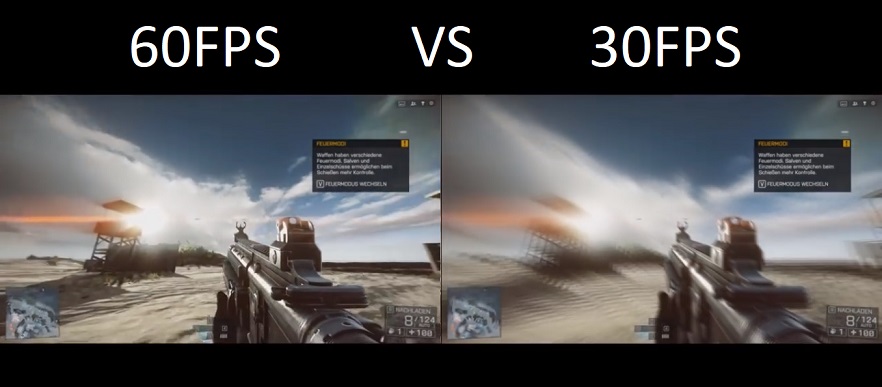
Ever feel that annoying stutter when your game gets intense? That’s your frame rate dropping, and it’s the difference between silky-smooth play and a slideshow. Learning to boost your FPS is like giving your PC a morning coffee—it wakes everything up and makes the whole experience feel better.
The purpose here isn’t to turn you into a tech wizard overnight. It’s to help you understand the simple levers you can pull to make your games run more fluidly. The benefit is immediate: clearer visuals, faster reactions, and less eye strain, especially during fast-paced action.
For students, a smoother frame rate means video lectures and 3D models don’t lag during crucial moments. In daily life, even scrolling through heavy websites or editing home videos feels snappier. You don’t need a rocket ship PC—just a few smart tweaks.
Must Read
Start with the simplest fix: check your power settings. Windows often defaults to “Balanced,” which throttles your hardware. Switch to “High Performance” in the Control Panel, and you’ll instantly see your graphics card work harder.
Next, look at your game’s settings—not all sliders are created equal. Turn down shadows and anti-aliasing first; they devour performance for little visual gain. Lowering resolution by a notch, like from 1080p to 900p, often doubles your FPS without looking terrible.

Don’t forget to close background apps. Chrome with ten tabs is a silent FPS killer, as is Discord’s hardware acceleration. Press Ctrl+Shift+Esc, end those processes, and you’ll reclaim precious CPU and RAM.
If you’re feeling brave, update your GPU drivers directly from NVIDIA or AMD’s site. These updates are free and often include game-specific optimizations. It’s a one-minute download that can boost performance by 10-20% on new titles.
For a slightly deeper dive, try the game’s built-in benchmark. Most modern games have one in the settings menu. Run it, change one setting at a time, and watch the FPS counter—you’ll learn exactly what your PC likes.

Another hidden trick: disable fullscreen optimizations in Windows. Right-click the game’s .exe file, go to Properties, then Compatibility, and check that box. This old Windows feature often causes stutter, especially on dual-monitor setups.
Ramping up your cooling can also help. If your laptop or PC case is dusty, your parts overheat and throttle down on purpose. Blow out the dust with compressed air, ensuring fans spin freely—a cool PC is a fast PC.

Finally, consider using moderate overclocking tools like MSI Afterburner. You don’t need to push extremes—just a small +50MHz on your GPU core can add a few frames. Watch a guide first, but it’s a safe way to extract hidden potential.
Remember, you don’t need to try everything at once. Pick one tip, test it in a quick game, and feel the difference. The joy is in tinkering—each tweak teaches you how your system breathes.
So go ahead, open your favorite game, and start experimenting. Whether you’re a casual player or a competitive gamer, those extra frames feel like magic. Your PC will thank you, and your eyes will too.