Music And How It Affects The Brain

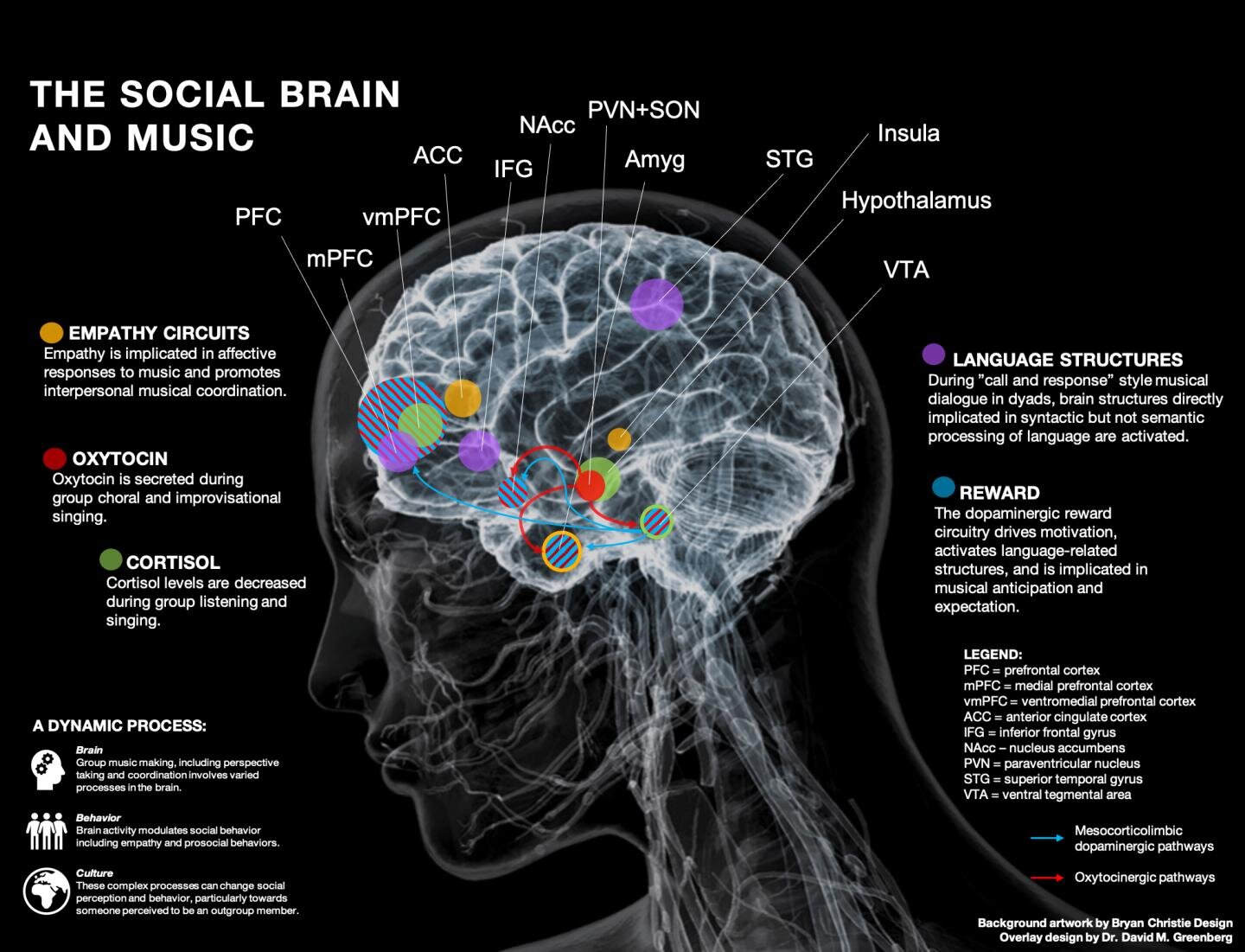
Alright, grab a coffee and lean in, because we’re about to talk about the most magical thing you’ve done today: listening to music. I don’t care if it was a guilty-pleasure pop anthem in the car or a dramatic classical piece while you pretended to work—your brain just threw a massive dance party. And trust me, you weren’t invited to that party as a guest; you are the party.
Here’s the shocker: when you hear a song you love, your brain releases dopamine—the same chemical that fires when you eat chocolate, win at poker, or finally find your keys after a panicked search. It’s not just “nice”; it’s a literal drug hit, minus the sketchy side effects. In fact, brain scans show that the anticipation of a favorite chord can light up your reward system like a Vegas slot machine.
The Shivers Are a Neurological Glitch
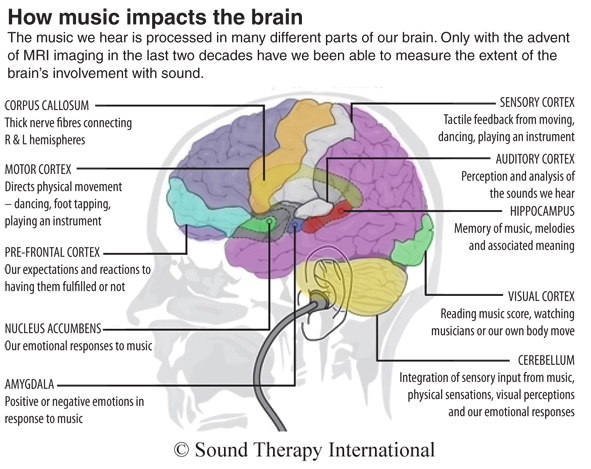
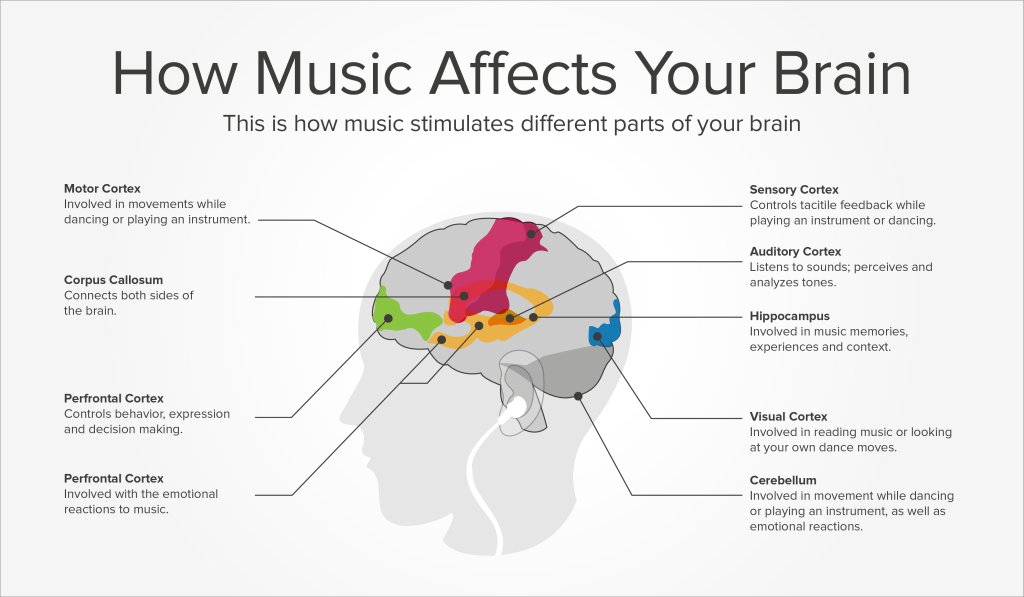
You know that spine-tingling chill when a singer hits a perfect high note? That’s not your soul ascending—it’s your brain’s amygdala (the fear and emotion center) getting confused and firing off a pleasure signal. Scientists call this “frisson,” but I call it “your neurons having a little seizure of joy.”
Must Read
Only about 50% of people get these chills, which means if you don’t, you’re basically a musical Vulcan. But don’t worry—the other half still enjoys music; they’re just not having full-body spasms in public. Weirdly, people who get chills often have more emotional empathy, so the next time you cry at a sad song, just tell everyone you’re “highly evolved.”
Your Brain on Groove: It’s a Time Machine
Put on a song from your high school years, and boom—you’re instantly transported back to that awkward dance, that first crush, or that time you ate a whole pizza alone. This is because music is tightly linked to hippocampus, your brain’s memory vault. The hippocampus doesn’t care that you’re now 40 and responsible; it just replays the tape.
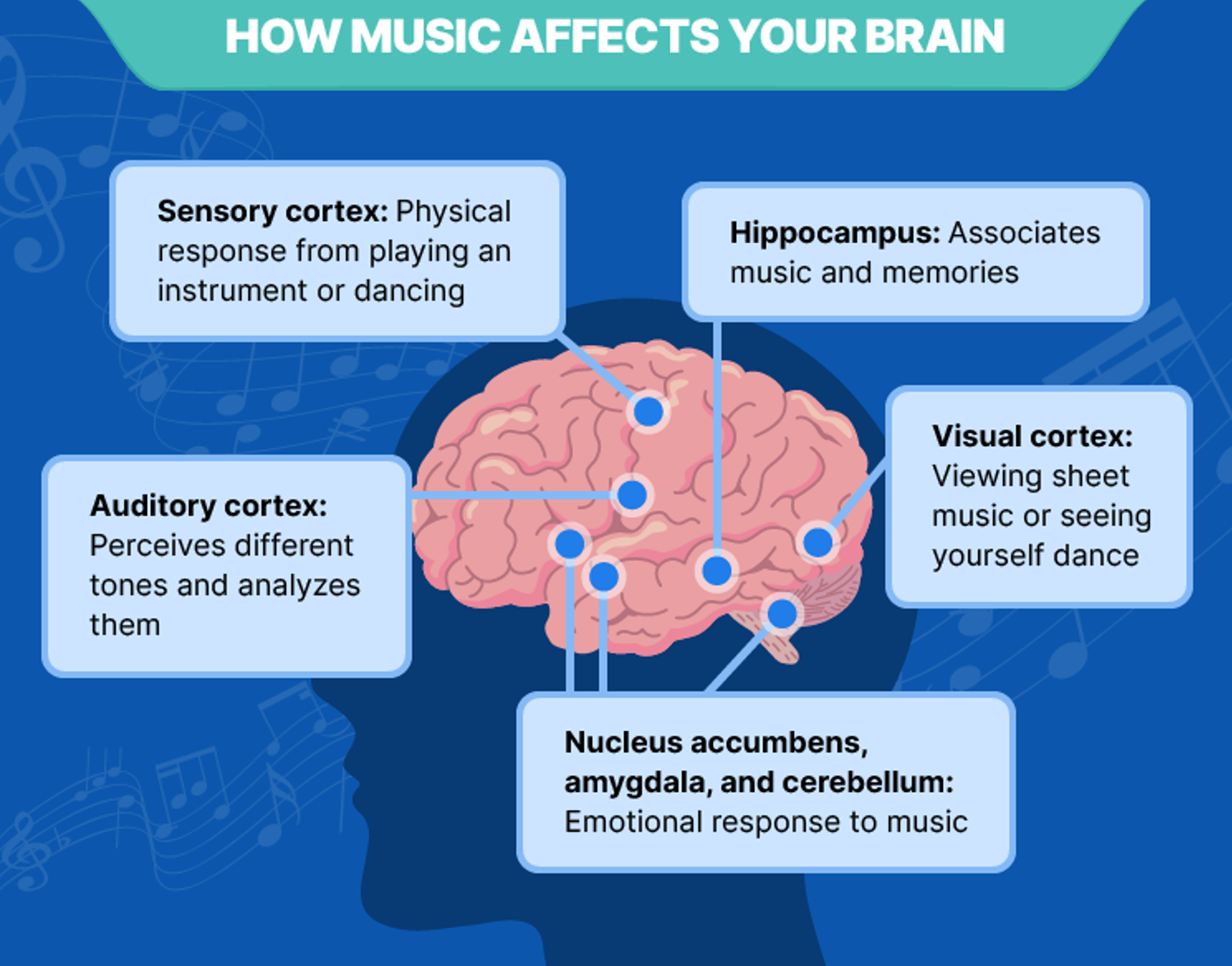
Here’s the crazy part: music can help people with Alzheimer’s recall memories they’ve forgotten. A patient who can’t remember their own name might sing every word of a 1960s hit. It’s like the music bypasses the broken filing cabinet and goes straight to the core of who they are. If that doesn’t make you respect your playlist, I don’t know what will.
Workout Music Is Basically Legal Performance-Enhancing Drugs
Think that pumped-up gym playlist is just for motivation? Wrong. Studies show that listening to fast music can boost your endurance by up to 15%. That’s like getting a free 15% on your muscles—no shady supplements required.
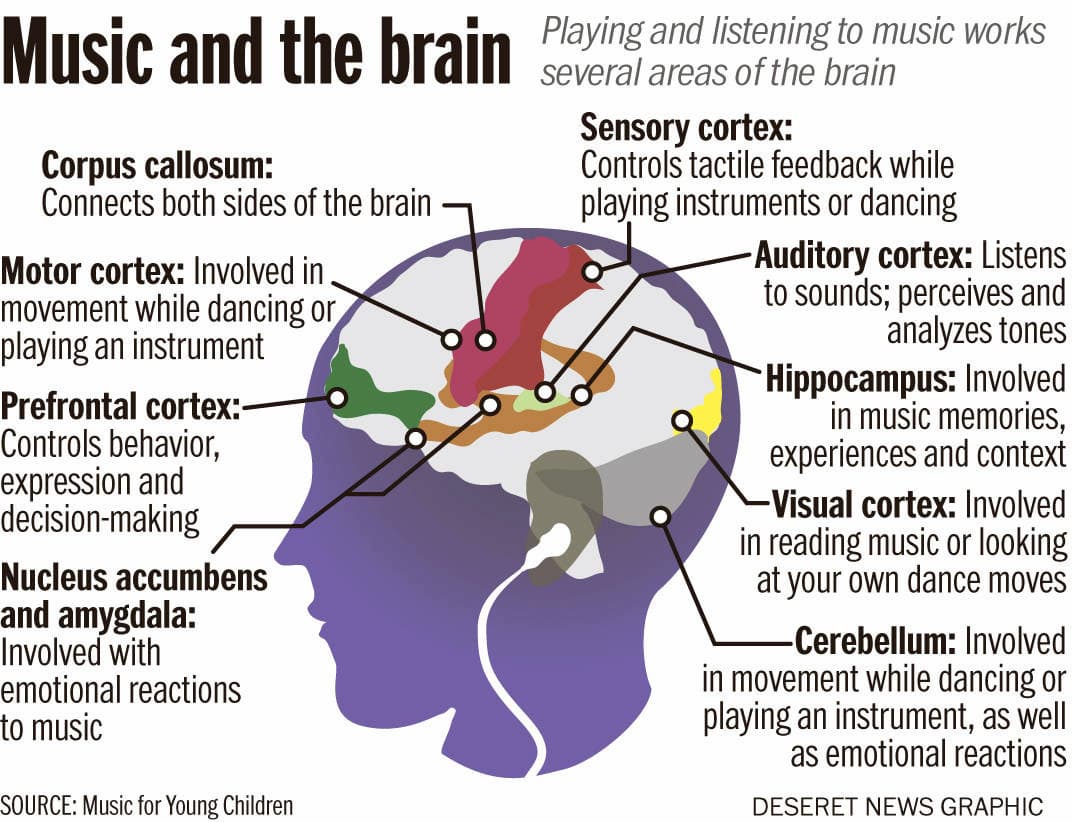
The secret is that music distracts your brain from the burning pain in your quads. It also syncs your movements to the beat, making you more efficient. So, if you’re running to “Eye of the Tiger,” you’re not just nostalgic; you’re a biological machine.
But here’s the twist: your brain hates silence. Absolute silence, like in an anechoic chamber, can cause hallucinations in about 30 minutes. So, that awkward pause in the elevator? That’s your brain begging for a beat. Next time you’re in a quiet room, just know your neurons are screaming for a drum solo.
So go ahead, blast your tunes. You’re not just having fun—you’re rewiring your brain, boosting your mood, and turning into a memory machine. Just try not to dance too hard in the café; you’ll scare the barista.