How To Determine Dominant Planets In Birth Chart
The world of astrology is vast and complex, with numerous elements influencing our personalities, behaviors, and destinies. Among these elements, the concept of dominant planets in a birth chart holds significant importance. The idea is rooted in the belief that each planet in our solar system represents different aspects of human nature, and the positioning of these planets at the exact time and place of an individual's birth can reveal a great deal about their personality, strengths, and weaknesses. This concept has been explored and refined over centuries, with ancient civilizations such as the Egyptians, Greeks, and Romans being well-versed in the art of astrology.
The study of dominant planets is not just a matter of passing interest; it has practical applications in understanding oneself and others. By identifying the dominant planets in a birth chart, individuals can gain insights into their emotional needs, communication styles, and even their potential career paths. Moreover, this knowledge can foster deeper empathy and understanding in personal and professional relationships. The allure of astrology lies in its promise to unlock the secrets of the universe and our place within it, making the exploration of dominant planets a fascinating and rewarding journey.
Understanding Dominant Planets
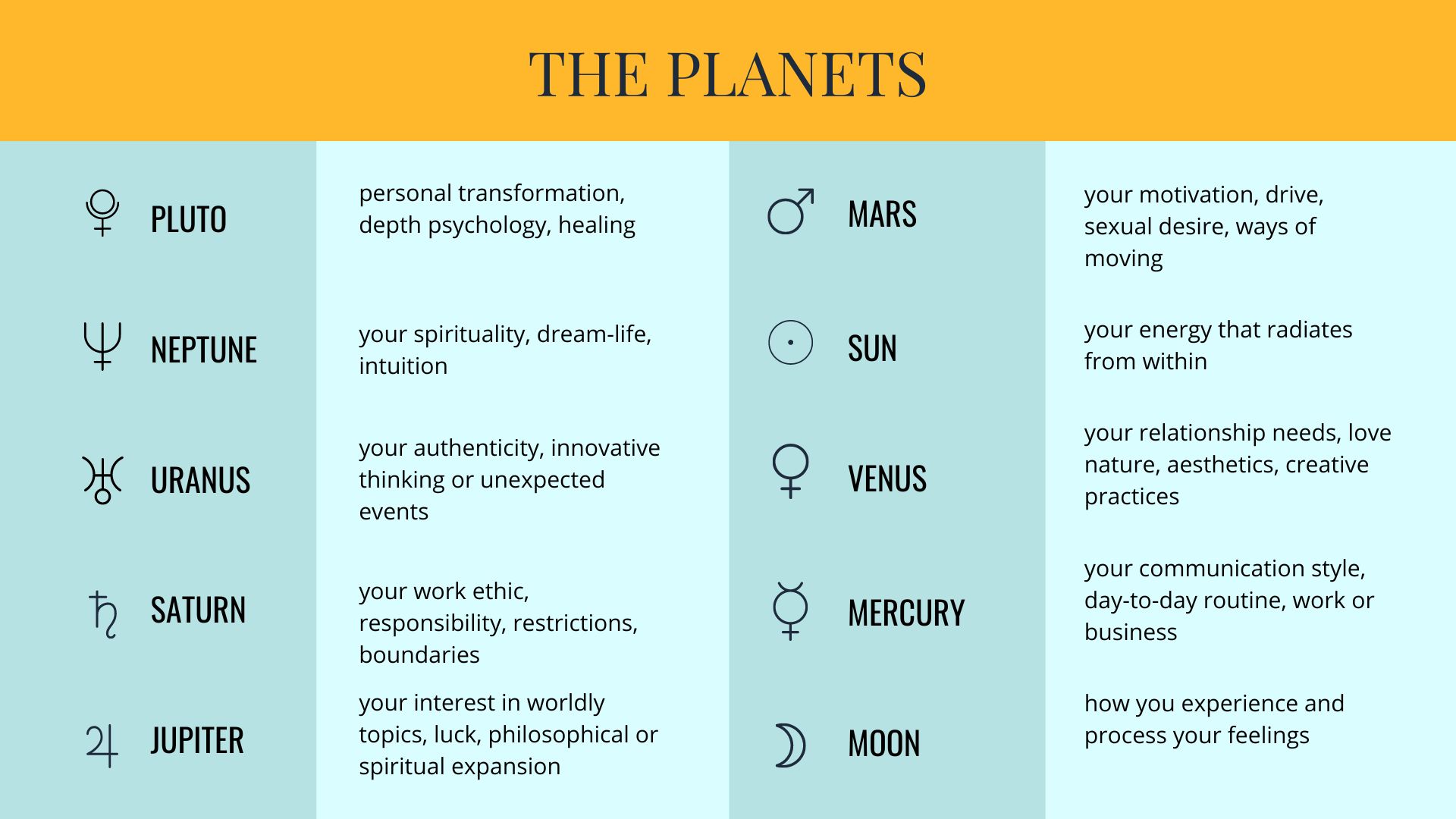
To determine the dominant planets in a birth chart, one must first understand the basic principles of astrology. The birth chart, or natal chart, is a map of the celestial bodies at the exact time, date, and place of an individual's birth. Each planet is associated with specific traits and energies: Mars is associated with action and aggression, Venus with love and beauty, Jupiter with expansion and wisdom, and so on. The dominant planets are those that have the most significant influence on the chart, often due to their position in key houses or their aspects to other planets. For instance, a person with Mars in the first house may exhibit a more outgoing and assertive personality, while someone with Neptune in a prominent position might be more intuitive and creative.
Must Read
The psychological aspects of dominant planets are equally compelling. They can reveal underlying fears, desires, and motivations that shape an individual's behavior and decision-making processes. For example, a person dominated by Saturn might struggle with self-doubt and insecurity but also possess a strong sense of discipline and responsibility. On the other hand, someone influenced by Uranus could be more inclined towards innovation and independence, often challenging traditional norms and values. Understanding these planetary influences can provide a unique lens through which to view personal growth and development.
Culturally, the concept of dominant planets has been a subject of fascination across various societies. In many Eastern cultures, astrology is deeply intertwined with spirituality and daily life, with individuals often seeking astrological guidance for major life decisions. The influence of dominant planets can also be seen in art and literature, where characters and their journeys are sometimes symbolically represented by planetary archetypes. This blend of the mystical and the mundane makes the study of dominant planets a rich and captivating field that continues to inspire and inform our understanding of human nature.
Applying the Knowledge of Dominant Planets
One of the most practical applications of knowing the dominant planets in a birth chart is in relationship dynamics. By understanding the dominant planetary influences on both partners, couples can navigate their interactions more effectively, leveraging the strengths and compensating for the weaknesses of each other's planetary profiles. For instance, if one partner is dominated by Mars and the other by Venus, their relationship might be characterized by a dynamic interplay between action and affection, with the Martian energy driving adventure and the Venusian energy fostering harmony.
In a professional context, knowledge of dominant planets can be invaluable for career counseling and team management. Individuals with Jupiter as a dominant planet might excel in roles that involve expansion, education, or international relations, while those with Mercury dominating their chart could find success in communications, technology, or analytical positions. This insight can help in creating more balanced and effective teams, where each member's planetary strengths are utilized to achieve common goals.
/phylameana-natal-chart-56a469673df78cf772824d3a.jpg)
The process of determining dominant planets also involves considering the aspects between planets, which are the angles formed by the lines connecting the planets. Harmonious aspects, such as trines and sextiles, can indicate where an individual's talents and opportunities lie, while challenging aspects, like squares and oppositions, may point to areas of conflict or personal growth. For example, a trine between Sun and Jupiter can suggest a natural flair for leadership and an expansive, optimistic outlook, making the individual more likely to succeed in roles that require confidence and vision.
Furthermore, the houses in which the dominant planets reside provide additional clues about their expression. The first house, associated with the self and outer persona, can amplify the traits of any planet placed within it, making the individual's dominant planetary influence highly visible to others. In contrast, planets in the twelfth house, linked to the subconscious and spiritual realms, might exert a more subtle, behind-the-scenes influence, guiding the person's intuition and inner world. Understanding these nuances can help individuals tap into their full potential and navigate life's challenges with greater awareness and purpose.
Frequently Asked Questions
What are the most common methods for determining dominant planets in a birth chart?
The determination of dominant planets can be approached through several methods, including examining the planet's position in key houses, its aspect to other planets, and its relationship to the chart's angles (ASC, MC, etc.). One common technique is to look for planets that are in close aspect to the Sun, Moon, ASC, or MC, as these are considered highly influential. Additionally, planets that are angular (in the 1st, 4th, 7th, or 10th houses) or cuspal (on the cusp of a house) are often more dominant. Each method offers a unique perspective, and astrologers may combine these approaches to gain a comprehensive understanding of the chart.
The choice of method can depend on the astrologer's school of thought and the individual's chart characteristics. For example, some astrologers might emphasize the importance of stella (star) formations, where three or more planets are in close aspect, creating a powerful focal point of energy. Others might focus on the dispositors of the chart, which are the planets that rule the signs on the angles, as these dispositors can indicate how the dominant planets will express themselves. By considering these different perspectives, one can develop a rich and multifaceted view of the dominant planets and their role in shaping an individual's life and personality.

How do the dominant planets influence personality and behavior?
The dominant planets play a crucial role in molding an individual's personality and behavioral tendencies. Each planet is associated with specific energies and themes, which, when dominant, can significantly impact how a person interacts with the world. For instance, Mars dominance can impart a competitive, driven nature, while Neptune dominance can lead to a more empathetic and imaginative personality. These planetary influences can also affect emotional patterns, communication styles, and even physical characteristics, making each individual unique and complex.
Moreover, the interplay between dominant planets can create fascinating personality dynamics. A person with both Jupiter and Saturn as dominant planets might exhibit a philosophical, expansive approach to life but also struggle with self-doubt and a fear of failure. This blend of optimism and caution can lead to a highly responsible and ambitious individual who is also deeply concerned with ethical and moral principles. Understanding these planetary interactions can provide profound insights into an individual's inner world and outer expressions, helping them to leverage their strengths and work through their challenges.
Can dominant planets change over time, and if so, how?
The concept of dominant planets is not entirely static; it can evolve as an individual grows and develops over time. While the birth chart remains the same, the way its planetary influences manifest can shift due to various factors, including personal growth, life experiences, and astrological transits. For example, a person might have Uranus as a dominant planet in their youth, indicating a rebellious and innovative spirit, but as they mature, the influence of Saturn might become more pronounced, reflecting a growing sense of responsibility and discipline.
This evolution can be attributed to the natural process of maturation, where individuals integrate different aspects of their personality and develop new coping mechanisms and life strategies. Astrological transits, such as the Saturn return, can also trigger significant personal transformations, altering how the dominant planets express themselves in the chart. Furthermore, conscious personal growth efforts, such as therapy or spiritual practices, can help individuals harness their planetary potentials more effectively, leading to a more balanced and fulfilling life. By acknowledging and working with these changes, individuals can navigate their life's journey with greater awareness and purpose.

How do dominant planets affect relationships and compatibility?
Dominant planets play a significant role in determining relationship dynamics and compatibility. When the dominant planets of two individuals interact harmoniously, their relationship can be filled with mutual understanding, respect, and complementary energies. For example, if one partner has Venus as a dominant planet and the other has Mars, their relationship could be characterized by a dynamic balance between love, beauty, and action, with each partner inspiring the other to grow and explore new experiences.
However, challenging aspects between the dominant planets of two individuals can indicate areas of conflict or tension in the relationship. A square between Jupiter and Saturn, for instance, might suggest difficulties in finding a balance between expansion and limitation, with one partner encouraging growth and the other emphasizing caution. By understanding these planetary interactions, couples can anticipate potential issues and work together to find solutions, fostering a deeper and more resilient connection. This awareness can also help in attracting a compatible partner, as individuals can seek out those whose dominant planets resonate with their own, creating a harmonious and supportive relationship.
What is the significance of dominant planets in career choices and professional success?
The dominant planets in a birth chart can offer valuable insights into career inclinations and professional potential. Each planet is associated with specific professional themes and industries; for example, Mercury is linked to communications, writing, and intellectual pursuits, while Neptune is associated with the arts, spirituality, and humanitarian work. By identifying the dominant planets, individuals can uncover their natural talents and inclinations, guiding them towards careers that align with their soul's purpose and planetary design.
Furthermore, the aspects between the dominant planets and other chart factors can indicate potential career challenges and opportunities. A trine between Jupiter and Uranus might suggest a talent for innovative and expansive professional endeavors, possibly in fields like technology, astronomy, or social entrepreneurship. On the other hand, a square between Mars and Saturn could indicate frustrations or obstacles in career advancement, requiring the individual to develop patience, perseverance, and strategic planning to overcome these hurdles. By leveraging the knowledge of dominant planets, individuals can make informed career decisions, capitalize on their strengths, and navigate the complexities of their professional journey with greater ease and success.

How can knowledge of dominant planets be used for personal growth and self-awareness?
The knowledge of dominant planets is a powerful tool for personal growth and self-awareness. By understanding the planetary influences that shape their personality, behaviors, and potential, individuals can embark on a journey of self-discovery and transformation. This awareness can help in recognizing and managing emotional patterns, developing emotional intelligence, and cultivating a more compassionate and empathetic attitude towards oneself and others.
Moreover, recognizing the dominant planets can guide individuals in making conscious choices that align with their planetary design, leading to a more authentic and fulfilling life. For example, someone with Earth dominant planets (like Taurus or Virgo) might focus on practical, grounded pursuits and nurture their connection with nature, while an individual with Fire dominant planets (like Aries or Leo) could cultivate their passion, creativity, and leadership abilities. This self-awareness can also facilitate a deeper understanding of one's life purpose and spiritual path, enabling individuals to live a life that is true to their planetary and soul's intentions.
Reflecting on the concept of dominant planets, it becomes clear that this aspect of astrology offers a profound and multifaceted tool for understanding human nature and the complexities of our lives. By exploring the dominant planets in a birth chart, individuals can gain insights into their strengths, weaknesses, and potential, fostering a journey of self-discovery, growth, and transformation. The interplay between the dominant planets and other chart factors can reveal a rich tapestry of personality traits, emotional patterns, and life themes, making each individual's astrological profile uniquely informative and inspiring.
The practical applications of this knowledge are vast, from navigating personal relationships and career choices to cultivating emotional intelligence and spiritual awareness. In a world where self-awareness and personal growth are increasingly valued, the study of dominant planets stands out as a compelling and effective means of achieving these goals. Whether used for personal insight, professional development, or simply to appreciate the celestial ballet that influences our lives, the concept of dominant planets is a fascinating and rewarding area of exploration that promises to deepen our understanding of ourselves and our place in the universe.
Ultimately, the journey into the world of dominant planets is a journey into the very heart of human nature, with all its complexities, mysteries, and wonders. It invites us to consider the interconnectedness of our lives, the celestial influences that shape us, and the infinite potential that lies within each individual. As we delve into the mysteries of the dominant planets, we may find that the boundaries between the personal and the universal, the earthly and the celestial, begin to blur, revealing a cosmos that is at once vast, intricate, and profoundly human.