
How Long It Takes To Get A Bachelor's Degree

So, you're thinking of getting a Bachelor's degree, huh? Well, congratulations on taking the first step towards a lifetime of student loan debt... just kidding (kind of)! But seriously, earning a Bachelor's degree is a significant achievement that can open doors to new career opportunities and increase your earning potential.
But, let's get down to business – how long does it actually take to get a Bachelor's degree? The typical timeframe is four years, but it's not uncommon for students to take an extra year or two to complete their degree. Think of it like trying to finish a really long TV show – you know, the one with 10 seasons and 100 episodes.
The Traditional Route
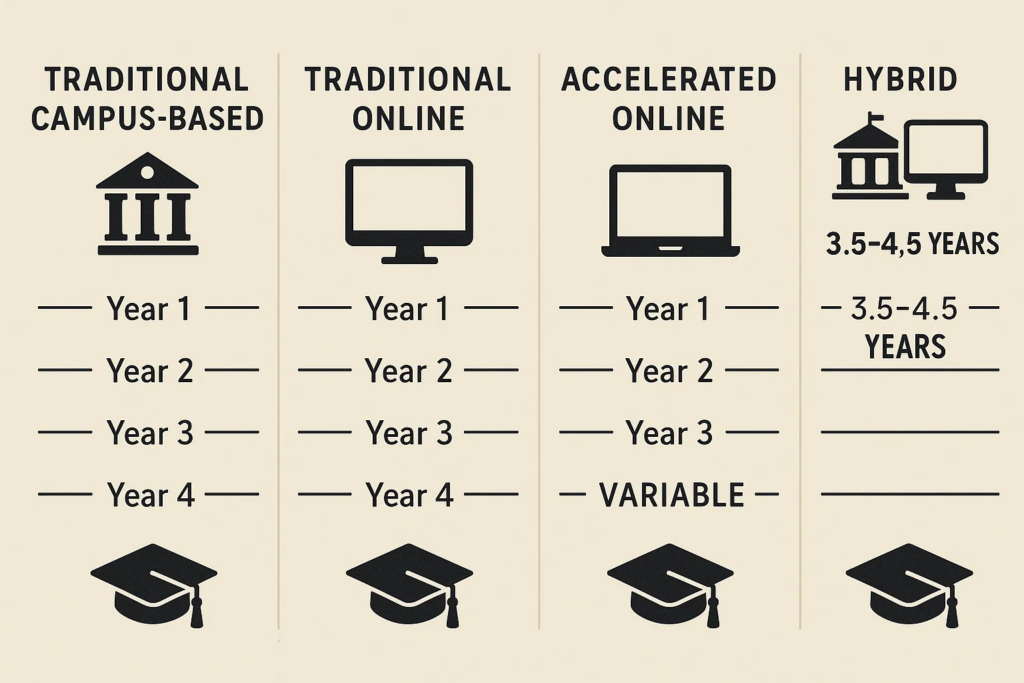
The traditional route to getting a Bachelor's degree involves attending a brick-and-mortar university and completing a set of required courses and electives over the course of four years. It's like being on a strict diet – you have to stick to the plan and avoid any distractions (like, you know, partying too much). But, if you're disciplined and focused, you can graduate in four years with a degree in your chosen field.
Must Read
For example, if you're studying to be a software engineer, you'll typically need to complete courses in computer science, mathematics, and programming. It's like building with LEGO blocks – you need to start with a strong foundation and then add layers of complexity to create something amazing.
Accelerated Programs
But, what if you're in a hurry? Maybe you're like the roadrunner – speedy and eager to get to the finish line. In that case, you might consider an accelerated program that allows you to complete your degree in less than four years. These programs are like fast food – quick, convenient, and maybe not as satisfying, but they get the job done.
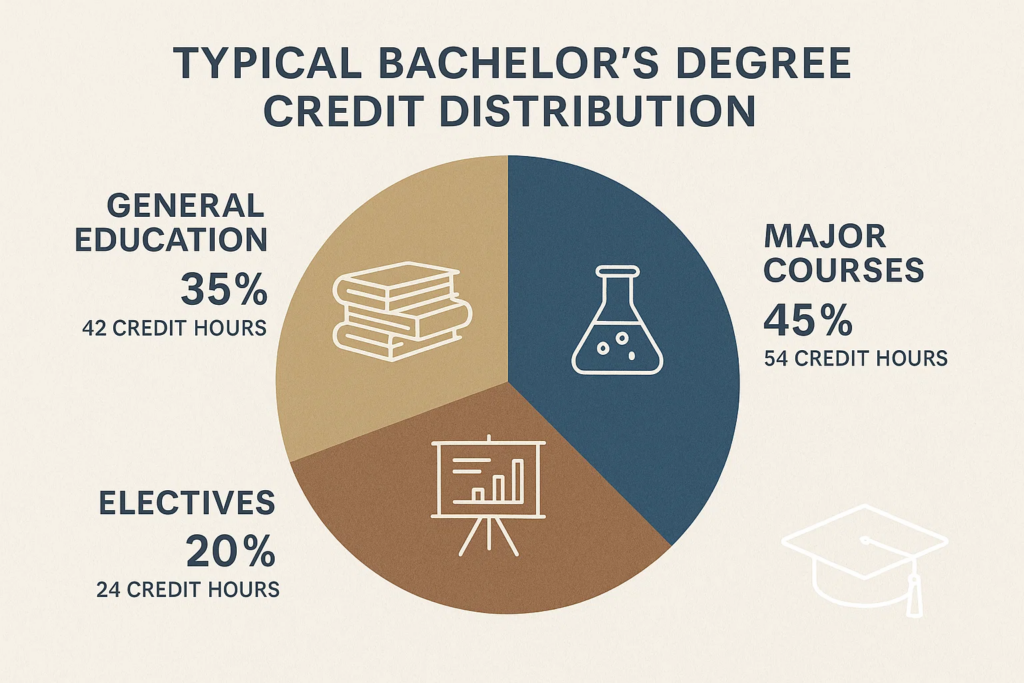
For instance, some universities offer online courses or summer sessions that can help you accelerate your progress. It's like having a personal trainer – they help you stay on track and push you to reach your goals faster.
However, accelerated programs can be intensive and require a lot of hard work. It's like trying to learn a new language in a short amount of time – it's possible, but it takes dedication and practice. So, if you're thinking of going the accelerated route, make sure you're prepared for the challenge.

Online and Part-Time Options
Maybe you're not a traditional student – maybe you're working full-time or raising a family. In that case, you might consider online or part-time programs that allow you to complete your degree at your own pace. It's like having a personalized learning plan – you can learn when and where it's convenient for you.
For example, some universities offer online courses that you can complete on your own schedule. It's like having a virtual coffee shop – you can grab a cup of coffee, sit back, and learn at your own pace.
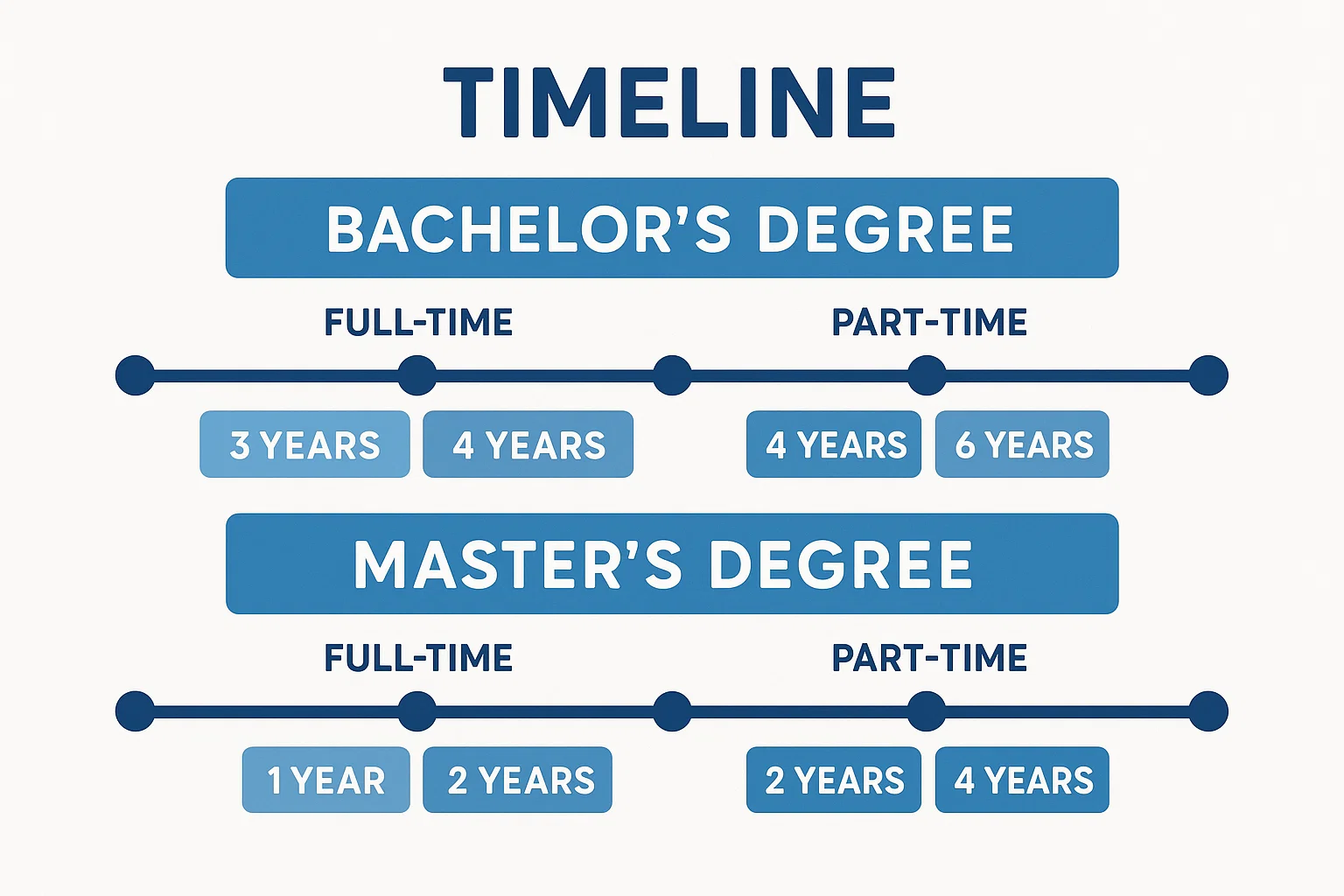
However, online and part-time programs can be isolating – you might miss out on the social aspect of university life. It's like being a hermit – you're alone, but you're still getting the job done.
Transferring Credits
Maybe you've already started your degree at one university, but you want to transfer to another. It's like switching teams – you're still playing the same game, but you're wearing a different jersey. Transferring credits can be a complex process, but it's often worth it in the end.

For instance, you might need to repeat some courses or take additional classes to meet the requirements of your new university. It's like having to rebuild a puzzle – you need to fit the pieces together in a new way, but you're still working towards the same goal.
However, transferring credits can also be a fresh start – you get to start anew and create a new academic record. It's like getting a second chance – you can learn from your past mistakes and do things differently this time around.
So, there you have it – getting a Bachelor's degree can take anywhere from two to six years, depending on your circumstances. It's like running a marathon – you need to pace yourself, stay focused, and keep your eyes on the prize. But, with the right mindset and support, you can achieve your academic goals and start a successful career.
![How Long Does It Take To Get A Bachelor’s Degree? A Complete Guide [2026]](https://www.tipsdegree.com/wp-content/uploads/2025/10/how-long-does-it-take-to-get-a-bachelors-degree.webp)