Emory University Mph Acceptance Rate
So, you’re thinking about getting your Master of Public Health (MPH) at Emory. Congratulations—you’ve basically decided to become the cool, data-driven superhero of the public health world. But before you start practicing your lab coat pose, there’s that one number staring you down: the acceptance rate. It feels a bit like checking your dating app matches—you’re excited, but also terrified of seeing that awkward “no one liked you” screen.
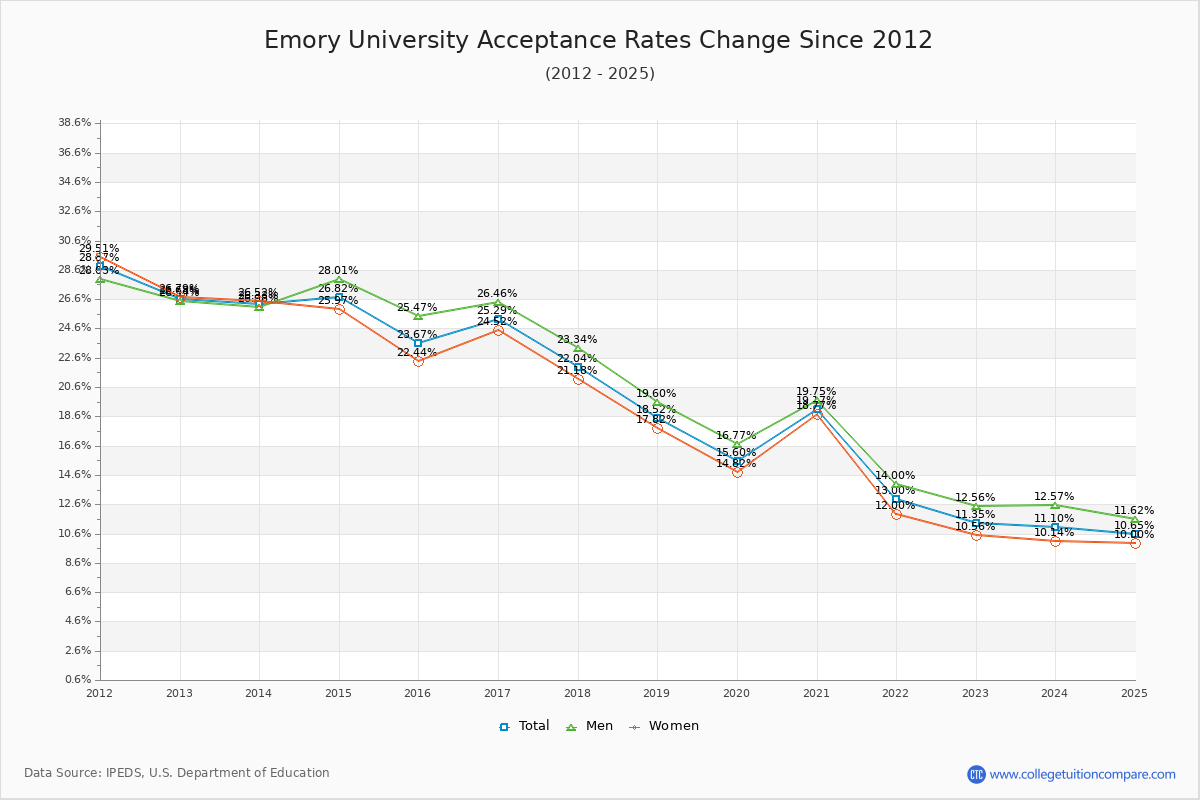
Let’s rip the Band-Aid off right away. Emory’s MPH acceptance rate generally hovers around 40% to 45%. Yes, that means they accept nearly half of applicants, which sounds amazing until you remember the other half are crying into their smoothies. It’s not Harvard-level “you’re basically a unicorn,” but it’s not a community college open-door policy either. Think of it as a popular brunch spot—you’ll probably get a table, but you might have to wait outside in the rain for an hour.
The “Goldilocks” of Public Health Schools
Emory is that friend who is smart but not annoyingly so. They’re prestigious enough to make your grandma proud, yet they don’t require a blood oath and a Nobel Prize to get in. In the world of grad schools, Emory is the Goldilocks option—not too hot, not too cold, just right for people who want a top-tier education without sacrificing their sanity. That’s why 40% feels like a warm hug compared to, say, Johns Hopkins’s 20% frosty handshake.
Must Read
But here’s the kicker: that acceptance rate is a big, blinking average. It includes everyone from the 4.0 GPA genius who cured a cold in their spare time to the seasoned nurse who just wants a promotion. Your odds shift like a mood ring depending on your background. If you have public health experience, a solid GRE (or now, a convincing story), and recommendation letters that don’t sound like a robot wrote them, you’re in the “more likely” pile. If you’re fresh out of undergrad with a vague “I like helping people” essay, you’re facing a harder climb—like trying to run a marathon in flip-flops.
What Actually Moves the Needle?
Let’s be real: Emory’s Rollins School of Public Health isn’t looking for perfect robots. They want people who have touched grass—meaning real-world experience. I remember a friend who applied with a 3.2 GPA but had spent two years working at a rural health clinic. She got in, while her study buddy with a 3.9 and zero street cred got waitlisted. The lesson? Experience beats GPA like a strong cup of coffee beats a sleepy Monday.

Your personal statement is also your secret weapon. Don’t write “I want to save the world” (yawn). Write about the time you saw a food desert in your hometown, or how you helped your aunt navigate her diabetes appointments. Emory’s admissions team is basically a group of human lie detectors—they can smell generic essays from a mile away. Be specific, be a little funny, and for heaven’s sake, show you actually know what epidemiology is. Hint: it’s not just “looking at spreadsheets.” It’s looking at spreadsheets while feeling deeply concerned about everything.
The “Rollins Effect” and Your Application Mess
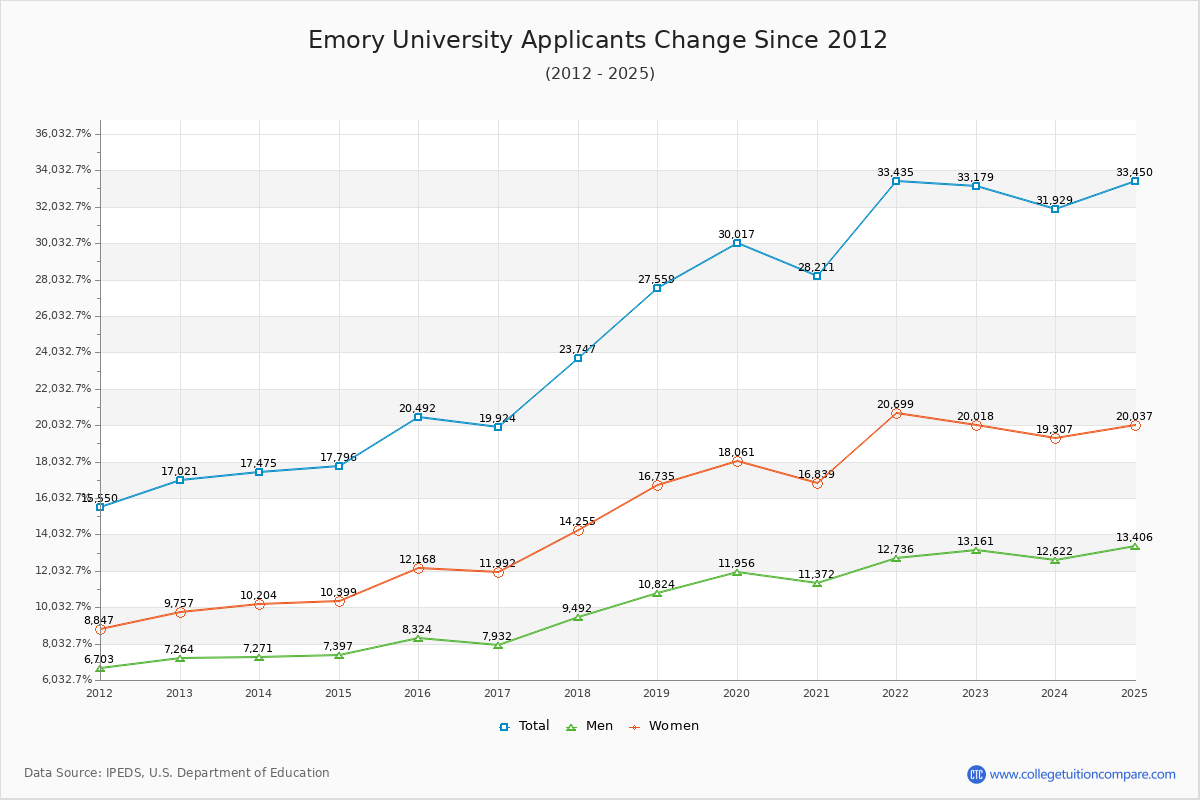
Here’s the thing about that 40%—it’s also a game of math. Emory receives thousands of applications, and they only have so many seats (around 500 full-time MPH students). So, while the acceptance rate feels friendly, you’re still competing against a herd of overachievers. Picture a concert ticket sale: the venue is decently sized, but everyone and their cousin wants to see the same band. You don’t need to be the first in line, but you do need to have your payment info ready.
Your resume needs a narrative. Don’t just list “intern at hospital.” Say “coordinated a community vaccine drive that reached 2,000 underserved residents.” Boom, instant credibility. And your test scores? Most programs have relaxed their GRE requirements, so if you bombed math at 8 AM, you’re not doomed. Emory cares more about your quantitative literacy—like being able to read a chart without breaking a sweat—than your ability to memorize obscure formulas.
So, Should You Panic?
Short answer: No. Long answer: No, but please apply early. Emory uses a rolling admission, which means they accept people as they go. Applying in October is like showing up to the buffet first—you get the best hot wings. Applying in March is like arriving when only the sad, crusty bread is left. Your chances genuinely improve if you submit your materials by the priority deadline (usually around December).

And honestly, if you get rejected, it’s not the end of the world. I know a woman who got denied by Emory, cried for a day, then got a fully funded scholarship at another school and now runs a global health program. Rejection sometimes just means your story belongs elsewhere. But let’s be optimistic—you’re likely part of the lucky 40%. Just make sure your essays have a little spark, your recommendations are from people who actually like you (not just your TA), and your GPA isn’t hiding a felony.
So, take a deep breath. The acceptance rate is a number, not a prophecy. Emory is looking for curious, resilient, slightly obsessive people who can handle both a spreadsheet and a community meeting. If that sounds like you, hit submit. Worst case? You get a polite “no” and a great story. Best case? You’re walking around the CDC headquarters (yes, it’s across the street) feeling like a real-life health detective. That’s worth the gamble, even with a 40% coin flip.

:max_bytes(150000):strip_icc()/emory-university-gpa-sat-act-5761b9233df78c98dc616bc8.jpg)