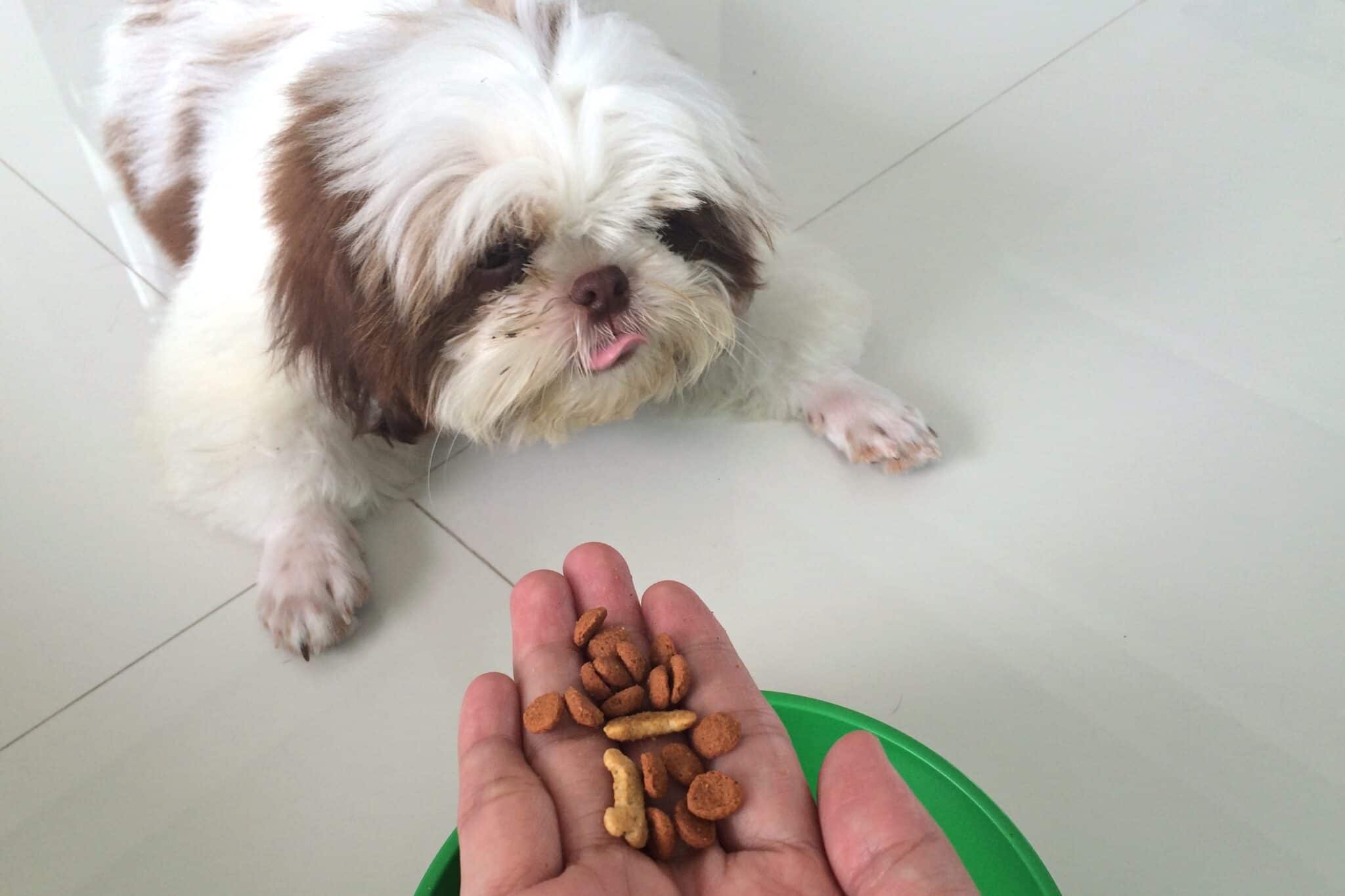
Dog Food For Shih Tzu 2 Months Old
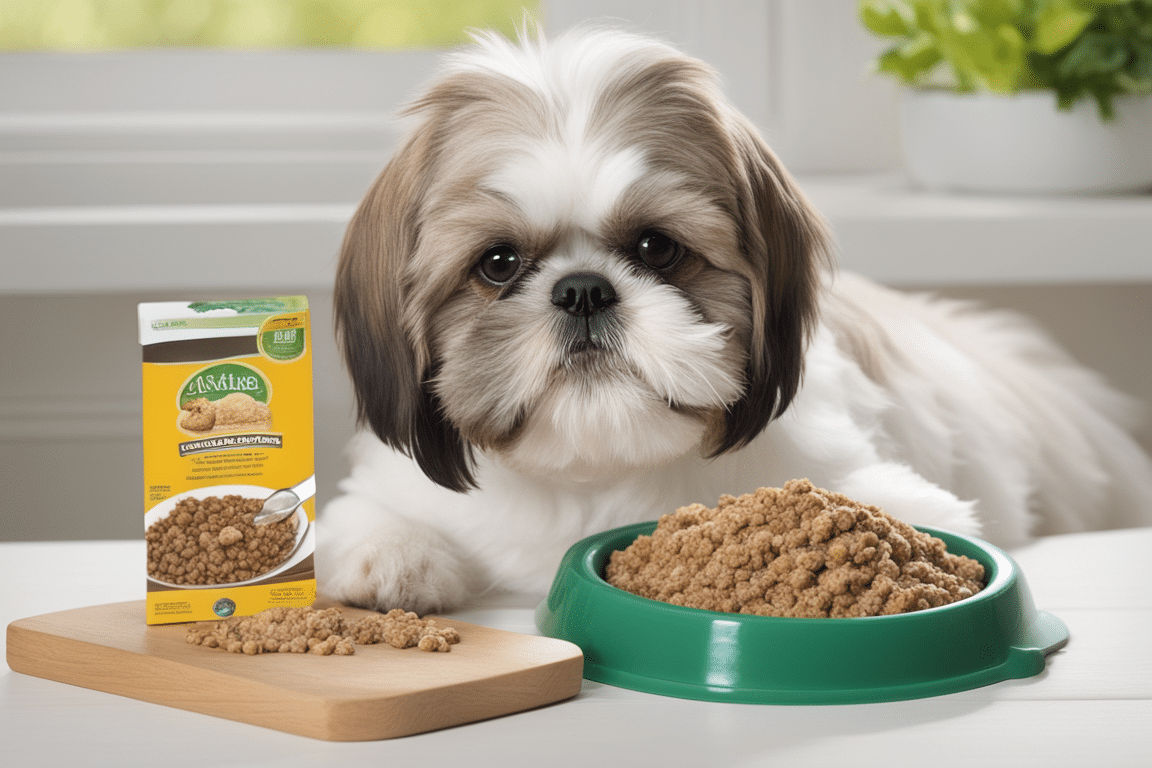
In the grand, chaotic theatre of modern pet parenting, the arrival of a Shih Tzu puppy is less like adopting a dog and more like being handed a tiny, fur-clad emperor with a lease agreement. These creatures, bred for centuries in the Chinese imperial courts to be living hot water bottles for concubines and royalty, have an ancient lineage that demands a certain standard of living. Today, that standard begins with the critical, often anxiety-inducing question of what to put in their royal bowl. Feeding a two-month-old Shih Tzu isn't just about nutrition; it's about navigating a minefield of developmental biology, breed-specific quirks, and marketing hype, all while trying not to let the sheer adorableness of those bug eyes distract you from the fact that you are, essentially, the head chef for a creature with a stomach the size of a walnut.
At eight weeks, a Shih Tzu puppy is technically weaned, but they are far from being miniature adults. They are entering what we might call the "hollow leg" phase, where their metabolism is running at the speed of a caffeinated hummingbird, yet their digestive systems are still as delicate as origami made of wet tissue paper. This is the pivotal moment where dietary decisions can either build a fortress of health or lay the foundation for a lifetime of picky eating and gastrointestinal drama. The stakes are high, and the learning curve is steep, because unlike their larger canine cousins, the Shih Tzu's notoriously flat face (brachycephalic) and tiny jaw structure mean that the physical act of eating is often a messy, sloppy, and occasionally comical affair. Navigating this phase with confidence is the first true test of your stewardship as a dog owner, and it requires a blend of science, patience, and a healthy sense of humor.
The Quirky Biology of the Imperial Gobbler
Let's talk about the elephant in the room, or rather, the lack of a nose in the room. The Shih Tzu’s brachycephalic skull is a masterpiece of selective breeding, but it comes with a laundry list of physiological quirks that directly affect their dining experience. Their nostrils are often tiny, their soft palates can be elongated, and their tracheas are frequently narrow. This means that during the frenzy of mealtime, they can easily aspirate, meaning they breathe food or water into their lungs. This isn't just a mild inconvenience; it’s a leading cause of pneumonia in the breed. Therefore, the texture of the food is not a culinary preference but a medical necessity. Kibble that is too large or too hard is not only difficult for their tiny jaws to manage, but it also forces them to gulp air, exacerbating bloat and gas—a condition that can make a room uninhabitable for hours.
There's a dark, amusing irony in the fact that a dog bred to be a symbol of luxury and imperial laziness has such a high-maintenance digestive tract. Unlike feral canines, which possess a robust gut capable of handling bones and rotting scraps, the Shih Tzu's system is a delicate ecosystem that has been refined for high-quality, easily digestible inputs. At two months old, their production of the enzyme lactase is plummeting, meaning cow's milk is a strict no-no, but their need for glucosamine and chondroitin for joint development is already critical. You are not just feeding a dog; you are feeding a carefully calibrated biological machine that has a propensity for hypoglycemia. If a two-month-old Shih Tzu goes too long without food, their blood sugar can tank, leading to weakness, trembling, and in severe cases, seizures. It’s a dramatic scenario that turns every quiet moment into a potential medical crisis, making the feeding schedule not a choice, but a lifeline.
Culturally, we view puppies as eternal babies, but the Shih Tzu demands we treat their first few months with the rigor of a pediatric ICU nurse. The psychological aspect of weaning is key here; these puppies are transitioning from the comfort of their mother's presence to a cold, metal bowl. The association you build with food during this time will set their emotional baseline for the rest of their lives. If mealtime is stressful—perhaps due to harsh scolding for a mess or a change in food that causes stomach upset—you risk creating a "food-aggressive" or neurotic eater. Conversely, if you make the experience calm and positive, you are installing a software update for emotional security. In the modern era, where we humanize our pets to an almost absurd degree, understanding this intersection of biology and psychology is what separates the merely adequate owner from the truly enlightened guardian.
Case Studies and Practical Feeding Scenarios
Imagine the scenario: It's 7:45 AM, and you're rushing to get ready for work. You pour a cup of kibble, place it on the floor, and watch as your two-month-old Shih Tzu, "Pumpkin," inhales half of it, chokes, spits it out, and then looks at you with an expression that suggests you've personally insulted her ancestors. This is the classic inhale-exhale debacle. The solution here is not just about the food, but the delivery system. A slow-feeder bowl or a puzzle toy is non-negotiable. Not only does it physically slow down the eating process, but it also provides mental stimulation. Shih Tzus are notoriously intelligent but stubborn; making them work for their food taps into their foraging instincts and prevents the boredom that leads to chewing your designer shoes.
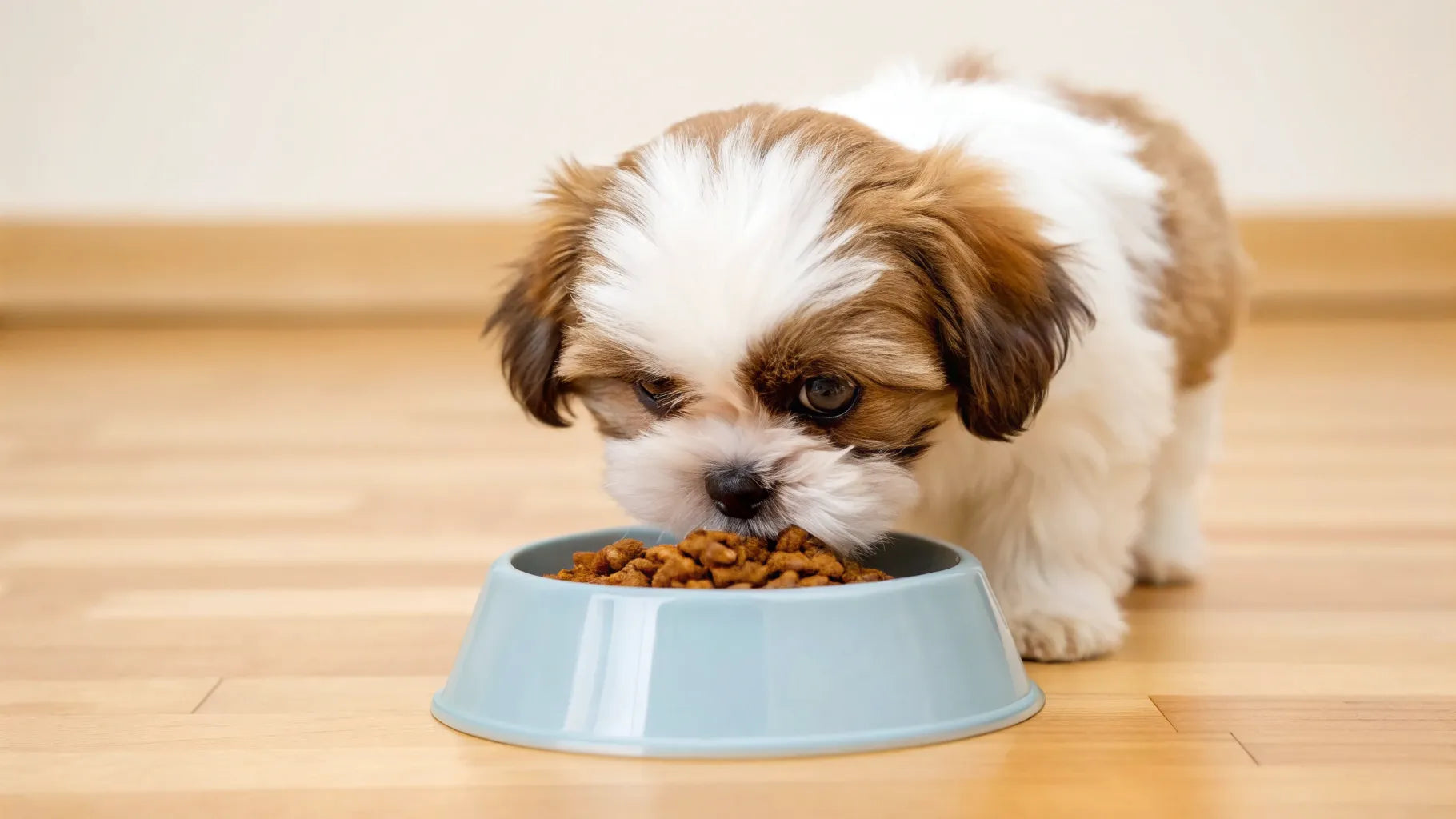
Another common scenario is the "Sudden Switch Syndrome." You bring home the breeder's recommended brand, but after a week, you notice Pumpkin's stool is a bit soft, and you decide to switch to a grain-free, boutique, artisanal blend you read about online. Within 24 hours, you're dealing with a full-blown digestive rebellion. At two months, the gut lining is still maturing, and a sudden change in protein sources or carbohydrate ratios is akin to a seismic shock. The actionable takeaway is a strict, week-long transition protocol: Day 1-2 (75% old, 25% new), Day 3-4 (50/50), Day 5-6 (25/75), Day 7 (100% new). Patience in this arena isn't just a virtue; it’s a biological requirement. You are essentially managing a delicate colony of gut flora that hasn't yet developed the resilience to handle dietary novelty.
Let’s look at a case study involving "Gizmo," a particularly picky Shih Tzu who refused to eat unless hand-fed. Gizmo's owner, a software engineer, inadvertently created this monster by treating every meal as a bonding session, holding the kibble pieces up to Gizmo's mouth like a sushi chef serving a VIP. Within two weeks, Gizmo went on a hunger strike, refusing to eat from the bowl. The fix required a "tough love" approach: placing the bowl down for 15 minutes, and if uneaten, picking it up until the next scheduled meal. This isn't cruelty; it's clear boundary-setting. A healthy puppy will not starve themselves, but they will train you to be a servant if you allow it. The actionable insight here is to establish a routine and stick to it. Consistency in feeding times and bowl placement is the language of trust for a Shih Tzu puppy.
Finally, the hydration factor cannot be ignored. At two months, Shih Tzus are prone to dehydration, especially if they are eating dry kibble exclusively. Consider soaking the kibble in warm water for 10 minutes before serving. This not only softens the food, making it easier for those tiny teeth to manage, but it also increases water intake. This is a simple, actionable hack that can significantly reduce the risk of urinary tract issues later in life. Furthermore, using a shallow, wide water bowl is crucial to prevent their flat noses from getting soaked and to facilitate easier drinking. In the real world, you'll find that the most successful Shih Tzu owners are those who treat feeding time as a structured, scientific ritual, not a chaotic free-for-all.
Frequently Asked Questions: The Imperial Edicts
How much food should a 2-month-old Shih Tzu eat per day?
At this age, you are dealing with a growing engine that requires frequent, small fuel stops. Generally, a two-month-old Shih Tzu puppy should consume between 1/4 to 1/2 cup of high-quality dry puppy food per day, split into three or four separate meals. This equates to roughly 200-300 calories. However, this is a guideline, not a law. You must assess the specific food you are using; some premium foods are more calorie-dense, requiring a smaller volume. A great metric is to observe your puppy's body condition. You should be able to feel their ribs without seeing them visibly protruding. If they feel like a skeleton, increase the portions; if they are getting a round, distended belly like a stuffed sausage, decrease it slightly.

The breed's propensity for hypoglycemia means you should never free-feed (leaving food out all day). Instead, split the daily allowance into four meals—morning, midday, late afternoon, and early evening—spaced roughly 4 hours apart. This provides a steady supply of glucose to the bloodstream, staving off energy crashes. Always use a measuring cup; "eyeballing" it will lead to inconsistent nutrition and potential obesity down the line. Remember, a Shih Tzu's ideal weight is a lean, compact body; anything more is an invitation for joint problems.
Is it better to feed wet food or dry kibble for a 2-month-old Shih Tzu?
This is the classic debate, and the honest answer is that a hybrid approach is often the most pragmatic. Dry kibble is excellent for dental health, helping to scrub away plaque, but at two months, the puppy’s teeth are just coming in and might struggle. Conversely, wet food is highly palatable and has a high moisture content, which is excellent for hydration, but it can be messy and does nothing for dental hygiene. The optimal strategy is to start with a high-quality dry kibble specifically formulated for puppies, and moisten it with warm water or puppy-safe broth (no onions or garlic) to create a softer texture.
As the puppy approaches three months, you can gradually reduce the amount of water added to transition them to fully dry kibble. If you choose to introduce canned wet food, use it as a topper—a spoonful mixed into the kibble—rather than the sole source of nutrition. This encourages picky eaters while maintaining the structural benefits of crunchy kibble. Watch for signs of digestive upset like diarrhea, which can be exacerbated by the richer protein and fat content of some wet foods. The goal is a smooth texture that allows for easy swallowing without triggering the choking reflex associated with their flat faces.
What specific ingredients should I look for (and avoid) in puppy food?
When reading the label of a premium puppy food, you are looking for a pharmaceutical-grade formula, not just food. The first ingredient should be a named animal protein, such as "Chicken," "Lamb," or "Salmon"—not "meat by-products" or "animal digest." This protein is the building block for muscle development and should be easily digestible. You also want to see a source of DHA (docosahexaenoic acid), typically derived from fish oil, which is critical for brain and eye development. Additionally, look for small, breed-specific kibble sizes, though at this age, you're probably soaking it anyway.

The list of things to avoid reads like a horror story for small dogs. Steer clear of artificial colors, flavors, and preservatives like BHA, BHT, and Ethoxyquin. Avoid fillers like corn, wheat, and soy, which offer little nutritional value and are common allergens. Interestingly, you should also be wary of extremely high protein levels (above 30%) designed for giant breeds; this can cause rapid growth that stresses the Shih Tzu's delicate bones and joints. Instead, seek a protein level in the 25-28% range, with a moderate fat content around 15-18% for energy. Think of it as a balanced portfolio for their biological stock.
Can I give my 2-month-old Shih Tzu treats during training?
Yes, but with the precision of a bomb disposal expert. Training is essential, but treats should be tiny, soft, and easily digestible. Avoid hard biscuits or rawhide chews, which can chip their teeth or cause intestinal blockages in a puppy this small. The ideal treat is a piece of their normal kibble that you've reserved from their daily portion. If you need higher value, you can use small pieces of boiled chicken breast (no skin, no seasoning) or freeze-dried liver pieces broken into crumbs. The key is to keep the treat size tiny—no bigger than a pea—so it's a taste, not a meal.
This is a critical juncture because over-treating leads to a full belly of snacks and a refusal to eat their balanced meals, resulting in nutritional imbalances. Treats should make up less than 10% of their total daily caloric intake. always factor these calories into their daily food allowance. Use them as a reward for positive behavior like sitting, staying, or successful potty breaks. Avoid "human foods" like grapes, onions, chocolate, and xylitol-containing peanut butter, as these are toxic to dogs. A well-timed treat reinforces trust and creates a learning pathway, but a poorly timed one just teaches them how to beg.
Why is my Shih Tzu puppy not eating, or eating very slowly?
This is often a source of panic for new owners. If your puppy is lethargic, vomiting, or has diarrhea, call your vet immediately—this could be a severe health issue. However, if they appear healthy but are just sniffing the food and walking away, it could be behavioral. Shih Tzus are notorious for being picky eaters, and they are also highly sensitive to their environment. Are you hovering over them, staring intensely? They might be intimidated. Are they being fed in a high-traffic area? The noise might be distracting them.

First, check their gums for redness or swelling; teething can cause significant mouth pain, making chewing uncomfortable. If that's the case, switch to a fully wet/mushy gruel for a few days. Second, try engaging their nose. Warming the food slightly in a microwave (stirring thoroughly to eliminate hot spots) releases the aroma, making it more appealing. If they still refuse, implement the "15-minute rule" mentioned earlier: put the bowl down, step away, and after 15 minutes, remove it. They will learn that mealtime is a structured event. It sounds counterintuitive, but a healthy puppy will not let themselves starve voluntarily. Your job is to offer food, not to beg them to eat it.
Reflecting on this whole process, it’s fascinating to see how caring for a tiny Shih Tzu mirrors our own human anxieties about feeding and control. We project our nutritional fads and fears onto them, debating the virtues of grain-free diets and raw food as if we were arguing about our own cholesterol levels. In doing so, we often lose sight of the fundamental truth: that this creature is a wolf in a velvet robe, and their biological needs are relatively simple. The complexity we create is often a mirror of our own insecurities as caregivers, our desire to do everything "perfectly" in a world that is inherently messy.
The act of feeding a two-month-old Shih Tzu is a daily lesson in patience. It forces you to slow down, to observe, to adapt. You learn to read the subtle cues of a slight whine, a nudge of the nose, a refusal to look at the bowl. It teaches you that consistency and calmness are more powerful than force or anxiety. As you wipe food from their wrinkled face for the hundredth time, you’re not just cleaning up a mess; you are participating in a ritual that has been repeated for thousands of years, a silent contract between human and animal to care for one another.
Ultimately, the food you choose is important, but the energy you bring to the feeding is paramount. A calm, joyful mealtime nurtures their soul just as much as the kibble nurtures their body. In this tiny, furry creature, we find a reflection of our own capacity for love, worry, and unwavering dedication. So, take a deep breath, measure the kibble, moisten it to perfection, and kneel down to serve your little emperor. You may be the one holding the bowl, but they are the ones teaching you the art of devoted service.