How Much Does Home Depot Get Paid

Ever wondered how your local hardware giant actually makes its money? You see the orange aprons and the towering shelves, but the real financial engine behind Home Depot is more fascinating than a perfectly organized tool aisle. It’s not just about selling you a hammer; it’s about a massive, invisible web of transactions that most shoppers never see.
The short answer is that Home Depot gets paid through a mix of retail sales, services, and a surprisingly powerful business-to-business operation. But the fun part is peeling back the layers to see how every paint can and every lumber plank contributes to billions in revenue. Let’s dive into the money trail that keeps those orange aisles buzzing.
The Core: Selling Stuff at a Markup
The most obvious way Home Depot gets paid is by buying products in bulk from manufacturers at a low cost and selling them to you at a higher price. This “retail margin” is the bread and butter, covering everything from the cashier’s wages to the store’s electricity. On average, that markup is around 30% to 35%, which sounds simple but requires insane logistics to pull off profitably.
Must Read
They turn their inventory over incredibly fast, meaning they don’t just sit on piles of unsold patio furniture. Every time you buy a drill or a bag of soil, that profit gets reinvested into more stock, creating a cash-generating machine that rarely slows down. It’s a volume game, and they play it better than almost anyone else.
The Secret Weapon: Pro Customers
Here’s a twist: the biggest share of Home Depot’s revenue doesn’t come from weekend DIY warriors. It comes from Pro customers—contractors, electricians, plumbers, and remodelers who buy in massive quantities. These pros account for roughly half of all sales, and they don’t pay full retail price like you do.

Instead, Home Depot offers them volume discounts and dedicated account managers, betting that their frequent, large purchases will outweigh the lower margin per item. This is a high-stakes play because losing a single Pro account can mean losing tens of thousands of dollars a year. To win, they offer specialized services like job-site delivery and bulk lumber pricing that Amazon can’t easily replicate.
Renting, Installing, and Charging for Help
Did you know that renting a floor sander for a weekend is more profitable than selling you a new one? Tool rental is a high-margin service because the same equipment gets rented out hundreds of times. They also charge for installation services—think carpet fitting or water heater installation—where they take a cut on top of the contractor’s labor fee.

These services are genius because they convert a one-time shopper into a recurring revenue stream. You’re not just buying a product; you’re paying for convenience and expertise, and that premium adds up fast.
The Digital Goldmine
Home Depot has quietly turned its website and app into a massive sales channel that gets paid the same way as the physical stores. However, the magic trick is click-and-collect, where you order online and pick up in the store. This dramatically cuts shipping costs, boosting the profit margin on every order.

Their digital arm also sells to other businesses through a dedicated B2B portal, allowing them to process huge invoices without a single customer stepping foot inside. The result is that online sales now generate over $25 billion a year, all while leveraging the existing store network as a free warehouse.
Money from Lending and Credit Cards
Here’s a sneaky one: Home Depot gets paid by being a bank. Their branded credit card, the Home Depot Consumer Card, offers special financing like “no interest for 12 months” on big purchases. While you think you’re getting a great deal, they’re earning interchange fees from Visa and Mastercard on every transaction, plus interest payments from customers who don’t pay off the balance in time.
This financial services arm is a quiet profit center that pads the bottom line without you even noticing. It’s why they push the card at every checkout—they make money even when you’re just swiping their plastic.
The Bottom Line
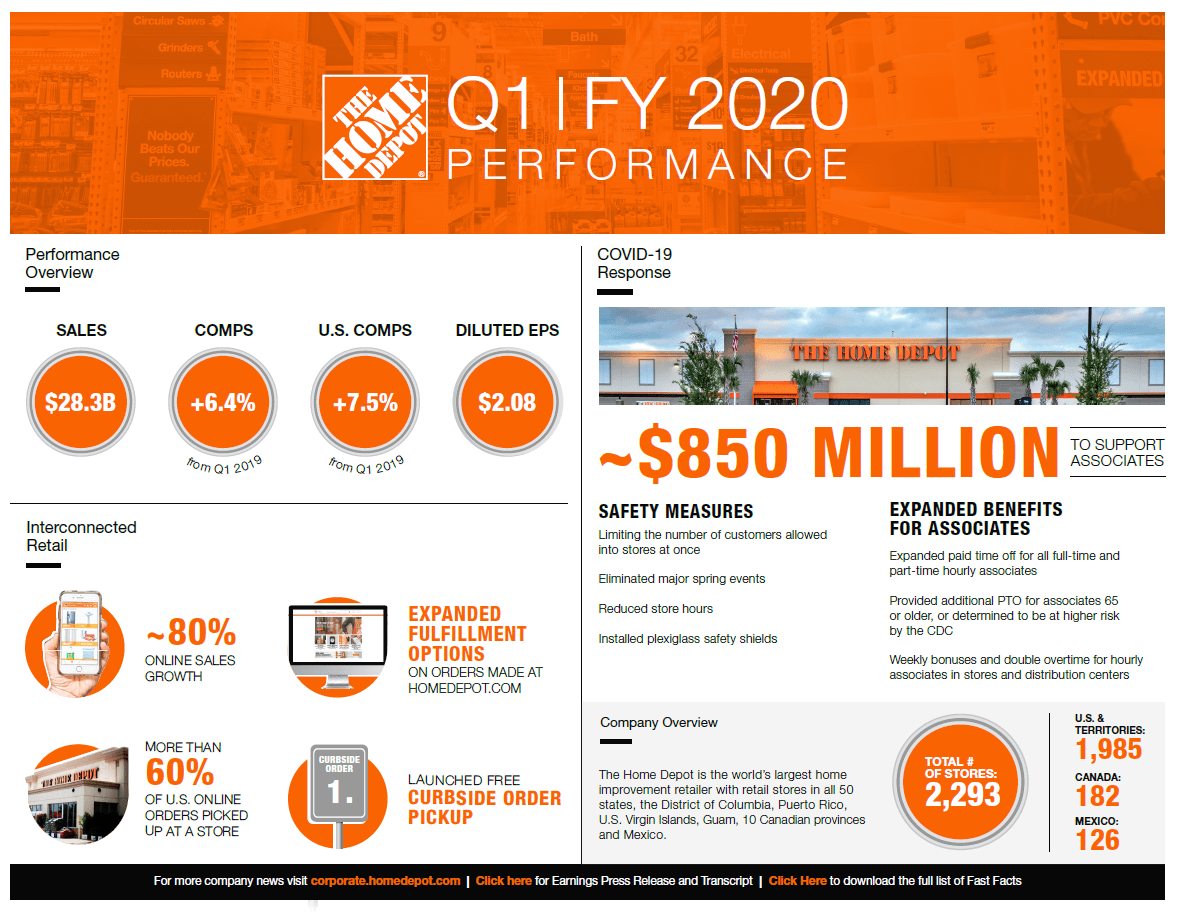
So, how much does Home Depot get paid? In fiscal 2023, they hauled in over $152 billion in revenue, with a net profit of about $10 billion. That’s not just from selling hammers; it’s from the clever combination of pros, rentals, credit, and digital logistics.
“We’re not just a store; we’re a financial ecosystem disguised as a hardware shop,” is a secret motto they’d never admit to.
Next time you walk through those orange doors, remember: every transaction is feeding a finely tuned profit engine. Whether you’re a pro buying a pallet of drywall or a homeowner renting a tiller, you’re part of a multi-billion-dollar financial dance. And that, my friend, is why the checkout line is always so long.