Do Secured Credit Card Limit Increase
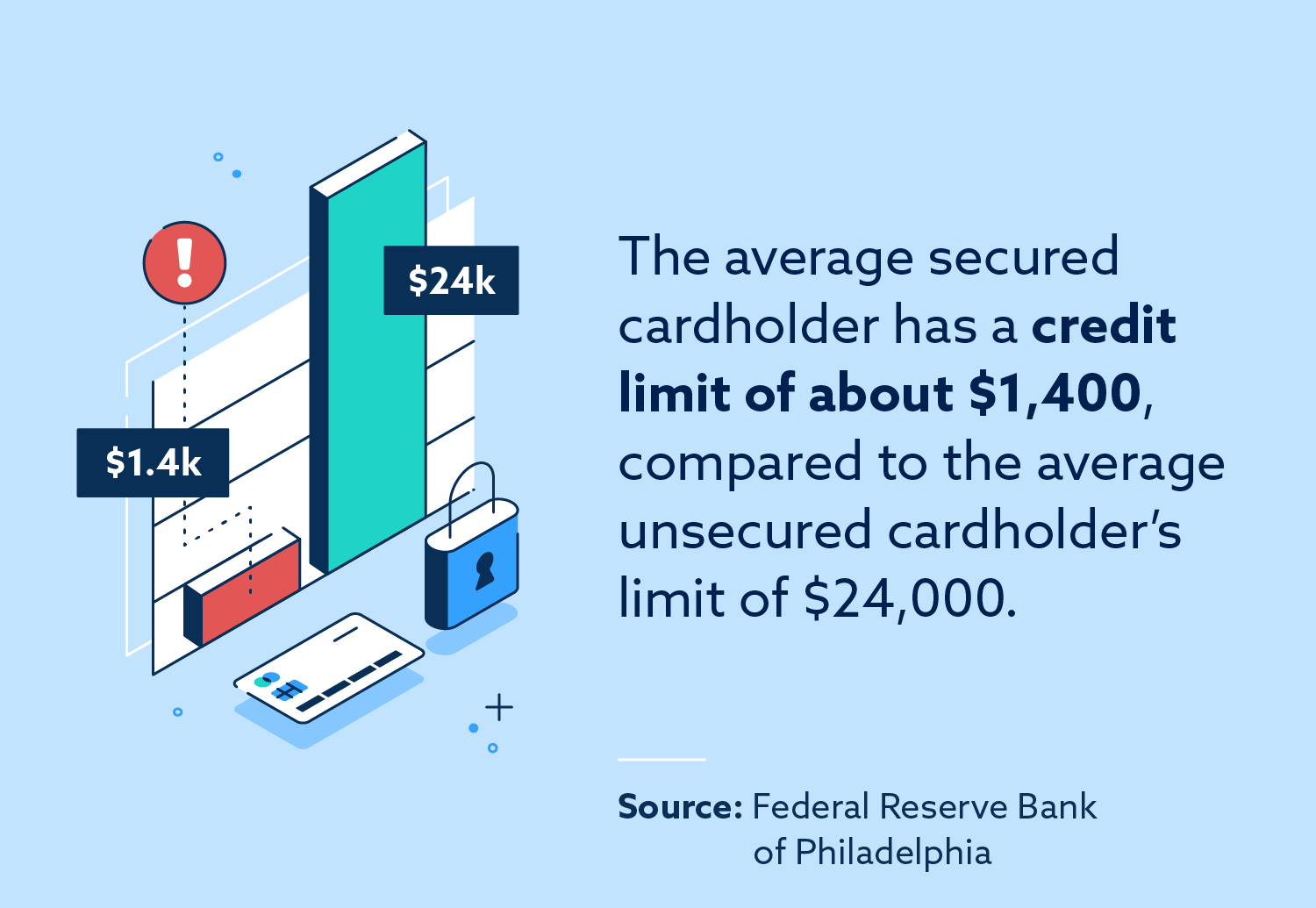
Okay, let’s be real for a second. If you’ve got a secured credit card, you’re basically in the “financial training wheels” phase, and that’s totally fine! But there comes a time when you look at that tiny, sad credit limit (you know, the one that’s basically a fancy coffee budget) and think, “Can we, like, upgrade this situation?”
The short answer is: Yes, absolutely! But it’s not like asking your mom for a bigger allowance—there’s a little bit of strategy involved. Don’t worry, though. We’re going to walk through this together, like two friends deciphering a complicated IKEA manual, but way less frustrating.
Why Bother With an Increase Anyway?
Think of your credit limit like a trust fall exercise with the bank. A higher limit on your secured card means you’re using less of your available credit at any given time, which is a golden ticket for your credit score. This little metric, called your “credit utilization ratio,” is a huge deal—it makes up about 30% of your score.
So, if your limit is $300 and you spend $150, that’s 50% utilization. Yikes. But if you bump that limit to $1,000 and still spend $150? You’re at a cool 15%, which makes lenders swoon. It’s like the difference between wearing a wrinkled shirt to an interview and showing up in a crisp, ironed one.
The “When” Is Just as Important as the “How”
Here’s where I pass you the secret decoder ring. You can’t just ask for an increase the day after you activate the card. That’s like proposing on a first date—bold, but probably a “no.” Most issuers want to see at least six to twelve months of on-time payments before they even consider letting you borrow more of your own money.
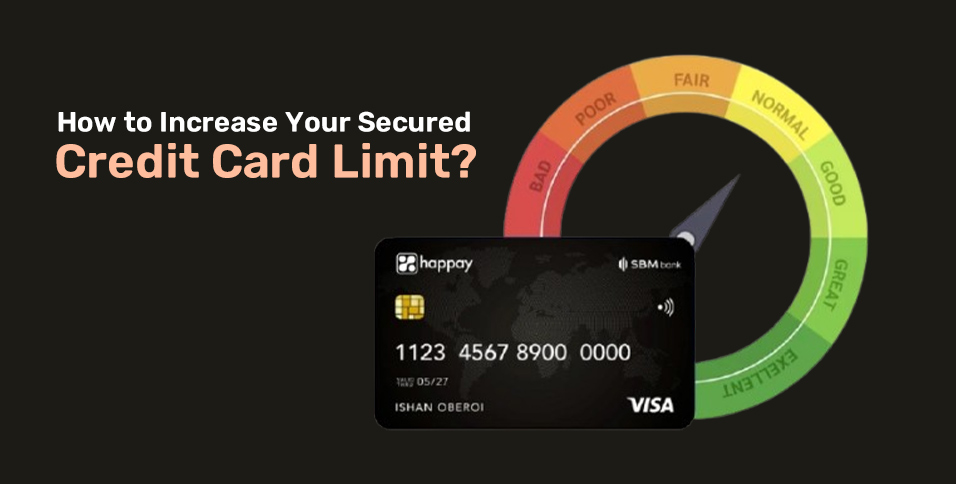
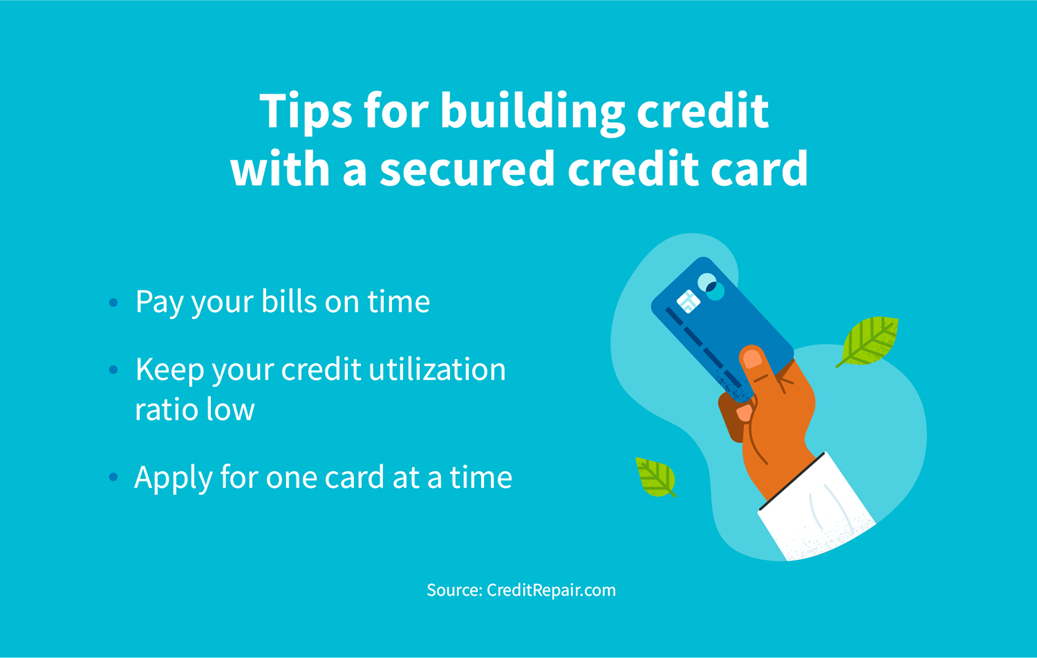
And please, for the love of all things financially sane, don’t max out your card every month. That’s a huge red flag. Instead, show them you’re the reliable friend who always pays their share. Use the card for small, regular purchases (like gas or Netflix), and then pay the balance in full every single month. Boring? Yes. Effective? Incredibly so.
How to Actually Make the Magic Happen
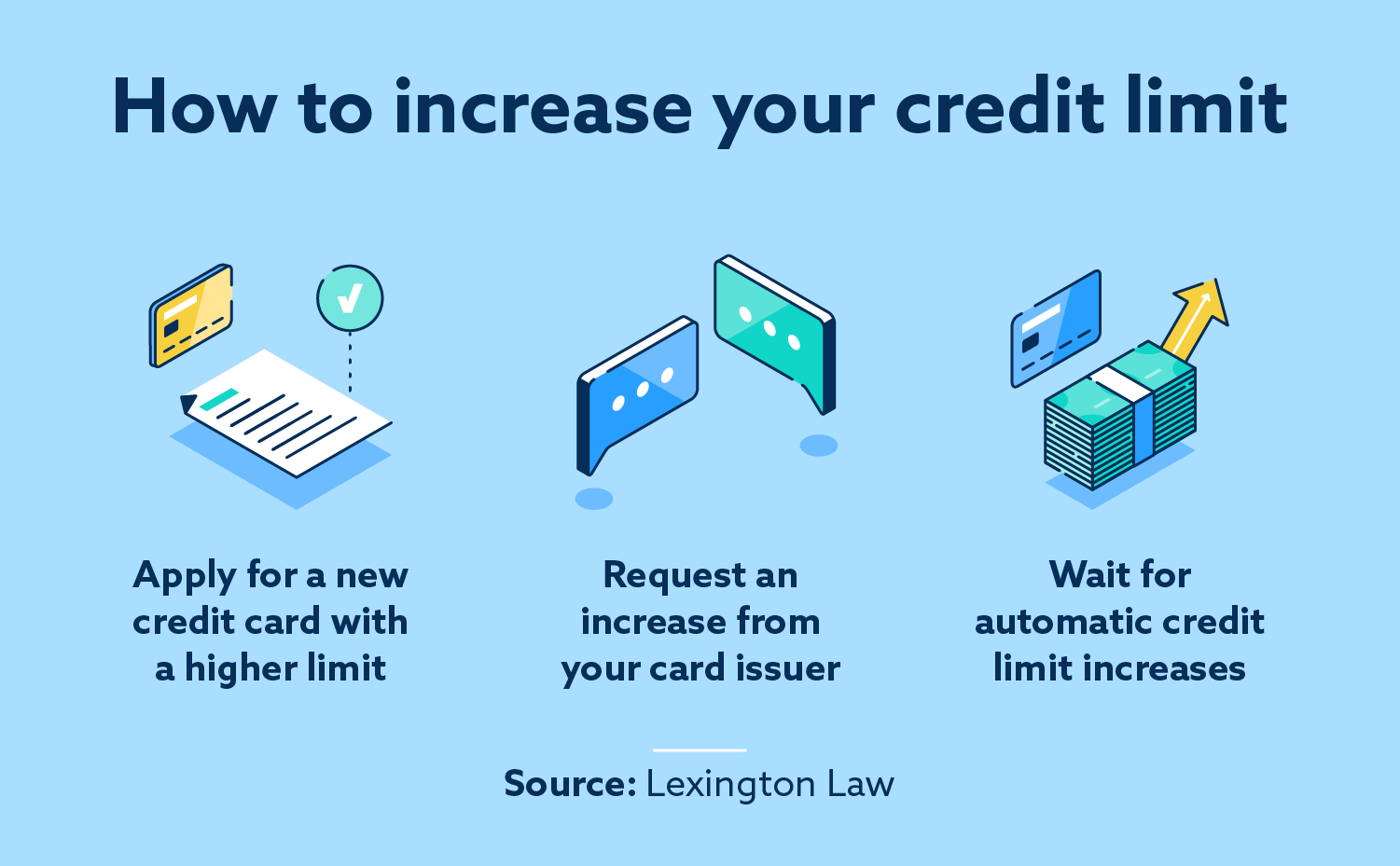
Most issuers have a magical button on their app or website that says something like “Request Credit Limit Increase.” It’s not a trap! But you have to be smart about it. Before you click, make sure your income hasn’t changed for the worse. They might ask you to verify your income, so don’t fib—they can check, and lying about money is a fast track to rejection city.
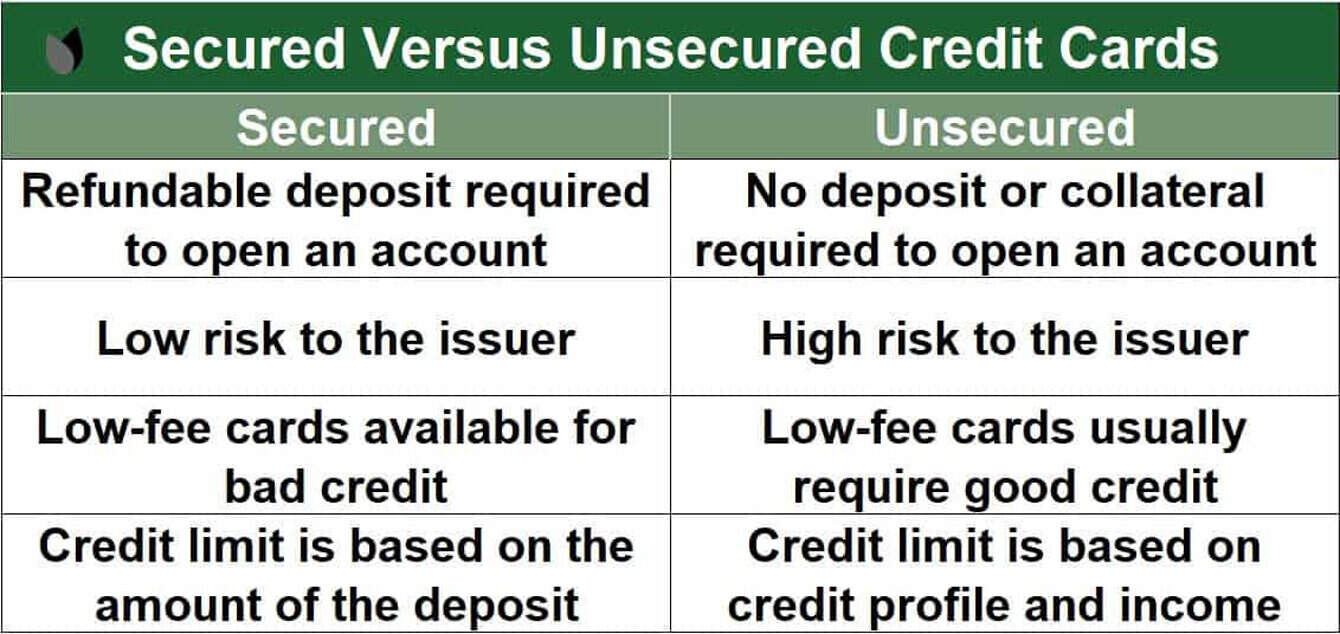
Here’s a pro tip that feels slightly sneaky but is totally legit: you can often just add more money to your security deposit. Since a secured card is backed by your own cash, adding funds increases your limit instantly in many cases. It’s like buying yourself a bigger allowance, but with better credit score perks.
The “Two-Step” Shuffle
Some issuers do a “soft pull” for the increase (which doesn’t hurt your score), but others might do a “hard pull” (which gives your score a tiny, temporary pinch). If you’re not sure, call them and ask. It’s better to know if you’re about to get a paper cut or a full-on slap.
If they say no? Don’t panic. It’s not a breakup. It just means you need more time or a different strategy. Keep paying on time, keep your balance low, and try again in a few months. Persistence is key, like trying to get your cat to take a bath—eventually, you just find a way that works.
The Fun Part: What Happens Next?
When you get that increase, do a little happy dance. Seriously. It means you’re leveling up. You’ll immediately see your credit score go up a few points (or even more) because your utilization just dropped. It’s like watching your plant finally sprout after weeks of watering it with hope.
Eventually, with enough responsible use, your issuer might even graduate you to an unsecured card, returning your deposit. That’s the ultimate boss battle win. You get your cash back, and your credit card is still working for you, but without the training wheels.
So, go ahead. Open that app. Click that button. The worst they can say is “not yet,” and the best they can say is “here’s a brand new limit.” Either way, you’re taking control of your financial story, one tiny (or not-so-tiny) step at a time. And remember: even a slow walk forward is still a walk forward. You’ve got this, and your future self (with a fantastic credit score) is already cheering you on.