Midas Pre Purchase Inspection Cost

There’s a moment that separates casual car shopping from the big leagues—the moment you decide to pay a stranger to poke around your potential new ride. It feels like bringing a foodie friend to a restaurant date; you’re suddenly hyper-aware of the burnt edges and the overly salty sauce. That’s where Midas Pre Purchase Inspection (PPI) comes in, offering a safety net that’s less about anxiety and more about peace of mind. But the first question everyone whispers over the hood is always the same: what does this actually cost?
Here’s the short answer: a Midas PPI will typically set you back between $100 and $200, depending on your location, the shop’s hourly rate, and the depth of the inspection. Compare that to the potential $2,000 transmission repair you might discover two weeks after a “great deal,” and it’s basically the bargain of the century. It’s like paying for a premium coffee to avoid a week of stomach cramps—illogical to skip, honestly.
Why Midas?
You might think a dealership is the only place to get a proper look, but that’s like ordering a burger at a sushi bar—technically possible, but questionable. Midas, with its national footprint and focus on exhaust, brakes, and suspension, brings a practical set of eyes to the table. They aren’t trying to sell you a new car; they’re trying to sell you a repair, which means their findings are usually straight to the point.
Must Read
That said, don’t expect them to be a psychic mechanic. A Midas PPI is excellent for catching wear-and-tear items—brake pads, rotors, fluid leaks, and tire condition—but it’s not a substitute for a deep engine compression test. For that, you might need a specialist, but for 90% of used car buyers, Midas gives you the vital signs without the hospital bill.
What’s Included (And What’s Not)
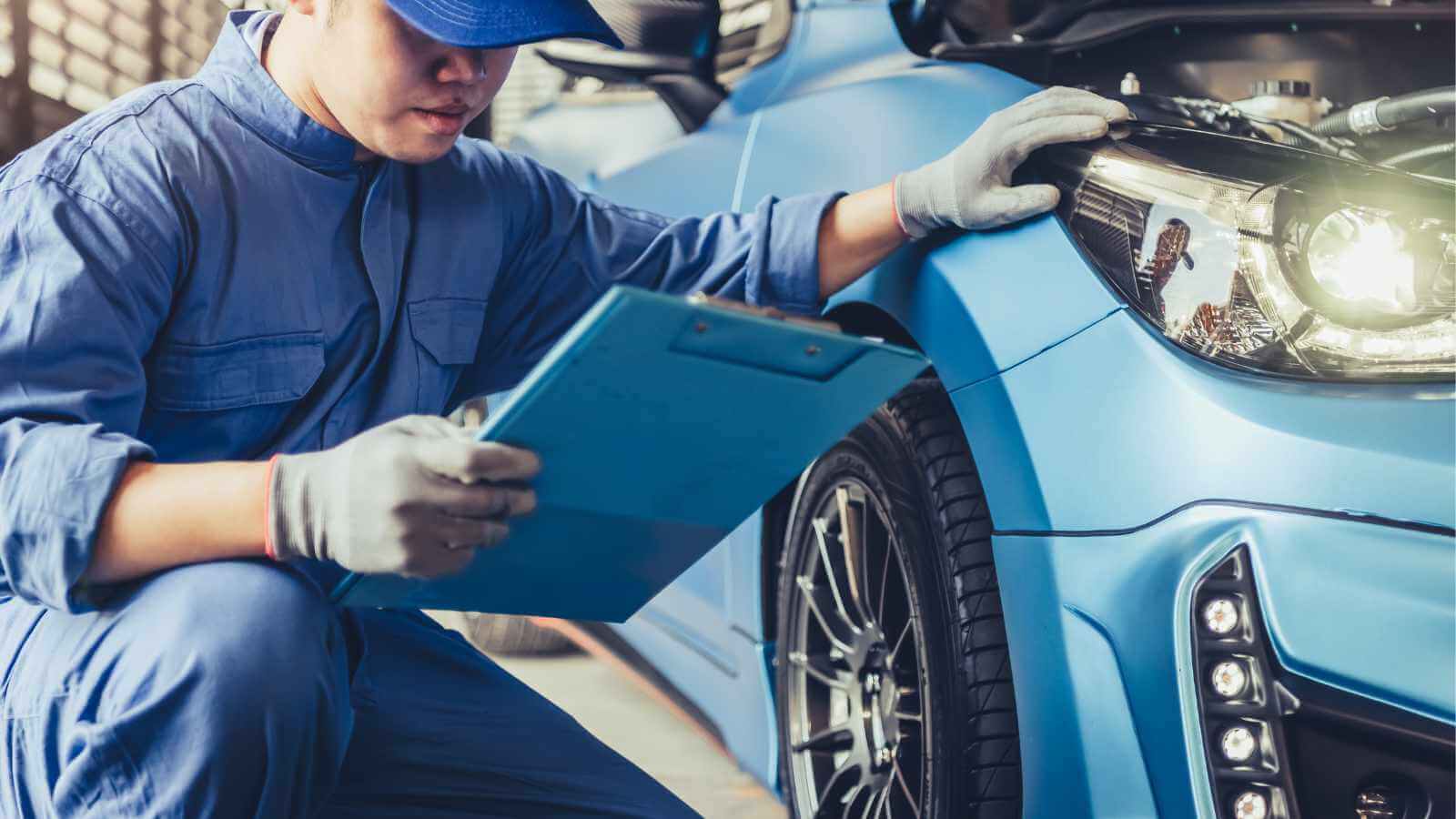
Typically, the inspection covers a full visual walk-around, checking lights, signals, and the undercarriage for rust or recent accident damage. They’ll check the suspension’s bounce, the steering’s play, and stick their head under the hood for obvious leaks. It’s a thorough “health screening” that often includes a road test—which is where you can watch for hesitation or weird noises.

However, here’s the kicker: not all Midas locations are created equal. Some franchise owners are more generous with their time, others stick to a strict checklist. Before you book, call ahead and ask if they’ll include a diagnostic scan for the engine computer. If they say no, offer an extra $30; it’s worth every penny to see if a check engine light has been “forgotten” to be mentioned.
Fun fact: in the used car world, a PPI is like a background check for a roommate. You might love their playlist, but you need to know if they pay rent on time. A tiny crack in the control arm bushing can be a negotiating chip, not a dealbreaker, but only if you know it's there.
Practical Tips Before You Open Your Wallet
First, never buy a car without a PPI, but also never tell the seller you’re taking it to Midas specifically. Just say “a local mechanic” to keep the seller honest. Second, book the PPI after you’ve already done a 15-minute test drive yourself. This way, you can ask the tech to focus on that weird clicking sound you heard on left turns.
Third—and this is a pro move—ask to be present during the inspection. Midas bays are usually accessible, and watching the tech point at a corroded battery terminal teaches you more than any YouTube video. You’ll also see if they’re actually lifting the car or just kneeling down with a flashlight. Culture-wise, this is the automotive version of “trust, but verify”—a phrase as timeless as a manual transmission.

Another little gem: if the inspection uncovers minor issues, use that report as a price reduction tool. A $150 inspection that gets you $500 off the asking price is a return on investment that would make a Wall Street trader jealous. It’s like finding a twenty-dollar bill in a coat you haven't worn since winter—except the coat is a Hyundai.
The Reflection
At the end of the day, a Midas PPI is less about the oil stains and more about emotional clarity. The money you spend is a small toll to cross the bridge from “excited buyer” to “sober owner.” It’s the polite way to tell a car, “I’m interested, but I’ve been burned before.”
In life, we rarely get a checklist for our big decisions—partners, jobs, apartments all come with hidden rust. But for a few hours and a couple of Benjamins, you can get a literal list of what’s solid and what’s shaky. That’s not just good car buying; that’s a philosophy. So go ahead, get the inspection, pay the fee, and drive away knowing exactly what you’re worth to yourself—and what your car is worth to the road.