
Different Types Of Best Western Hotels
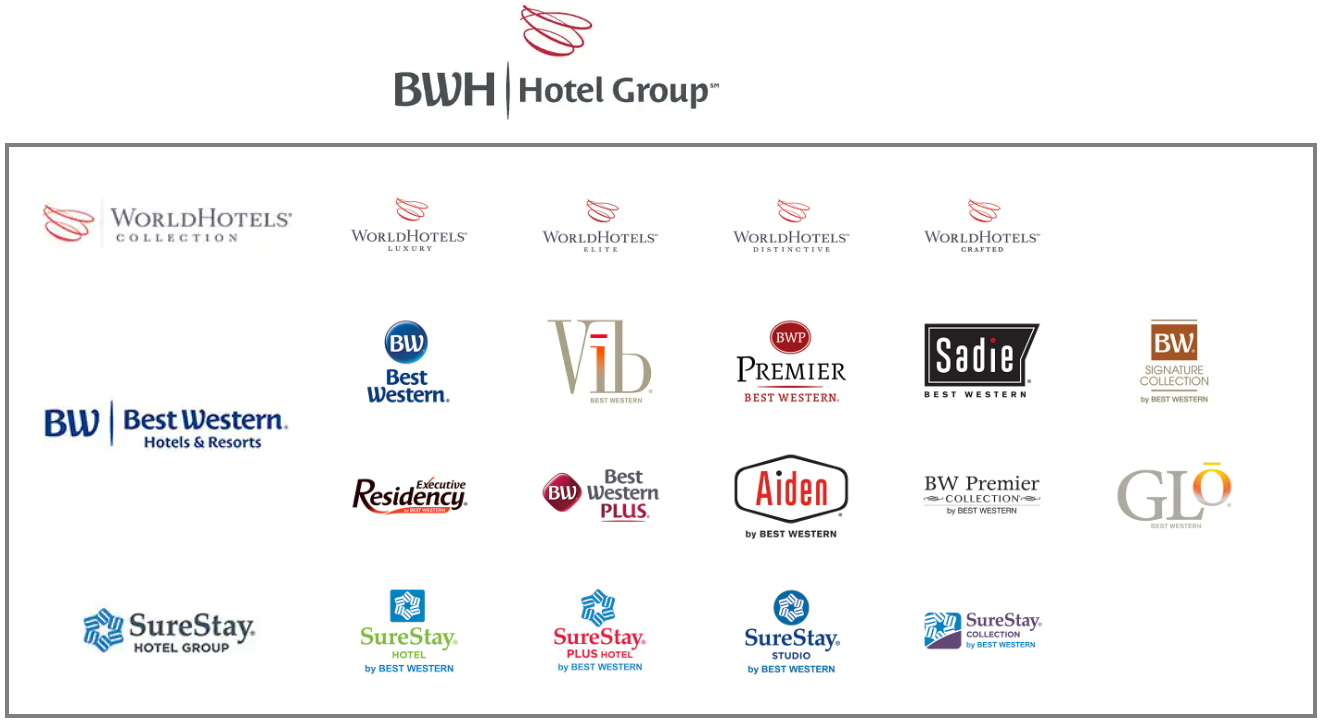
The concept of Best Western hotels has been a staple of the hospitality industry for decades, with its humble beginnings dating back to 1946 when a group of independent hotel owners in California decided to form a cooperative to better compete with the growing number of chain hotels. This initial movement was sparked by the post-war travel boom, which saw an increase in demand for roadside accommodations as Americans took to the highways to explore the country. The early Best Western hotels were characterized by their quaint, mom-and-pop style, offering travelers a warm and welcoming place to rest their heads after a long day of driving.
As the years passed, Best Western continued to evolve and expand, with the introduction of new amenities and services designed to cater to the changing needs of travelers. The 1960s saw the introduction of the first Best Western motels, which offered travelers a more modern and convenient alternative to traditional hotels. These early motels were designed with the discourse of efficiency in mind, featuring rooms that were easily accessible from the parking lot and offered a range of amenities such as free parking, telephones, and air conditioning. The 1970s and 1980s saw further expansion and modernization, with the introduction of new hotel brands and the development of a more sophisticated marketing strategy.
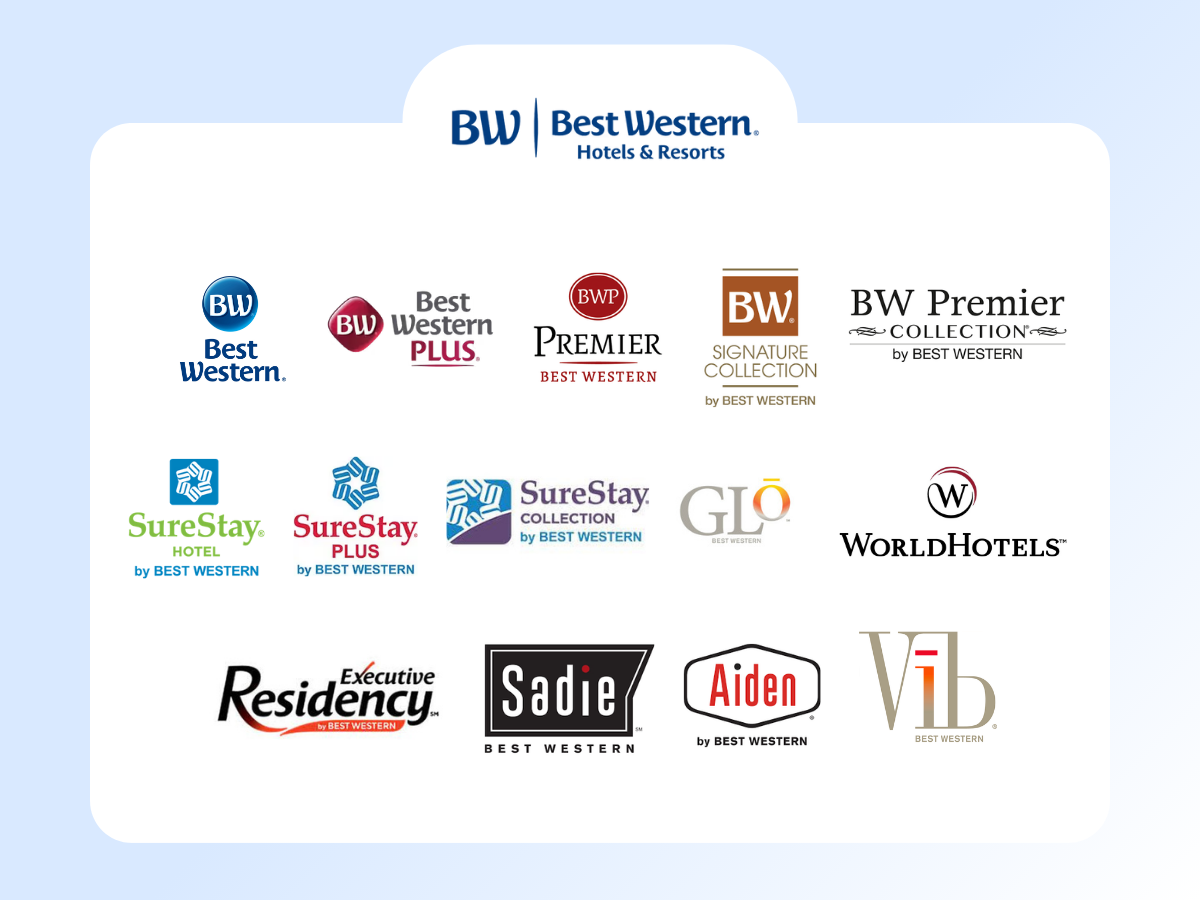
Today, Best Western is one of the largest hotel chains in the world, with over 4,700 hotels in more than 100 countries. The company has continued to evolve and adapt to changing consumer preferences, with a focus on providing travelers with a unique and personalized experience. From the budget-friendly Best Western Plus to the luxurious Best Western Premier, the company offers a range of hotel brands designed to cater to different tastes and budgets. Whether you're a busy business traveler or a leisurely vacationer, Best Western has something to offer, with a commitment to providing exceptional service and unparalleled comfort.
Must Read
The Evolution of Best Western Hotels
The transformation of Best Western hotels over the years has been nothing short of remarkable. From their humble beginnings as small, family-owned motels to the sleek, modern hotels of today, the company has undergone a significant metamorphosis. One of the key factors driving this transformation has been the advances in technology, which have enabled the company to streamline its operations and improve the overall guest experience. The introduction of online booking systems and mobile apps has made it easier for travelers to book and manage their stays, while social media has provided a platform for the company to engage with its customers and promote its brand.
Another significant factor that has contributed to the evolution of Best Western hotels is the changing consumer preferences. As travelers become increasingly discerning and sophisticated, they are looking for more than just a place to stay - they want an experience. In response to this, Best Western has focused on creating a unique and memorable experience for its guests, with a range of amenities and services designed to cater to their individual needs. From fitness centers and spas to restaurants and bars, the company has invested heavily in creating a holistic and indulgent experience that goes beyond just providing a place to sleep.

Despite the many advances that have been made, there are still some vintage facts about Best Western hotels that are worth noting. For example, the company's iconic blue and gold logo has remained largely unchanged since its introduction in the 1950s, and the traditional Best Western welcome - which includes a warm smile, a friendly greeting, and a complimentary drink - is still an integral part of the company's ethos. These small touches may seem insignificant, but they are a testament to the company's commitment to providing exceptional service and creating a sense of warmth and hospitality that is hard to find in today's fast-paced world.
The 1990s and 2000s saw the introduction of new hotel brands and the development of a more sophisticated marketing strategy. The company launched a range of initiatives designed to appeal to a wider audience, including the introduction of Best Western Plus and Best Western Premier. These new brands offered travelers a range of options, from budget-friendly to luxurious, and helped to further establish Best Western as a major player in the hospitality industry.
Modernizing the Classic Principles
Today, Best Western is focused on modernizing the classic principles that have made it so successful over the years. The company is investing heavily in digital technology, including mobile apps and online booking systems, to make it easier for travelers to book and manage their stays. At the same time, the company is also focused on creating a unique and personalized experience for its guests, with a range of amenities and services designed to cater to their individual needs.

One of the key ways that Best Western is modernizing its classic principles is through the use of data analytics. By analyzing data on guest preferences and behavior, the company is able to gain a deeper understanding of what its customers want and need, and tailor its services accordingly. This might include everything from personalized recommendations for local attractions and activities to customized room settings and special offers. By using data analytics in this way, Best Western is able to create a more intuitive and responsive experience for its guests, and stay ahead of the competition in an increasingly crowded market.
Frequently Asked Questions
What is the history of Best Western hotels?
The history of Best Western hotels dates back to 1946, when a group of independent hotel owners in California decided to form a cooperative to better compete with the growing number of chain hotels. Over the years, the company has undergone significant transformations, driven by advances in technology, changing consumer preferences, and the introduction of new hotel brands. Today, Best Western is one of the largest hotel chains in the world, with over 4,700 hotels in more than 100 countries.
Despite its humble beginnings, Best Western has always been focused on providing exceptional service and creating a sense of warmth and hospitality that is hard to find in today's fast-paced world. From the traditional Best Western welcome to the modern amenities and services that are available today, the company has always been committed to creating a unique and memorable experience for its guests. Whether you're a busy business traveler or a leisurely vacationer, Best Western has something to offer, with a range of hotel brands designed to cater to different tastes and budgets.

What are the different types of Best Western hotels?
Best Western offers a range of hotel brands designed to cater to different tastes and budgets. From the budget-friendly Best Western Plus to the luxurious Best Western Premier, the company has something to offer everyone. Each of the company's hotel brands has its own unique character and charm, and is designed to provide a unique and personalized experience for guests. Whether you're looking for a relaxing getaway or an action-packed adventure, Best Western has a hotel brand that is right for you.
In addition to its hotel brands, Best Western also offers a range of amenities and services designed to cater to the individual needs of its guests. From fitness centers and spas to restaurants and bars, the company has invested heavily in creating a holistic and indulgent experience that goes beyond just providing a place to sleep. Whether you're a foodie, a shopaholic, or an adventure-seeker, Best Western has something to offer, with a range of activities and attractions designed to make your stay as enjoyable and memorable as possible.
What does the future hold for Best Western hotels?
The future of Best Western hotels looks bright, with the company continuing to invest in digital technology and data analytics to create a more intuitive and responsive experience for its guests. As the hospitality industry continues to evolve, Best Western is well-placed to stay ahead of the competition, with a commitment to providing exceptional service and creating a sense of warmth and hospitality that is hard to find in today's fast-paced world.
One of the key trends that is likely to shape the future of Best Western hotels is the growing demand for sustainable and eco-friendly accommodations. As consumers become increasingly aware of the impact of their travel choices on the environment, they are looking for hotels that share their values and are committed to reducing their carbon footprint. Best Western is well-placed to meet this demand, with a range of initiatives designed to reduce waste and improve energy efficiency. From energy-efficient lighting to sustainable sourcing, the company is committed to creating a more eco-friendly experience for its guests.
As we look to the future, it is clear that Best Western hotels will continue to play a major role in the hospitality industry. With its commitment to providing exceptional service and creating a sense of warmth and hospitality, the company is well-placed to stay ahead of the competition and meet the changing needs of travelers. Whether you're a busy business traveler or a leisurely vacationer, Best Western has something to offer, with a range of hotel brands designed to cater to different tastes and budgets.
In the next 20 years, we can expect to see significant advances in digital technology and data analytics, which will enable Best Western to create an even more intuitive and responsive experience for its guests. The company will continue to invest in sustainable and eco-friendly initiatives, and will look for new ways to reduce its carbon footprint and improve its environmental sustainability. As the hospitality industry continues to evolve, Best Western will remain at the forefront, with a commitment to providing exceptional service and creating a sense of warmth and hospitality that is hard to find in today's fast-paced world.

![18 Best Western Hotel Brands: Economy, Upscale & Luxury [2025]](https://upgradedpoints.com/wp-content/uploads/2020/07/Best-Western.jpg?auto=webp&disable=upscale&width=1200)