Citibank Credit Card Approval Odds
Let’s be honest—wondering if you’ll get approved for a credit card feels a bit like waiting for a text back after a great first date. You’ve done your part, but the other side holds all the cards, literally. For Citibank, one of the biggest issuers in the U.S., understanding your approval odds isn’t just about luck—it’s about patterns in your financial fingerprint that you can actually learn to read.
The fun part? It’s not a magic 8-ball. Citi uses a mix of your credit score, income, existing debt, and their own internal rules to say yes or no. But here’s the secret: most rejections are predictable, and once you see the logic, the mystery fades into a simple checklist.
The purpose of knowing your odds is simple: save your hard credit inquiry for a card you actually have a shot at. A hard pull can dip your score by a few points, and stacking several denials in a row looks worse than a single careful attempt. Benefits go beyond approval—you also avoid wasting weeks on a card with a low limit that won’t help your goals, like travel rewards or cashback.
Must Read
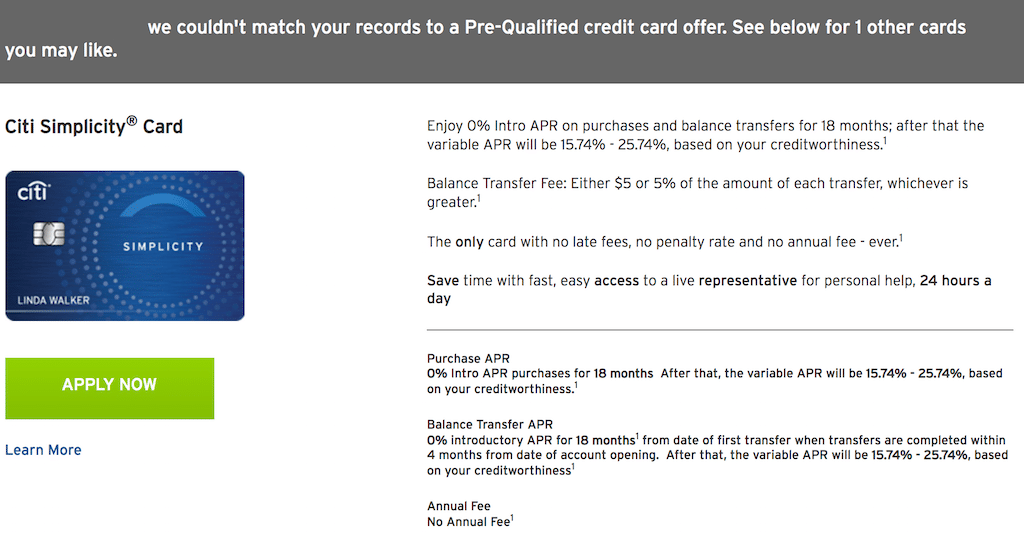
Think of it like studying for a quiz. In personal finance education, teachers often show students how Citi’s “pre-qualified” tools work—these let you check odds without hurting your score, like a practice test. In daily life, you might use this knowledge before a big purchase: if you know you’re borderline, you’ll pay down a credit card balance first, then apply for that Citi Double Cash card to get 2% back on groceries.
Here’s a real-world example: a friend with a 680 score and $40k income wanted a Citi Premier card (meant for higher earners). Instead of blindly applying, he checked Citi’s pre-approval page, saw “no offers,” and skipped the hard pull. He then waited three months, paid off his car loan, and his score jumped to 720—next time, the odds flipped dramatically.
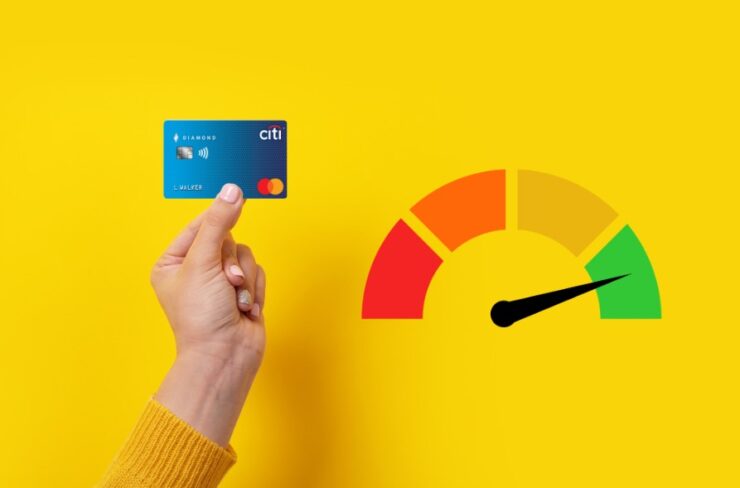
But you don’t need to be a finance nerd to play. Your first tip: aim for a credit score above 700, ideally 740+, for premium cards like the Custom Cash or the AAdvantage Platinum. Citi is known to be picky about recent inquiries—more than two in the last six months is a red flag. Also, keep your credit utilization under 10% on any other cards; Citi loves to see you’re not living on borrowed time.
Another practical move: use free tools like Credit Karma or Experian to see which Citi cards they think you’ll match with. These aren’t guarantees, but they’re great weather forecasts. If they show a “very poor” chance for Citi, don’t fight it—look at issuers like Discover or Capital One that are friendlier to new credit.

One simple trick most people miss: check Citi’s “Apply with Confidence” feature on their website. It lets you see if you’re pre-approved for a specific offer without a hard pull. If you get a “yes” there, your odds are very high—like 90% or more. If you get a “no,” walk away and build your score for six months.
Finally, don’t obsess over the perfect score. Your income and rent payments matter too—Citi likes to see a stable address and a job you’ve held for at least two years. If you’re a student or new to credit, start with a secured card first; that’s like training wheels, and Citi offers one that reports to all three bureaus.

In daily life, this isn’t just about plastic. It’s about learning to negotiate from a position of strength—when you know your odds, you walk into any financial decision with calm confidence. Try this: before your next card application, wait 30 days, pay down any balance, and remove a store card from use. Then check your pre-qualification. You’ll likely see a small “yes” that turns into a big win.
So go ahead, be curious. Your credit profile is a story you can edit—and with a few intentional tweaks, Citi’s odds start to feel a lot less like a gamble and a lot more like a math problem you’ve already solved.