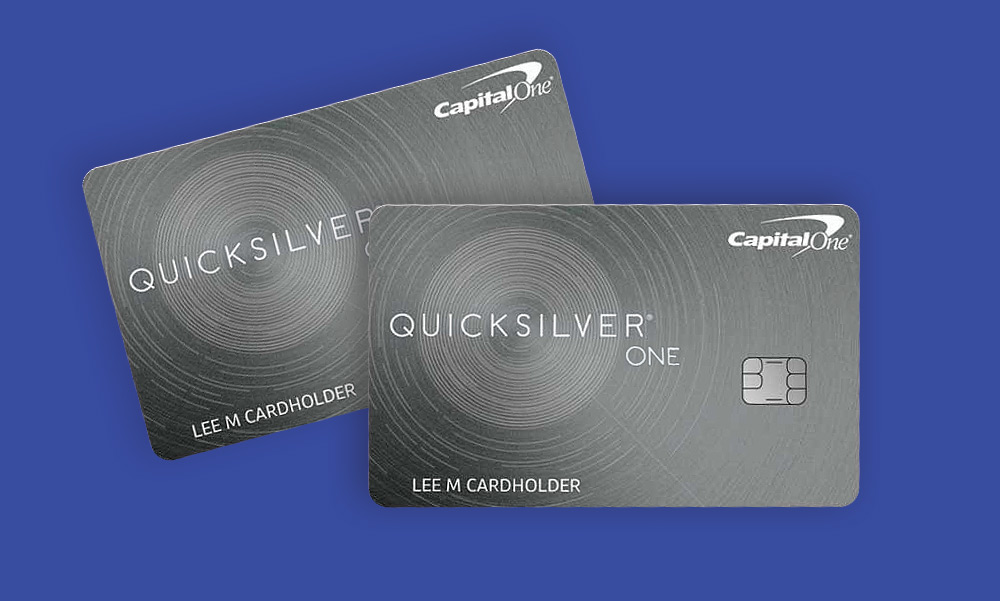
Capital One Quicksilver Platinum Card

Before the era of sleek, metal-appointed super cards and app-only banking, the credit card was a humble, almost utilitarian slab of plastic. It emerged from a post-war America buzzing with optimism, a time when the idea of paying for dinner with a single piece of laminated paper felt like a glimpse into a frictionless tomorrow. The earliest Diners Club cards were not about rewards or cash back; they were about solving a profoundly human and embarrassing problem: the gentleman who forgot his wallet at a fancy New York restaurant. That initial necessity—to extend trust and convenience beyond the physical pocket—spawned an industry built on the quiet promise of “buy now, pay later.” The credit card was less a financial tool and more a social passport, a symbol of membership in a world where your word, and your credit limit, was your bond.
Fast forward through the decades, and the plastic in your wallet became a battlefield of competing perks. The 1980s and 90s were the Wild West of airline miles, where a single transatlantic flight could earn you a toaster and a dubious free ticket to Orlando. Annual fees were the norm, and the fine print was a labyrinth designed to trip up the unwary. The concept of cash back, as we know it, was almost revolutionary—a literal rebate for spending money you already had. It felt almost subversive, like a secret handshake between the consumer and the issuer, a quiet rebellion against the old guard of points that expired faster than milk. In this cluttered landscape, simplicity was becoming the ultimate luxury, but the industry was slow to realize it. The average consumer was drowning in confusing tiers, blackout dates, and quarterly rotating categories that required a spreadsheet to decipher.
Into this decade of information overload stepped a quiet player: the Capital One Quicksilver. It wasn't the first to offer cash back, nor was it the flashiest, but it carried a name that hinted at alchemy—turning base metal into gold. To understand its rise, you have to appreciate the historical weight of its predecessor, the Platinum card, which for years was the gateway card for the credit-conscious. The Platinum was reliable, sturdy, and utterly unremarkable—a workhorse. The Quicksilver, however, was a mutation, a subtle evolution that stripped away the noise and offered a flat, unwavering 1.5% cash back on every purchase. It was a card that whispered a bold, retro idea: why complicate things? In a world of steep tiers and seasonal gimmicks, the Quicksilver leaned into the boring, beautiful logic of the flat rate. This was the fiscal equivalent of a perfectly tailored gray suit—appropriate for every occasion, timeless, and quietly confident.
Must Read
The Alchemy of Simplicity: From Plastic Relic to Digital Mainstay
Fifty years ago, a card’s value was measured by its metal weight or the glossy brochure that accompanied it. The Quicksilver Platinum, however, revelled in a different kind of metric: the psychological relief of zero ambiguity. Its major transformation wasn’t in its latex or its chip—it was in its philosophy. The card began life in the shadow of the subprime crisis of 2008, a brutal reckoning that taught consumers that loyalty to a brand was foolish if the terms were predatory. Capital One responded by pushing the Quicksilver forward as a symbol of post-recession prudence. The forgotten vintage fact here is that before the advent of contactless and digital wallets, the Quicksilver was one of the first cards to aggressively market “no foreign transaction fees” as a standard feature, not a premium add-on. This was a bizarrely forward-thinking move in a decade when most travelers still carried travelers’ cheques and called their banks from hotel lobbies to warn them of upcoming charges.
In the 2010s, the card underwent a subtle but crucial metamorphosis: the arrival of the signature and platinum tiering. The Quicksilver Platinum wasn’t just a cash-back card; it was a harbinger of the “no-annual-fee” revolution. Previously, a 1.5% return was seen as reciprocal—you get a little, you give a little (in the form of an annual fee). The Quicksilver broke that mold, offering the rate with absolutely zero cost to carry. It was a bizarre breach of contract with the old guard, akin to a newspaper giving away its content for free. To the older generation, this felt like a scam; to the newer generation, it became an expectation. The card then quietly integrated into the Capital One digital ecosystem, transforming from a physical object into a ghost in the machine—living inside your phone, your digital wallet, and your virtual assistant.
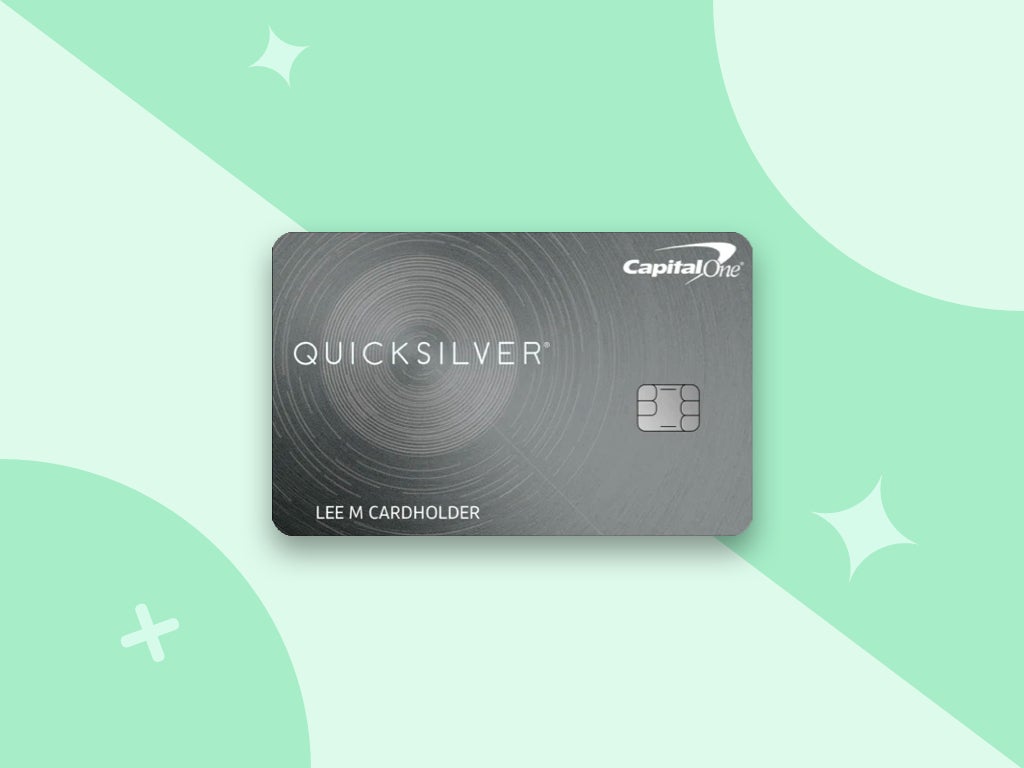
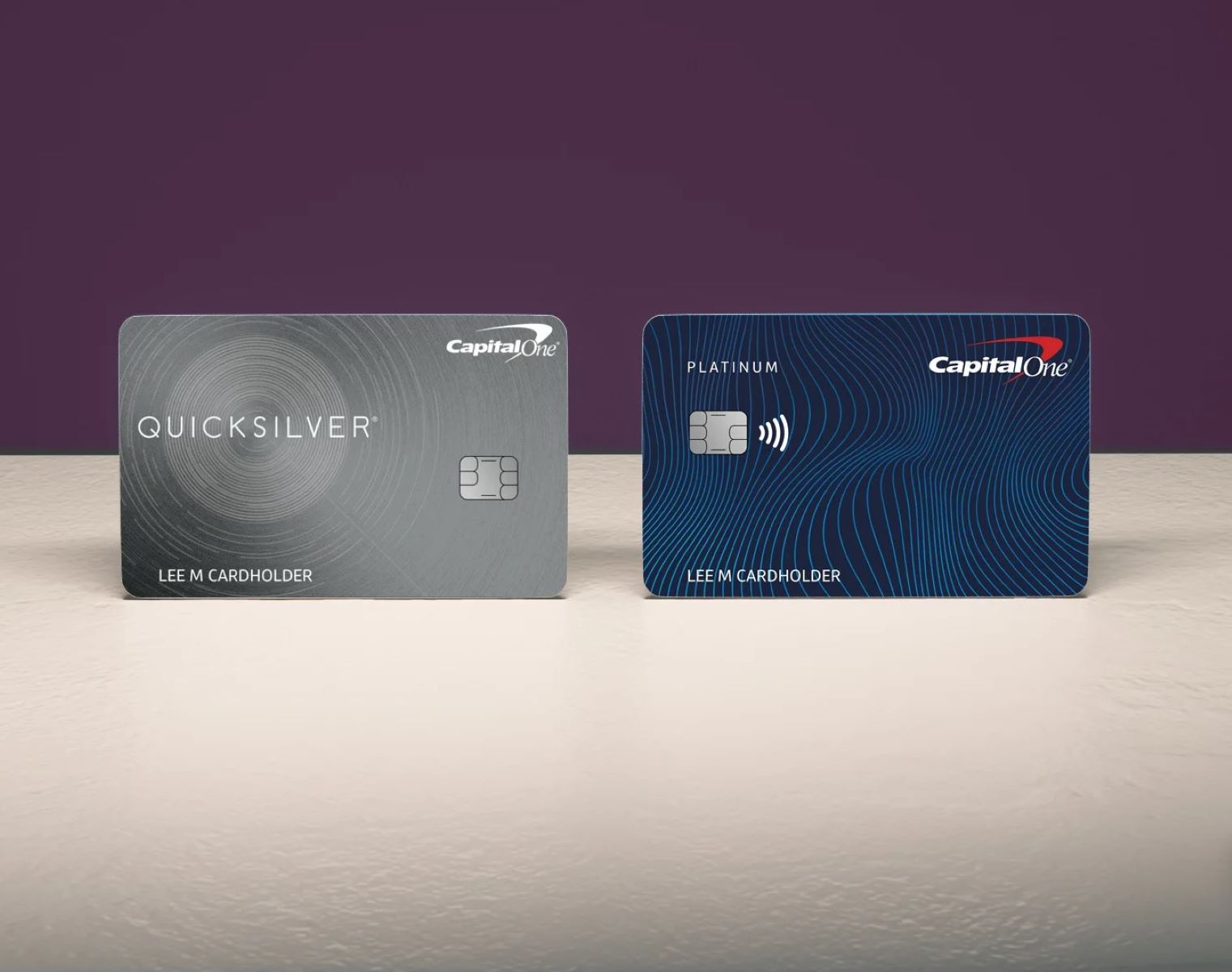
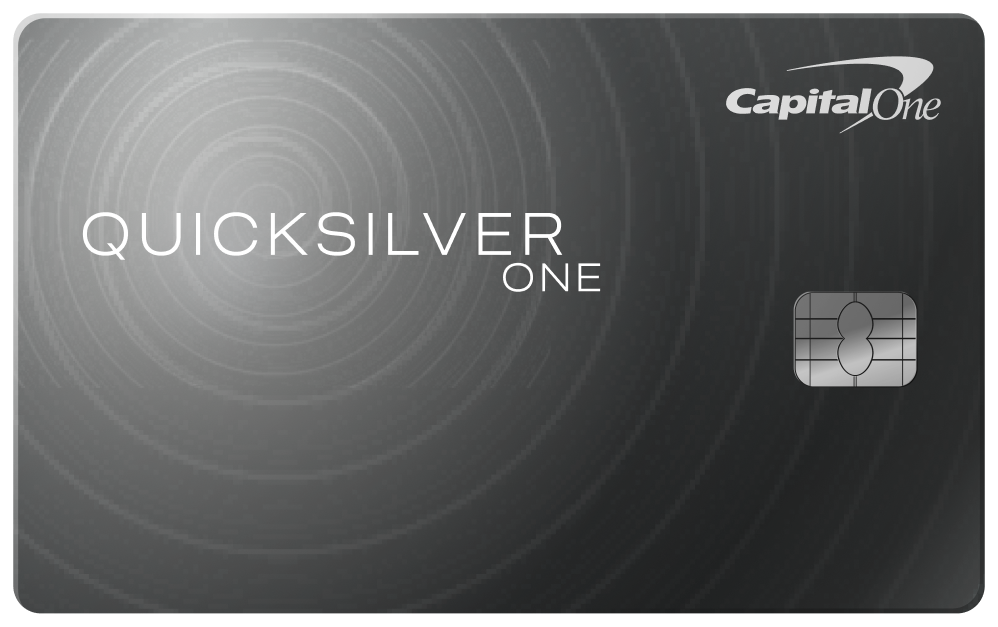
Yet, the most forgotten and bizarre aspects of this card’s history revolve around its early credit-building variants. Unlike its flashier cousins, the Quicksilver has a shadow sibling: the QuicksilverOne, which charged a nominal annual fee for those rebuilding credit. This created a strange duality—the “Platinum” name attached to a premium no-fee product, while the “One” carried the burden. Consumers in the 2000s treated this distinction with paranoid suspicion, often confusing the two. The card’s true genius, however, was its relentless focus on the purchase eraser—a redemption mechanism that allowed you to swipe your credits against new purchases, effectively giving you a statement credit without the tedious paper cheques of the 90s. It was a small UX hack, but it felt like magic to anyone who had ever had to scissor out a Rebate Cheque and mail it to a PO box in Nebraska.
Furthermore, the Quicksilver’s journey has been one of quiet cultural infiltration. It didn’t advertise with sports superstars or flashy CGI. Instead, it relied on the boring, persistent drumbeat of “your money back on everything.” This was a direct rebuke to the “loyalty offers” of the 80s, where points were tied to airline alliances that devalued annually. The Quicksilver said, “Forget the vacation to Fiji; here’s $20 because you bought groceries.” This normalization of instant gratification—the ability to see a cash reward populate within seconds of a transaction—was a psychological shift that laid the groundwork for the modern “round-up” and micro-investing apps we see today. It taught a generation that value wasn’t a distant dream, but a real-time pulse in their pocket.
Hacking the Classics: Modernizing the Flat Rate
Today, the classic flat-rate cash back principle is being ruthlessly hacked by fintechs and startups. The Quicksilver’s old guard model is no longer just about the swipe; it’s about the integration of virtual card numbers, real-time merchant offers, and the rise of the “AI credit manager.” Modern users are linking their Quicksilver to subscription trackers, using its data to cancel unused memberships. The card’s traditional 1.5% is no longer the endgame—it’s the base layer. Services like the Capital One Shopping browser extension take the historical DNA of the card and graft it onto the modern e-commerce skeleton, automatically hunting for better prices and applying the cash-back logic to the shopping cart itself. This is a brute-force modernization of the old “rebate” model—no longer passive, but aggressively proactive.
Moreover, the classic principle of “no annual fee” has evolved into a war of attrition. Today, the Quicksilver is being hacked by consumers who stack it with other cards, using it as a universal fallback for purchases where category-specific bonuses don’t apply. It has become the reliable bench player in the lineup of a rewards team. The modern hack is not about maximizing the return but about minimizing the cognitive load. In a world of revolving monthly categories for rotating 5% back on gas one month and streaming services the next, the Quicksilver offers a meditative calm. It is the card you use when you are tired of thinking, the financial equivalent of a deep breath, and the modern tech ecosystem respects this by allowing you to set spending alerts and instant payment options that turn a fat old credit card into a lean, real-time debit-like instrument.
Frequently Asked Questions: Bridging the Vintage and the Digital
1. Is the Quicksilver Platinum a “true” Platinum card, or is it just a name?
Historically, the "Platinum" designation was a status marker—a velvet rope separating the silver and gold tiers of the 1980s. Back then, a Platinum card often required a substantial income and a hefty annual fee, offering concierge services and luxury perks as part of the mystique. However, the Quicksilver Platinum is a classic case of democratization through deregulation. By the 2010s, the term "Platinum" had been linguistically hollowed out, used by issuers to denote a top-tier feature set rather than an exclusive socio-economic status. For the Quicksilver, the Platinum suffix refers to the bank’s internal product line, signifying the inclusion of benefits like rental car insurance and purchase protection—features once reserved for elite cards but now offered as standard fare.
The modern truth is that the Quicksilver Platinum is not about the status of the metal in your hand, but the status of your financial hygiene. It bridges the vintage myth of the "secret elite card" and the modern reality of an inclusive, straightforward rewards program. While it doesn’t offer airport lounge access, the emotional luxury it provides is the peace of mind that you are getting equally compensated for every dollar spent. It strips the exclusivity myth down to its financial bones, proving that the most luxurious feature a card can offer in this era is not a velvet rope, but a transparent, predictable cash-back percentage that arrives without a performance.
2. Why did Capital One choose a flat 1.5% instead of tiered rewards like competitors?
In the heady days of the 1990s, tiered rewards were the deceptive norm. You would get 4% on gas, 3% on groceries, and 0.5% on everything else, forcing you to play a guessing game with your wallet. Capital One took a contrarian stance, rooted in data analytics. Their research showed that consumer trust is eroded when the “effective” cash back rate is unclear. The flat 1.5% was a psychological anchor—it was high enough to feel rewarding, and simple enough to be calculated instantly in one’s head. Historically, this was a direct response to the "cash-back lotteries" of the early 2000s, where rewards were often capped at $50 annually or required spending $10,000 to unlock a higher tier.
The choice was also an operational hack. By avoiding tiered categories, Capital One could reduce customer service calls concerning mis-categorized purchases, which were a massive cost sink for other banks. The flat rate is the productivity hack of the credit world—it maximizes efficiency for the issuer while providing a clean, comforting predictability for the user. It ignores the dopamine hit of occasional high-tier rewards in favor of the serotonin of consistent, reliable returned value. This historical pivot from complexity to simplicity is what allowed the Quicksilver to become a legacy card, aging gracefully where others became fodder for "best rotating category" listicles.
3. Does the card still hold up in the era of digital wallets and virtual rewards?
To answer this, we must look at the underlying architecture. The Quicksilver, for all its apparent simplicity, was one of the first cards to integrate fully with tokenization—the process by which your card number is replaced by a unique digital identifier for every transaction. This isn't a new feature; it’s a foundational one. In the past, the worry was a clerk making a carbon copy of your card. Today, the worry is a data breach. The Quicksilver’s plastic body may seem archaic, but its digital skeleton is fully modernized for the contactless age, functioning flawlessly with Apple Pay, Google Pay, and most wearable tech.

However, the modern user must acknowledge its limitations. In a landscape where competitors offer 2% or even 3% flat cash back, the 1.5% may feel like a vintage artifact. But the card counters this with the capital One purchase eraser, which is arguably the most flexible redemption system. Unlike old-school statement credit on a physical cheque that took weeks to process, the purchase eraser works instantly retroactively. So, while the percentage is lower, the utilitarian efficiency of the redemption remains a masterclass in user experience. The card has survived not by having the best rewards, but by having the most frictionless management app in the industry, proving that the classic values of reliability and ease often outlast the fleeting allure of marginal percentage points.
Looking forward two decades, the Quicksilver Platinum will likely cease to be a physical object. The plastic will vanish, replaced by a biometric profile or a decentralized digital identity. However, the philosophical DNA of the Quicksilver—the flat-rate, the no-nonsense trust—will become the gold standard for the next generation of financial AI. As machines begin to negotiate our utility bills and autonomously pay for our subscriptions, the concept of a “flat rate” will evolve into a “flat fee” for the AI’s service, while the underlying human desire for simplicity remains untouched. Future generations might look back at the 1.5% cash back with the same nostalgia we harbor for the nickel Coke, laughing at how we manually swiped our cards at all.
Ultimately, humanity’s relationship with money is a search for security and a reduction of friction. The Quicksilver Platinum, in all its humble, gray-toned glory, taught us that the future isn’t always about more complexity, but often about the courage to be elegantly basic. In a world racing towards hyper-personalized, dynamic pricing, the card’s legacy will be as a custodian of the flat deal—a handshake that meant what it said. Twenty years from now, we won’t miss the texture of the plastic, but we will deeply yearn for the uncomplicated promise it once kept.