Best Fragrance At Victoria's Secret
There is a peculiar, almost sacred ritual embedded in the memory of anyone who came of age in the late 1990s or early 2000s: the pilgrimage to the mall, the dizzying walk past the neon-lit storefront, and the inevitable moment of being handed a small, white, folded card sprayed with a scent that promised to rewrite your personal narrative. For many, that card was the gateway to a world of glittering lotions and body mists, and at the center of that universe stood Victoria’s Secret. But long before the brand became synonymous with runway wings and holiday fashion shows, its fragrance department was a quiet, humble experiment in aspirational intimacy. The initial necessity behind these scents wasn’t merely to smell good; it was to translate the brand’s promise of a hidden, glamorous femininity into a wearable, tangible form. The first fragrances were not about seduction in a blatant sense, but about the feeling of silk against skin—a whisper of luxury that a middle-class teenager or a busy mother could afford.
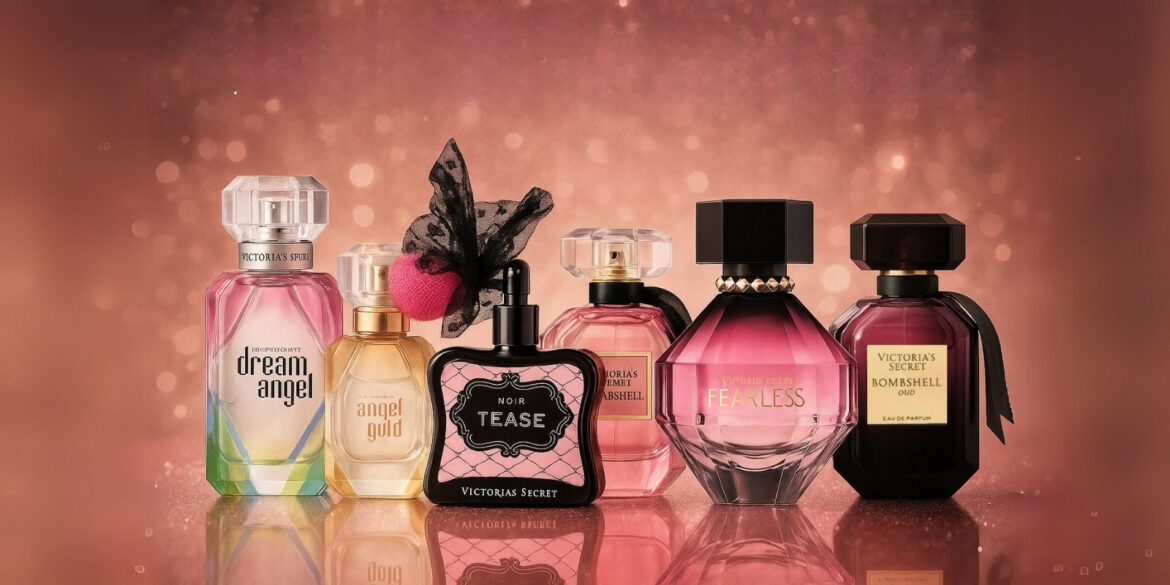
The earliest iterations, launching in the late 1980s and early 1990s, were riptides of heavy, classic florals—think tuberose, jasmine, and sandalwood—that echoed the opulent perfumery of a bygone era. Fragrances like Victoria and Dream Angels were not subtle; they were statement pieces, bottles of liquid confidence that wore you as much as you wore them. This was a time before the "body mist" phenomenon, when the eau de parfum was the only game in town, and the application was a deliberate, afternoon-long commitment. The original Dream Angels, launched around 1994, felt like a secret handshake for women who understood that their undergarments were not just functional but a private armor. It was a nostalgic nod to the boudoir, a space that was rapidly vanishing from modern architecture, replaced by open-plan living. The scent was designed to fill that void—to recreate the claustrophobic, heady intimacy of a dressing room with velvet stools and dim lighting, even if you were just running to the grocery store.
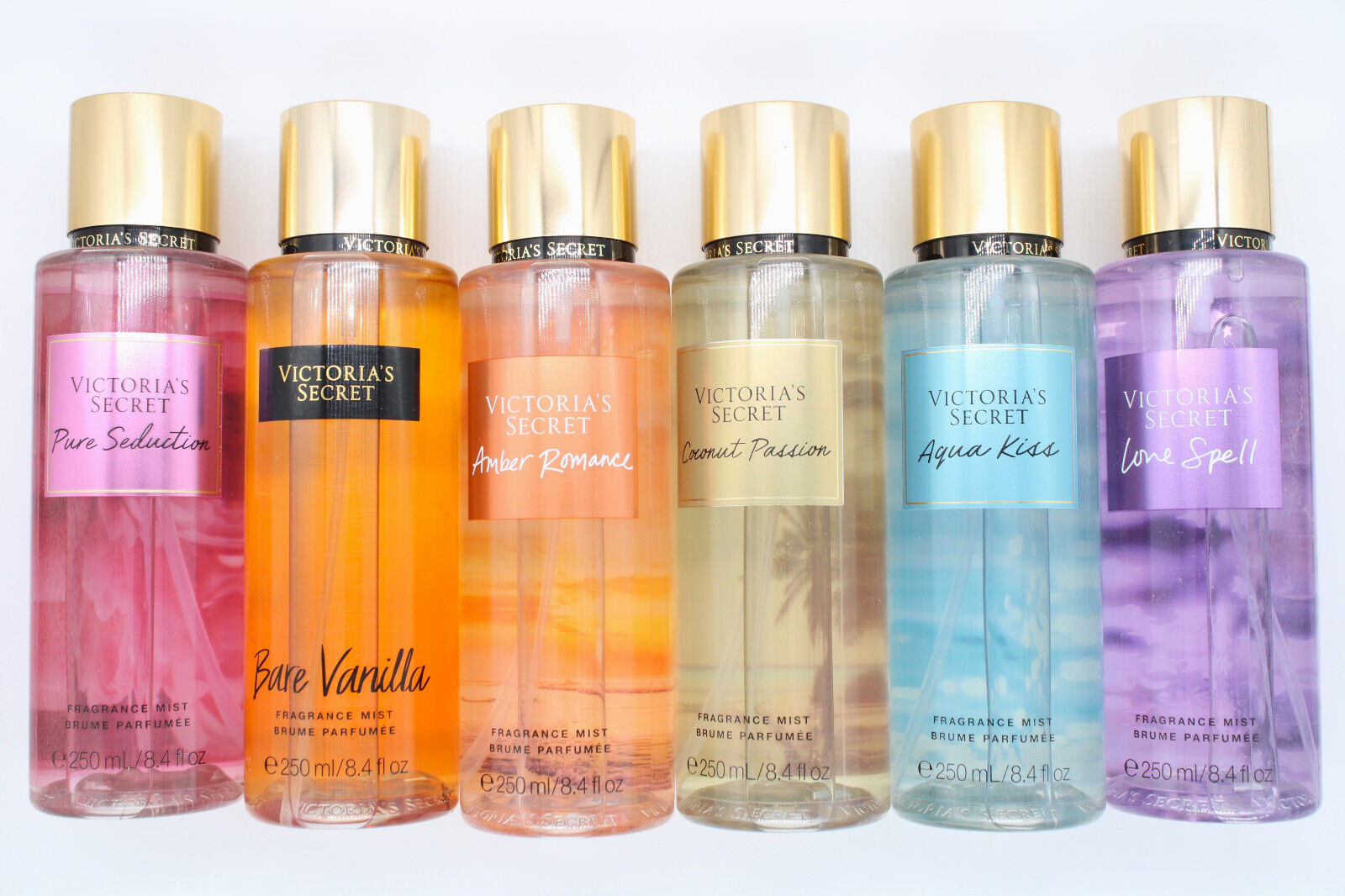
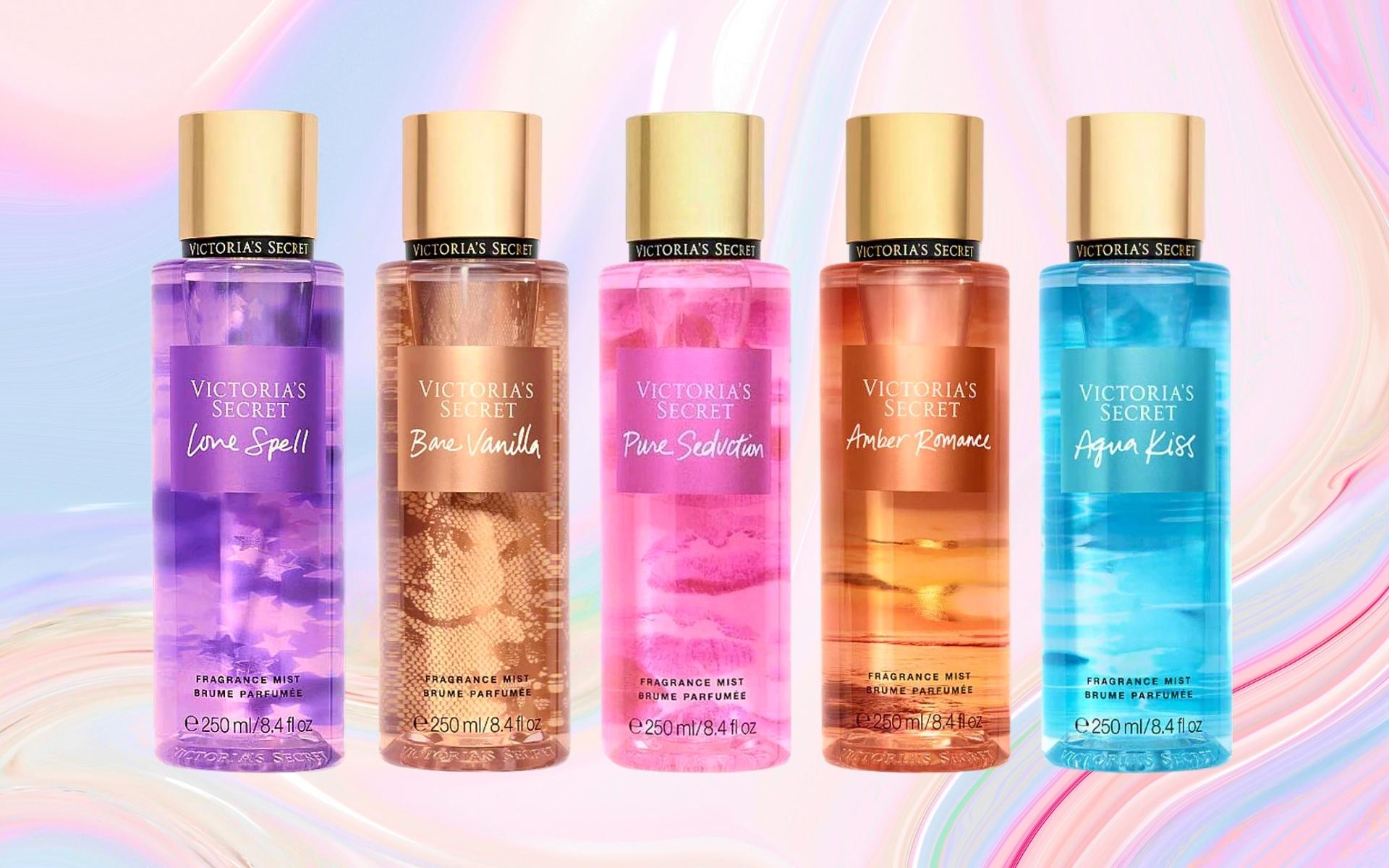
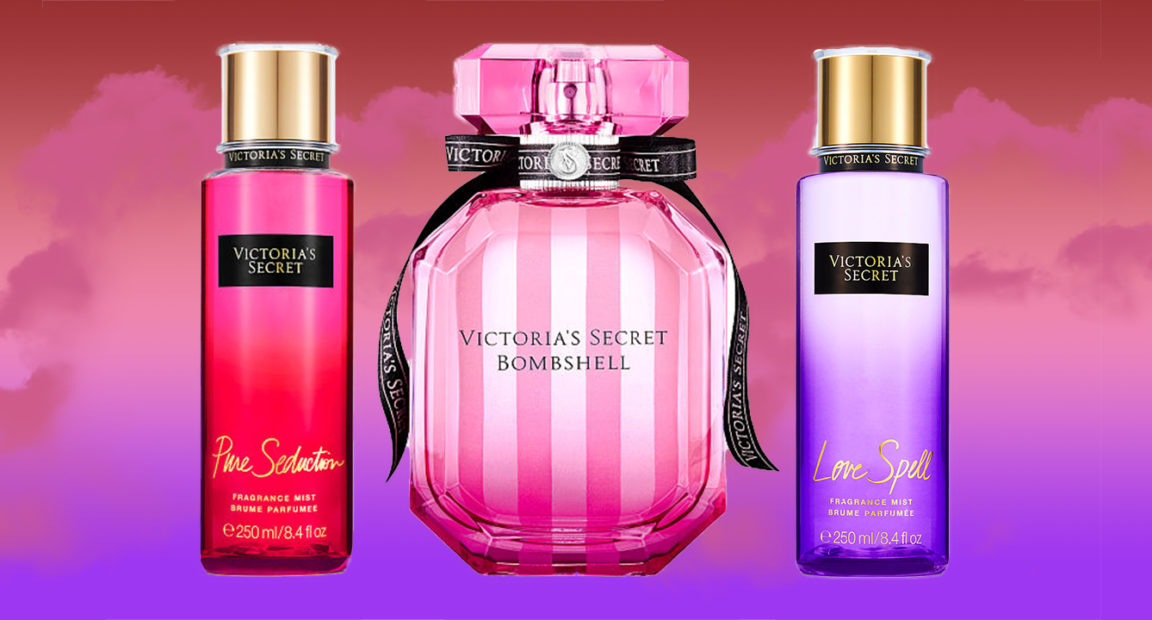
However, the true seismic shift occurred with the launch of Love Spell in 2003. It is almost impossible to overstate the cultural tsunami of this fragrance. It wasn't a perfume in the traditional sense; it was a body mist, a lighter, more casual spritz that aligned perfectly with the early aughts’ obsession with "casual chic." The scent—a bizarre but brilliant mashup of cherry blossom and peach—was initially designed to be a seasonal summer offering, but it became a permanent resident in the fragrance lineup due to sheer, overwhelming consumer demand. This was the turning point where Victoria’s Secret realized that their true power lay not in couture-level perfumery, but in creating addictive, high-sillage "candy" for the masses. Love Spell’s longevity was less about the chemistry of the molecules and more about its psychological grip; it smelled like youth, like standing in line for a concert, like the first sip of a Bellini. It was the olfactory equivalent of a low-rise jean—a little bit inappropriate, undeniably flirty, and totally of its time.
The Forgotten Vintages and the Era of Overload
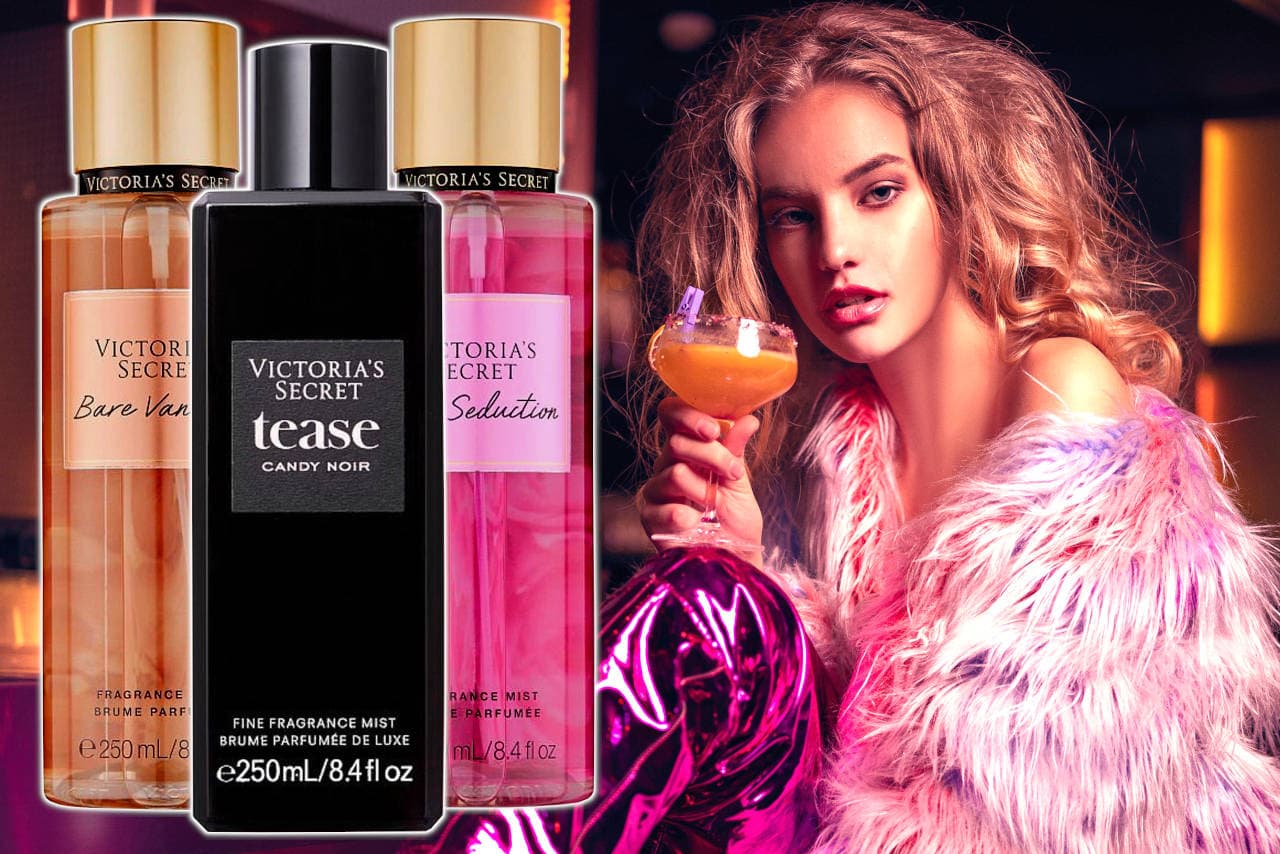
Diving into the Victoria’s Secret fragrance archive is like excavating a layer of pop culture history that is equal parts fascinating and bizarre. Before the dominance of the "core four" scents—Love Spell, Pure Seduction, Bombshell, and Tease—there existed a wilderness of experimental launches that mirrored the anxieties and trends of their decades. In the 1980s, the brand flirted with heavy, animalistic musk notes, a direct response to the power-dressing ethos of the era. These forgotten formulas, often packaged in austere, ribbed-glass bottles, were not for the faint of heart; they contained a raw carnality that seems almost alien compared to the sugary, fruit-forward offerings of today. One vintage gem, Bare Vanilla from the early 2010s, was initially a secondary player, often overshadowed by its louder siblings. It wasn't until the recent "clean girl" aesthetic exploded on TikTok that this quiet, skin-like vanilla was resurrected from the bargain bins to become a Gen-Z holy grail, proving that the brand’s trash was often another generation's treasure.
The most bizarre treatment of fragrance during the mid-2000s was the "scent layering" mania that Victoria’s Secret mercilessly marketed. It was a time when women were encouraged to use the entire "system"—shower gel, body butter, shimmer lotion, and dry oil—in a single sitting, resulting in an olfactory wall so thick you could almost taste it. This was the era of the "glitter bomb," where fragrances were laced with shimmering particles that left you looking like a disco ball that had been caught in a rainstorm. The fragrances themselves were often trapped in gimmicky packaging, like the Very Sexy Now line, which changed its scent every season based on vague themes like "Miami Glow" or "Malibu Nights." These were not perfumes; they were souvenirs of a lifestyle that was sold to you through the annual fashion show, which, from 1995 to 2018, served as a two-hour commercial for whatever fantasy scent they had bottled. The heaviness of these formulas often clashed with the brand’s own lingerie—you couldn't help but wonder if the models actually smelled like that, or if it was just the sweat of the lights and the adrenaline.
:max_bytes(150000):strip_icc()/BYRDIE-primary-best-victoria-secret-perfumes-4767667-75efa9f108f948b78eabdf307ce97aa3.jpg)
Then came the dark age of the late 2000s, when the market was saturated with copycat versions of their own hits. Every drugstore brand had a "Strawberry Kiss" or a "Vanilla Dream," and Victoria’s Secret responded by simply making their scents stronger, sweeter, and more synthetic. The aging process of these vintage bottles is a curious phenomenon; many collectors report that old bottles of Love Spell now smell vaguely like pickles due to the degradation of certain aldehydes, while the original Heavenly from 1997 has deepened into a rich, almost boozy amber that is far more sophisticated than its original flighty floral profile. This chemical evolution is a forgotten fact, a hidden layer of history that turns these plastic bottles into time capsules. The philosophy was "more is better," which led to a cultural backlash in the 2010s, where the rise of "clean beauty" and niche fragrances (think Le Labo and Byredo) made Victoria’s Secret’s offerings seem gauche, loud, and dated in the eyes of the fashion elite.
However, the history of the brand’s fragrance cannot be told without mentioning the sheer marketing genius of the "Fragrance Mist" boom. While traditional houses sold perfumes in 50ml bottles for hundreds of dollars, Victoria’s Secret realized that the accessibility of a $25 mist, sold in bulk on a "3 for $30" sale, was the key to brand loyalty. They hacked the consumer psyche by making the fragrance part of a daily grooming routine rather than a special occasion event. The mists were meant to be applied liberally, with abandon, and often, they were used as an air freshener for bedrooms and cars, further integrating the scent into the fabric of a consumer's private life. This aggressive, widespread usage created a generational memory loop—a single whiff of Pure Seduction (the plum and freesia bomb from 2004) can transport a 35-year-old woman back to her high school locker room faster than any visual memory ever could.
Hacking the Classics for the Modern Sniffer
In today’s fast-paced, anti-perfume climate, Victoria’s Secret has been forced to pivot, and they are doing so by cleverly hacking their own legacy. The modern consumer is not looking for a scent that screams "entrance"; they are looking for a scent that whispers "hint." The classic formula of “throw a ton of fruit and sugar at the wall” has been replaced by a more sophisticated, minimalist approach. In 2024, the brand introduced a revamped Bare collection, which leans heavily on ambrette, musk, and airy woods—a direct response to the demand for "skin scents" that blend with one’s natural pheromones. They are hacking the nostalgia of their vintage lines by reformulating the heavy sweetness out, leaving only the "vibe" of the original. For example, a modern take on Love Spell might strip out the cloying peach syrup and leave behind a sheer, watery floral with a hint of clean musk, making it suitable for the office rather than just the club.

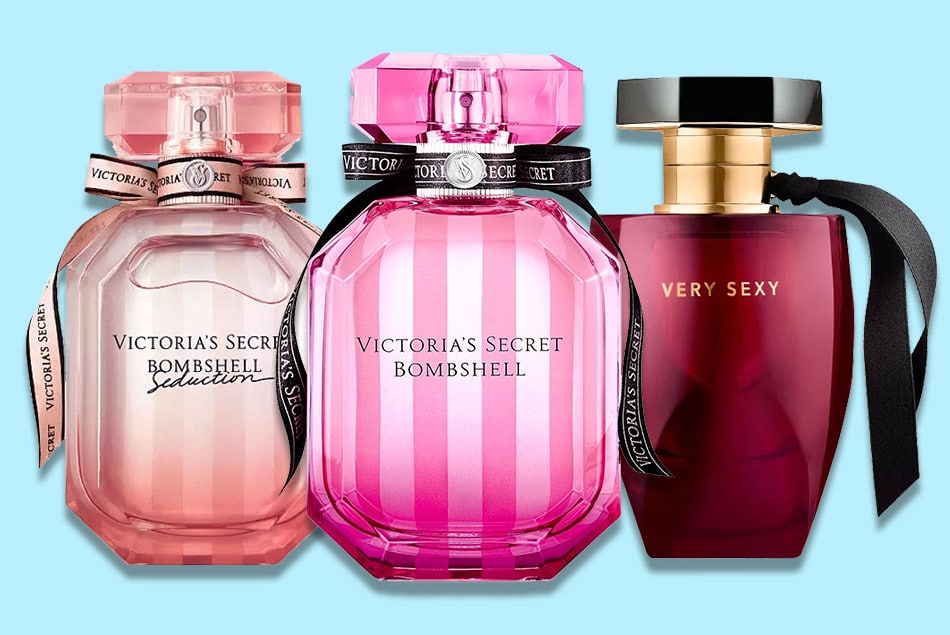
This modernization is not just about the juice but also about the medium. Recognizing the sustainability concerns of Gen Z, the brand has moved towards water-based mists and refillable aluminum bottles, hacking the old plastic pump into a sleek, minimalist aesthetic. They are also leaning into "scent memory" marketing, releasing limited-edition "throwback" collections that are explicitly packaged in Y2K-inspired chrome and glitter—a nostalgic nod that bypasses the "perfume" label and instead capitalizes on the "collectible" status. Furthermore, the brand is embracing the "dupe" culture, but in reverse; instead of becoming the dupe, they are claiming ownership of their original status. By partnering with popular fragrance influencers on TikTok to deconstruct the notes of Bombshell (the 2010 classic), they are inviting the modern sniffer to understand why it works, rather than just blindly applying it, turning a simple purchase into an analytical, educational experience.
Answers to the Questions You’ve Been Spritzing Around
Why do my vintage Victoria’s Secret mists smell different now than they did twenty years ago?
The discrepancy is a chemical certainty, not a figment of your nostalgic imagination. Perfume is an unstable art form. The high concentration of citrus and green notes in older formulas, such as the peach in early Love Spell or the lime in Very Sexy Sea Spray, were preserved with synthetic stabilizers that have since been banned or fallen out of favor due to allergy concerns. Over time, oxidation kicks in—the bottle's plastic top allows micro-permeation of air, which degrades the top notes (the initial burst of fruit) and leaves behind the heavy base notes (the woods and musks). This is why a 2005 bottle of Love Spell might smell boozy, amber-like, or even oddly acidic, while a freshly purchased 2023 bottle smells bright and sharp. The vintage juice has essentially "aged" like a wine, mutating the molecular structure. It is not that they made it differently then; it is that the guava and mandarin have evaporated, leaving behind the skeletal structure of the formula.
Moreover, the filtration standards for water used in body mists have changed radically. In the early 2000s, the water used was heavily demineralized but still contained trace minerals that interacted with the synthetic fragrance oils, creating a slightly metallic "boom" upon application. Modern production uses pharmaceutical-grade purified water, which results in a "flatter," more linear scent that feels cleaner but lacks the chaotic, three-dimensional depth of the old batches. If you want to preserve the original scent, you must store your bottles in a cool, dark place, upside down to prevent air from entering through the spray tube, and you must accept that the scent you smell now is a historical artifact, not a replica of the past.
Is there a "secret" way to layer Victoria's Secret fragrances to make them last longer?
Yes, and the secret lies in the brand's own history. In the early 2000s, beauty editors swore by the "unscented shower gel trick," but the actual hack used by Victoria’s Secret models backstage was the "body butter barrier." Before spraying any mist, you must apply the matching body lotion (or a small amount of petroleum jelly) to your pulse points—wrists, inner elbows, and behind the knees. The fragrance molecules bind to the emollient's fatty acids, slowing down the evaporation rate by nearly 30%. This was the logic behind the "layering" mania, but the trick is to not use the scented lotion as a base; instead, use the unscented version or the "Bare" lotion to let the mist be the star. Another historical hack from the 2008 Very Sexy era involved spraying the mist into your hairbrush before running it through your hair, as the hair cuticle traps the scent much more effectively than skin.
But the most advanced modern hack is the "retention spray." Instead of applying the mist directly to your clothes where it might stain, spray it onto your skin, then immediately cover your arm with a sweater or jacket. The friction and lack of air exposure force the scent to "cook" into the textile fibers of your clothing, creating a sillage that lasts for hours rather than minutes. Furthermore, do not rub your wrists together—this is a myth that bursts the fragility of the scent molecules, crushing the top notes instantly. Simply dab, or spray, and air-dry. The key is to treat the mist as a concentrated perfume, not a body spray, meaning you should aim for 6-8 sprays max, targeting the pulse points rather than an indiscriminate cloud around your entire body.
Which Victoria's Secret fragrance is considered the "hidden gem" for mature women?
While the marketing machine has historically targeted teenagers, there is a secret menu for the over-40 crowd. The most sophisticated, mature offering in their current lineup is actually a discontinued vintage: Archive by Victoria’s Secret, launched in 2016, was a flop commercially but is a cult favorite among serious perfume collectors. It featured a sandalwood and vanilla base with a heavy saffron top note—complex, spicy, and unapologetically woody. It lacked the sweetness of their standard fare, making it feel like a niche fragrance that accidentally got shelved in a mall store. If you are looking for something currently in rotation, however, the hidden gem is Tease Crème Cloud, which was reintroduced in 2020. On the surface, it smells like a fluffy marshmallow, but through the magic of ambroxan, it dries down to a skin-like, salty musk that feels sophisticated, mature, and deeply sultry.
The reason these aren't loudly marketed is that the brand sells a fantasy of youth, but the actual chemistry of these two scents is built for the physiology of older skin. As you age, your skin’s pH levels change, and its ability to project intense florals diminishes. Heavier, resinous notes like amber, sandalwood, and frankincense bind better to lower estrogen levels and drier skin, creating a softer, more intimate aura. A mature woman wearing Tease Crème Cloud will find that it lasts twice as long on her skin as it does on a teenager, and it won't turn sour or powdery in that chalky way that fruity scents often do on aging skin. So, skip the Love Spell nostalgia and dive into the dark, comforting woods of their "cloud" series—that’s where the real sophistication is buried.
Looking ahead to the next two decades, the future of Victoria’s Secret fragrance lies in biotechnological personalization. Imagine a future where, instead of buying a one-size-fits-all bottle of Bombshell, you sit in a "scent pod" at the store, where an AI analyzes your body chemistry—your hormone levels, your skin hydration, even your cortisol reading—and formulates a bespoke mist on the spot. The brand is already filing patents for "pheromone-adaptive" delivery systems, where the fragrance capsule releases scent in response to your pulse rate, meaning it smells stronger when you’re excited and softer when you’re calm. The nostalgia of the pink bottle will remain, but the contents will be a living, breathing organism that evolves with your daily life. The future will also be sustainable to the point of obsession; the mists of 2045 will likely be sold as dried, activated scent tablets that you dissolve in water at home, eliminating the plastic waste entirely.
Finally, the cultural memory of these scents will become a sonic-like "olfactory history" that is digitized and transmitted through brain-wave interfaces. You might receive a "memory patch" that, when pressed, emits the exact molecular formula of the 2003 Love Spell you wore at your senior prom, lifting you into a neural state of pure nostalgia. The current trend towards "clean" beauty will have morphed into "intentional" beauty, where wearing a Victoria’s Secret scent is seen as an act of self-archiving, a way to keep a physical marker of your personal timeline. The evolution will be less about the scent itself and more about the reproducibility of that scent’s emotional impact. Victoria’s Secret, the brand that taught us how to spray, will now be teaching us how to remember. And in that future, the humble body mist will be elevated to a high-tech heirloom, passed down not in a bottle, but in a code—a fragrant ghost that will haunt the malls of our descendants, proving that the deepest intimacy is the one we can smell on the wind of time.