
How Much To Property Managers Make
Let’s be real: we’ve all binge-watched Selling Sunset or Million Dollar Listing and wondered if the key to a cushy life is just holding a set of keys. But behind the glamour of open houses and dramatic reveals lies the actual grind of property management—a career that’s less about champagne flutes and more about midnight plumbing emergencies. So, how much do these modern-day fixers actually pull in? The short answer: it’s a spectrum wider than a Los Angeles freeway.
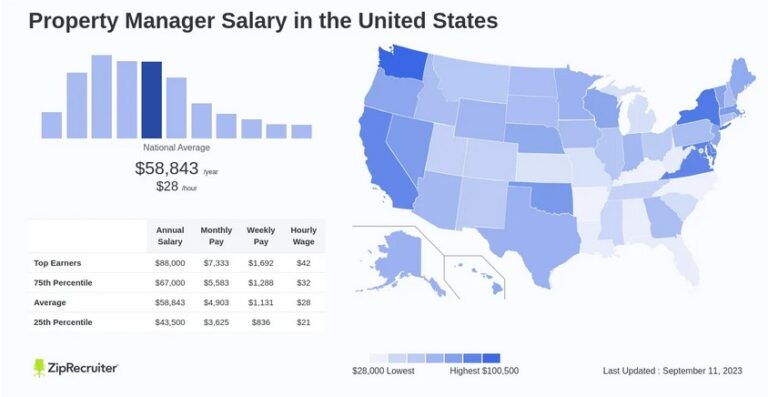
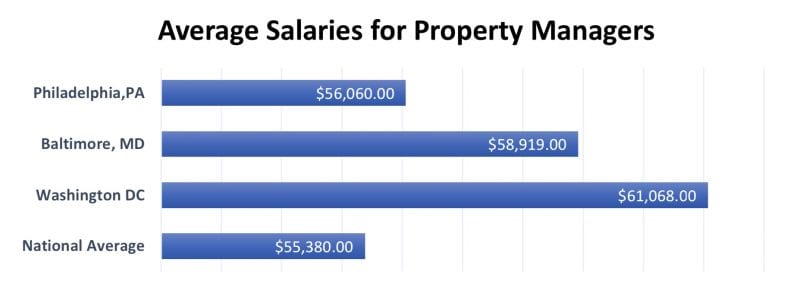
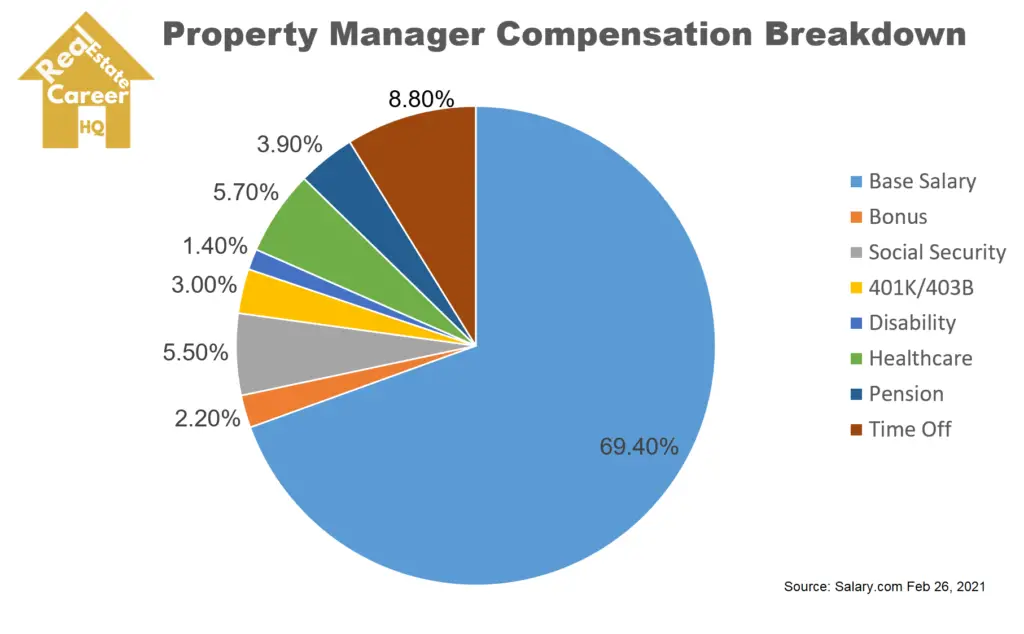
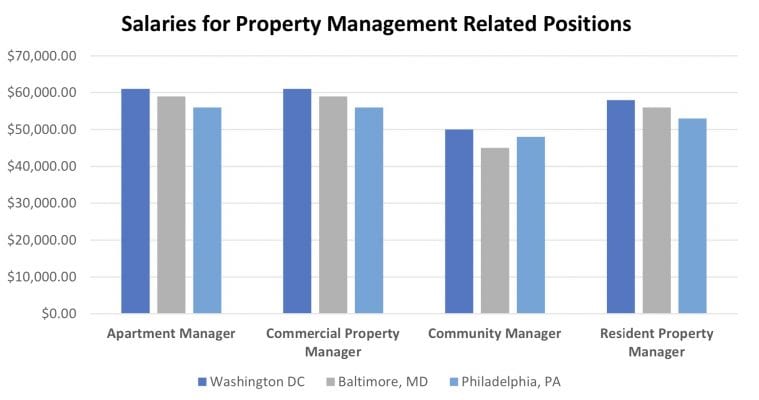
According to the latest industry data from the U.S. Bureau of Labor Statistics, the median annual wage for property, real estate, and community association managers hovers around $60,000. But before you start picking out your office view, know that this number is just the middle of the road. The bottom 10% of earners are bringing in roughly $35,000, while the top 10% are clearing $100,000+. It’s a career where your hustle, location, and portfolio size dictate everything.
The Three Paths to the Paycheck
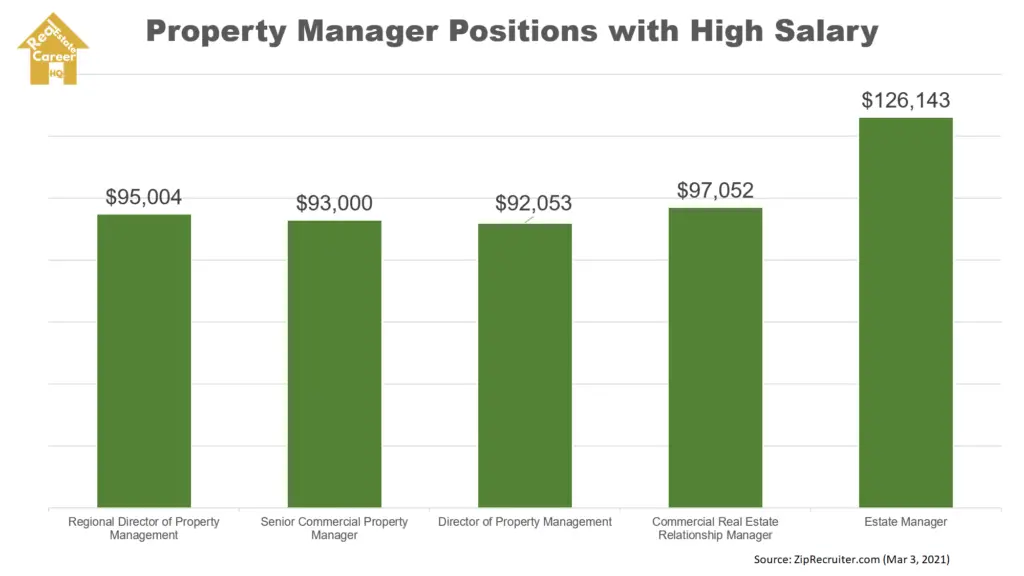
Not all property managers are created equal, and neither are their bank statements. You’ve got the Residential Boss handling single-family homes (think: your suburban neighbor with a clipboard), the Commercial Shark dealing with office towers and retail spaces, and the HOA Overlord who navigates the delicate politics of neighborhood shrubbery. Each lane has a different earning potential, with commercial roles typically paying 30-50% more than residential ones.
Must Read
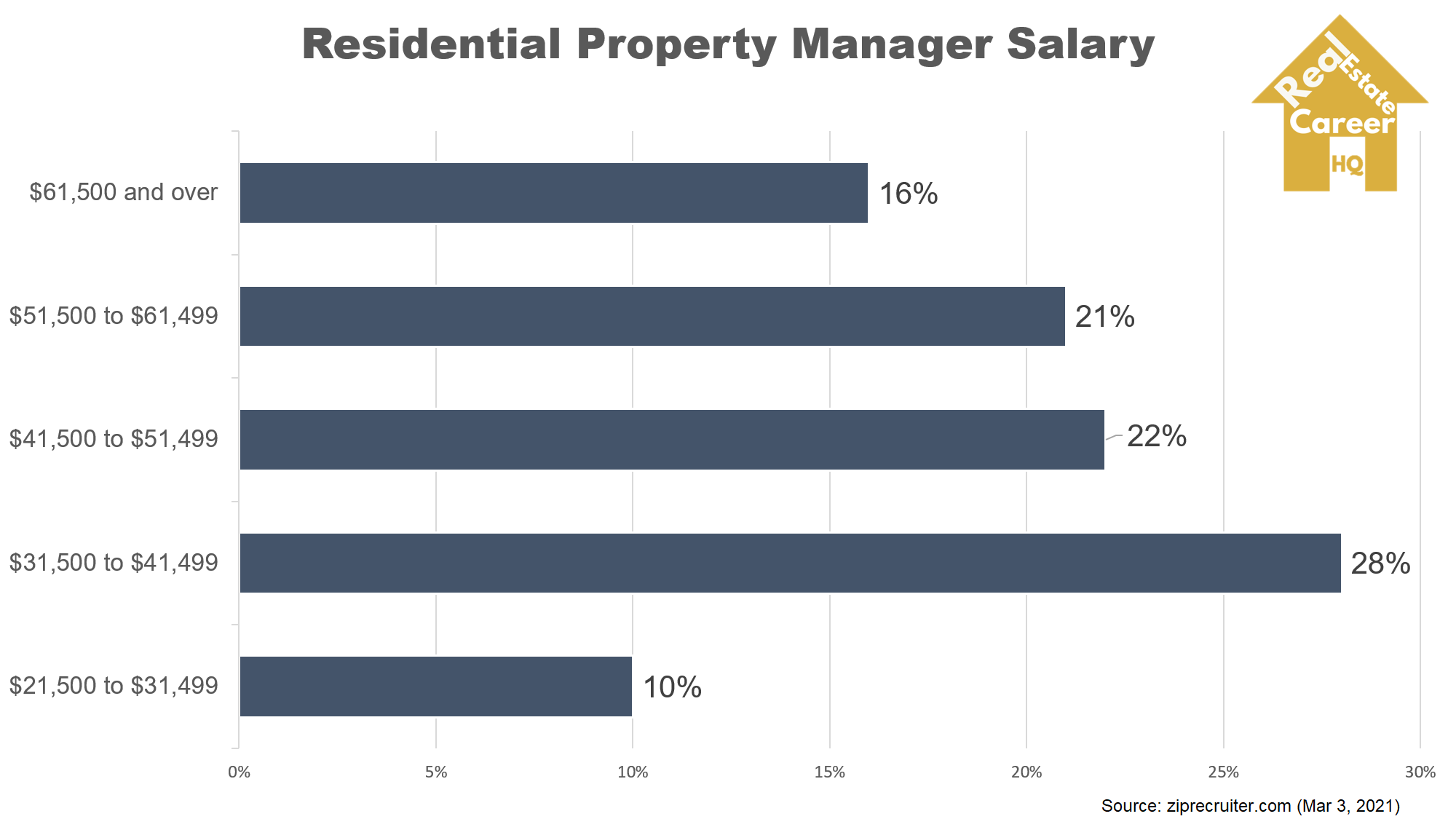
If you’re just starting out in residential, expect to see offers in the $40,000 to $50,000 range. It’s not “cry into your ramen” money, but it’s also not “spontaneous trip to Cabo” money. However, add a few years of experience and a portfolio of 200+ units, and that number can easily jump to $75,000 or more. The secret sauce? Commission structures and bonuses based on occupancy rates—they can turn a base salary into a jackpot.
The Side Hustle of the Industry
Here’s the plot twist: many property managers aren’t just salaried employees. A huge chunk of them work as independent contractors or run small firms, charging a fee of 8% to 12% of the monthly rent. If you manage a dozen units at $2,000 a month, that’s an extra $2,400 monthly just in management fees—on top of any leasing commissions. It’s the gig-economy ethos applied to brick and mortar.
The real money, though, comes from scaling. A solo manager juggling 50 units is working hard; a firm managing 1,000 units is working smart, often outsourcing maintenance and using software to automate rent collection. That’s where you see six-figure incomes becoming the norm rather than the exception. Think of it like a Spotify playlist: you need a few hit singles (high-rent properties) and a deep catalog (volume) to keep the royalties flowing.
Fun fact: the demand for property managers is projected to grow 8% over the next decade, faster than most other jobs. Why? Because Gen Z and Millennials are increasingly renting by choice, not just by circumstance. They want the flexibility of a lease without the headaches of a mortgage, and they’re willing to pay a premium for someone else to deal with the leaky faucets. You’re not just a manager; you’re a lifestyle curator.
Practical Tips to Boost Your Bottom Line
If you’re eyeing this career, don’t just send out resumes. Get certified—a designation like CPM (Certified Property Manager) or ARM (Accredited Residential Manager) can add a 15% premium to your market value instantly. It’s the industry’s version of a black belt, and landlords love the credibility. Also, specialize in a niche, like eco-friendly buildings or short-term rentals (hello, Airbnb arbitrage!).
Another pro move: learn the art of the soft sell. Managers who can keep tenants happy with small gestures—like a welcome basket or a quick response to a maintenance request—reduce vacancy rates significantly. A lower vacancy rate means you can justify a higher management fee to the owner. It’s win-win, and it feels better than constantly playing bad cop.

Finally, don’t sleep on the tech stack. Using platforms like Buildium or AppFolio isn’t just for convenience; it allows you to handle double the clientele without doubling your hours. Efficiency is power, and in this field, power equates to cold, hard cash. As the saying goes, “Work smarter, not harder”—but in this case, let the algorithm do the heavy lifting.
The Reflection: It’s All About the Keys
So, what can we take away from this salary deep-dive? Property management is a hustle where your energy directly correlates with your earnings. It’s not a passive income stream; it’s an active, people-facing challenge that rewards resilience and organization. The money is good, but the real value? It’s the mastery of logistics—turning chaos into order.
In our daily lives, we all act as property managers of a sort—coordinating family schedules, managing our own budgets, and dealing with the unexpected leak of a broken appliance. The next time you juggle a tight deadline or a roommate dispute, remember: you’re building the same skills that pay $100k a year. Maybe the real estate empire was the friends and the problem-solving skills we made along the way—and yes, that’s probably worth more than the commission check.

![Average Property Manager Salary [2026] | Things to Know | Finbold](https://assets.finbold.com/uploads/2024/12/Screenshot-2024-12-17-at-14.44.10-1024x385.png)