Army Dental Specialist Ait Location
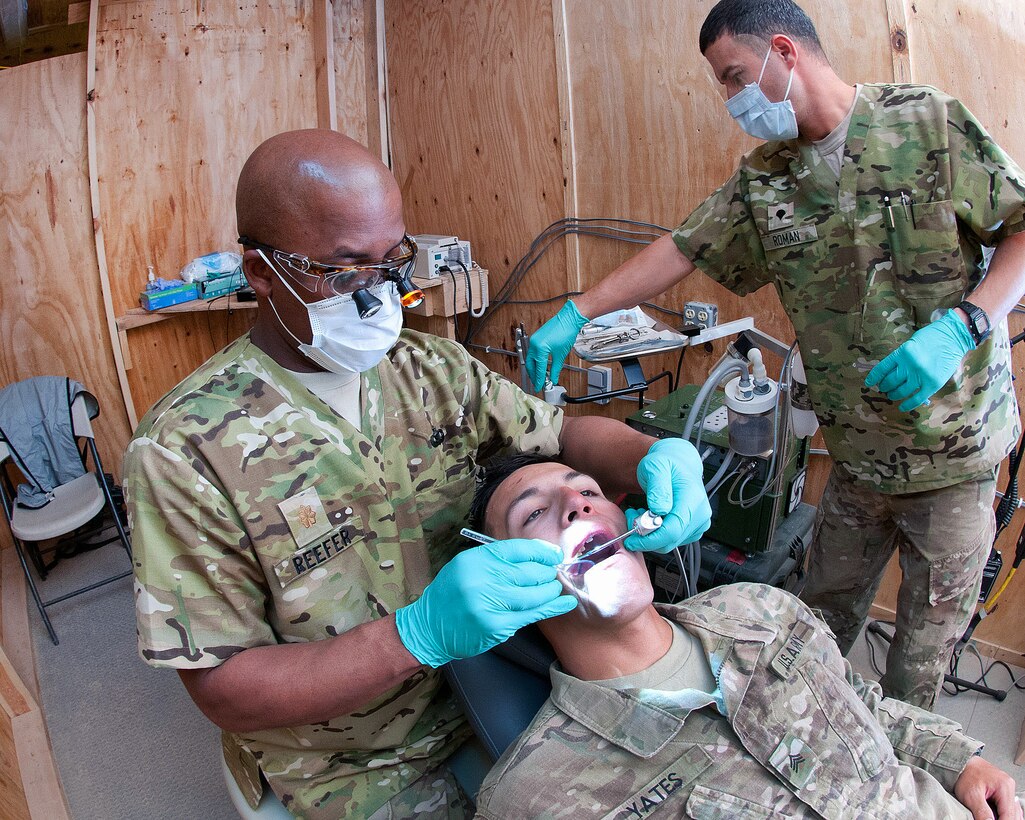
Let’s be real: when you think of the Army, you probably picture rucking through mud, not polishing a patient’s molar. But somewhere between the battlefield and the dental chair, there’s a very specific breed of soldier—the Dental Specialist. And before they can hand you a bib and a tiny mirror, they have to survive something called AIT, or Advanced Individual Training.
Now, the million-dollar question isn’t what you learn, but where you’ll be learning it. Unlike your buddy who gets sent to Fort Sill to play with howitzers, you’re heading to the medical side of the house. Most likely, you’ll find yourself at Fort Sam Houston in San Antonio, Texas. Yes, the Alamo city, where the tacos are as plentiful as the “hurry up and wait” moments.
Why Texas? And Why Should You Care?
Imagine a place where the sun feels like a drill sergeant with a personal grudge. That’s San Antonio in July. But here’s the kicker—Fort Sam is the hub for all Army medical training, which means you’re surrounded by future combat medics, nurses, and lab techs. It’s like a college campus, but instead of a 10 a.m. sociology lecture, you have a 5 a.m. formation.
Must Read
The food off-post is a legitimate life-saver. When you’re cramming dental anatomy until your eyes cross, a late-night trip to a local taqueria becomes your therapy. You’ll bond with your classmates over al pastor and the shared trauma of trying to memorize the difference between a premolar and a canine at 7:00 in the morning.
The Vibe: Less "Full Metal Jacket," More "Dental Office on Caffeine"
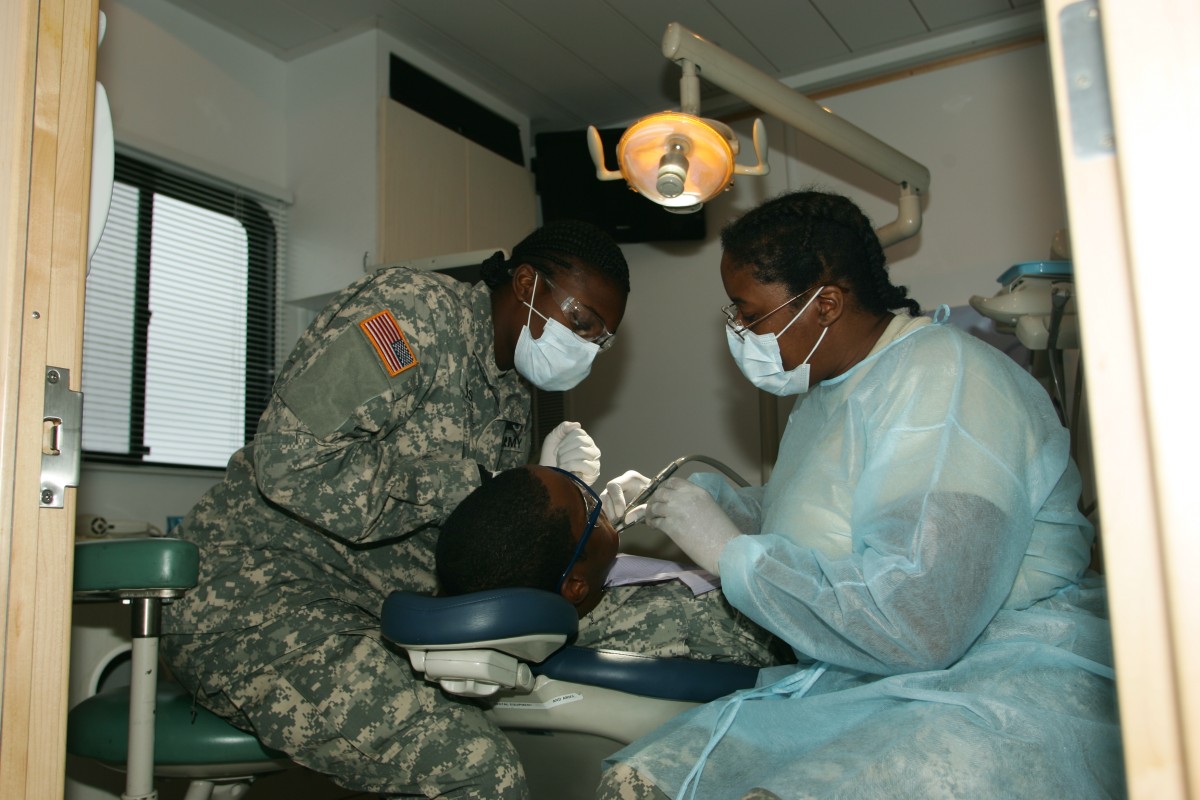
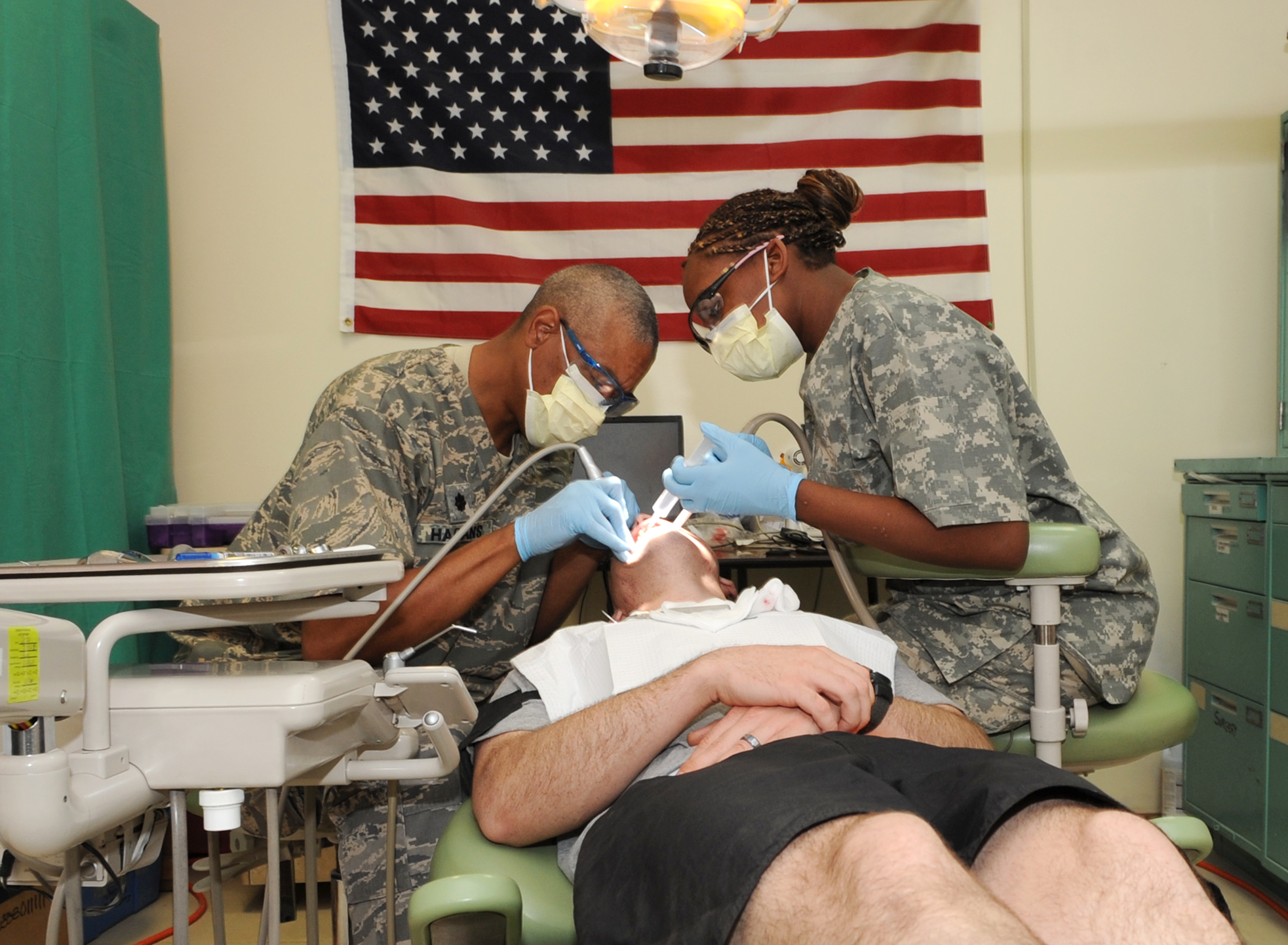
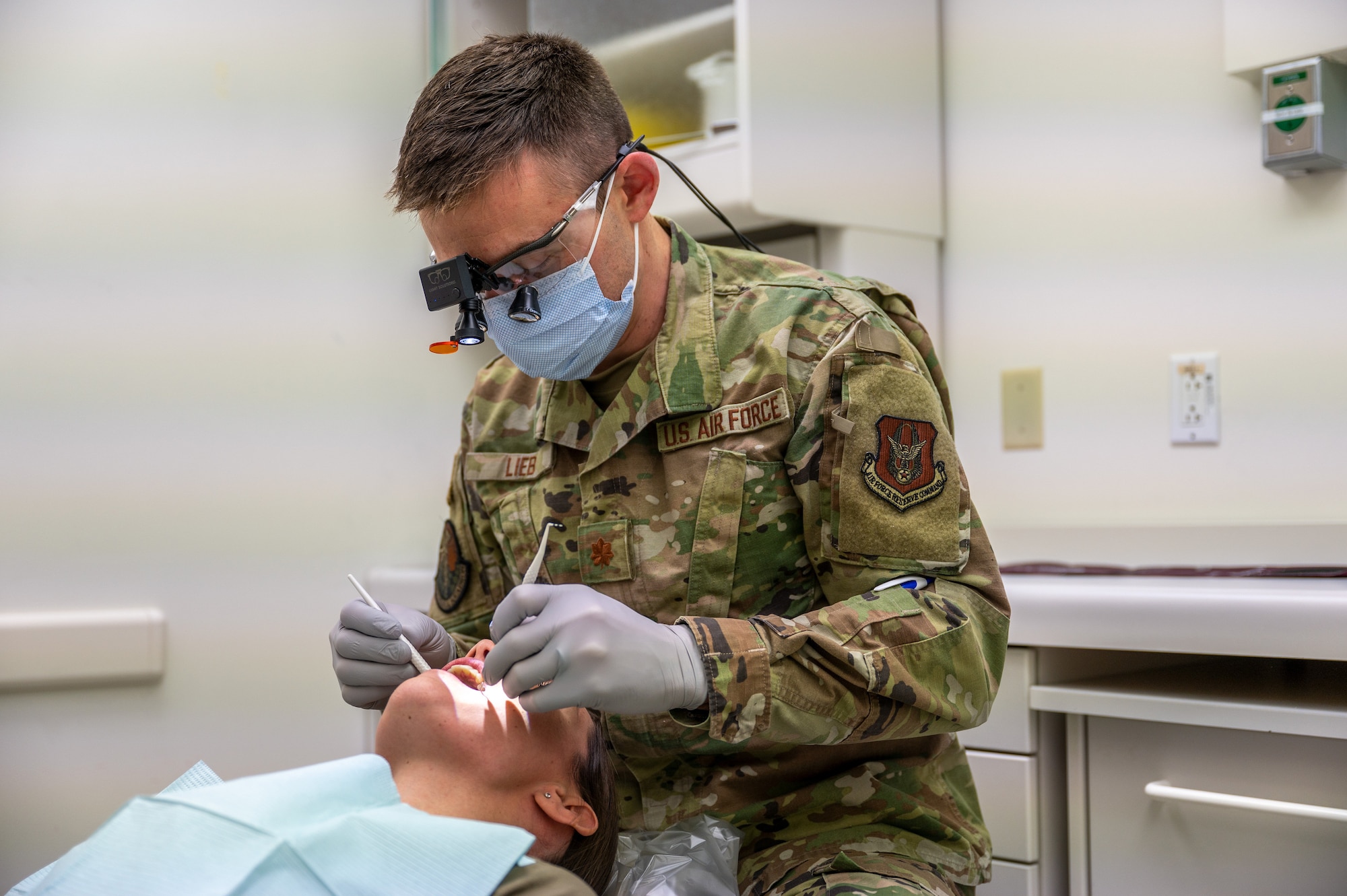
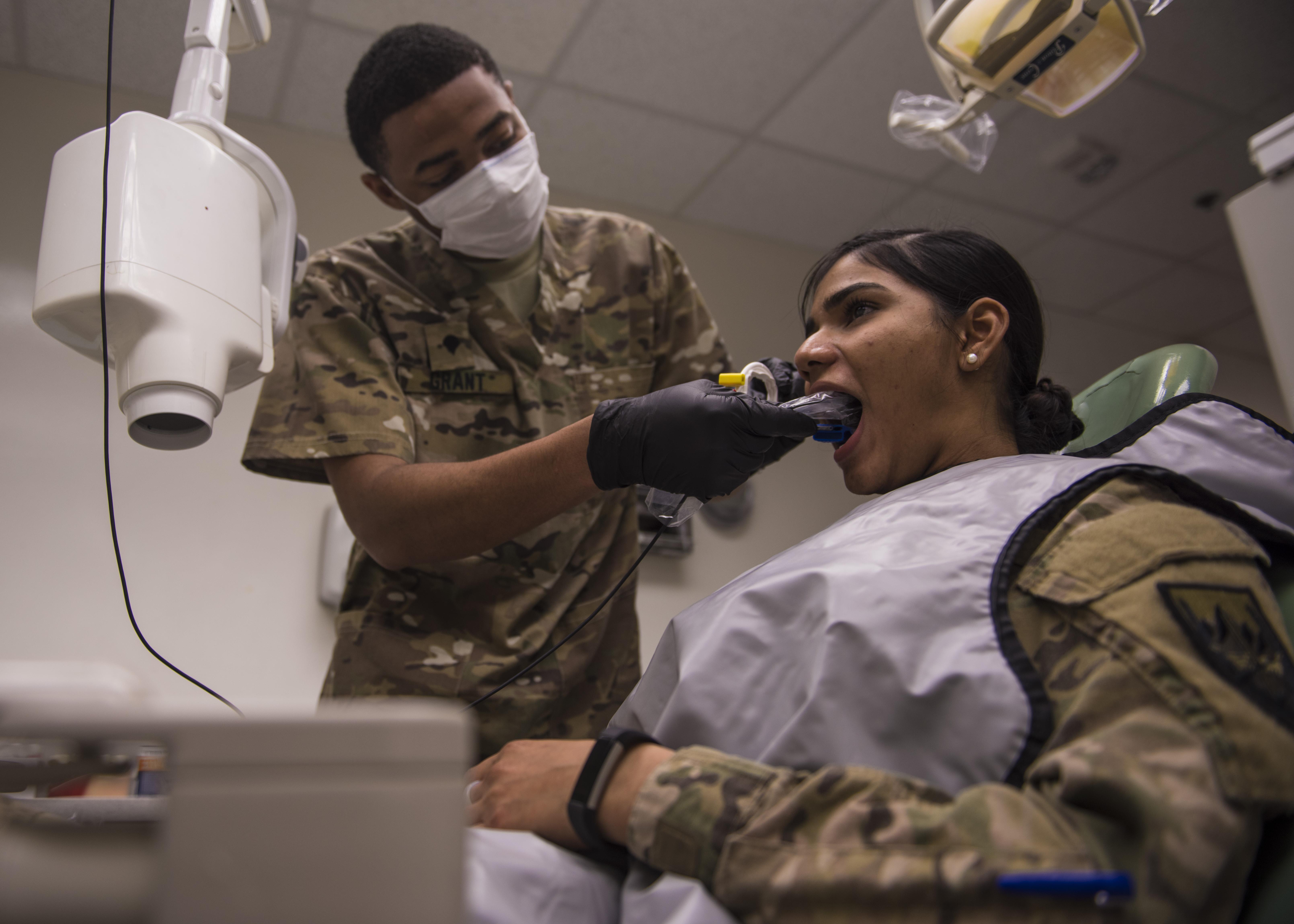
Let’s be honest—AIT is not basic training. You’re not sleeping in a foxhole, but you will be tested on infection control like your life depends on it. Because, well, it kind of does. You’ll learn how to mix dental materials, take X-rays, and assist a dentist who may or may not have the bedside manner of a golden retriever with a headache.
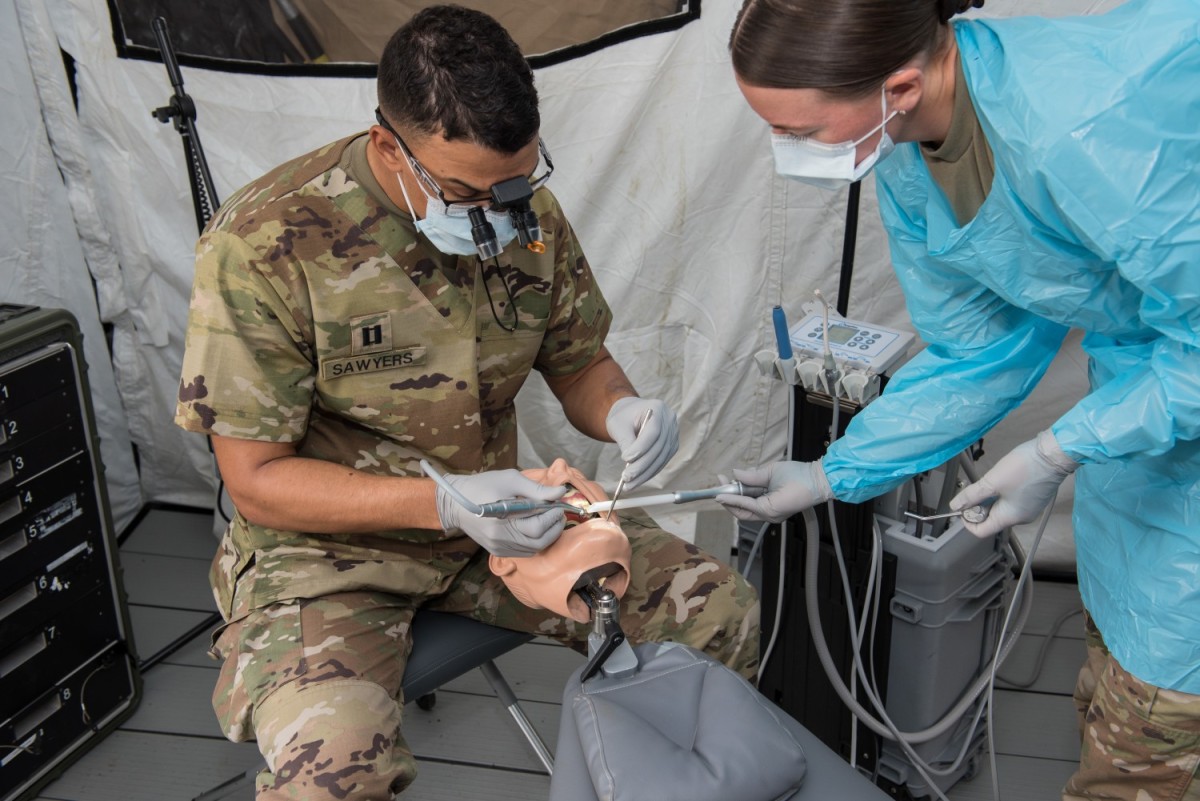
The instructors are a mix of seasoned NCOs and civilian techs. One minute they’re yelling about the proper way to fold a biohazard bag, the next they’re sharing a story about a patient who tried to eat the suction tip. It’s chaos wrapped in a paper gown, and honestly, it’s the best kind of weird.
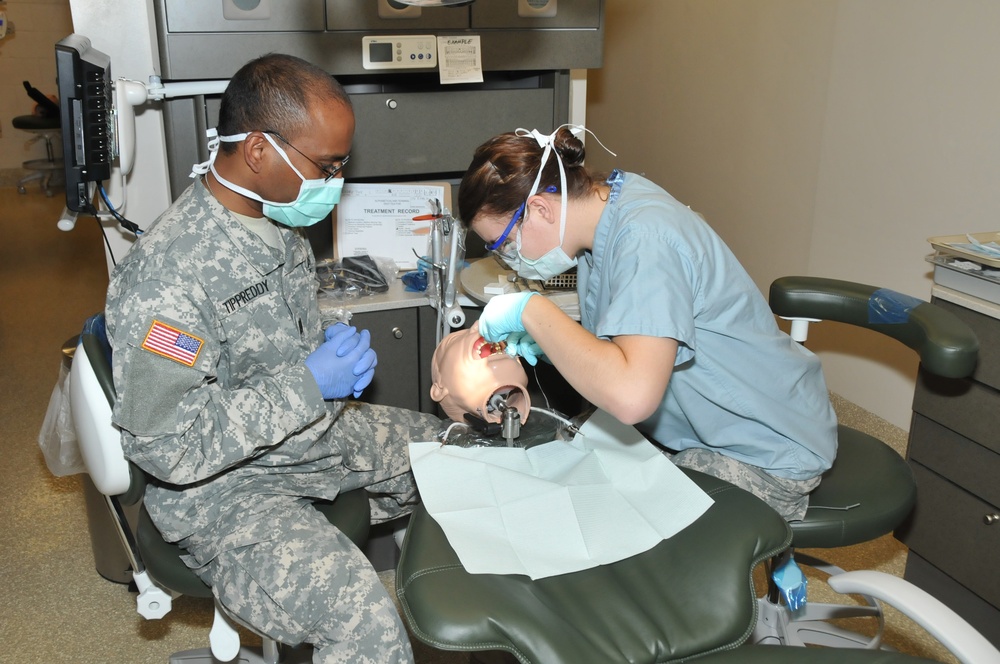
You’ll also get to practice on each other. Nothing builds camaraderie like shoving a bitewing X-ray sensor into your buddy’s mouth while he tries not to gag. It’s a rite of passage. By the end, you’ll be so comfortable with saliva that you’ll stop flinching when someone sneezes near your face. Welcome to the club.
What Actually Happens All Day?
Your schedule is a mix of classroom time and hands-on lab work. Morning PT? Yes, but it’s often lighter than basic—think running and push-ups, not mountain climbing. Then it’s off to class where you’ll learn about the periapical, the panoramic, and every other type of X-ray that sounds like a dinosaur name.
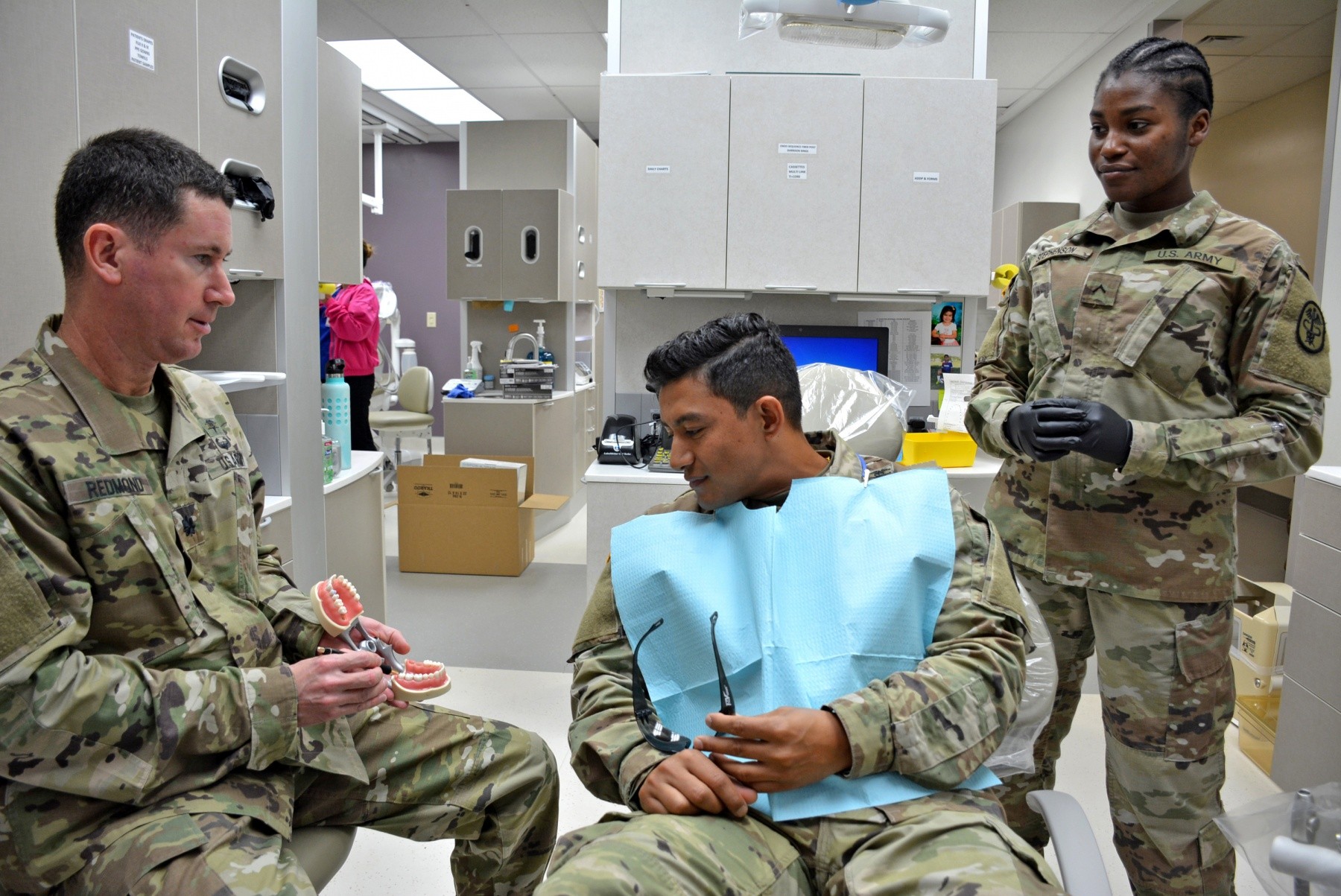
Afternoons are for the "wet lab"—that’s when you get to mix alginate for impressions. If you’ve ever made a plaster handprint in kindergarten, it’s like that, but with more pressure and way more hygiene checks. The moment you finally pour a stone model without any bubbles, you’ll feel like a tiny dental god.
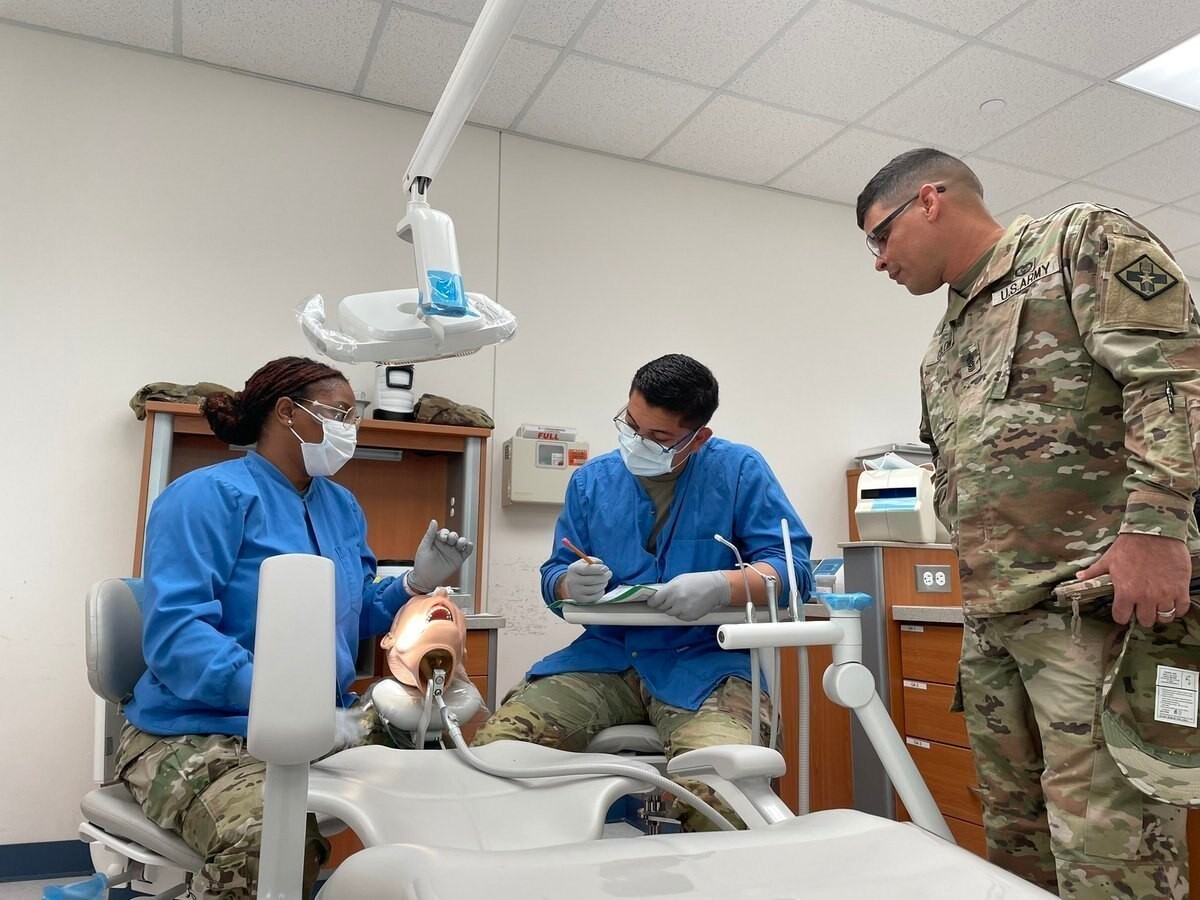
You’ll also learn the sacred art of sterilization. You’ll become obsessed with autoclaves. You’ll judge your friends’ dishwashers because they don’t run at 270 degrees Fahrenheit for 30 minutes. It’s a weird new normal, but you’ll own it.
The Real-Life Connection
Here’s the thing—this training sticks with you in civilian life. When you go to a regular dentist as a patient, you’ll silently critique their tray setup. You’ll know exactly what they’re doing, and you’ll probably whisper to yourself, “I could do that faster.” And you’re right. You could.
Plus, you’ll never look at a toothbrush the same way. You’ll start giving your friends unsolicited advice about flossing technique at parties. It’s a curse and a gift. But mostly a curse for them, because you will mention the plaque index.
The location itself is half the story. Fort Sam Houston is in a city that knows how to handle heat and humidity. It’s also a short drive from the River Walk, where you’ll go on your one free weekend to pretend you’re a tourist. You’ll take awkward photos with your battle buddies, eat way too much Tex-Mex, and still make it back for curfew—barely.
If you’re lucky, you’ll get a weekend pass to explore the Alamo. Pro tip: it’s smaller than you think. You’ll spend more time walking through the gift shop than actually looking at the fort. But that’s okay—you’re here for the teeth, not the history.
Bottom line? Army Dental Specialist AIT is a weird blend of boot camp, trade school, and a road trip with your loudest friends. The location—San Antonio—gives you amazing food, warm weather, and just enough distraction to keep you sane. You’ll leave with a new skill, a strange tolerance for spit, and stories that will make your civilian dentist choke on their coffee.
So, if you’re heading there soon, pack light, bring good running shoes, and practice smiling. You’re about to become the person everyone wants at a party—because you’ll finally know why your gums bleed. And trust me, that’s a superpower.