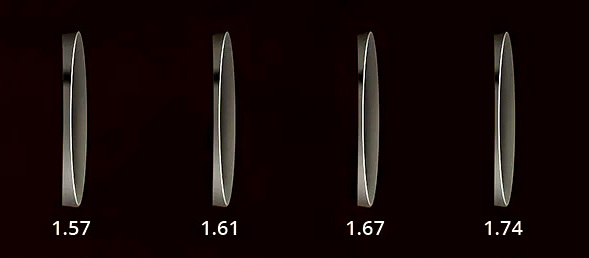
1.57 Mid Index Vs 1.61 High Index

Your Glasses Are Secretly Lying About Your Nose
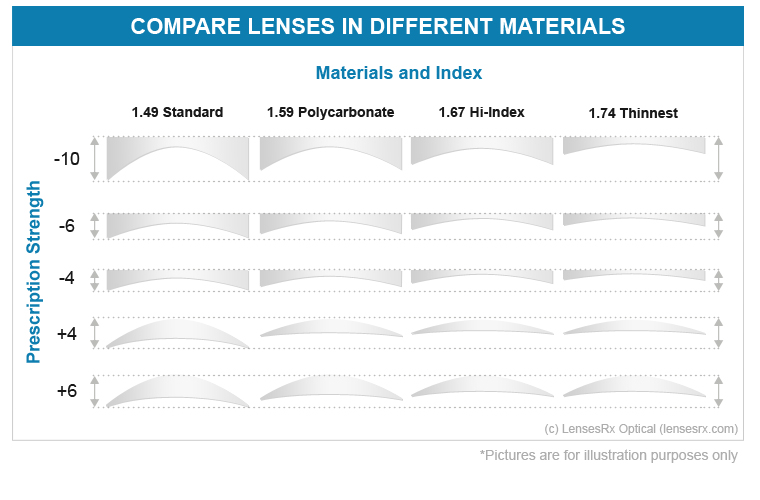
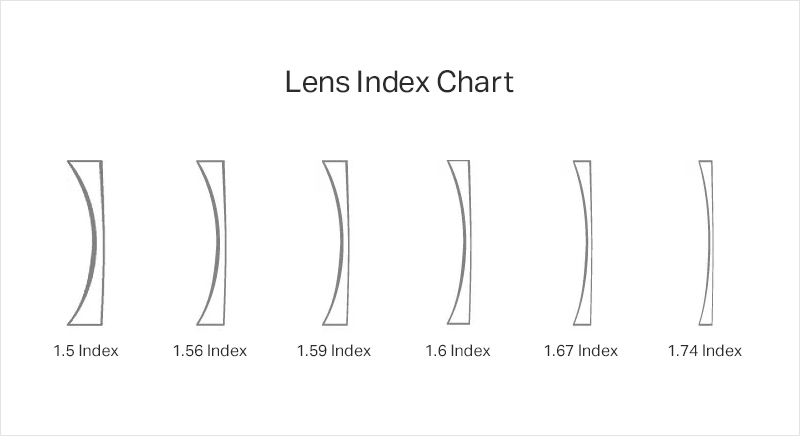
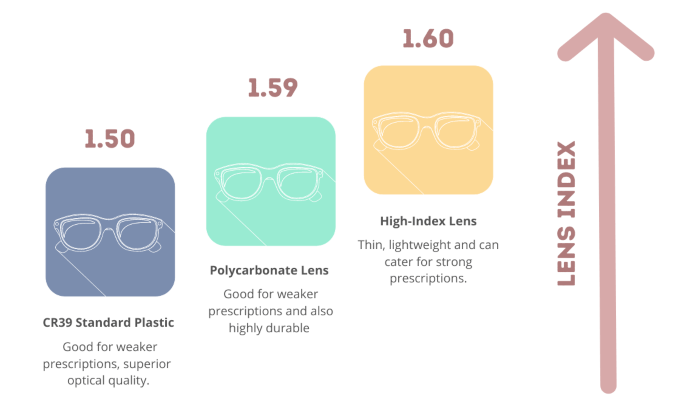
You’ve probably stood at the eyewear counter, squinting at numbers like 1.57 and 1.61, wondering if these are secret codes for “you’re getting old.” They’re not. They’re just the index, which is a fancy way of saying how thick and heavy your lenses get. Think of it like pizza dough: the lower the number, the puffier and thicker the crust. The higher the number, the flatter and sleeker your slice—but it also costs more, because nothing in life is free.
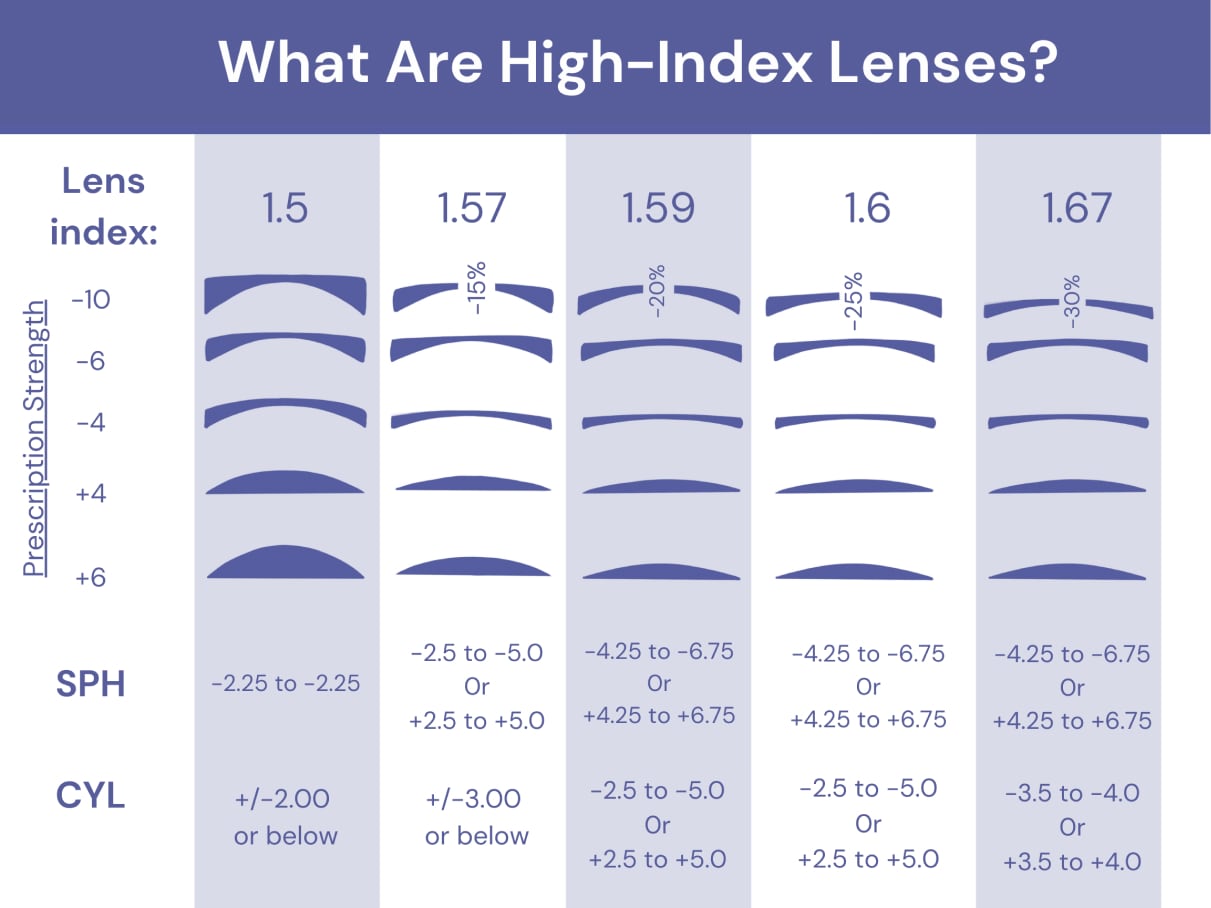
Here’s the shocking part: your prescription strength is the real boss of this story. If you’re mildly nearsighted (like -1.00), you could wear 1.57 lenses and look like a hipster with chunky frames. But if you’re rocking a -4.00 prescription, 1.57 lenses will make your glasses look like mini binoculars strapped to your face. That’s when 1.61 high-index lenses swoop in like a superhero, saving your nose from that heavy, cartoonish look.
The “Coke Bottle” Trap
I once saw a friend try on 1.57 lenses with a -5.50 prescription. His eyes looked like they were swimming in a fishbowl, and his glasses slid down his nose every time he laughed. He looked adorable, like a wise little owl, but he also looked like he was about to tip over.
Must Read
That’s where high-index 1.61 shines. It slims down the edges of your lenses, so your face doesn’t look like it’s holding two tiny glass shields. You get a thinner profile, which is great if you prefer delicate, wire-rimmed frames. Suddenly, your glasses feel like a feather instead of a brick.
“Nobody ever said ‘I love my glasses because they make my nose red and my eyes look like a goldfish.’” — every optician, ever.
But here’s the twist: 1.57 lenses are not the enemy. They’re actually perfect for people with lighter prescriptions. They’re cheaper, more scratch-resistant, and they bend light just fine. If you’re under -2.00, you’d be paying extra money for 1.61 without noticing any difference—except maybe a thinner credit card bill.

The Great “But My Frames Are Huge” Debate
Now, let’s talk about the elephant in the room: frame size. If you love those oversized, grandma-chic glasses (and honestly, who doesn’t?), the edges of your lenses are thick no matter what. 1.61 will help, but it won’t perform magic. You’ll still see a little ridge at the edge, like a tiny speed bump for light.
On the flip side, if you’re wearing small, round, or rectangular frames, 1.57 is totally fine. Your lenses are small enough that the thickness barely shows. It’s like wearing a thick winter coat on a short walk—it’s unnecessary, but nobody’s going to judge you for being warm.
The Price Tag Tango
Here’s where it gets funny. 1.61 high-index lenses can cost 50% to 100% more than 1.57. That’s real money. But the trade-off is comfort and vanity, and let’s be honest—vanity is half the reason we wear glasses. The other half is so we don’t walk into doors.
If you’re on a budget, ask for 1.57 and pick smaller frames. You’ll save a bundle and look just as sharp. If you’re willing to splurge, 1.61 is perfect for that “I definitely don’t need these to read the menu, but I look fantastic” vibe.
The Verdict (And a Silly Test)
Here’s a simple trick: hold your glasses frame up to your face and look at the lens width. If the width is less than your thumb’s length, stick with 1.57. If it’s wider than your palm, definitely go 1.61. It’s not science, but it’s more accurate than guessing.
Honestly, the best choice is whatever makes you smile in the mirror. Glasses are the only fashion item you can’t take off without seeing blurry, so you might as well enjoy them. Whether you choose 1.57 or 1.61, remember—both are just thin pieces of plastic trying their best to help you see your dessert menu clearly.
And that, my friends, is a noble goal. If you can read the fine print on a candy bar without squinting, you’ve already won. So pick your poison (or your lens index), and wear those specs with sass.