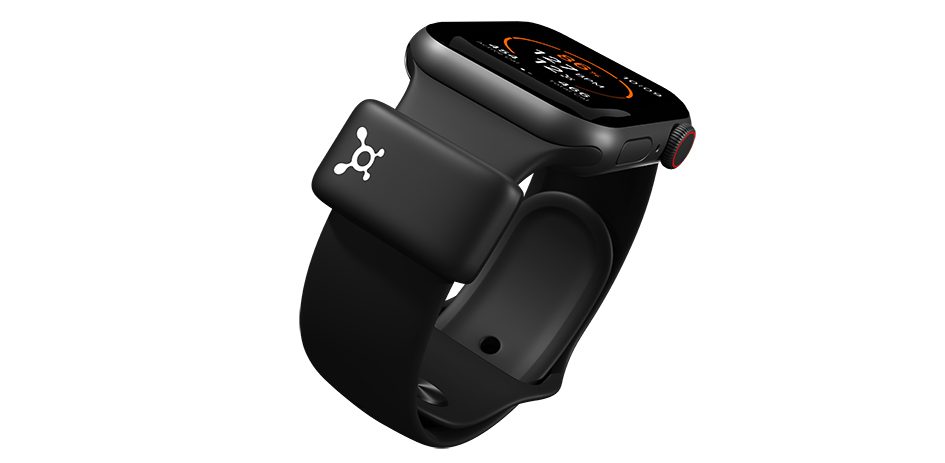
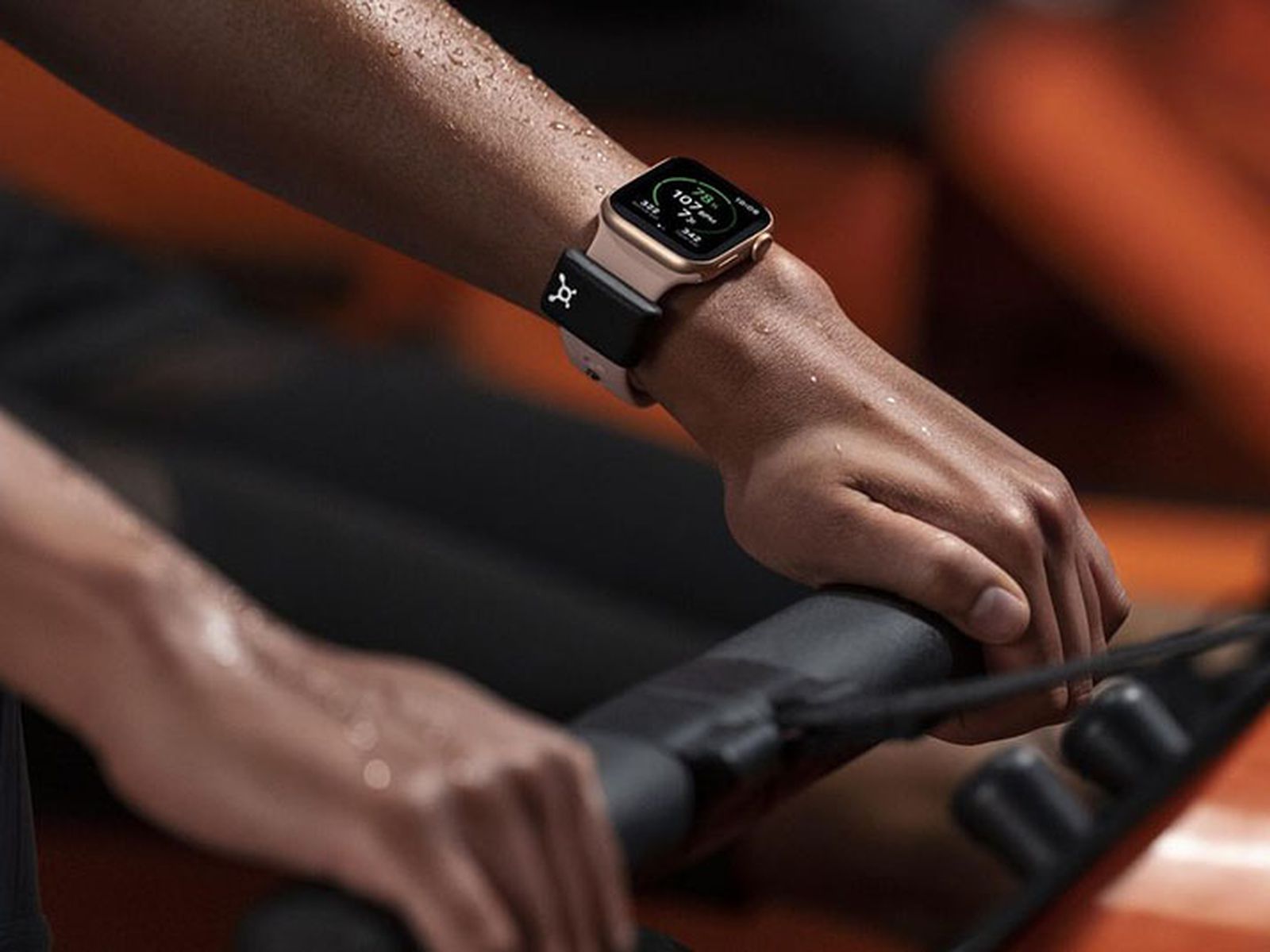
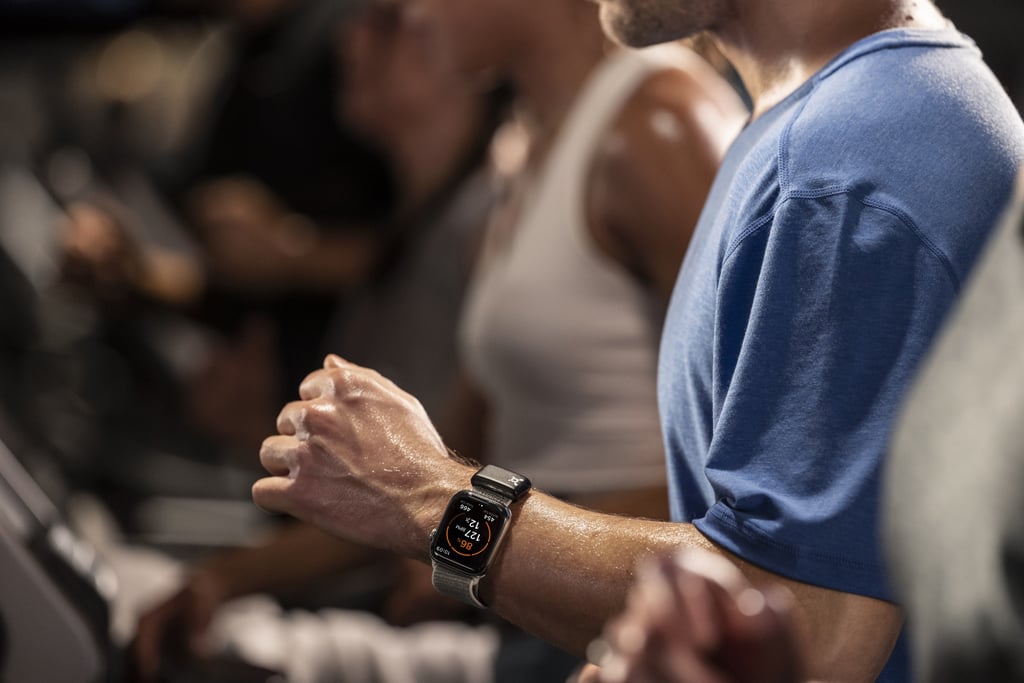
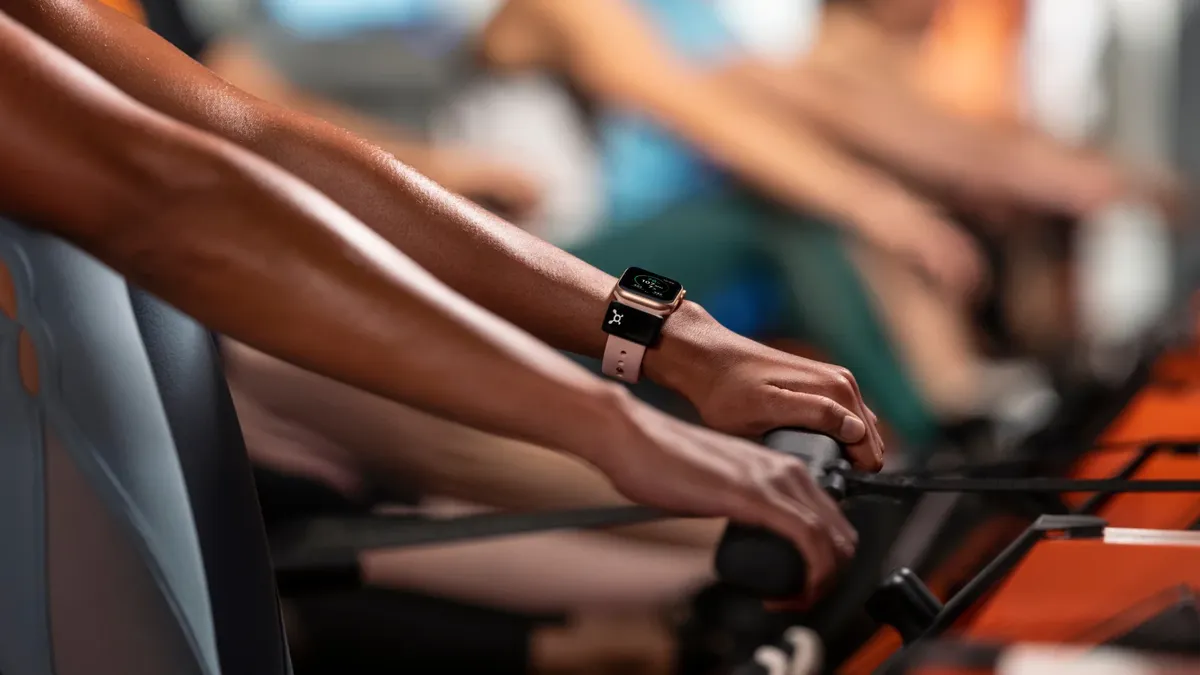
Orange Theory Fitness Apple Watch
:quality(85):upscale()/2019/12/11/055/n/1922729/37c4e6bd5df1878f805f13.69973529_.png)
There is a moment, usually around the third block of an OrangeTheory workout, when the mind starts to whisper. It’s not a scream of protest, but a seductive, logical murmur suggesting that slowing down is wise, that a cramp is imminent, or that today’s effort is simply “good enough.” This is the exact moment the Apple Watch on your wrist becomes more than a gadget; it becomes a mirror reflecting not your body’s limits, but the narrative arguments of your own psyche. Why do we become so attached to a piece of technology that vibrates with judgment? Because our brains are wired for pattern recognition and immediate feedback. In a world that feels increasingly ambiguous, the closed loop of the OrangeTheory splat point system, visualized on a glowing screen, offers a false but comforting sense of certainty—a metric for the messy, invisible work of self-improvement.
Yet, this relationship is profoundly dualistic. On one hand, the watch is a tyrannical taskmaster, quantifying our worth in colored zones. On the other, it is a compassionate coach, validating the effort we often dismiss. The modern relevance of this dynamic lies in our collective search for external validation in a digital age. We are desperate to know if we are doing enough, feeling enough, being enough. The watch, paired with the group fitness environment, creates a cognitive dissonance: it isolates us with our own data while simultaneously connecting us to a tribe of strangers doing the same. The true psychological journey is not about earning a higher Splat score, but about learning how to hear your own heartbeat beneath the beeps of the technology listening to it.
The Mirror of Resistance: Why the Splat Point Feels Personal
The hidden emotional trigger in OrangeTheory is not the exercise; it is the fear of the white space—those moments during base pace when the watch shows your heart rate dropping. On a neurological level, a decreasing number on a screen is processed by the brain as a loss. This activates the amygdala, the center for threat detection, releasing a tiny pulse of cortisol. We feel a pang of inadequacy not because our body is failing, but because our brain is interpreting the descending graph as a symbol of diminishing worth. I’ve watched individuals, myself included, sprint back to their treadmill with a fervor that has nothing to do with cardiovascular health and everything to do with shutting down the internal critic that reads a green zone as “lazy.”
Must Read
Furthermore, there is a cognitive bias known as the Ikea effect, applied to physiology. We value the effort we put in, but the watch forces us to value only the visible result of that effort. If you run for ten minutes but your heart rate stays in the orange, you feel cheated. This introduces a mental hurdle of “unfairness” that mirrors real life: we often put in the hard work and don't see the immediate reward. The watch becomes a harsh teacher, forcing us to confront the uncomfortable reality that our internal state (perceived exertion) does not always match external data. This discrepancy can cause significant anxiety for high-achievers, who are used to controlling outcomes, because it reveals that the body has a mind of its own, a stubborn autonomy that resists our will to optimize it.
Yet, the most profound psychological hurdle is the comparison complex. Even though your watch is yours, the studio screens display everyone’s stats anonymously by first name. Our brains are wired with a social comparison bias—we cannot help but scroll through the list to see if we are beating the person next to us. This fosters a tribal mentality that can be toxic if left unchecked. We begin to view our own workout as a battle against a faceless grid, rather than a conversation with ourselves. The empathetic struggle here is real: we are afraid of being the lowest on the board, not because we are physically exhausted, but because we fear being seen as mentally weak. The watch, therefore, can amplify imposter syndrome, making us feel like we are pretending to be fit, even as we sweat and gasp for air.
Reclaiming the Narrative: Mindful Strategies for Data-Driven Fitness
To transform this relationship from adversarial to collaborative, we must first practice radical data detachment. This does not mean ignoring the watch; it means observing the data as a witness, not a judge. Aim to start your workout with a specific intention that has nothing to do with the screen. For example, tell yourself: “Today, I am here to practice breathing under pressure.” When you catch yourself staring at the watch to see if you’ve hit the orange zone, treat that glance as a trigger. Take one deep, diaphragmatic breath and shift your focus to the sensation of your feet hitting the belt or the rhythm of your stride. This simple act of sensory anchoring breaks the cognitive loop that demands the watch to validate your existence.
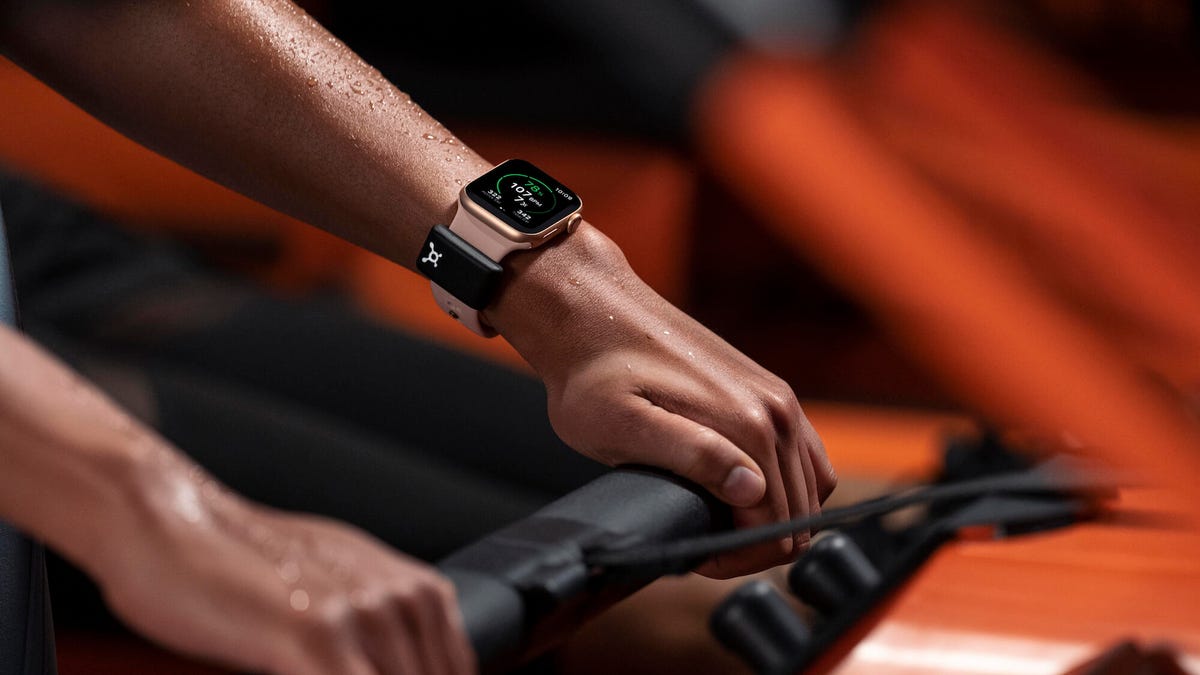
Secondly, implement the “Post-Exercise Review” protocol. Do not analyze your stats while you are panting and vulnerable. The immediate post-workout period is flooded with endorphins and cortisol, which impairs judgment. Wait at least two hours, ideally when you are calm, to review your metrics. When you do, ask yourself three questions: How did my body feel during the workout? (Subjective data). What was my emotional state when I saw a low number? (Psychological data). Was there any moment when the data did not match my effort? (Reality check). This routine transforms the watch from a tool of evaluation into a tool for emotional intelligence, helping you understand not just your heart rate, but your stress reactivity.
Thirdly, embrace the concept of “Earned Rest.” The watch will often push you to stay in the green zone to recover, but it cannot measure the quality of your breath. In those moments of low splat points, practice a body scan. Consciously relax your jaw, lower your shoulders, and unclench your fists. By doing this, you are teaching your nervous system that you can be calm in the midst of high stimulation. This is a transferable skill for life outside the studio. When your boss is yelling, or a relationship is tense, your body will remember this pattern of “calm under pressure” that you practiced on the rower. The watch catches the physical state; you catch the mental state.
Finally, schedule a “Splat-Free Sunday”. Once a week, go to OrangeTheory or any workout, and keep your watch on, but do not look at the screen. Cover the display with a wristband or use the “Do Not Disturb” mode. The goal is to experience the workout purely through interoception—the sense of the internal state of your body. You will likely feel lost and anxious for the first few minutes. That anxiety is the addiction to external validation. Sit with it. Notice it. Eventually, you will realize that you can run, lift, and row without a numerical score, and that your body is capable of pacing itself better than any algorithm. This is the ultimate act of psychological freedom: moving because it feels good, not because a screen tells you it’s working.
Navigating the Emotional Labyrinth: Frequently Asked Questions
Why do I feel anxious when I don't hit my splat point goal?
This anxiety is a classic manifestation of the error monitoring system in the anterior cingulate cortex. This brain region is responsible for detecting when our performance deviates from our expectations. When you miss a splat goal, your brain registers an "error," triggering a distress signal. This is the same mechanism that causes perfectionist tendencies. The anxiety is not about the workout; it's about a deep-seated fear of failure. You have internalized the splat point as a metric of your worth. Emotionally, you are conflating "not meeting a goal" with "I am not good enough." To counter this, remind yourself that the splat point system is a one-size-fits-all model designed for marketing as much as fitness. Your biological uniqueness means your heart rate zones are personalized, but the goal is not personalized for your life's context—maybe you are tired from a poor night's sleep, or stressed about finances. Acknowledge that the anxiety is a signal that you are placing too much pressure on a single metric.
Furthermore, the anxiety is amplified by the public nature of the data. If other people see your low score, you feel exposed. This is rooted in the evolutionary need for social standing. To soothe this, practice a cognitive reframe. When you notice the anxiety, tell yourself: "Splat points measure effort, not character. My character is defined by my kindness, my resilience, and my integrity, not by a graph on a screen." By separating your identity from your performance, you reduce the stakes. This allows you to engage with the workout as a fun challenge rather than a high-stakes test. Over time, your brain will learn that missing a goal is not a threat to your survival, and the anxiety response will diminish.
Is it okay to feel competitive with others at the studio?
Feeling competitive is natural and deeply human, but it requires careful emotional management. The competitive drive is fueled by the hormone testosterone, which is healthy in controlled doses. However, when you focus on beating others, you shift your locus of control outward. You are ceding your power to people you cannot control. This leads to a cycle of frustration—either you win and feel a temporary high that is quickly followed by emptiness, or you lose and feel a sting of shame. From a psychological standpoint, this is a zero-sum game. You are comparing your beginning to someone else's middle, or their genetics, or their history. That is an unfair battle that your brain will inevitably lose.
The more enlightening approach is to shift from a performance orientation (winning) to a mastery orientation (improving). View the other people on the screen not as rivals, but as a motivational backdrop. Use their energy to elevate your own output, but constantly check in with your own body. Ask yourself: "Am I working at my personal best for today?" If the answer is yes, then the score of the person next to you is irrelevant. This mindset reduces the social anxiety and fosters a sense of community. You are not racing against them; you are racing against the version of yourself from yesterday. This shift builds long-term resilience and a healthier relationship with achievement.

How do I stop the watch from ruining my mood for the rest of the day?
This is a powerful sign that the "Halo Effect" of your workout is spilling over into your self-perception. If you have a "bad" workout according to the data, you interpret it as a bad day overall. This is a cognitive distortion known as catastrophizing. To break this, you must consciously build a distinct boundary between your workout and your identity. After the workout, practice a ritual of closure. This could be a specific phrase you say to yourself, like "The workout is done. That data is a snapshot of a tired body. It has nothing to do with my value." Alternatively, do a physical action, like taking off the watch and putting it in your bag, consciously symbolizing the end of the judgment session. Do not wear the watch for the rest of the day to track your steps. Wear it to remind you to move, but mute all the notifications. Let your energy be guided by your mood, not by your steps.
Furthermore, engage in an afternoon gratitude check. Instead of reviewing your splat points, review three things you are grateful for that happened during the day. This shifts your neural pathways away from the default network of self-criticism towards appreciation. The watch can only measure physiological output; it cannot measure the kindness you showed a colleague, the laughter you shared with a friend, or the patience you had with a difficult situation. By consciously valuing those metrics, you dilute the power of the fitness data. You begin to see your life as a rich tapestry of experiences, rather than a singular graph that determines your worth.
Can the Apple Watch data help with mental health, not just physical fitness?
Absolutely, but only if you interpret it through a psychological lens. The heart rate variability (HRV) metric, which the Apple Watch measures, is a phenomenal indicator of your nervous system state. A low HRV often correlates with high stress, burnout, or poor sleep. If you look at your HRV data in the morning and notice it is trending down, you can use this as a prompt for mental self-care. Instead of pushing yourself hard at OrangeTheory, you might choose to walk instead, or do a yin yoga class. This is a form of biofeedback, where you learn to read your body’s signals and respond to them with compassion, rather than forcing them to comply with a schedule. It teaches you to listen to the deeper whispers of your physiology before they become screams of illness.
Moreover, the consistency of the routine offers mental stability. The sense of accomplishment from completing a workout, regardless of the number, releases dopamine and endorphins. This provides a reliable mood boost, which is vital for those managing depression or anxiety. The watch data, however, can become a negative loop if you use it to punish yourself. The mental health benefit comes from using the data as a tool for attunement. You are learning about the patterns of your body. You notice that you sleep poorly on Wednesdays, and your splat points are lower on Thursdays. Instead of being mad, you acknowledge it. This is self-knowledge. By becoming an expert on your own physiological rhythms, you take control away from the anxiety and place it back in your hands, fostering a sense of agency that is essential for mental well-being.

What if I feel like a failure when I have to modify the exercises?
This feeling is rooted in a perfectionist mindset that the fitness industry often cultivates. You see the coach’s demo, or your neighbor’s full push-up, and your brain creates a binary: either you do the full movement, or you fail. This is a false dichotomy. Modifying an exercise is not a concession; it is an intelligent adaptation. From an evolutionary perspective, survival favors the adaptable. When you choose a modification, you are signaling to your brain that you are focusing on long-term well-being over short-term ego. The Apple Watch data can actually help here. If you do a modified movement, but your heart rate stays elevated, you are proving to yourself that the effort is just as valid. The watch doesn't care if you are doing a push-up on your knees versus your toes; it only measures the strain on your cardiovascular system.
To reframe this, adopt the phrase “I am choosing the scaling option.” This language emphasizes agency and choice, rather than deficiency. Recognize that the feeling of failure is a story your inner critic is telling you, based on societal standards of "getting fit." The reality is that fitness is a constantly evolving dialogue between your current capacity and your goals. By modifying, you are building self-trust. You are proving to yourself that you will respect your body’s limits, which is the ultimate form of self-care. The infamous phrase "No pain, no gain" is neurologically incorrect; we build strength and endurance through progressive overload, which requires smart adjustments. Your ability to modify is a sign of high emotional intelligence and will prevent injuries, both physical and psychological.
Ultimately, mastering the relationship with your OrangeTheory Apple Watch is a metaphor for mastering the relationship with your inner life. The watch highlights your impulse to compare, your fear of inadequacy, and your desperate need for external confirmation. Yet, it also highlights your resilience, your ability to show up, and your capacity to push through discomfort. By learning to view the data with detachment and curiosity, you are training the same "mental muscles" needed to navigate life’s unpredictable financial, relational, and emotional workouts. You learn that a score is just a temporary state, not a permanent identity. You begin to understand that the splat points are not the prize; the quiet, steady growth of your character is the real trophy.
The watch will eventually break, the studio will eventually close, and your heart rate will inevitably slow to a stop. What remains is the memory of your own effort. You will remember the mornings when you chose to get up, the moments when you chose to breathe, and the instances when you chose to be kind to your body rather than brutal. That is the balance we are all seeking. The technology is simply a mirror; the true work is in how you interpret the reflection. When you can look at a red zone and offer it a smile instead of a frown, you have not merely completed a workout—you have moved one step closer to a harmonious, forgiving, and enlightened human experience.