Which Is Better Uncircumcised Or Circumcised
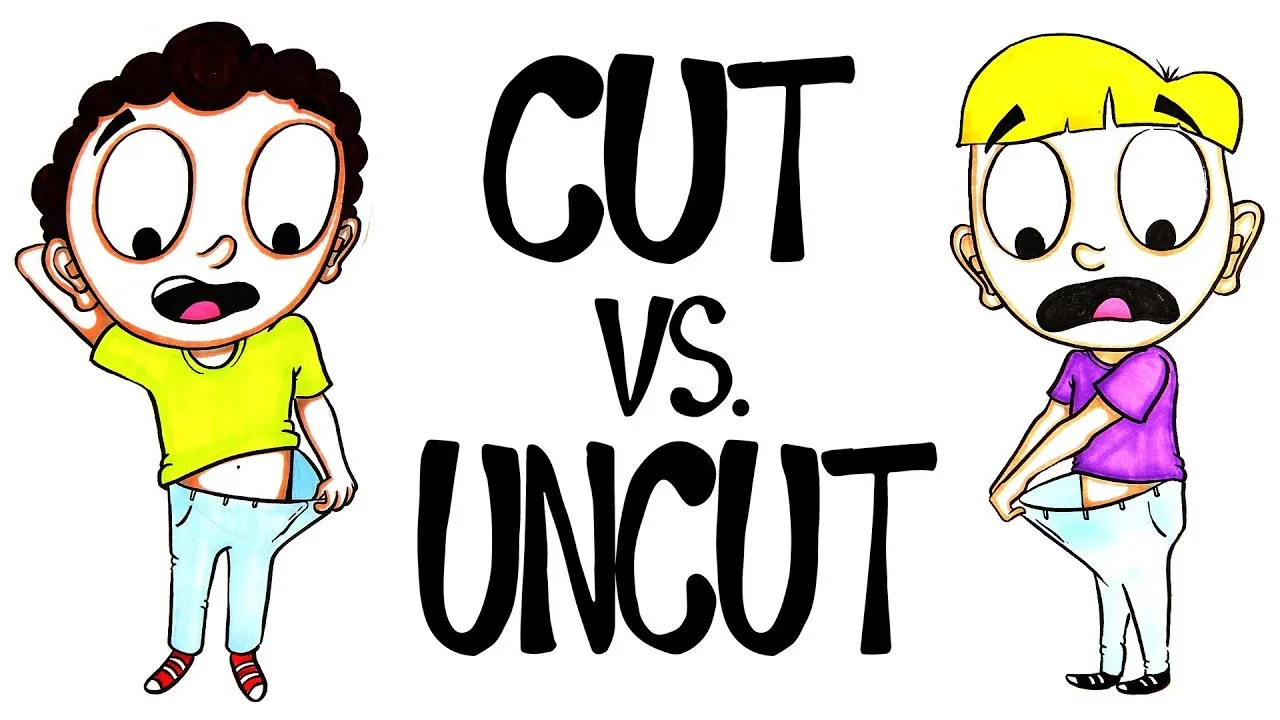
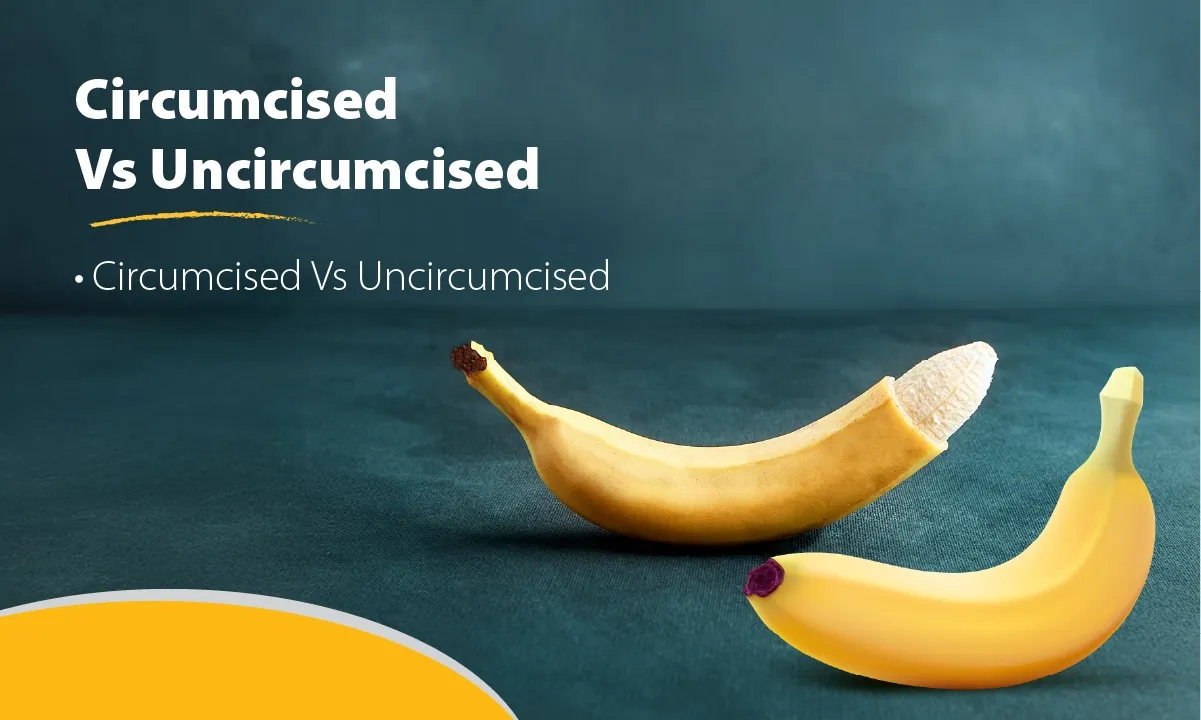
When it comes to the age-old debate of uncircumcised vs circumcised, there's a lot to consider. From health benefits to cultural significance, the decision to cut or not to cut is a personal one. With approximately 30% of men worldwide being circumcised, it's clear that there's no one-size-fits-all answer.
The History of Circumcision
Circumcision has been around for thousands of years, with ancient civilizations such as the Egyptians and Greeks practicing the ritual. The cultural significance of circumcision varies greatly, with some societies viewing it as a rites of passage and others seeing it as a medical necessity. In many Western countries, circumcision is performed for hygiene and health reasons.
In contrast, uncircumcised men have a natural barrier that protects the sensitive skin of the penis. This can lead to increased sensitivity and a lower risk of certain health problems. However, proper hygiene is crucial to prevent infections and irritation.
Must Read
Health Benefits and Risks
Studies have shown that circumcised men have a lower risk of urinary tract infections and some types of cancer. On the other hand, uncircumcised men are at a higher risk of infections if they don't practice good hygiene. It's essential to weigh the pros and cons and consider individual circumstances when making a decision.
In modern times, the decision to circumcise or not is often based on personal preference and medical advice. With the rise of conscious parenting, many parents are opting out of circumcision and choosing to leave the decision to their child. This approach emphasizes informed consent and allows individuals to make their own choices about their bodies.

Cultural Significance and Social Stigma
Circumcision has significant cultural and religious importance in many societies. In some communities, being uncircumcised is seen as taboo or unclean, while in others it's viewed as a normal and natural part of being male. It's essential to respect individual choices and avoid social stigma surrounding circumcision.
In popular culture, circumcision is often the subject of jokes and misunderstandings. However, it's crucial to approach the topic with sensitivity and respect. By educating ourselves and promoting awareness, we can work towards a more inclusive and accepting society.

Practical Tips and Advice
For uncircumcised men, it's essential to practice good hygiene and take care of the foreskin. This includes gentle cleaning and avoiding harsh soap. For circumcised men, it's crucial to follow post-procedure care instructions and monitor for any complications.
Ultimately, the decision to be circumcised or uncircumcised is a personal one that depends on individual circumstances and values. By respecting each other's choices and promoting education and awareness, we can foster a more inclusive and accepting community.
In our daily lives, the debate surrounding circumcision serves as a reminder of the importance of informed decision-making and respect for individual autonomy. By approaching sensitive topics with empathy and understanding, we can create a more compassionate and accepting world. As we navigate the complexities of human experience, it's essential to stay curious, open-minded, and respectful of the diverse perspectives and choices that surround us.