What Does It Mean When Someone Touches Your Private Area

I still remember the time my friend, let's call her Sarah, came to me completely freaked out because her coworker had inappropriately touched her during a meeting. She was visibly shaken and didn't know how to process what had just happened. I listened to her story, and we both tried to make sense of the situation, wondering what could have led to such a boundary-crossing behavior.
This incident got me thinking about the complexities of human interactions, especially when it comes to physical touch. We all know that touch can be a powerful way to show affection or comfort, but it can also be a source of great discomfort when it's unwelcome or inappropriate. As I delved deeper into the topic, I realized that understanding what it means when someone touches your private area is crucial for maintaining healthy boundaries and relationships.
Defining Boundaries
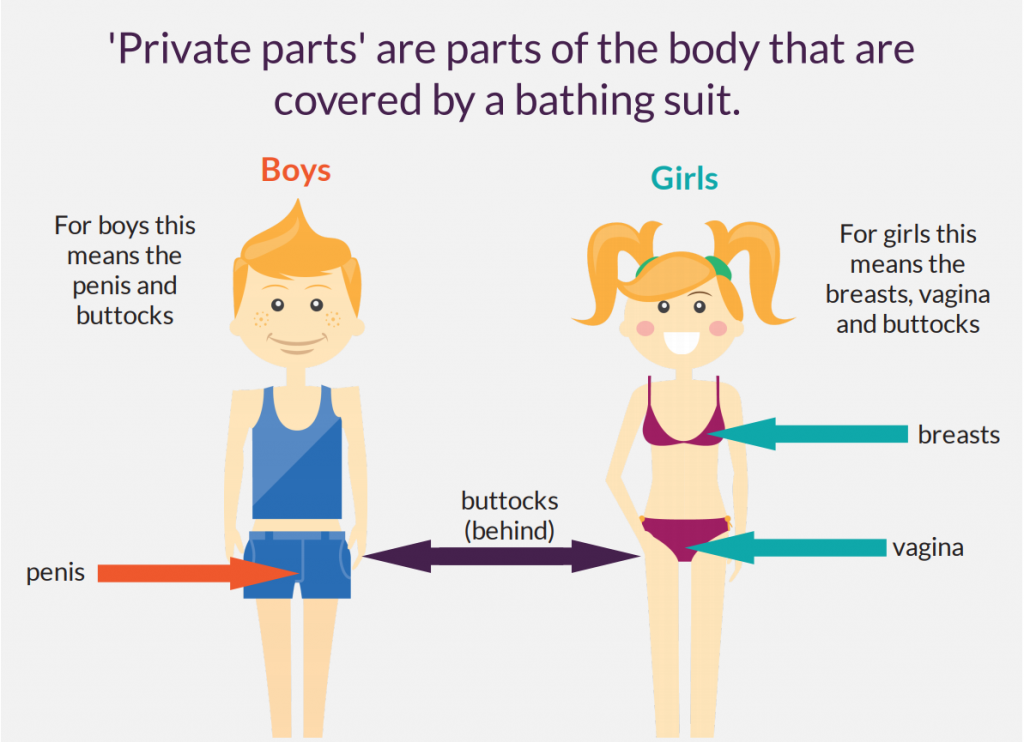
So, what does it mean when someone touches your private area without your consent? It's essential to recognize that your body is your own, and you have the right to decide who gets to touch you and how. Any unwanted touch, especially in sensitive areas, can be considered a violation of your personal space and should not be taken lightly.
Must Read
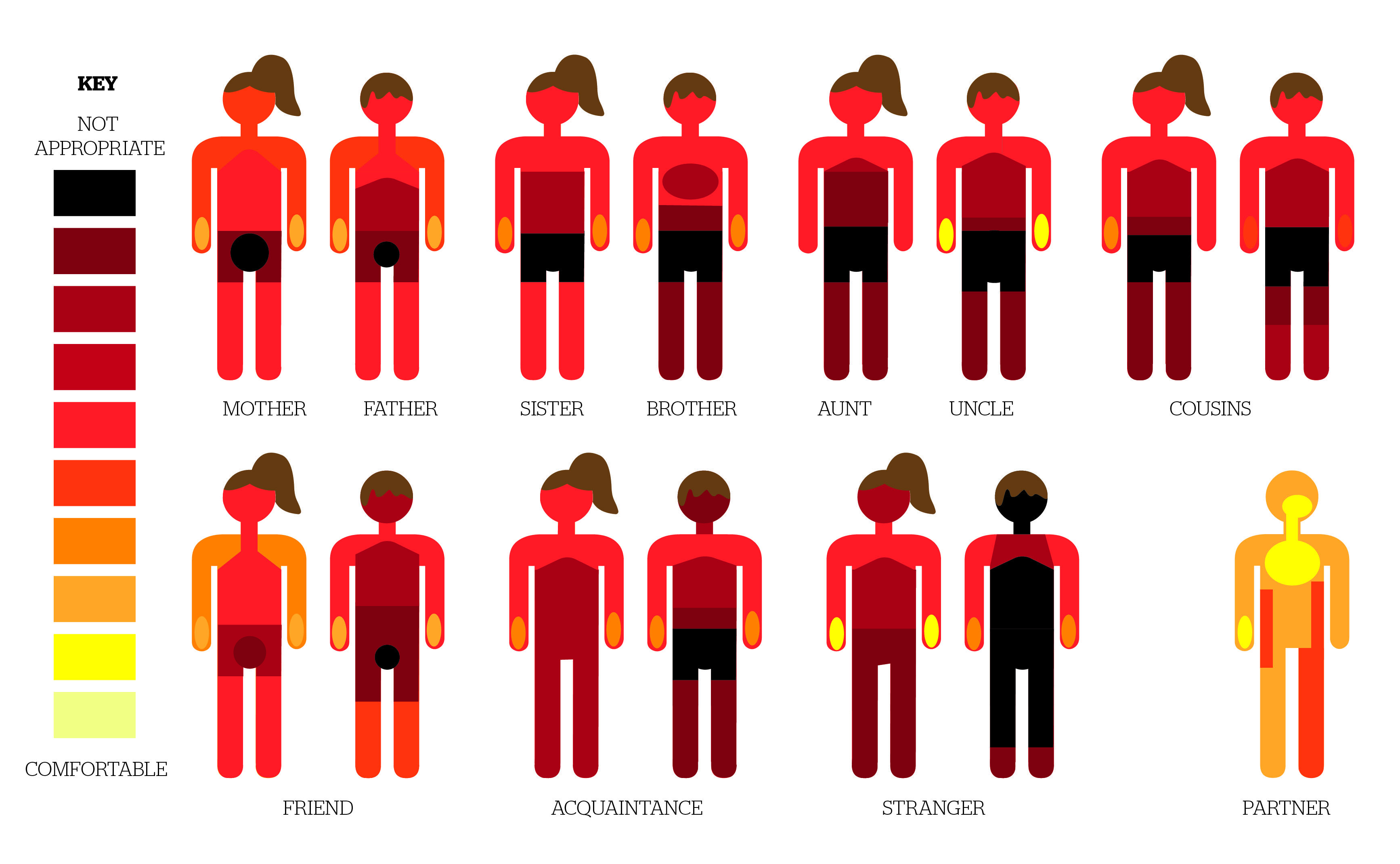
It's also important to note that cultural norms and personal preferences play a significant role in defining what is and isn't acceptable when it comes to physical touch. What might be considered a harmless gesture in one culture or community could be seen as incredibly invasive in another. Being aware of these differences can help us navigate social situations with more empathy and respect.
The Power Dynamics at Play
When someone touches your private area without permission, it's not just about the physical act itself, but also about the power dynamics at play. The person doing the touching may be trying to assert control or dominance over you, which can be incredibly disempowering and even traumatic. It's crucial to recognize these power imbalances and to take steps to reclaim your autonomy and set clear boundaries.
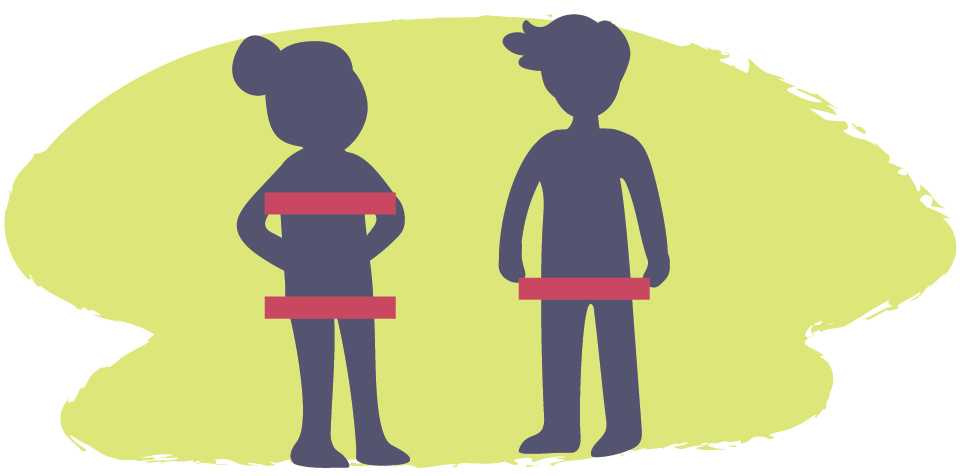
Of course, there are situations where touch can be consensual and welcome, such as in intimate relationships or during medical exams. However, even in these contexts, it's essential to establish clear communication and ensure that all parties are comfortable with the level of physical contact. As you, dear reader, may have experienced, miscommunication or mixed signals can lead to uncomfortable or even harmful situations.
As we navigate our daily lives, it's essential to prioritize self-awareness and self-care. This means being attuned to your own physical and emotional boundaries and taking steps to protect them. Whether it's through assertive communication, seeking support from friends or family, or taking time for self-reflection, remember that you have the power to define what makes you feel safe and respected.
Seeking Support and Healing
If you've experienced unwanted touch or boundary violations, know that you're not alone, and there are resources available to support you. Talking to a trusted friend, family member, or mental health professional can be a great first step in processing your emotions and developing a plan to move forward. Remember that healing is a unique and ongoing process, and it's essential to be patient and compassionate with yourself as you navigate this journey.
As we conclude this conversation, I want to leave you with a sense of empowerment and a reminder that your body and your choices are yours alone. By prioritizing your own needs and boundaries, you can cultivate healthier relationships and a more authentic sense of self. So, take a deep breath, dear reader, and remember that you deserve to be treated with respect, care, and consent in all aspects of your life.
And, as a final thought, let's all strive to create a culture where respect and consent are the norm, and where everyone feels safe and empowered to make their own choices about their bodies and their lives. By working together and supporting one another, we can build a more compassionate and inclusive world, where everyone can thrive. Until next time, stay curious, stay empowered, and remember that your voice matters.