How To Play Hard To Get With A Man
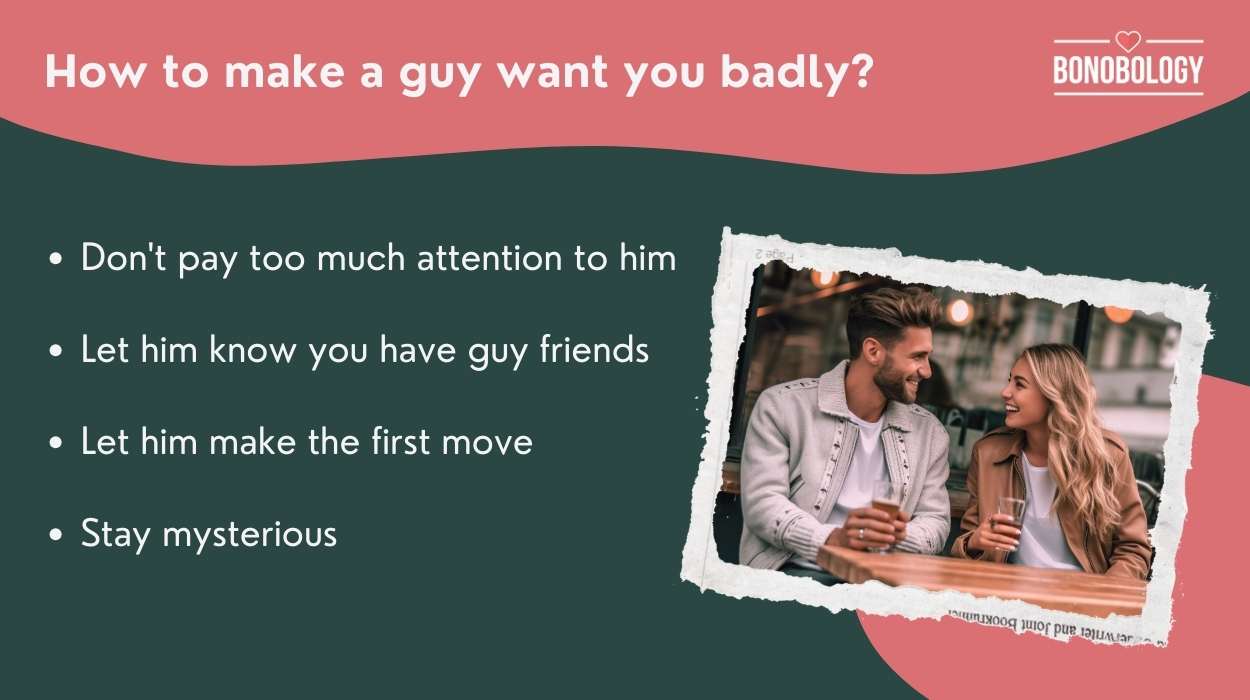
The concept of playing hard to get with a man has been a longstanding strategy in the game of love and relationships. But have you ever stopped to consider the psychological root of this tactic and why our brains react to it the way they do? At its core, playing hard to get taps into the fundamental human desire for validation, acceptance, and love. When we feel like someone is elusive or difficult to attain, our brains go into overdrive, releasing a cocktail of neurotransmitters that make us feel alive, excited, and motivated to pursue. This is because our brains are wired to respond to challenges and rewards, and the thrill of the chase can be a powerful trigger for our emotional and psychological well-being.
In today's modern dating landscape, the art of playing hard to get has become more nuanced and complex. With the rise of social media, dating apps, and the 24/7 connectedness of our digital lives, it's easier than ever to get caught up in the vortex of likes, matches, and fleeting connections. But amidst all the noise and distractions, the timeless appeal of playing hard to get remains a powerful draw. Whether you're a hopeless romantic or a seasoned player, the allure of the elusive and the unknown can be a potent catalyst for emotional growth, self-discovery, and personal transformation. By exploring the psychological underpinnings of this phenomenon, we can gain a deeper understanding of ourselves, our desires, and the intricate dance of human relationships.
Understanding the Psychology of Playing Hard to Get
At its core, playing hard to get is a delicate balancing act between confidence and vulnerability. When we play hard to get, we're sending a subtle signal to the other person that we're worth pursuing, that we're not easily won over, and that we value ourselves and our time. This can be a powerful trigger for the other person's emotions, as it taps into their deep-seated desires for connection, validation, and acceptance. By being elusive or hard to get, we're creating a sense of anticipation and excitement, which can be a potent catalyst for attraction and attachment.
Must Read
But what about the emotional triggers and cognitive biases that underlie this behavior? When we're playing hard to get, we're often motivated by a desire to avoid rejection or emotional hurt. By keeping the other person at arm's length, we're protecting ourselves from the risk of heartbreak or disappointment. This can be a self-fulfilling prophecy, as our fear of rejection can actually attract people who are unavailable or unreliable. By recognizing these emotional triggers and cognitive biases, we can begin to break free from the patterns that hold us back and develop a more authentic, empowered approach to relationships.
Another key aspect of playing hard to get is the role of power dynamics and control. When we're playing hard to get, we're often trying to regulate the pace of the relationship and dictate the terms of the interaction. This can be a subtle way of exerting control over the other person, which can be a powerful trigger for their emotions and desires. By recognizing the power dynamics at play, we can begin to develop a more balanced and mutually respectful approach to relationships, one that honors the needs and desires of both parties.
Mastering the Art of Playing Hard to Get
So how can we master the art of playing hard to get in a way that's authentic, empowered, and respectful of the other person's feelings? The first step is to develop a strong sense of self and self-worth. When we feel confident and secure in our own skin, we're less likely to people-please or seek validation from others. Instead, we can focus on building meaningful connections with others, connections that are based on mutual respect, trust, and open communication.

Another key strategy is to set boundaries and prioritize our own needs. When we're clear about what we want and don't want, we can communicate our desires more effectively to others. This can be a powerful way of weeding out people who are unavailable or unreliable, and attracting people who are aligned with our values and desires.
A third approach is to focus on our own passions and interests, rather than trying to llen the void with relationships. When we're pursuing our own goals and desires, we're more likely to radiate confidence and attract people who are drawn to our energy and passion. By prioritizing our own growth and development, we can develop a more fulfilling and meaningful approach to relationships.
Finally, it's essential to practice self-care and self-compassion when navigating the complexities of playing hard to get. This means being kind to ourselves when we make mistakes, acknowledging our emotions when we're feeling vulnerable, and seeking support from trusted friends, family, or therapists. By prioritizing our own emotional well-being, we can develop a more resilient and empowered approach to relationships, one that honors our own needs and desires.
Frequently Asked Questions
What are the risks of playing hard to get, and how can I avoid them?
One of the biggest risks of playing hard to get is that it can come across as insincere or manipulative. When we're playing hard to get, we need to be careful not to lead someone on or string them along. This can be a delicate balancing act, as we need to be clear about our intentions and boundaries while also being respectful of the other person's feelings. To avoid this risk, it's essential to communicate openly and honestly with the other person, and to respect their boundaries and desires.

Another risk of playing hard to get is that it can backfire and push the other person away. When we're playing hard to get, we need to be careful not to come across as aloof or uninterested. This can be a subtle distinction, as we need to be clear about our intentions and boundaries while also being warm and engaging. To avoid this risk, it's essential to be authentic and genuine in our interactions, and to show genuine interest in the other person's life and desires.
How can I know if someone is playing hard to get with me, and what are the signs to look out for?
When someone is playing hard to get with us, it can be confusing and frustrating. One of the key signs to look out for is mixed signals or inconsistent behavior. If someone is playing hard to get, they may be hot and cold in their interactions, or send mixed messages about their intentions. Another sign to look out for is evasive or dismissive behavior, such as avoiding eye contact or changing the subject when we try to talk about our feelings.
Despite these challenges, it's essential to stay calm and patient when dealing with someone who is playing hard to get. This means not taking it personally and focusing on our own emotional well-being. By prioritizing our own needs and desires, we can develop a more empowered and resilient approach to relationships, one that honors our own boundaries and desires.

What are the benefits of playing hard to get, and how can I use this strategy to my advantage?
One of the biggest benefits of playing hard to get is that it can build anticipation and excitement in the other person. When we're elusive or hard to get, we can create a sense of suspense and intrigue that can be a powerful trigger for attraction and attachment. Another benefit is that it can weed out unavailable or unreliable people, and attract people who are aligned with our values and desires.
By using this strategy to our advantage, we can develop a more empowered and confident approach to relationships. This means setting boundaries and prioritizing our own needs, and communicating openly and honestly with the other person. By being authentic and genuine in our interactions, we can build a stronger, more fulfilling connection with others, one that honors our own desires and needs.
How can I balance playing hard to get with being genuine and authentic in my relationships?
When it comes to playing hard to get, it's essential to strike a balance between being elusive and being genuine. This means being authentic and honest in our interactions, while also setting boundaries and prioritizing our own needs. By being clear about our intentions and desires, we can build a stronger, more meaningful connection with others, one that honors our own boundaries and desires.
Another key aspect of balancing playing hard to get with being genuine is to practice self-reflection and self-awareness. This means recognizing our own emotional triggers and cognitive biases, and being honest with ourselves about our intentions and desires. By developing a deeper understanding of ourselves and our own needs, we can build a more empowered and authentic approach to relationships, one that honors our own boundaries and desires.

What are the long-term effects of playing hard to get, and how can I ensure that I'm using this strategy in a healthy and positive way?
When it comes to playing hard to get, it's essential to consider the long-term effects of this strategy. If we're playing hard to get in a way that's manipulative or insincere, it can damage our relationships and erode trust with others. On the other hand, if we're playing hard to get in a way that's authentic and genuine, it can build stronger connections and deeper intimacy with others.
To ensure that we're using this strategy in a healthy and positive way, it's essential to practice self-reflection and self-awareness. This means recognizing our own emotional triggers and cognitive biases, and being honest with ourselves about our intentions and desires. By developing a deeper understanding of ourselves and our own needs, we can build a more empowered and authentic approach to relationships, one that honors our own boundaries and desires.
As we reflect on the art of playing hard to get, it's clear that this strategy is not just about manipulating others or getting what we want. It's about building stronger connections with others, connections that are based on mutual respect, trust, and open communication. By mastering the art of playing hard to get, we can develop a more empowered and authentic approach to relationships, one that honors our own boundaries and desires.
Ultimately, the key to playing hard to get is to be genuine and authentic in our interactions. This means being clear about our intentions and boundaries, and communicating openly and honestly with others. By doing so, we can build a stronger, more fulfilling connection with others, one that honors our own desires and needs. As we navigate the complex and often unpredictable world of relationships, it's essential to remember that playing hard to get is not just a game – it's a powerful tool for building deeper connections and more meaningful relationships.