Why Are Men Hornier Than Women

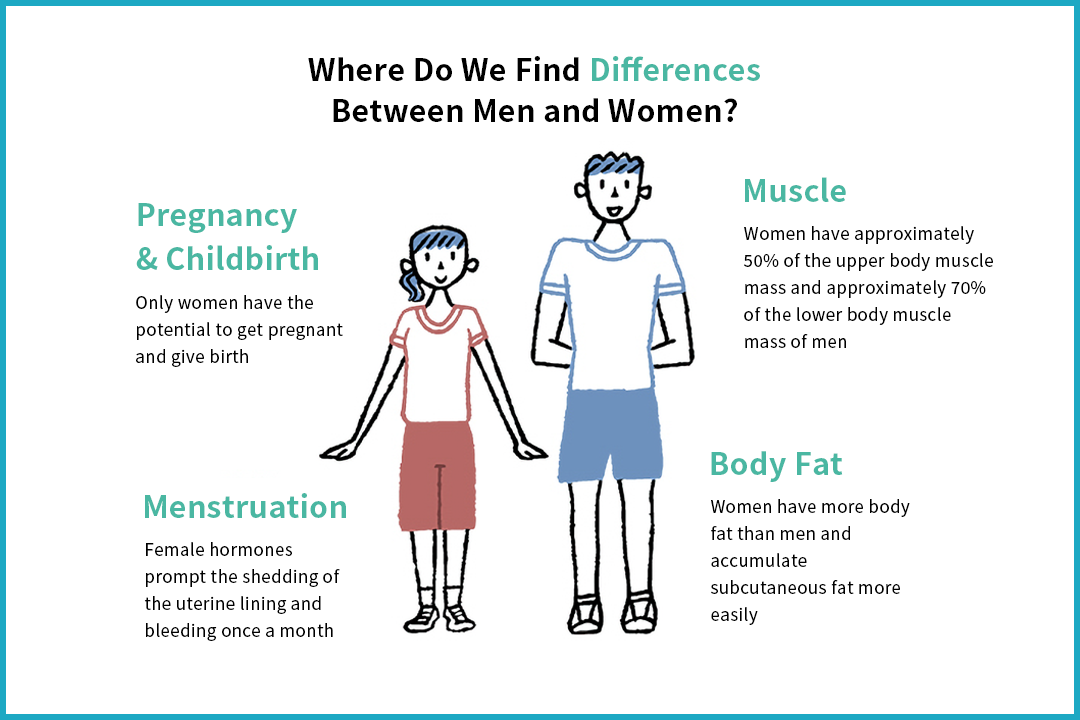
The age-old question of why men are often perceived as being hornier than women has sparked heated debates and discussions across various fields, from biology and psychology to sociology and anthropology. At the core of this inquiry lies a complex interplay of factors, including hormonal differences, brain chemistry, and evolutionary pressures. Understanding these elements is crucial for grasping the fundamental mechanisms that drive human sexuality and behavior. The basis of this difference can be traced back to the distinct ways in which males and females experience and express libido, influenced by a combination of testosterone levels, social conditioning, and biological imperatives.
The interplay of biology and environmental factors further complicates the discussion. While biological predispositions set the stage for differences in libido, societal norms, personal experiences, and relationship dynamics can significantly impact how these differences manifest in individual behavior. For instance, social expectations around masculinity and femininity can influence how men and women express and prioritize their sexual desires, leading to a complex landscape of sexual expression that cannot be simplified to mere biological or hormonal explanations.
Must Read
- Heart Of Mexico City Football: Pinpointing The Azteca Stadium Location
- Guadalajara Stadium Parking Guide: Avoid The Matchday Traffic
- Houston Stadium Bag Policy: Clear Bag Rules For Visitors
- Sofi Stadium Capacity: How Many Fans It Can Hold
- Reliant Stadium Parking: A Guide To The Old Name And Current Venue
Biological and Chemical Underpinnings
Diving deeper into the biological and chemical underpinnings of human sexuality reveals a multifaceted system. The hypothalamic-pituitary-gonadal (HPG) axis is crucial in regulating sex hormone production, which in turn affects libido. In men, the HPG axis supports the production of testosterone, which is essential for sexual function and spermatogenesis. In women, the balance between estrogen and progesterone influences sexual desire and arousal, though the relationship is more complex and less directly tied to libido than in men.
The role of neurotransmitters such as dopamine, serotonin, and oxytocin cannot be overstated. These chemicals mediate pleasure, mood regulation, and bonding, all of which are integral to the sexual experience. Variations in the levels and activities of these neurotransmitters can significantly impact sexual desire and function, highlighting the intricate relationship between biology and psychological factors in human sexuality.
Furthermore, evolutionary perspectives offer insights into why differences in libido might exist. From an evolutionary standpoint, the reproductive strategies of men and women have been shaped by different selective pressures. Men, with their potentially limitless sperm production, may have evolved to prioritize quantity over quality in terms of mating opportunities, which could manifest as a higher sexual drive. In contrast, women, with their limited egg supply and significant energetic investment in pregnancy and childcare, might be more inclined towards selectivity and quality over quantity, influencing their sexual behavior and desire.

Strategies for Optimization
For individuals seeking to understand and potentially modify their libido, several strategies can be employed. First, awareness of hormonal influences is key. Understanding the role of testosterone and other sex hormones in regulating libido can help individuals make informed decisions about their health and sexual well-being. This might include hormone testing or considering hormone replacement therapy under the guidance of a healthcare professional.
Second, lifestyle modifications can significantly impact libido. Regular exercise, a balanced diet, adequate sleep, and stress management techniques such as meditation or yoga can enhance sexual function and desire. Additionally, open communication with one's partner about sexual needs and desires can foster a more satisfying and fulfilling sexual relationship.
Third, mindfulness and self-reflection are valuable tools. Understanding one's own sexual identity, desires, and boundaries can help in navigating sexual relationships and decisions. This self-awareness, combined with emotional intelligence and empathy, can lead to more authentic and fulfilling sexual experiences.
Lastly, education and awareness about sexual health and the factors influencing libido are essential. Dispelling myths and stereotypes surrounding male and female sexuality can help individuals develop a more nuanced understanding of human sexual diversity and promote healthier attitudes towards sex and relationships.
Frequently Asked Questions
What role does testosterone play in libido, and how can it be managed?
Testosterone is a critical hormone in the regulation of libido in both men and women. In men, low testosterone levels can lead to decreased sexual desire and erectile dysfunction. Management strategies include hormone replacement therapy, lifestyle changes such as increased exercise and weight loss, and addressing underlying health conditions that may be contributing to low testosterone levels.
In women, the role of testosterone in libido is less straightforward but still significant. Women with hypoactive sexual desire disorder (HSDD) may benefit from testosterone therapy, though this approach should be carefully considered and monitored due to potential side effects. Additionally, non-hormonal treatments and psychological therapies can be effective in managing low libido in women, emphasizing the importance of a holistic approach to sexual health.
How do societal expectations influence the expression of libido in men and women?
Societal expectations and cultural norms significantly impact how men and women express their sexual desires. Traditional masculinity ideals often emphasize high sexual drive and aggression, while femininity is frequently associated with modesty and restraint. These expectations can lead to pressures on individuals to conform to certain sexual roles, potentially stifling authentic expression of sexual desire and contributing to dissatisfaction in sexual relationships.
Challenging these stereotypes and fostering a more inclusive and accepting environment for sexual expression is crucial. This can involve education and awareness campaigns to promote sexual literacy and combat sexism and gender discrimination. By encouraging open dialogue and empathy, individuals can work towards creating a society that values and respects the diversity of human sexual experience.

What is the impact of age on libido, and how can it be maintained as one gets older?
Aging naturally affects libido in both men and women, though the impact can be managed and mitigated. In men, age-related declines in testosterone can lead to decreased sexual desire and erectile function. Women may experience vaginal dryness and decreased sexual desire due to menopause and the associated drop in estrogen levels.
To maintain libido with age, it's essential to adopt healthy lifestyle habits, including regular exercise, a balanced diet, and stress management. Open communication with one's partner about changing sexual needs and desires is also vital. Additionally, medical interventions such as
How does relationships dynamics impact libido, and what strategies can couples use to maintain a healthy and fulfilling sex life?
Relationship dynamics play a significant role in libido, as the quality of the relationship and communication between partners can greatly affect sexual desire and satisfaction. Couples can employ several strategies to maintain a healthy and fulfilling sex life, including regular date nights, open and honest communication about sexual needs and desires, and engaging in activities that promote intimacy and connection.
Emotional intimacy, built through trust, vulnerability, and mutual respect, is foundational to a satisfying sexual relationship. Couples should also prioritize sexual exploration and adventure, trying new experiences and activities together to keep the relationship fresh and exciting. By combining emotional connection with physical intimacy, couples can foster a deeply fulfilling and lasting sexual relationship.
What role does mental health play in libido, and how can mental health issues be addressed to improve sexual well-being?
Mental health is intricately linked with libido, as conditions such as depression, anxiety, and trauma can significantly impact sexual desire and function. Addressing mental health issues is crucial for improving sexual well-being. This can involve therapy, such as cognitive-behavioral therapy (CBT) or sex therapy, to work through psychological barriers to sexual desire and satisfaction.
In addition to therapy, self-care practices such as mindfulness, exercise, and social connection can help manage mental health and promote sexual health. It's also important to recognize the interplay between mental and physical health and to address any physical health issues that may be affecting libido, such as chronic pain or sleep disorders. By prioritizing holistic well-being, individuals can work towards achieving a healthier and more fulfilling sex life.
By embracing the complexities of human sexuality and recognizing the multifaceted nature of libido, individuals can take empowering steps towards optimizing their sexual health and well-being. This involves a combination of self-awareness, education, and open communication, alongside a willingness to challenge societal norms and stereotypes that may constrain authentic sexual expression. Through this holistic approach, individuals can foster deeper connections, greater intimacy, and a more fulfilling sexual experience, leading to enhanced overall well-being and life satisfaction.
Ultimately, the journey towards understanding and optimizing libido is highly personal and unique to each individual. It requires patience, self-compassion, and a commitment to exploration and learning. By respecting the science behind human sexuality and acknowledging the intricate interplay of biological, psychological, and sociological factors, individuals can navigate their sexual lives with greater clarity, confidence, and fulfillment, leading to a more authentic and empowered expression of their sexuality.