Dominant Submissive Relationship Explained

The concept of a dominant submissive relationship is often shrouded in mystery and misconceptions. However, when explored through the lens of science and biology, it reveals a complex interplay of neurotransmitters, psychological dynamics, and hormonal responses. At its core, a dominant submissive relationship is a power exchange dynamic where one partner, the dominant, takes on a leadership role, while the other partner, the submissive, relinquishes control. This dynamic can be observed in various aspects of life, from animal behavior to human social structures.
Research in psychology and neuroscience suggests that this power exchange is rooted in the brain's reward system, which releases dopamine and endorphins in response to social hierarchy and power dynamics. This can lead to feelings of euphoria and attachment between partners. Furthermore, the polyvagal theory explains how our autonomic nervous system responds to social cues, influencing our behavior and emotional responses in dominant submissive relationships.
Understanding the science behind dominant submissive relationships can help individuals navigate these dynamics more effectively. By recognizing the biological and psychological factors at play, partners can work together to create a more harmonious and fulfilling relationship. This involves open communication, boundary setting, and a deep understanding of each other's needs and desires. By doing so, partners can harness the transformative power of dominant submissive relationships to enhance their emotional and psychological well-being.
Must Read
The Science of Dominant Submissive Relationships
Dominant submissive relationships are often characterized by a power imbalance, where the dominant partner has more control and authority. However, this dynamic is not just limited to romantic relationships. It can be observed in workplace hierarchies, social structures, and even animal behavior. Research in ethology has shown that dominance hierarchies are present in many animal species, where dominant individuals have priority access to resources and mating opportunities.
The neurobiology of dominant submissive relationships is complex and involves the interplay of multiple neurotransmitters and hormones. The release of oxytocin and vasopressin has been linked to social bonding and attachment, while the production of testosterone and cortisol is associated with dominance and stress responses. Understanding these biological mechanisms can help partners navigate the complexities of dominant submissive relationships and create a more harmonious dynamic.

In addition to the neurobiological factors, dominant submissive relationships are also influenced by psychological and social factors. The attachment theory explains how our early relationships with caregivers influence our attachment style and relationship dynamics in adulthood. Furthermore, the social learning theory suggests that we learn behavioral patterns and relationship scripts through observation and reinforcement. By recognizing these factors, partners can work to create a more fulfilling and healthy dynamic.
Optimizing Dominant Submissive Relationships
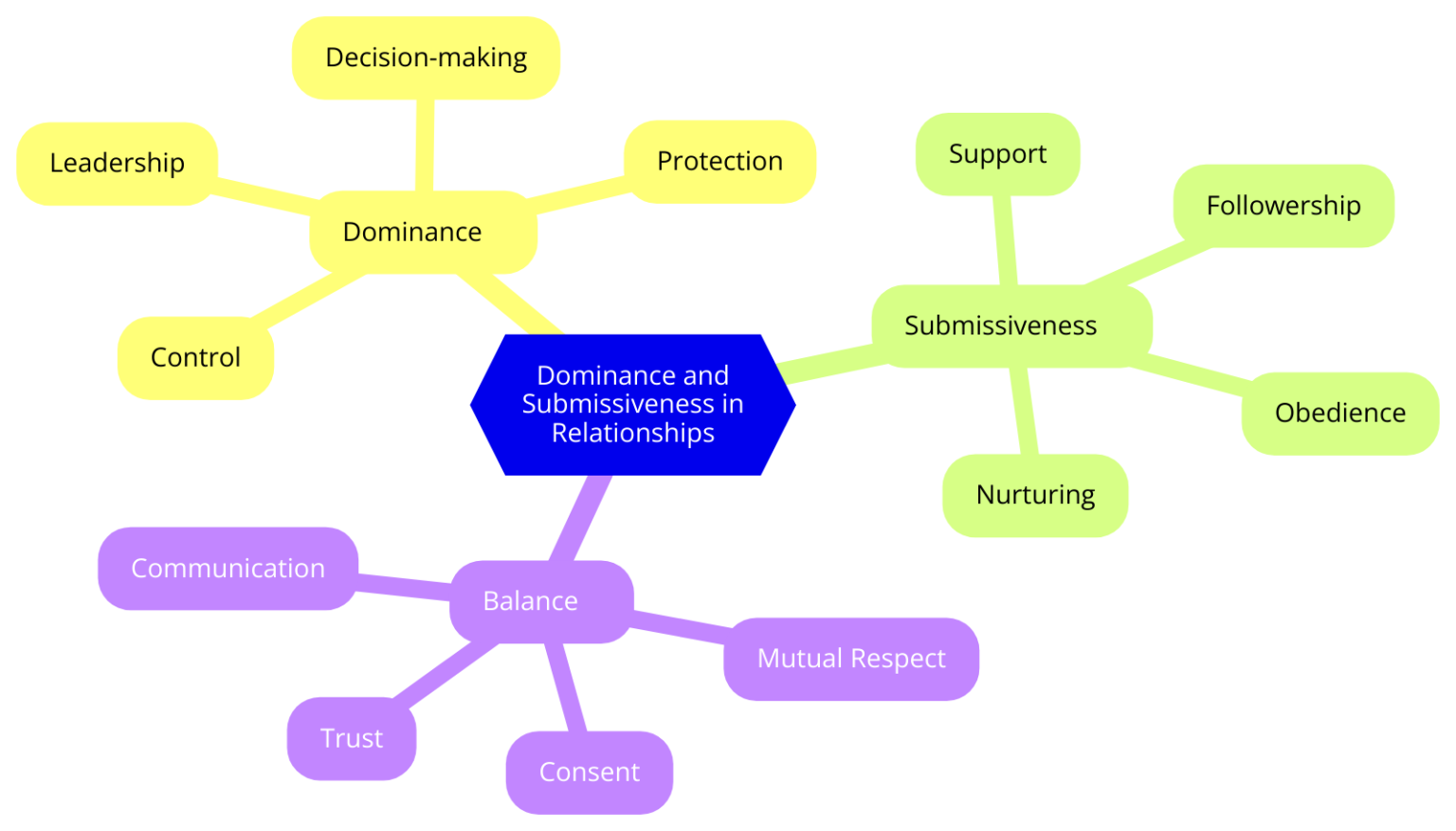
Optimizing dominant submissive relationships requires a deep understanding of the power dynamics at play. Partners can use communication strategies such as active listening and assertive expression to navigate conflicts and boundary setting. Additionally, safe words and check-ins can help ensure that both partners are comfortable and consenting to the power exchange.
Partners can also use life hacks such as schedule planning and task delegation to create a more efficient and harmonious dynamic. By outsourcing and delegating tasks, partners can free up more time for intimacy and connection. Furthermore, self-care and self-reflection can help partners maintain their individual identity and autonomy within the relationship.

Another key aspect of optimizing dominant submissive relationships is negotiation and compromise. Partners can use collaborative problem-solving and empathy to find solutions that meet both partners' needs and desires. By prioritizing mutual respect and trust, partners can create a more stable and fulfilling dynamic.
Finally, partners can use technology and online resources to enhance their dominant submissive relationship. Communication apps and online forums can provide a safe space for partners to connect and share their experiences. Additionally, educational resources and workshops can help partners learn new skills and strategies for navigating the power exchange.
Frequently Asked Questions
What is the difference between a dominant submissive relationship and an abusive relationship?
A dominant submissive relationship is a consensual power exchange dynamic, whereas an abusive relationship is characterized by coercion and manipulation. In a dominant submissive relationship, both partners have agency and autonomy, and the power exchange is negotiated and consensual. In contrast, an abusive relationship involves a power imbalance where one partner has control over the other through manipulation or coercion.

To distinguish between a dominant submissive relationship and an abusive relationship, partners can look for red flags such as gaslighting, emotional manipulation, and isolation. If a partner feels trapped or uncomfortable in the relationship, it may be a sign of abuse. In contrast, a healthy dominant submissive relationship prioritizes mutual respect, trust, and communication.
How can I communicate my desires and boundaries to my partner?
Effective communication is key to navigating a dominant submissive relationship. Partners can use open-ended questions and active listening to ensure that both partners are on the same page. It's essential to express desires and boundaries clearly and assertively, using "I" statements instead of "you" statements. This helps to avoid blame and defensiveness and promotes a more constructive and respectful dialogue.
Partners can also use non-verbal cues such as body language and eye contact to communicate their desires and boundaries. By paying attention to these cues, partners can pick up on subtle signals and adjust their behavior accordingly. Additionally, scheduling regular check-ins and reviewing boundaries can help ensure that both partners are comfortable and consenting to the power exchange.
What are some common mistakes to avoid in a dominant submissive relationship?
One common mistake is assuming that the dominant partner has all the control and the submissive partner has none. In reality, both partners have agency and autonomy, and the power exchange is negotiated and consensual. Another mistake is neglecting to communicate desires and boundaries clearly, which can lead to mismatches and conflict.
To avoid these mistakes, partners can prioritize open communication and mutual respect. By expressing desires and boundaries clearly and assertively, partners can create a more harmonious and fulfilling dynamic. Additionally, practicing empathy and active listening can help partners navigate conflicts and challenges in a more constructive and respectful way.
How can I ensure that my dominant submissive relationship is healthy and fulfilling?
A healthy dominant submissive relationship prioritizes mutual respect, trust, and communication. Partners can ensure that their relationship is healthy and fulfilling by practicing self-care and self-reflection, and by communicating their desires and boundaries clearly. It's also essential to establish clear boundaries and respect each other's autonomy and agency.

Partners can also use constructive feedback and open communication to address any conflicts or challenges that arise. By prioritizing emotional intelligence and empathy, partners can create a more harmonious and fulfilling dynamic. Additionally, scheduling regular check-ins and reviewing boundaries can help ensure that both partners are comfortable and consenting to the power exchange.
What are some resources available for individuals interested in exploring dominant submissive relationships?
There are many resources available for individuals interested in exploring dominant submissive relationships. Online forums and support groups can provide a safe space for individuals to connect and share their experiences. Additionally, educational resources and workshops can help individuals learn new skills and strategies for navigating the power exchange.
Partners can also use books and articles to learn more about dominant submissive relationships and how to navigate the power exchange. By seeking out reputable sources and expert advice, individuals can ensure that they are informed and prepared to navigate the complexities of dominant submissive relationships. Furthermore, professional counseling and therapy can provide a safe and supportive environment for individuals to explore their desires and boundaries.
By respecting the science behind dominant submissive relationships, individuals can create a more harmonious and fulfilling dynamic. By understanding the biological and psychological factors at play, partners can work together to optimize their relationship and create a more efficient and effective power exchange. This involves prioritizing open communication, mutual respect, and trust, and being willing to learn and adapt as the relationship evolves.
Ultimately, dominant submissive relationships offer a unique opportunity for growth, self-discovery, and intimacy. By embracing the science behind these relationships, individuals can unlock their full potential and create a more fulfilling and meaningful connection with their partner. Whether through communication strategies, boundary setting, or self-care, the key to a successful dominant submissive relationship is mutual respect, trust, and a willingness to learn and grow together.