What Education Is Needed To Become A Funeral Director

The profession of a funeral director, also known as a mortician or undertaker, has a long and fascinating history that spans thousands of years. The earliest recorded evidence of funeral directing dates back to ancient Egypt around 3000 BC, where elaborate funeral rituals and ceremonies were performed to honor the dead. The role of the funeral director was not only to prepare the body for burial but also to guide the grieving family through the mourning process. As civilizations evolved, so did the profession, with the ancient Greeks and Romans developing more sophisticated funeral practices.
In the mid-19th century, the modern funeral industry began to take shape, with the establishment of the first funeral homes and the development of embalming techniques. The National Funeral Directors Association (NFDA) was founded in 1882, providing a platform for funeral directors to share knowledge, resources, and best practices. As the profession continued to evolve, funeral directors began to play a more significant role in supporting families during their time of grief, offering counseling services, and coordinating funeral arrangements.
Despite its importance, the profession of funeral directing has often been shrouded in mystery and misconception. Many people view funeral directors as simply preparing bodies for burial, without realizing the complexity and emotional demands of the job. However, funeral directors are highly trained professionals who require a unique blend of technical, business, and interpersonal skills to perform their duties effectively. As we explore the education required to become a funeral director, we will delve into the historical background, major transformations, and modern developments that have shaped this profession.
The Evolution of Funeral Directing Education
In the past, funeral directing was often learned through apprenticeships or on-the-job training. However, with the increasing complexity of funeral practices and the need for standardized training, formal education programs began to emerge. The first funeral service education program was established at Clarkson University in 1922, marking a significant milestone in the development of formal funeral directing education. Today, there are over 60 accredited funeral service programs in the United States, offering associate's or bachelor's degrees in funeral service or mortuary science.
These programs typically include coursework in subjects such as anatomy, embalming, funeral directing, and business management. Students also gain practical experience through internships or clinical rotations, where they work under the supervision of licensed funeral directors. The National Board Exam is a critical component of funeral directing education, as it assesses a student's knowledge and competence in areas such as funeral directing, embalming, and funeral home management.

Despite the advancements in funeral directing education, there are still many vintage facts and bizarre practices that are often overlooked. For example, in the early 20th century, funeral directors were often responsible for creating elaborate funeral displays, including wax figures and other ornaments. Additionally, the use of arsenic-based embalming fluids was common practice until the 1960s, when safer alternatives were developed.
The 1970s and 1980s saw significant changes in the funeral industry, with the rise of cremation and the increasing popularity of memorial services. Funeral directors had to adapt to these changing trends, developing new skills and expertise to meet the evolving needs of families. The NFDA played a critical role in promoting these changes, providing education and training programs for funeral directors to stay up-to-date with the latest developments.
Modernizing Funeral Directing Education
As the funeral industry continues to evolve, funeral directing education must also adapt to meet the changing needs of families and the profession. The integration of technology is one area where funeral directing education is being modernized. Many funeral service programs now incorporate online courses, digital textbooks, and social media platforms to enhance student learning and engagement. Additionally, the use of virtual reality and simulation-based training is becoming more prevalent, allowing students to practice and develop their skills in a safe and controlled environment.
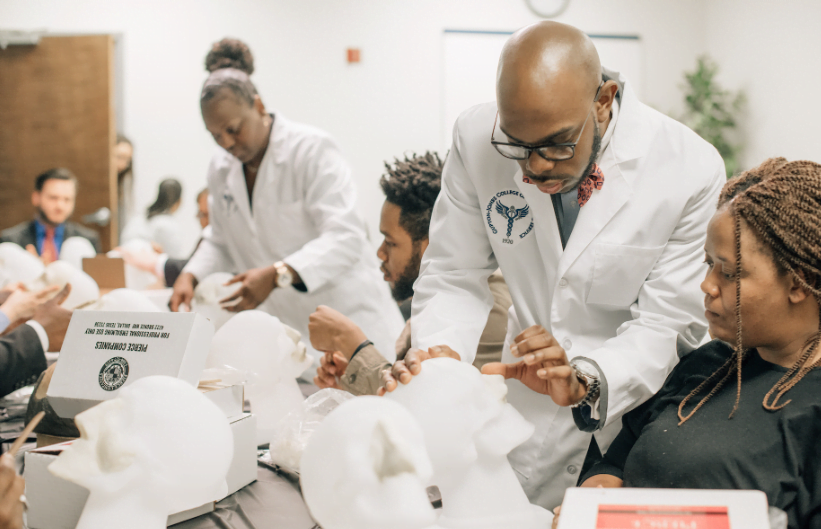
Another area of innovation in funeral directing education is the focus on death care and bereavement support. As the funeral industry shifts towards a more holistic approach to death care, funeral directors are being trained to provide emotional support and counseling services to families. This includes developing skills in areas such as grief counseling, family dynamics, and community outreach. By emphasizing the importance of death care and bereavement support, funeral directing education is becoming more comprehensive and responsive to the needs of families.
Frequently Asked Questions
What are the typical requirements for becoming a licensed funeral director?
To become a licensed funeral director, one must typically complete a minimum of an associate's degree in funeral service or mortuary science from an accredited program. The program must include coursework in subjects such as anatomy, embalming, funeral directing, and business management. Additionally, students must complete a certain number of hours of clinical training or internship, where they work under the supervision of a licensed funeral director. The National Board Exam is also a critical component of the licensure process, as it assesses a student's knowledge and competence in areas such as funeral directing, embalming, and funeral home management.
After completing the educational requirements, aspiring funeral directors must also meet the state-specific licensure requirements, which may include passing a state board exam or completing a certain number of hours of continuing education. The NFDA provides resources and guidance for funeral directors to navigate the licensure process and maintain their professional credentials. By combining formal education with clinical training and licensure, funeral directors can develop the skills and expertise needed to provide compassionate and professional care to families.

How has the role of the funeral director changed over time?
The role of the funeral director has undergone significant changes over the centuries, reflecting shifting societal values, technological advancements, and evolving funeral practices. In ancient times, funeral directors were often responsible for performing elaborate funeral rituals and ceremonies, which were believed to ensure the deceased person's safe passage into the afterlife. As civilizations evolved, the role of the funeral director expanded to include tasks such as preparing the body for burial, coordinating funeral arrangements, and providing emotional support to families.
In the modern era, the role of the funeral director has continued to evolve, with a growing emphasis on providing personalized and meaningful funeral experiences for families. This includes developing skills in areas such as grief counseling, family dynamics, and community outreach. Funeral directors must also stay up-to-date with the latest developments in funeral practices, including the use of technology, social media, and sustainable funeral options. By adapting to these changing trends and needs, funeral directors can provide compassionate and professional care to families, while also contributing to the ongoing evolution of the funeral industry.
What are the future prospects for funeral directing as a profession?
The future prospects for funeral directing as a profession are promising, with the Bureau of Labor Statistics predicting a 4% growth in employment opportunities from 2020 to 2030. This growth is driven by an aging population, increasing demand for funeral services, and the need for skilled professionals to provide compassionate and personalized care to families. Additionally, the funeral industry is becoming more diverse, with a growing emphasis on cultural and religious sensitivity, making it an attractive career option for individuals from diverse backgrounds.

As the funeral industry continues to evolve, funeral directors will need to develop new skills and expertise to meet the changing needs of families. This includes staying up-to-date with the latest developments in funeral practices, technology, and bereavement support. The NFDA and other professional organizations will play a critical role in promoting the profession, providing education and training programs, and advocating for the interests of funeral directors. By embracing these changes and opportunities, funeral directors can build a rewarding and sustainable career, while also contributing to the ongoing evolution of the funeral industry.
As we reflect on the future of funeral directing, it is clear that this profession will continue to play a vital role in supporting families during their time of grief. With the integration of technology, focus on death care and bereavement support, and growing emphasis on cultural and religious sensitivity, funeral directing is poised to become an even more compassionate and personalized profession. As we look to the next 20 years, it is likely that funeral directors will be at the forefront of innovation, using their skills and expertise to create new and meaningful funeral experiences for families.
In the next 20 years, funeral directing will likely undergo significant transformations, driven by technological advancements, shifting societal values, and evolving funeral practices. The use of virtual reality and simulation-based training will become more prevalent, allowing students to practice and develop their skills in a safe and controlled environment. Additionally, the integration of artificial intelligence and machine learning will enhance the funeral planning process, enabling families to create personalized and meaningful funeral experiences. As the funeral industry continues to evolve, funeral directors will need to adapt and innovate, developing new skills and expertise to meet the changing needs of families and the profession.