What Are The Dimensions For International Carry On Luggage
As we navigate the complex world of air travel, one crucial aspect often overlooked until the last minute is the humble carry-on luggage. Its dimensions, in particular, can make or break our travel experience, transforming what should be a seamless journey into a stress-filled ordeal. The history of carry-on luggage is as old as commercial aviation itself, with its dimensions evolving over the years to accommodate changing aircraft designs, security regulations, and passenger needs. Today, understanding the dimensions for international carry-on luggage is not just a matter of convenience; it's a requirement for any savvy traveler aiming to avoid the chaos of checked baggage and the financial burden of extra fees.
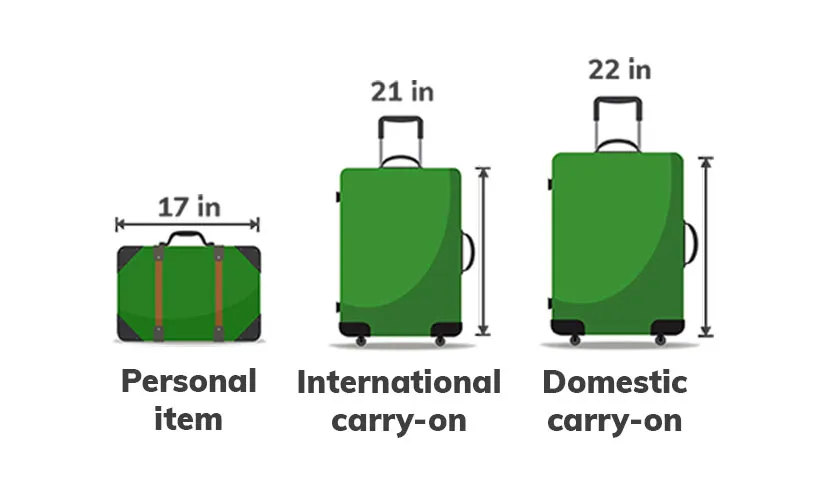
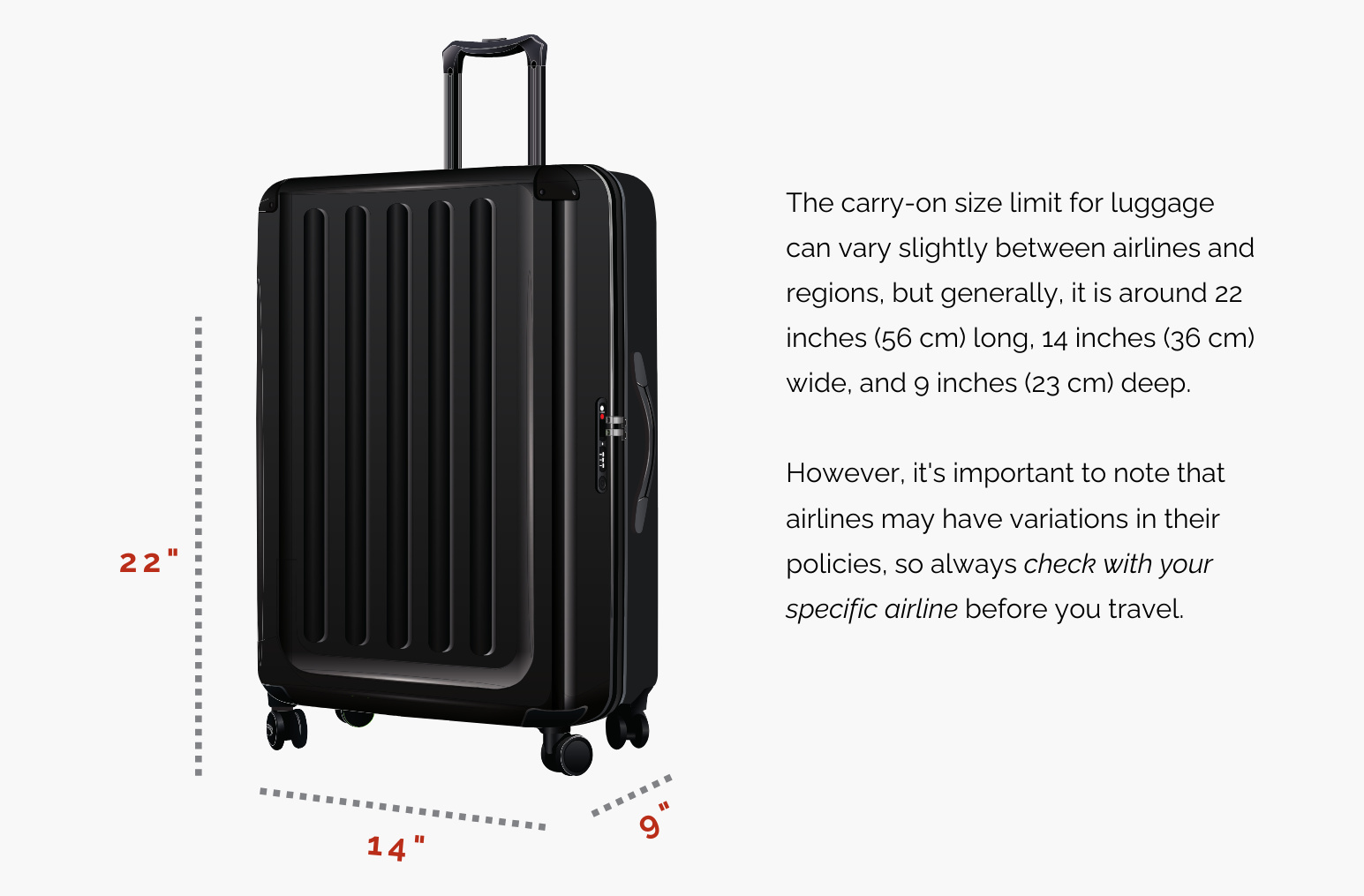
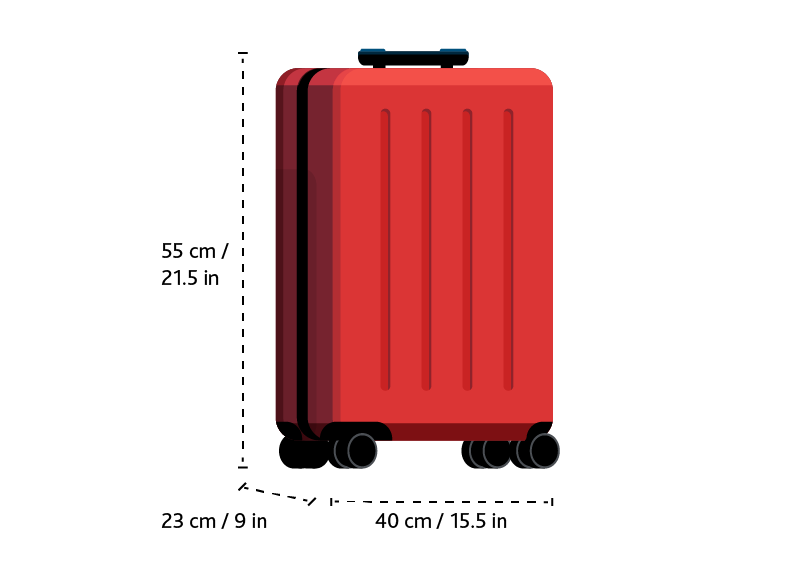
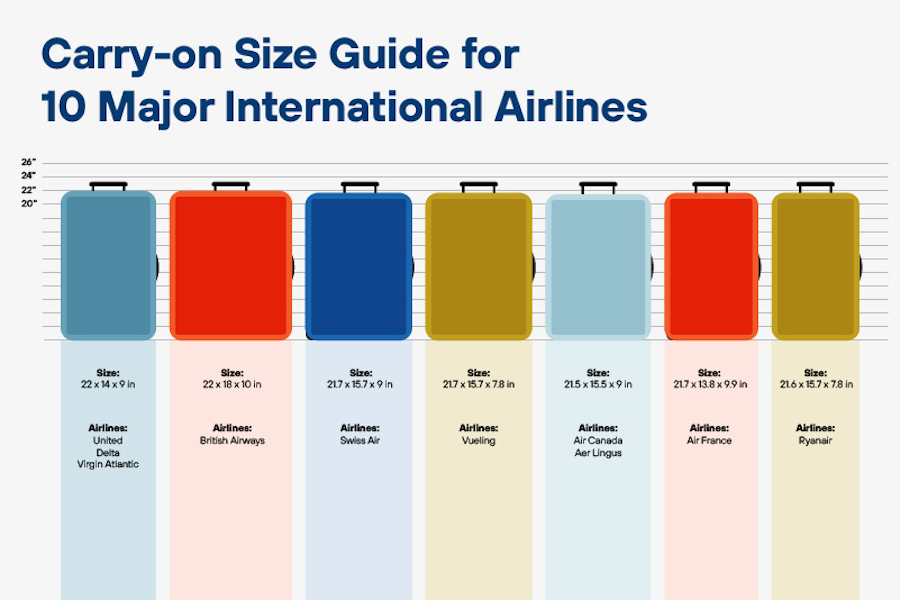
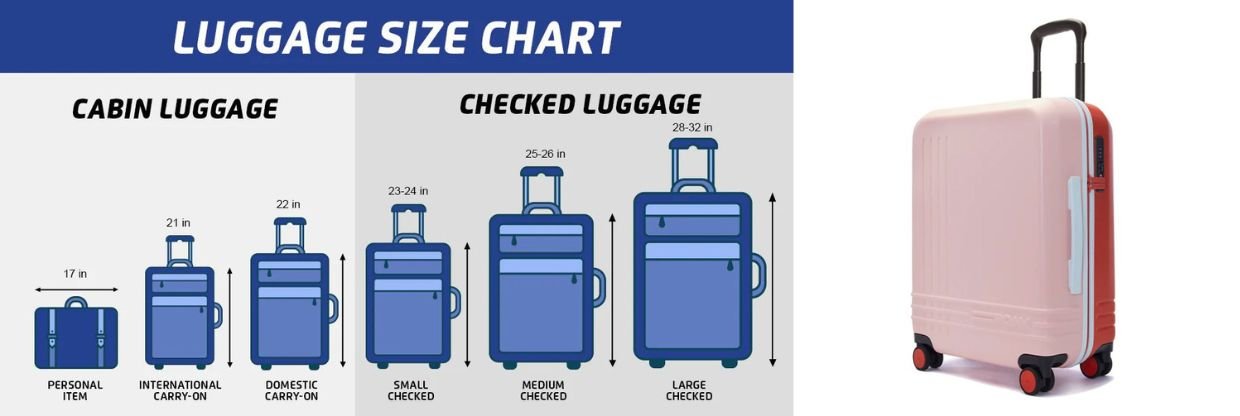
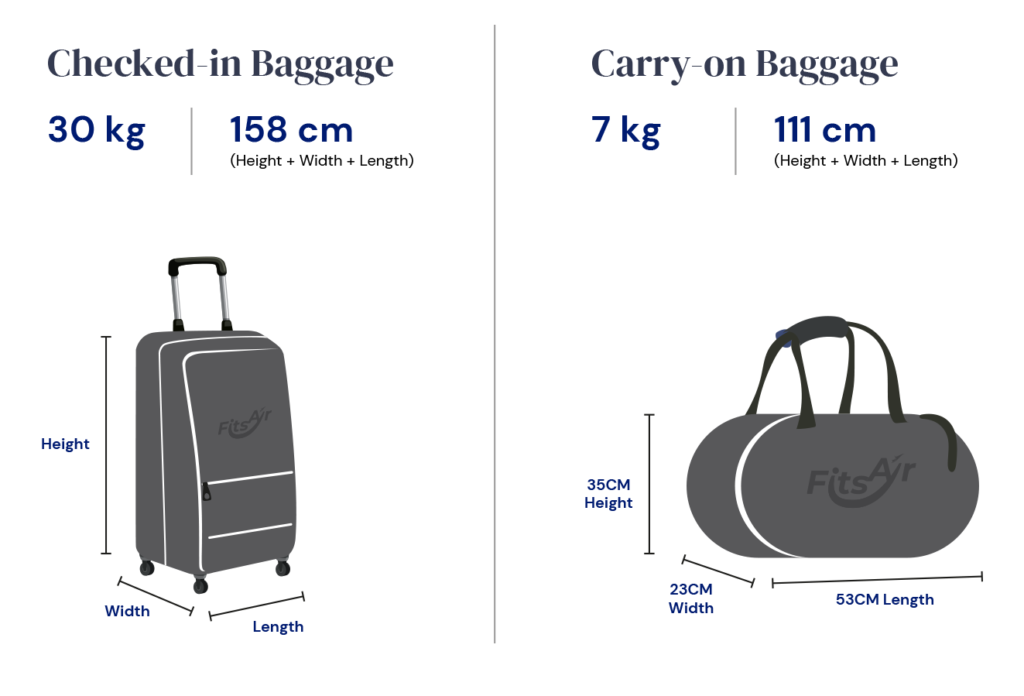
The concept of carry-on luggage has its roots in the early days of flight, when passengers would carry small bags or briefcases with them into the cabin. As air travel became more accessible and security concerns heightened, especially post-9/11, the need for standardized carry-on luggage dimensions became apparent. Airlines, in collaboration with regulatory bodies, established guidelines to ensure that carry-on bags fit in the overhead compartments or under the seats, facilitating smoother boarding and deplaning processes. These guidelines vary slightly from one airline to another, but there's a general consensus on the maximum dimensions for carry-on luggage, typically around 22 inches tall, 14 inches wide, and 9 inches deep. Understanding these dimensions is crucial for travelers looking to pack efficiently and avoid any last-minute surprises at the gate.
Understanding the Nuances
The psychological aspect of carry-on luggage dimensions cannot be underestimated. The process of packing and adhering to size constraints can be a stress-inducing activity, especially for those who pack at the last minute or have a tendency to overpack. The confines of a carry-on bag force travelers into a game of Tetris with their belongings, where every item must be carefully selected and placed to maximize space. This challenge, while frustrating, also presents an opportunity for travelers to embrace minimalism and reassess what they truly need for their journey. Moreover, the satisfaction of fitting all essentials into a compact bag can be incredibly fulfilling, reflecting a personal victory over the constraints of air travel.
Culturally, the concept of carry-on luggage dimensions intersects with broader themes of consumerism and sustainability. The rise of fast fashion and online shopping has led to an increase in travel for leisure and business, with many travelers opting to bring more items to accommodate different activities and outfits. However, this trend clashes with the growing awareness of environmental impact, where choices such as packing lightly can significantly reduce one's carbon footprint. Airlines and manufacturers have responded by introducing eco-friendly luggage options and advocating for more mindful packing practices. This shift underscores the evolving relationship between travelers, their belongings, and the environment, suggesting a future where conscious travel becomes the norm rather than the exception.
Real-world Applications and Scenarios
For the frequent traveler, understanding the dimensions of carry-on luggage is not just about avoiding fees; it's a strategic move to enhance their travel experience. By investing in luggage that meets the standard dimensions, travelers can ensure that their bags fit comfortably in the overhead bins or under the seat in front of them, reducing the risk of having to gate-check their bags. This is particularly important for those with tight connections or who are traveling with items that are sensitive to rough handling. Moreover, packing efficiently within these dimensions allows for quicker boarding and deplaning, contributing to a less stressful journey.
Case studies of travelers who have mastered the art of packing within carry-on dimensions showcase the benefits of being prepared. These individuals often report smoother travels, less worry about lost luggage, and more time to enjoy their journey or focus on work. On the flip side, stories of travelers who have failed to comply with carry-on dimensions serve as cautionary tales, highlighting the delays, additional costs, and frustration that can result from not acquainting oneself with airline policies. These scenarios emphasize the importance of pre-trip research and the value of investing in luggage that is airline-friendly.
For those looking to optimize their packing strategy, several actionable tips can make a significant difference. First, choose multi-purpose items that can serve more than one function, reducing the overall amount of luggage. Second, pack clothes that can be mixed and matched to create multiple outfits, minimizing the need for excessive clothing. Third, consider investing in packing cubes or organizers that can help maximize the space within your carry-on, ensuring that everything fits neatly and can be easily found. By adopting these strategies, travelers can transform their carry-on luggage into a tool for efficient travel, rather than a source of stress.
Lastly, the impact of carry-on luggage dimensions on business travel cannot be overlooked. Professionals often travel with laptops, documents, and other essentials that must be kept secure and accessible. Understanding the dimensions and packing accordingly allows business travelers to work efficiently on the go, without the hassle of checking bags or dealing with lost luggage. This aspect highlights the carry-on luggage as not just a personal item, but a critical tool for productivity in the modern, highly mobile workforce.
Frequently Asked Questions
What are the standard dimensions for international carry-on luggage?
The standard dimensions for carry-on luggage can vary slightly between airlines, but a common size is around 22 inches tall, 14 inches wide, and 9 inches deep. However, it's crucial to check with your specific airline, as some may have slightly different requirements. For instance, certain budget airlines might have more restrictive dimensions to accommodate their aircraft's storage capacity. Understanding these dimensions is key to avoiding any issues during check-in or boarding.
Checking ahead of time can save travelers a significant amount of stress and potential additional fees. Most airlines list their carry-on baggage size restrictions on their official websites or through their customer service channels. By being informed, travelers can make better decisions about what luggage to use and how to pack, ensuring a smoother journey from departure to arrival. This proactive approach also reflects a mindful travel practice, where preparation meets the desire for a hassle-free experience.

How do I measure my luggage to ensure it fits within the carry-on dimensions?
Measuring your luggage accurately is a straightforward process that requires a flexible measuring tape or a ruler. Start by measuring the height of your bag from its base to the top, including any handles or wheels. Next, measure the width, taking into account any protrusions or pockets that might add to the overall size. Finally, determine the depth by measuring from the front to the back of the bag. It's essential to include any external features in your measurements, as these can affect whether your bag fits in the overhead bin or under the seat.
For travelers who frequently fly with different airlines, investing in a luggage set that is designed to meet the standard carry-on dimensions can be a wise decision. These sets often include multiple bags of varying sizes, all of which are engineered to fit effortlessly in aircraft storage compartments. By having luggage that complies with most airlines' requirements, travelers can reduce their pre-flight anxiety and focus on more enjoyable aspects of their journey. Additionally, purchasing luggage from reputable brands can provide an added layer of durability and quality, ensuring that the investment in compliant luggage pays off over multiple trips.
Can I bring a personal item in addition to my carry-on luggage?
Most airlines allow passengers to bring one carry-on bag and one personal item on board, free of charge. Personal items can include handbags, briefcases, or backpacks, provided they fit under the seat in front of you or in the overhead bin. However, the size and type of personal item can vary between airlines, so it's always a good idea to check with your carrier before your flight. Some airlines might have specific requirements or restrictions on personal items, especially if you're flying in a premium class where storage space might be more generous.
The choice of personal item can greatly impact your travel experience. For instance, opting for a backpack as your personal item can provide ample space for essentials like your laptop, wallet, and travel documents, while keeping your hands free for other tasks. On the other hand, selecting a handbag or briefcase might offer a more stylish and professional look, ideal for business travelers or those heading to formal events. Regardless of the choice, ensuring that your personal item is practically sized and well-organized can enhance your overall travel efficiency and comfort.
How do different types of aircraft affect carry-on luggage dimensions?
The type of aircraft can significantly impact the carry-on luggage dimensions due to variations in overhead bin space and under-seat storage. For example, smaller regional jets might have more limited storage capacity compared to larger commercial airliners. Understanding the aircraft type can help travelers prepare accordingly, either by packing lighter or choosing luggage that is more compact. Additionally, some airlines might offer specific guidelines for different aircraft, so it's worth checking their website or consulting with their customer service.
For frequent travelers, flexibility is key when it comes to carry-on luggage. Being aware of the different aircraft types and their respective storage limitations allows travelers to adjust their packing strategy accordingly. This might involve packing essential items in a personal bag that can fit under the seat, ensuring access to critical belongings even on flights with restricted overhead bin space. By being adaptable and informed, travelers can navigate the complexities of air travel with ease, turning what could be a frustrating experience into a seamless and enjoyable journey.
What are the consequences of having carry-on luggage that exceeds the dimensions?
If your carry-on luggage exceeds the permitted dimensions, you might be required to gate-check your bag, which means it will be taken at the gate and placed in the cargo hold. This can lead to delays in receiving your luggage upon arrival and increases the risk of it being lost or damaged. In some cases, especially with budget airlines, excessively sized carry-on luggage might incur additional fees, which can be costly. It's also possible that you might be asked to check your bag at the check-in counter, which could result in waiting at the baggage claim area upon arrival, defeating the purpose of carrying on your luggage in the first place.
To avoid these consequences, planning ahead is essential. This includes measuring your luggage accurately, choosing the right size of carry-on bag, and packing efficiently to ensure everything fits within the permissible dimensions. Moreover, being mindful of the airline's policies regarding carry-on luggage can save travelers a lot of hassle. By taking these precautions, travelers can ensure that their carry-on luggage complements their travel plans rather than complicating them, leading to a more relaxed and enjoyable travel experience.

How can I ensure my carry-on luggage is secure and my belongings are safe during the flight?
Ensuring the security of your carry-on luggage and its contents involves several steps. First, choose a bag with sturdy zippers and secure compartments to protect your belongings from unauthorized access. Consider bags with TSA-approved locks for added security, especially if you plan to gate-check your bag or store it in an overhead bin where you can't keep a constant eye on it. Second, keep valuables close and consider packing them in a smaller, more secure bag that can be kept under the seat in front of you. Finally, be cautious of your surroundings and keep an eye on your luggage, especially in crowded areas of the airport or during boarding and deplaning.
In addition to these physical security measures, digital protection is also crucial in today's connected world. This includes keeping electronic devices secure with strong passwords and enabling features like Find My iPhone or similar tracking services on other devices, in case they are lost or stolen. By combining these strategies, travelers can significantly reduce the risk of theft or loss, protecting not just their luggage but also their personal and financial information, ensuring a safe and secure travel experience.
Reflections on Daily Life and Human Nature
The concept of carry-on luggage dimensions and our approached to it reveal interesting aspects of human nature and society. On one hand, the desire to pack lightly and efficiently speaks to our intrinsically practical side, where we seek to solve problems and navigate challenges with the least amount of fuss. On the other hand, the tendency to overpack or disregard size restrictions highlights our tendency towards excess and our attachment to material possessions. This dichotomy reflects broader themes in consumer culture and our personal relationships with belongings, travel, and freedom.
In our daily lives, the lessons learned from navigating carry-on luggage dimensions can be applied to other areas of organization and planning. The discipline required to pack within strict size limits can translate to improved skills in time management, budgeting, and decision-making. Furthermore, the process of selecting what to bring and what to leave behind can foster a greater sense of mindfulness and gratitude for the things that truly add value to our lives. By embracing these practices, we not only become better travelers but also more thoughtful and intentional individuals, capable of appreciating the beauty in simplicity and planning.
Ultimately, the humble carry-on bag, with its strict dimensions and packing challenges, serves as a microcosm for our approach to life's larger journeys. It reminds us of the importance of preparation, adaptability, and mindful decision-making. As we strive to fit our belongings into the confines of a carry-on, we are also navigating the complexities of our own desires, needs, and limitations. In this sense, understanding and working with carry-on luggage dimensions is not just about complying with airline regulations; it's about embracing a lifestyle of awareness, efficiency, and purpose, where every journey, whether across the globe or through our daily routines, becomes an opportunity for growth, learning, and exploration.