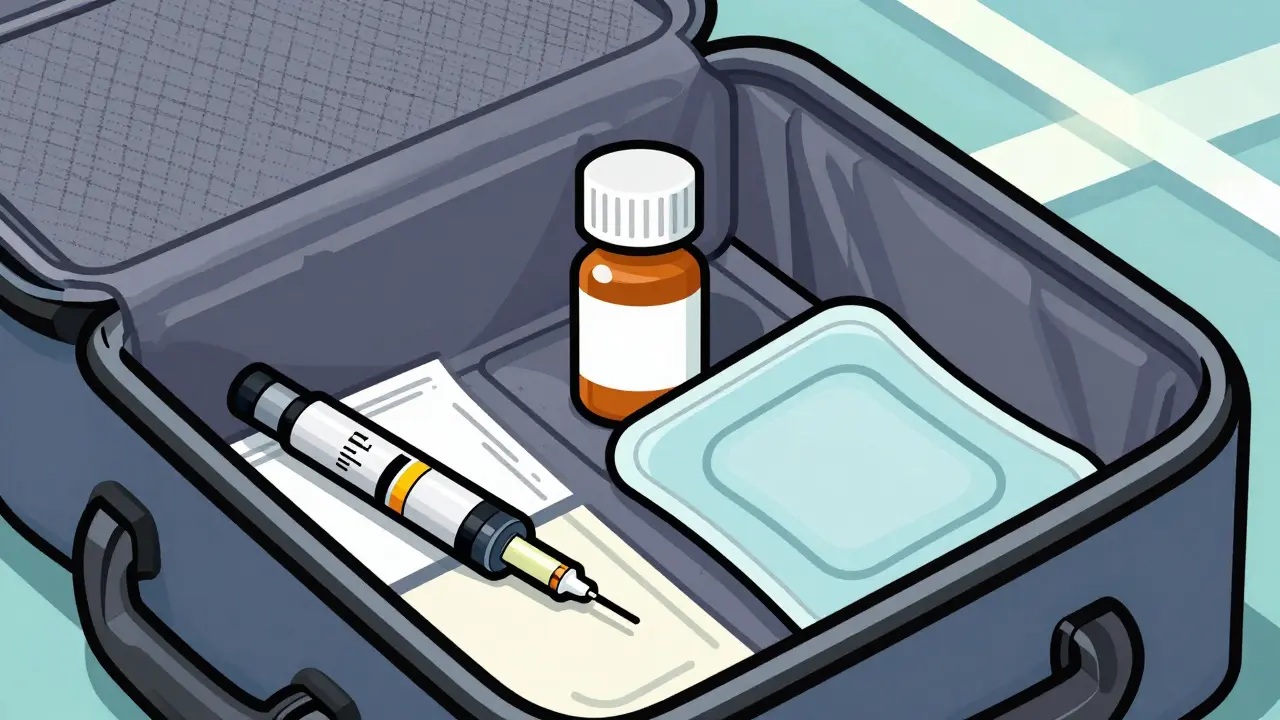
Tsa Guidelines For Carry On Medications
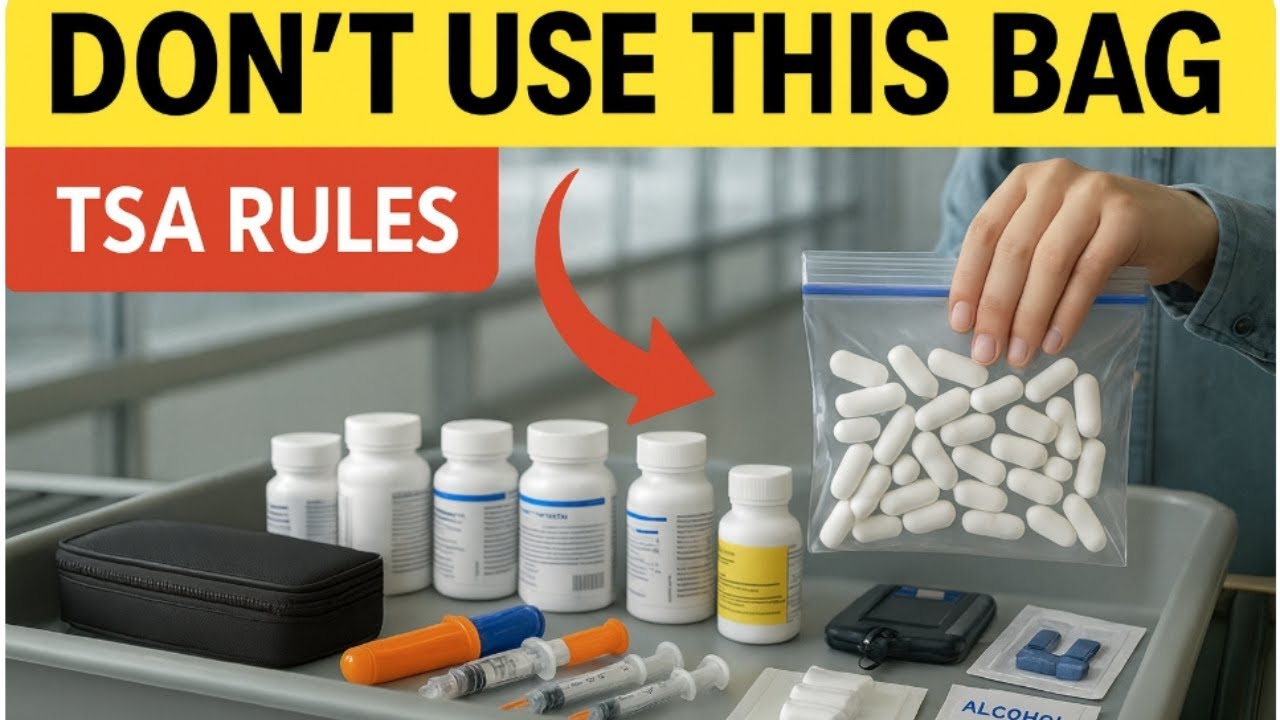
Let's face it, traveling can be a real pain, especially when it comes to carry-on medications. But don't worry, the Transportation Security Administration (TSA) has got your back! They have guidelines in place to make sure you can bring your necessary medications with you on the plane.
So, what are the TSA guidelines for carry-on medications? Well, for starters, you're allowed to bring medications and medical equipment in reasonable quantities exceeding 3.4 ounces in your carry-on bag. Just make sure to declare them at the security checkpoint and be prepared to show them to the TSA officer.
Medications in Carry-On Bags
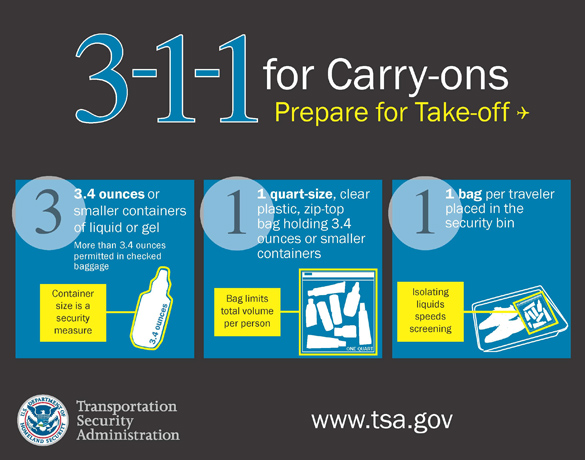
It's always better to be safe than sorry, especially when it comes to your health. The TSA allows passengers to carry medications, medical equipment, and supplies in their carry-on bags, but you need to follow the rules. You can bring liquids, gels, and aerosols in containers of 3.4 ounces or less, but if you need to bring more, just declare it and you'll be good to go.
Must Read
Some medications and medical equipment are exempt from the 3.4-ounce rule, like insulin, epinephrine auto-injectors, and breast milk. But you still need to declare them at the security checkpoint and be prepared to show them to the TSA officer. It's also a good idea to keep your medications in their original containers and bring a copy of your prescription or a letter from your doctor.
The TSA also has a Passenger Support Specialist (PSS) program, which provides additional support for passengers with medical conditions or disabilities. These specialists are trained to assist passengers with medical equipment and supplies and can help make the security process smoother. You can request a PSS when you book your flight or at the airport.

Preparing for Your Flight
Before you head to the airport, make sure to check the TSA website for the most up-to-date information on carry-on medications and medical equipment. You can also contact the TSA Cares helpline for more information and assistance. It's always a good idea to arrive early at the airport and give yourself plenty of time to get through security.
The TSA is there to help you, not hinder you, so don't be afraid to ask for help if you need it. They have a dedicated team of professionals who are trained to assist passengers with medical conditions and disabilities. With a little planning and preparation, you can breeze through security and make it to your gate with plenty of time to spare.
Remember, the TSA guidelines for carry-on medications are in place to keep you safe, not to inconvenience you. So, take a deep breath, relax, and let the TSA do their job. With their help, you can have a stress-free flight and arrive at your destination feeling happy and healthy.
Lastly, don't forget to check with your airline for their specific policies on carry-on medications and medical equipment. They may have additional requirements or restrictions, so it's always a good idea to check ahead of time. By following the TSA guidelines and being prepared, you can ensure a smooth and enjoyable flight for yourself and your fellow passengers.
So, the next time you're traveling with medications, don't stress, just follow the TSA guidelines and you'll be golden! With a little knowledge and preparation, you can navigate the security process like a pro and make it to your destination without any hiccups. Happy travels!
:max_bytes(150000):strip_icc()/taking-prescription-drugs-through-airport-security-2972595-v7-5b3b837046e0fb0037c41f94.png)