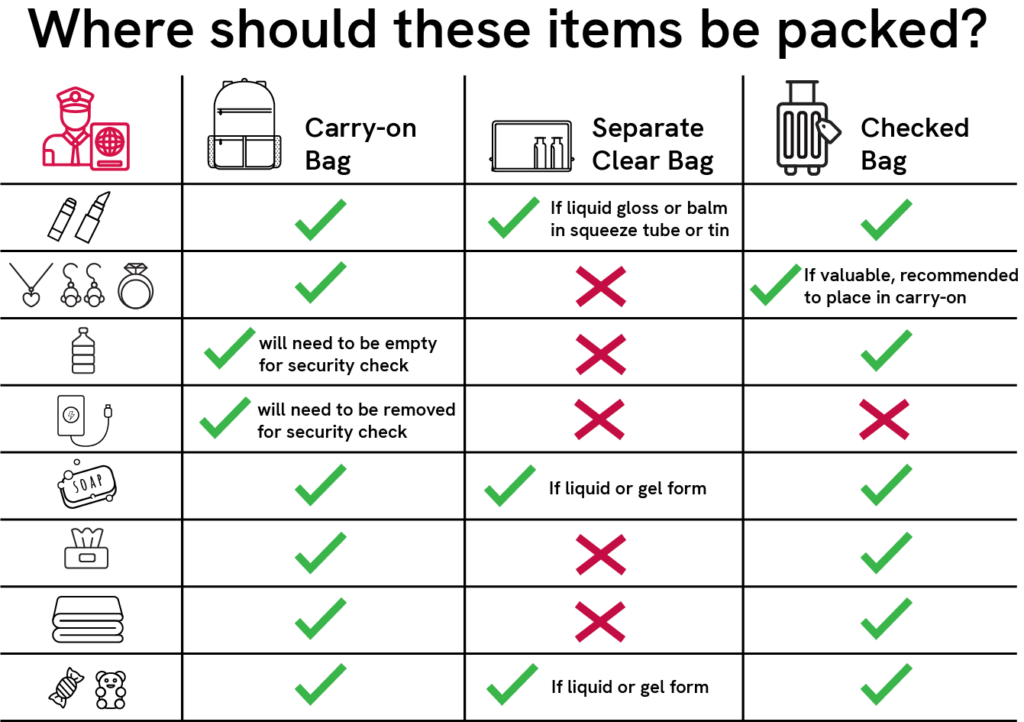
Tsa Guidelines For Carry On Items

As we navigate the complexities of modern air travel, it's easy to get caught up in the excitement of exploring new destinations and experiencing different cultures. However, before we can even reach our gate, we must first face the often-daunting task of navigating TSA guidelines for carry-on items. The Transportation Security Administration (TSA) has been overseeing the security of the nation's transportation systems since its inception in 2001, and its guidelines have become an integral part of the flying experience. But have you ever stopped to think about the history behind these guidelines and why they matter so much today?
The concept of airport security has been around for decades, but it wasn't until the events of September 11, 2001, that the TSA was formed and the rules for carry-on items became more stringent. Since then, the guidelines have continued to evolve, with updates and changes being made regularly to reflect new threats and technological advancements. As a result, it's more important than ever for travelers to stay informed about what is and isn't allowed in their carry-on bags. From liquids and gels to electronic devices, the list of restricted items can seem overwhelming, but understanding the reasoning behind these rules can make all the difference in ensuring a smooth and stress-free travel experience.
Understanding the Guidelines
One of the lesser-known facts about TSA guidelines is that they are designed to be flexible and adaptable. While the rules may seem rigid, they are actually designed to take into account the unique circumstances of each individual flight. For example, flights to certain destinations may have additional restrictions in place due to local laws or regulations. Additionally, the TSA also takes into account the time of year and any potential high-risk events that may be occurring. This means that even if you've flown with a particular item before, it's always a good idea to double-check the current guidelines before your next flight.
Must Read
Psychologically, the TSA guidelines can have a significant impact on our travel experience. The stress of navigating security checkpoints can be overwhelming, especially for those who are already anxious about flying. However, by understanding the reasoning behind the guidelines and taking steps to prepare in advance, travelers can help to mitigate this stress and make the experience more enjoyable. It's also worth noting that the TSA guidelines can have a cultural impact, with certain items being more or less restricted depending on the cultural context. For example, traditional clothing or accessories may be subject to additional screening or restrictions.
As we explore the world of TSA guidelines, it's hard not to think of the countless movies and TV shows that have featured airport security as a central plot point. From Meet the Parents to Home Alone, the anxious traveler navigating security checkpoints has become a cultural trope. But while these depictions may be humorous, they also highlight the very real challenges that travelers face when navigating the complex world of airport security. By understanding the guidelines and taking steps to prepare, we can all help to make the travel experience more enjoyable and stress-free.
Preparing for Your Flight
So, how can you prepare for your next flight and ensure that you're complying with the TSA guidelines for carry-on items? The first step is to check the TSA website for the most up-to-date information on restricted items. This will give you a comprehensive list of what is and isn't allowed in your carry-on bag. You can also use the TSA app to help you navigate the security process and get real-time updates on any changes to the guidelines. Additionally, it's a good idea to pack smart, using clear bags and organizing your items in a way that makes them easy to screen.
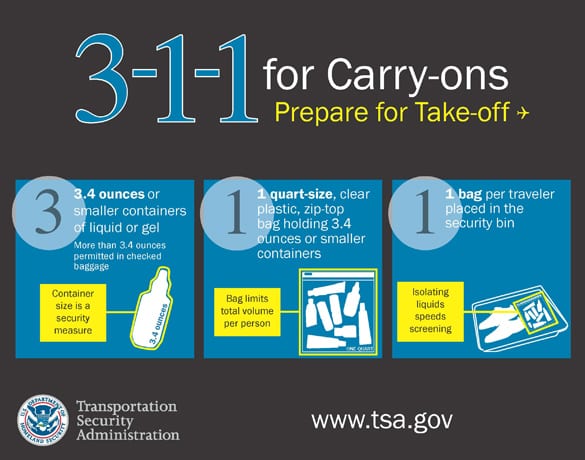
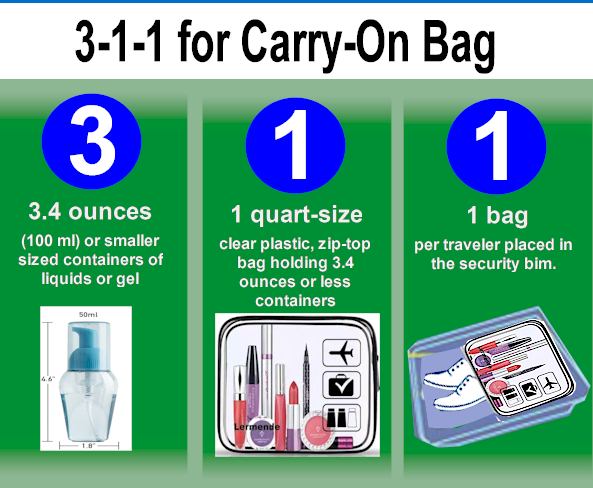
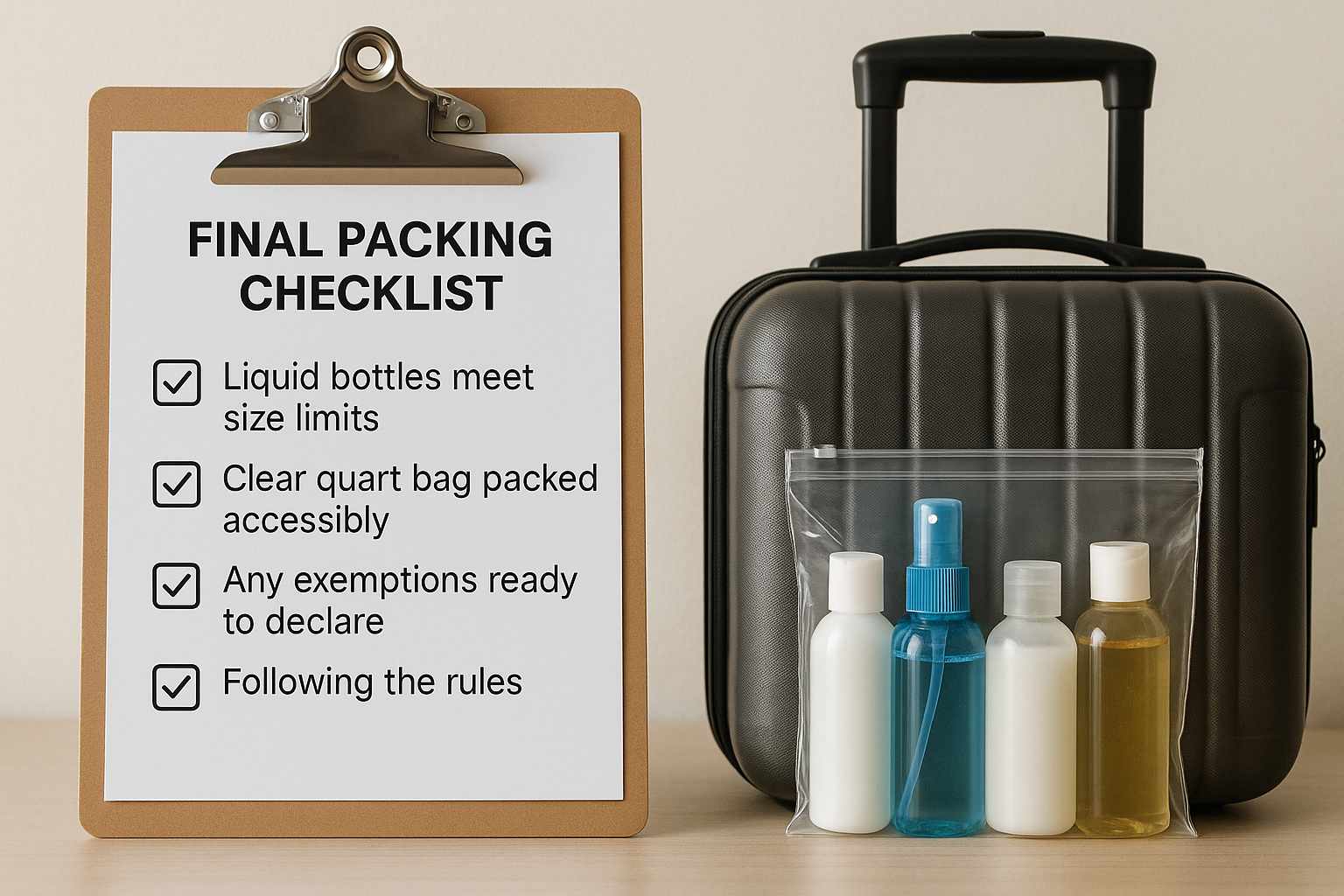
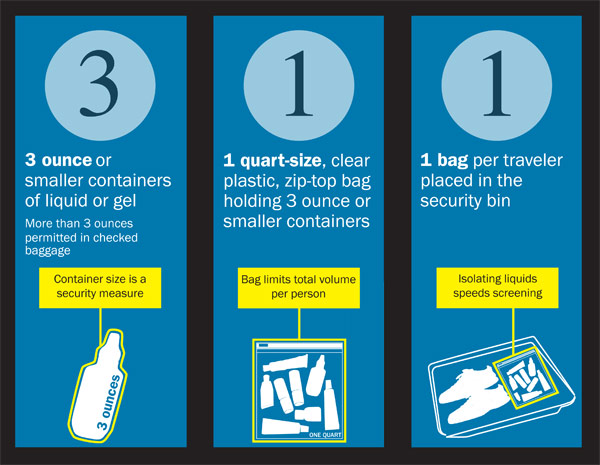
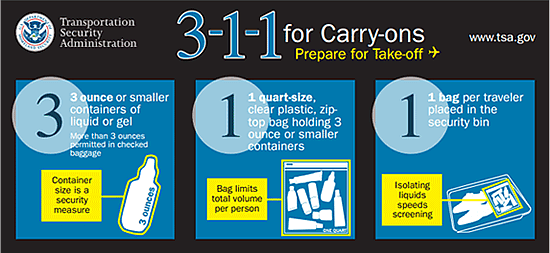
Another key scenario to consider is the liquids and gels rule. This rule states that any liquids, gels, or aerosols must be in containers of 3.4 ounces or less and fit in a clear, quart-sized zip-top bag. This can be a challenge for travelers who need to bring certain medications or cosmetics with them on their flight. However, by understanding the rules and packing accordingly, you can help to avoid any issues at the security checkpoint. It's also worth noting that some items, such as baby formula or breast milk, may be exempt from these restrictions, but it's always best to check with the TSA in advance to confirm.
In addition to the liquids and gels rule, there are also specific guidelines for electronic devices. These devices must be removed from your carry-on bag and placed in a bin for screening, and any batteries or power sources must be protected from accidental activation. This can be a challenge for travelers who need to bring their laptops or tablets with them on their flight, but by understanding the rules and taking steps to prepare, you can help to avoid any issues at the security checkpoint.
Finally, it's worth noting that the TSA guidelines are not just about restricting items, but also about promoting safety and security. By understanding the guidelines and taking steps to prepare, travelers can help to make the flying experience more enjoyable and stress-free for everyone. Whether you're a seasoned traveler or just starting out, taking the time to understand the TSA guidelines can make all the difference in ensuring a smooth and successful flight.
Common Questions and Concerns
What are the most common items that are restricted in carry-on bags?
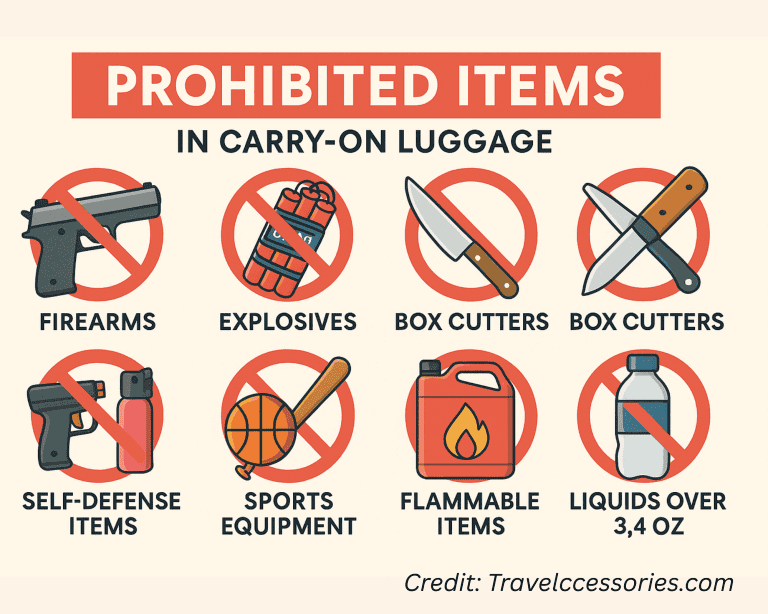
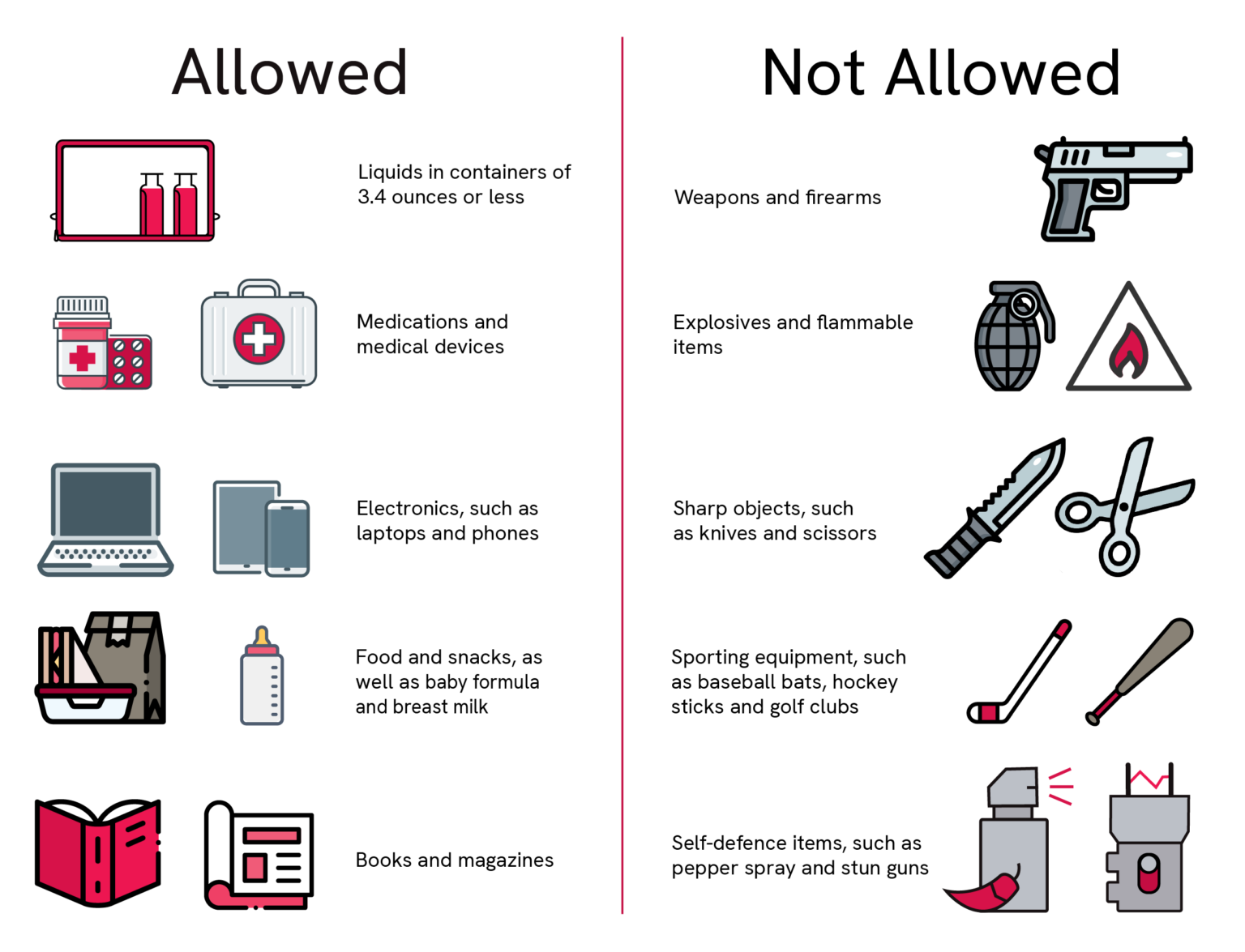
The most common items that are restricted in carry-on bags include liquids and gels, sharp objects, and electronic devices. These items are restricted due to the potential risk they pose to the safety and security of the flight. However, there are some exceptions to these rules, such as baby formula or breast milk, which may be exempt from the liquids and gels rule. It's always best to check with the TSA in advance to confirm what items are allowed and what items are restricted.
In addition to these restricted items, there are also some items that are prohibited in carry-on bags. These items include firearms, explosives, and chemicals. These items pose a significant risk to the safety and security of the flight and are strictly prohibited. If you're unsure about what items are allowed or prohibited, it's always best to check with the TSA or your airline in advance to confirm.
How can I ensure that my carry-on bag is compliant with TSA guidelines?
To ensure that your carry-on bag is compliant with TSA guidelines, it's a good idea to check the TSA website for the most up-to-date information on restricted items. You can also use the TSA app to help you navigate the security process and get real-time updates on any changes to the guidelines. Additionally, it's a good idea to pack smart, using clear bags and organizing your items in a way that makes them easy to screen.
Another key step is to know what to expect at the security checkpoint. This includes removing your electronic devices and liquids and gels from your carry-on bag and placing them in a bin for screening. You should also be prepared to remove your shoes, belts, and jackets and place them in a bin for screening. By understanding what to expect and taking steps to prepare, you can help to make the security process smoother and more efficient.
What are the consequences of not complying with TSA guidelines for carry-on items?
The consequences of not complying with TSA guidelines for carry-on items can be significant. If you're found to be carrying a restricted item in your carry-on bag, you may be denied boarding or subject to additional screening. In some cases, you may also be fined or prosecuted for violating TSA regulations. It's therefore essential to take the time to understand the guidelines and take steps to ensure that your carry-on bag is compliant.
In addition to these consequences, not complying with TSA guidelines can also cause delays and disruptions to your flight. If you're unable to board your flight due to a restricted item, you may need to rebook your flight or make alternative arrangements. This can be stressful and inconvenient, especially if you have connecting flights or tight schedules. By understanding the guidelines and taking steps to prepare, you can help to avoid these consequences and ensure a smooth and successful flight.
Can I bring food or drinks in my carry-on bag?
Yes, you can bring food or drinks in your carry-on bag, but there are some restrictions and guidelines to be aware of. Liquids and gels are subject to the 3.4 ounce rule, and solid foods are generally allowed. However, it's always best to check with the TSA or your airline in advance to confirm what items are allowed and what items are restricted. You should also be aware of any food allergies or restrictions that may apply to your fellow passengers.
In addition to these guidelines, it's also worth noting that food and drinks can be a security risk if not properly packaged or declared. For example, unsealed containers or unidentified substances may be subject to additional screening or restrictions. By understanding the guidelines and taking steps to prepare, you can help to avoid any issues at the security checkpoint and ensure a smooth and successful flight.
How can I make the security process smoother and more efficient?
To make the security process smoother and more efficient, it's a good idea to arrive early and be prepared. This includes removing your electronic devices and liquids and gels from your carry-on bag and placing them in a bin for screening. You should also be prepared to remove your shoes, belts, and jackets and place them in a bin for screening. By understanding what to expect and taking steps to prepare, you can help to make the security process more efficient and reduce the risk of delays or disruptions.

In addition to these steps, it's also worth noting that TSA Precheck or Global Entry can help to make the security process smoother and more efficient. These programs allow low-risk travelers to undergo expedited screening, which can save time and reduce stress. By understanding the benefits of these programs and taking steps to enroll, you can help to make the security process more efficient and enjoyable.
As we reflect on the topic of TSA guidelines for carry-on items, it's clear that this is a complex and multifaceted issue. From the history of airport security to the psychological impact of navigating security checkpoints, there are many factors to consider when exploring this topic. By taking the time to understand the guidelines and taking steps to prepare, travelers can help to make the flying experience more enjoyable and stress-free for everyone.
One of the key takeaways from this topic is the importance of staying informed. The TSA guidelines are constantly evolving, and it's essential to stay up-to-date on the latest information to ensure a smooth and successful flight. Whether you're a seasoned traveler or just starting out, taking the time to understand the guidelines and take steps to prepare can make all the difference in ensuring a positive and enjoyable travel experience.
Finally, as we consider the cultural and psychological impact of TSA guidelines, it's clear that this is a topic that affects us all. From the anxious traveler navigating security checkpoints to the experienced traveler who has learned to navigate the system with ease, we all have a role to play in ensuring the safety and security of our flights. By understanding the guidelines and taking steps to prepare, we can all help to make the flying experience more enjoyable and stress-free for everyone, and ensure that our travels are filled with wonder, excitement, and joy.